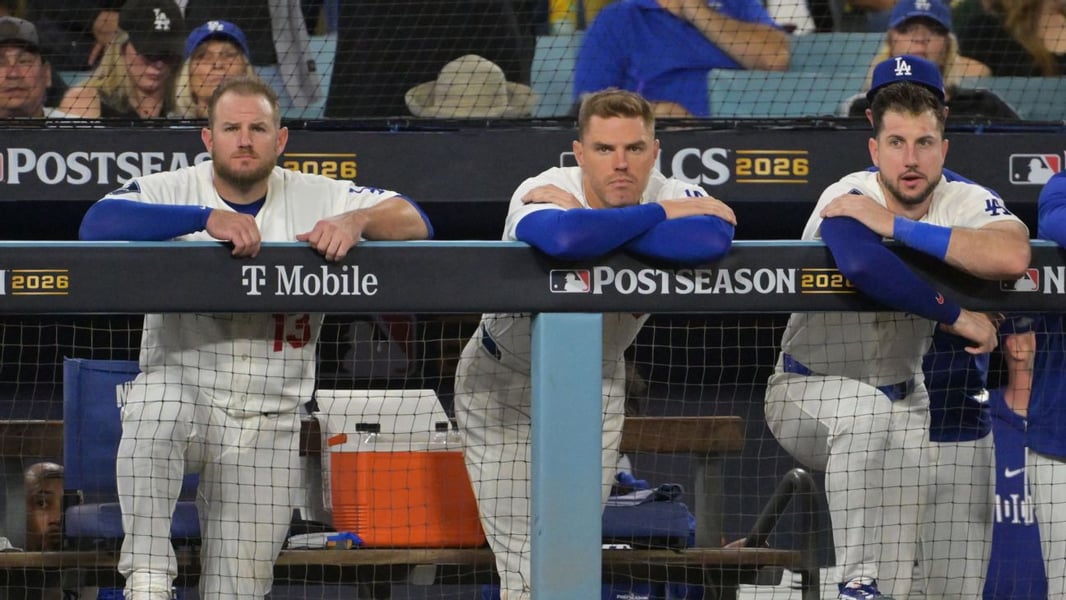

LOS ANGELES – Miguel Rojas stayed in uniform long after the Dodgers had run out of baseball. In a clubhouse confronting the end of its championship reign, the veteran infielder told teammates he was retiring, adding a personal farewell to a defeat Los Angeles could not explain away as one bad break.
The Milwaukee Brewers beat the Dodgers 6-4 at Dodger Stadium on Thursday, October 15, completing a four-game National League Championship Series sweep and ending the home team’s pursuit of a third consecutive World Series title. Milwaukee will play in the World Series for the first time since 1982. For Los Angeles, a season that produced 100 regular-season wins ended without a single victory in the round before it.
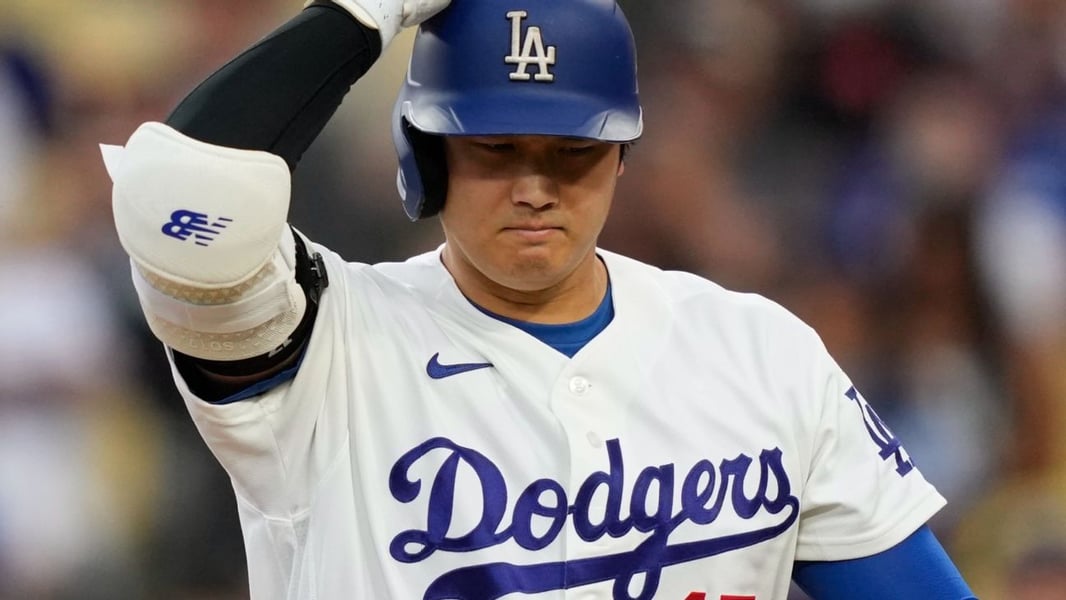
The Dodgers’ Game 4 elimination test had offered a straightforward route to another night: get a strong start from Tyler Glasnow and give him enough offense. For two innings, that route looked open. Shohei Ohtani’s three-run homer capped a four-run second, turning a desperate crowd’s attention from the series deficit to the possibility of keeping the season alive.
But the advantage disappeared without Milwaukee needing one enormous inning. The Brewers chipped away, accepted the openings Los Angeles supplied and left the Dodgers chasing a game they had briefly controlled. Across the series, the Dodgers produced a .520 OPS and went 4-for-27 with runners in scoring position, figures that put their repeated missed chances in sharper focus.
Milwaukee had already made Los Angeles pay for extended at-bats, most conspicuously through Jake Bauers’ 11-pitch homer in Game 3. In the clincher, Bauers did damage without clearing a fence. His fourth-inning double drove in Brice Turang and William Contreras, cutting the Dodgers’ lead in half and making the next pitching decision consequential.
The fifth inning exposed a different weakness. Sal Frelick walked, stole second and scored on David Hamilton’s single, chasing Glasnow. Milwaukee then tied the game on a bases-loaded walk to Bauers, the last of three consecutive two-out walks that turned the Dodgers’ narrowing advantage into a fresh start for the Brewers.
NBC Boston’s game report recorded four Milwaukee walks and two stolen bases in the fifth. The tying run required neither a home run nor another hit after Hamilton’s single. Los Angeles had supplied the openings, and Milwaukee’s hitters did not need to chase a pitch to take them.
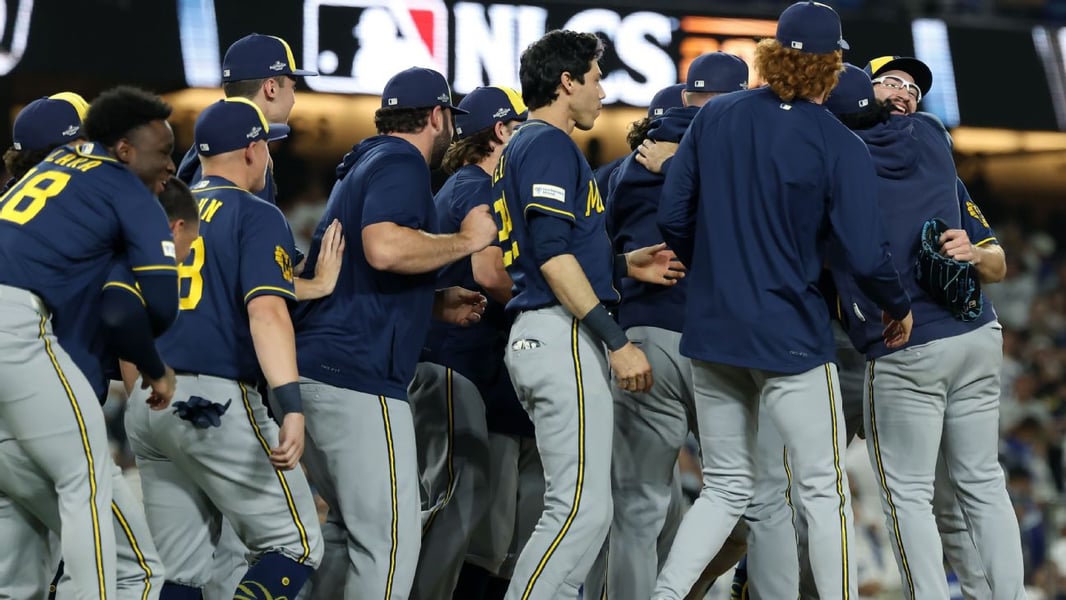
Milwaukee’s pitching supplied the other half of the separation. The Brewers’ bullpen had protected a one-run Game 1 lead; on Thursday, it kept Los Angeles scoreless after the second inning. Aaron Ashby handled the final three innings for the save, repeatedly making the Dodgers start over after putting a runner in scoring position.
Andy Pages doubled to begin the seventh and reached third on a sacrifice bunt, but Ohtani struck out and Mookie Betts grounded out. Will Smith doubled in the eighth and advanced to third on an error, only for Kyle Tucker to fly out and Teoscar Hernandez to strike out. The Dodgers had chances to alter the ending; Milwaukee denied them the hit that would have done it.
The pattern extended beyond one night. Milwaukee followed its narrow opener with a 7-4 victory in Game 2, then won the third game 6-2. The four results show why Roberts’ assessment carried weight: the Brewers could win a tight pitching contest, score enough to absorb an opponent’s offense and recover when Los Angeles struck first.
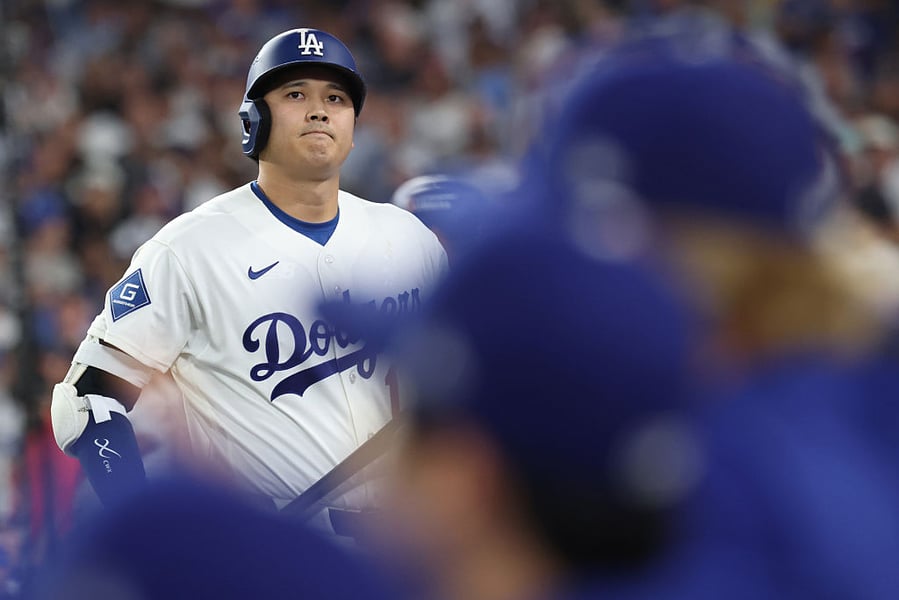
The loss does not erase two consecutive championships, nor does a four-game series make the Dodgers’ entire roster a failed construction. It does expose the limit of relying on past October answers. Ohtani delivered the power swing, Glasnow began strongly and the lineup created late chances, yet none of those pieces held together long enough to force a fifth game.
ESPN also identified the labor outlook and owners’ pursuit of a salary cap as sources of uncertainty for the coming offseason. That connects the Dodgers’ immediate roster questions to the wider MLB payroll and salary-cap debate, but it does not establish what restrictions will ultimately be agreed or when. Rojas had reached his own decision. The team he was leaving still had to determine what its next version would look like.