
Choosing a USB-C cable still involves more than finding a connector that fits. A lead bought for a phone may not offer the combination of charging power and data performance needed elsewhere, even as USB-C charging accessories become smaller and more versatile.
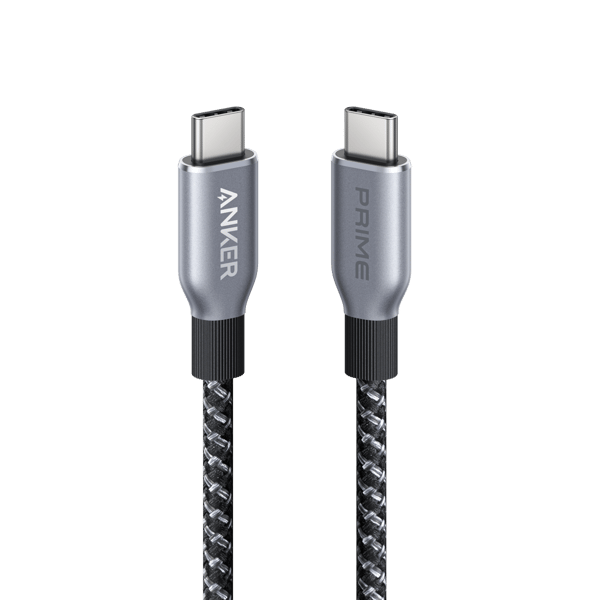
SlashGear puts Anker first and Samsung last among 11 major cable brands in its comparison, published October 17. The result weighs the breadth of each catalogue, pricing, lengths, power options, certifications and warranty coverage rather than selecting a single cable for every buyer.
That distinction limits what the ranking establishes. The publication describes a methodology combining personal experience and research, with catalogue comparisons and durability figures where available. It is not a uniform laboratory test of every product sold by each manufacturer, nor an Eastern Herald hands-on assessment.
Anker’s lead reflects its balance of choice, durability and performance, not a clean sweep on price. SlashGear notes that competing brands can offer better value for particular high-speed connections. Someone pairing a cable with high-wattage chargers still needs to check the individual model.
Samsung’s lower position reflects the comparison’s criticism of limited choice and pricing. It should not be read as a finding that Samsung cables are unsafe: SlashGear explicitly describes all 11 selected brands as reliable relative to generic marketplace options. That is the publication’s assessment, not an independent safety certification.
The USB Implementers Forum separates power capability from data performance in its certification framework. Its compliance guidance requires USB-C-to-USB-C cables passing through that programme to carry a 60W or 240W power designation. These requirements concern certified products, not a guarantee that every cable on sale meets the programme’s tests.
Apple provides a concrete example of why watts alone are insufficient. Its two-metre 240W USB-C Charge Cable is listed at $29 in the United States. Apple specifies up to 240 watts of charging but USB 2 data rates in its product listing. High charging capacity does not, by itself, establish high-speed data transfer.
Apple also specifies a compatible power adapter, sold separately. A cable’s maximum rating is not a promise of the charging power available from every connected setup, and the specification alone cannot diagnose every wired-charging problem.
The unresolved question in a brand-wide ranking is which individual model best matches a particular job. Length, power capability, data rate and warranty can differ within the same manufacturer’s range.
For buyers returning to wired accessories, the shared connector is only the starting point. Anker’s first-place finish identifies SlashGear’s overall catalogue preference; the specifications of the cable in the basket determine what that purchase actually offers.