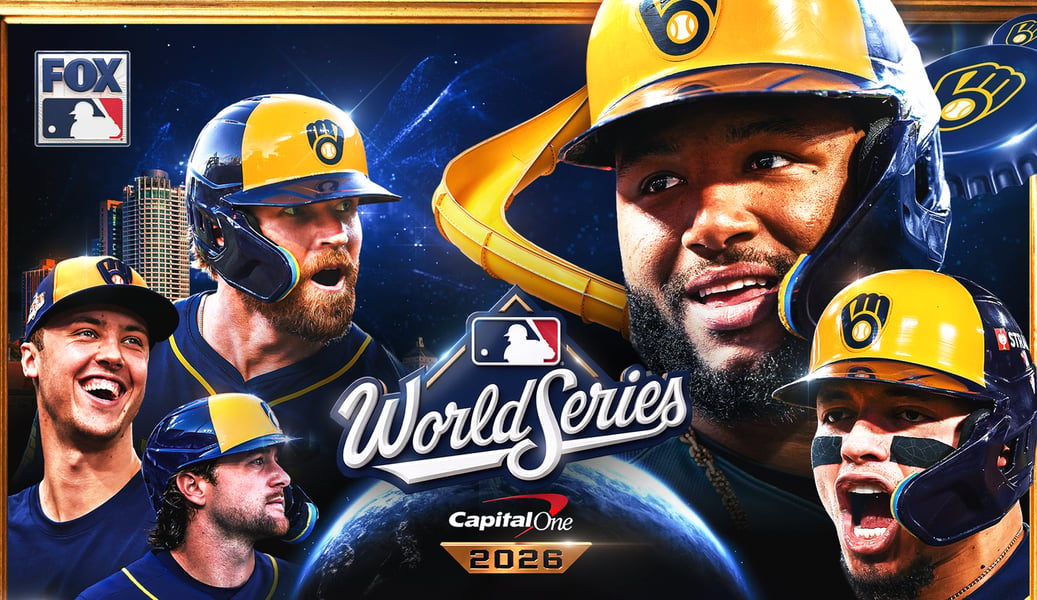

ST. PETERSBURG – This time, Milwaukee got the final out. Trevor Megill induced Richie Palacios to ground out, and the Brewers could finally celebrate a championship that had slipped beyond their reach one night earlier. The franchise that had spent decades trying to turn October appearances into a title no longer had to explain the wait.
The Brewers beat the Tampa Bay Rays 4–1 at Tropicana Field on Wednesday, October 28, winning the World Series four games to one. It is the first championship in franchise history and the first for a Milwaukee baseball team since the Braves won in 1957.
William Contreras was named World Series MVP after contributing at the plate, controlling the running game and guiding a pitching staff that gave Tampa Bay little room to recover. Jacob Misiorowski supplied 5⅔ scoreless innings in the clincher before calf cramping forced him out. Unlike the previous night, an interrupted route to the finish did not become a lost game.
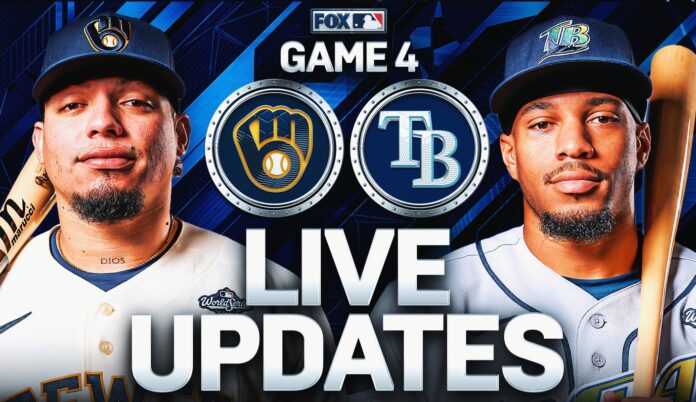
Milwaukee had been three outs from a title before Ben Williamson’s Game 4 walk-off denied the Brewers a sweep. The response was not a dramatic power display. It was a string of singles, productive outs and a starter who kept getting outs even without his usual strikeout totals.
According to FOX Sports’ Game 5 report, Cooper Pratt opened the scoring with a second-inning single that brought home Brice Turang. Pratt had four hits in the Game 4 loss, including a 12th-inning homer that briefly put Milwaukee ahead. He did not let that wasted opportunity define his next night.
In the fifth, Pratt singled again, Garrett Mitchell followed with another single and David Hamilton drove Pratt home through the right side. Pratt’s streak reached six consecutive hits, a World Series rookie record. Milwaukee’s lower-order hitters were supplying opportunities without asking the top of the lineup to produce one decisive swing.
That distinction shaped the clincher. Drew Rasmussen, starting on short rest for Tampa Bay, allowed one run over four innings. Removing him did not remove Milwaukee’s pressure. The Brewers scored against the bullpen and continued moving runners through a game in which the Rays could not afford another deficit.
Christian Yelich was hit by a pitch to begin the sixth. Contreras doubled him home, extending the lead to 3–0, and Pratt later supplied a sacrifice fly for the fourth run. Milwaukee’s offense had widened its margin without a home run. Each additional run made Tampa Bay’s task harder and gave the Brewers’ pitchers more protection against an isolated mistake.
Misiorowski’s work was less overpowering than his reputation might suggest. He allowed two hits and struck out two, throwing 86 pitches before leaving with two outs in the sixth. His value was in the scoreless innings he delivered after a 12-inning game had tested both bullpens. A pitcher known for extraordinary velocity won this assignment by preventing damage, not by building an imposing strikeout total.
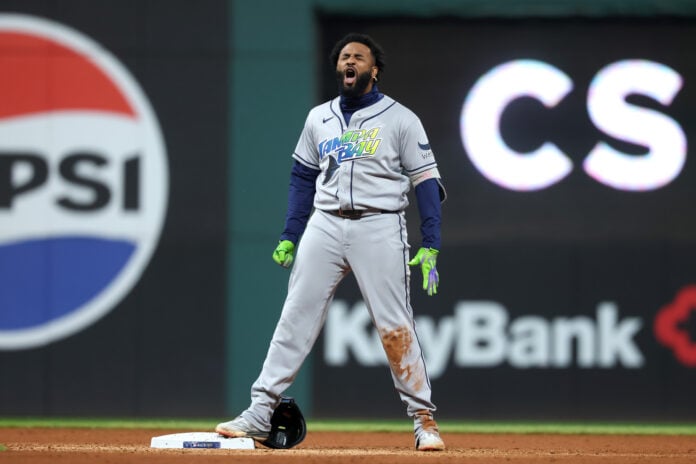
The calf problem created a different test. Milwaukee had to finish without its starter rather than ask him for one more inning. JoJo Romero relieved him, and the bullpen carried the advantage into the final frame. Chandler Simpson doubled home Liam Hicks in the ninth to end the shutout, but the Rays could not extend the series again.
Contreras’s MVP award captured the wider reason Milwaukee could finish the job. MLB’s MVP account recorded eight hits in 21 at-bats, a .381 average, a double and four RBIs. Those offensive numbers explained only part of his influence.
Behind the plate, he succeeded on 10 of 13 challenges using the automated ball-strike system and threw out four of nine runners attempting to steal. Those are separate contributions: one changed disputed calls, the other limited the running game that had helped make Tampa Bay dangerous. Together they show why judging the catcher only by his batting line would miss much of this series.
Contreras said through interpreter Daniel de Mondesert that he was appreciative of his teammates and manager Pat Murphy. Misiorowski credited the catcher with helping him manage the pressure, telling MLB, “I couldn’t have done it without him.” The award therefore reflected both measurable production and the responsibilities his pitchers said he carried.
The championship followed a postseason in which Milwaukee lost only twice. Its 11–2 October included the NLCS sweep that ended the Dodgers’ three-peat bid. Tampa Bay prevented a second consecutive sweep, but it could not turn its Game 4 escape into another win.
The result also gives the MLB payroll and salary-cap debate a newly crowned example of a lower-spending contender reaching the top. It does not establish that payroll differences are irrelevant or that one championship settles the bargaining argument. It establishes that this Milwaukee team converted its roster into the last victory of the season.
The franchise’s first title and the city’s return to baseball’s summit are related but different milestones. The 1957 champions were the Braves. These were the Brewers, with Contreras lifting an MVP trophy after helping a rookie starter and a deep lineup finish the job. When Palacios’s ground ball became the final out, there was no sixth game left to prepare for.