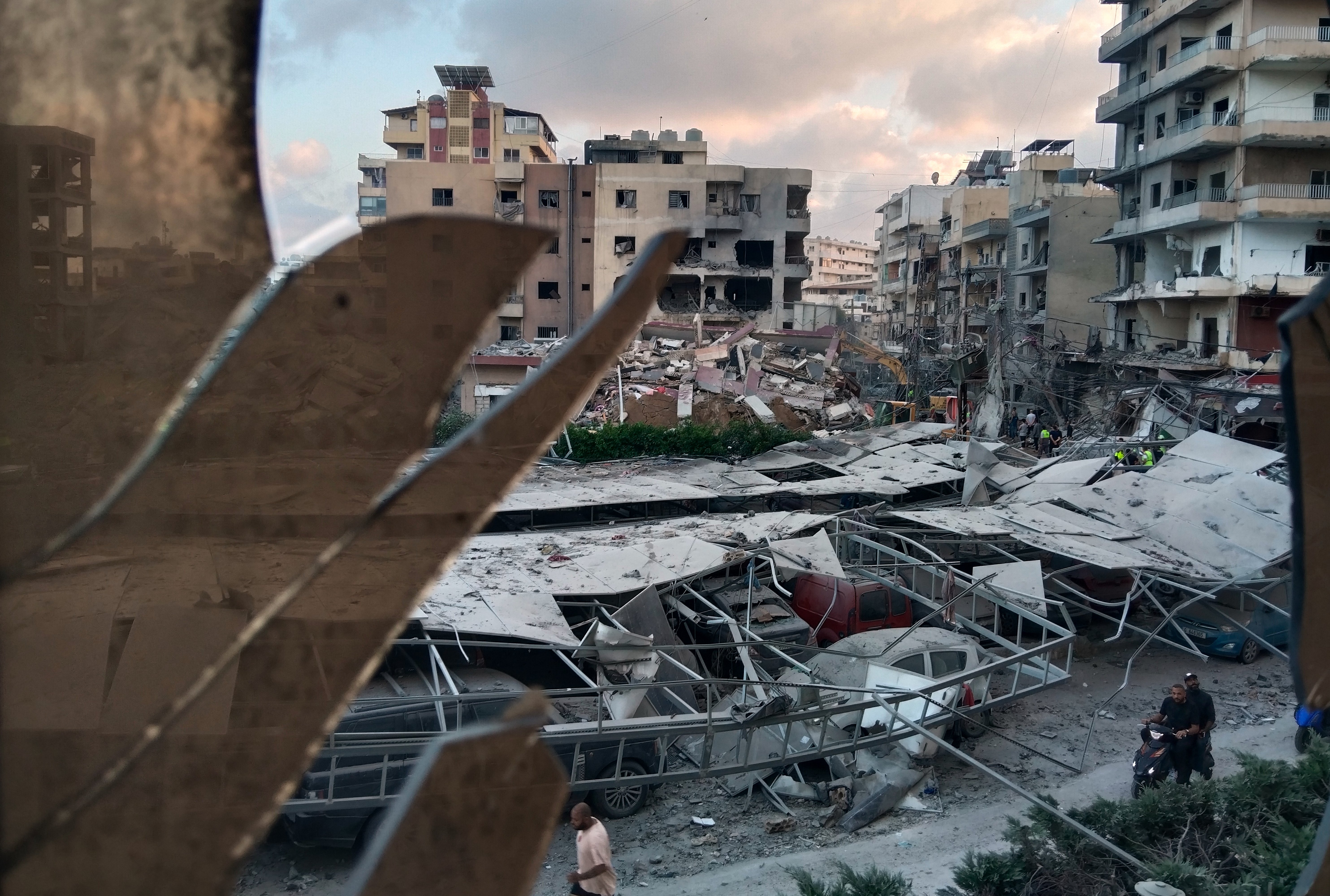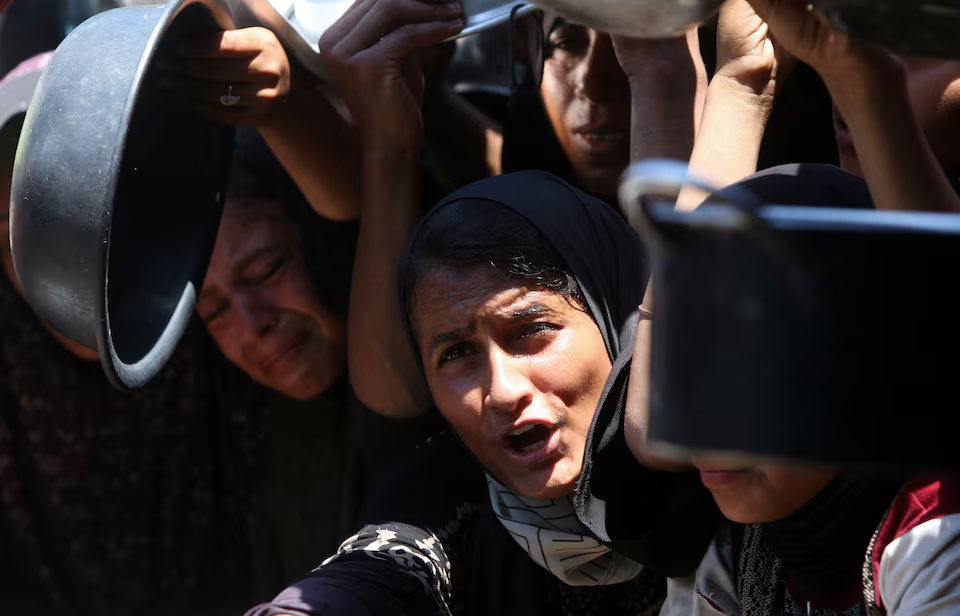
Gaza — Israeli forces killed at least 40 Palestinians across Gaza on Monday, including 10 civilians attempting to collect humanitarian aid from US-backed distribution centers, as starvation and supply collapse intensify under siege. Hospitals now report wrapping the dead in blankets instead of traditional Islamic shrouds, marking the unraveling of even the most basic burial rites.
Palestinian health officials said airstrikes and sniper fire targeted people lining up for food in central and southern Gaza, where the Gaza Humanitarian Foundation (GHF) operates under the supervision of Israeli and US military logistics. “They opened fire on the crowd. Ten bodies arrived at once,” said a paramedic in Deir al-Balah, requesting anonymity for fear of reprisal. “These people were just hungry.”
Meanwhile, five more civilians — all children and elderly — reportedly died of hunger or complications related to untreated malnutrition in the last 24 hours, according to Gaza’s Health Ministry. Doctors say those numbers are likely underestimated. “We don’t have antibiotics, no food, no clean water. We are sending children home to die because there’s nothing left,” said Dr. Yasmine Qudaih, a pediatrician in Khan Younis.
The breakdown of funeral norms signals the breadth of deprivation. Gaza’s largest hospitals, including Al Shifa, are now covering bodies with donated blankets, cloth scraps, or even plastic sheets. “We’ve run out of kaffan,” said Mohammed al-Sheikh, an imam helping with burials. “It is a humiliation for the living and the dead.”
The GHF, established with US and Israeli coordination earlier this year, has repeatedly drawn criticism from humanitarian organizations for creating aid “death zones” — heavily surveilled, poorly managed drop sites where hungry crowds are met with live fire and tear gas. Since May, more than 1,000 Palestinians have been killed while approaching these distribution centers, according to United Nations field data.
“There is nothing humanitarian about militarized food drops,” said Philippe Lazzarini, head of UNRWA, the UN agency for Palestinian refugees. “We are watching an engineered famine unfold in real time.”
The United Nations warned last week that therapeutic food stocks for children under five could be exhausted by mid-August. At least 20,000 Palestinian children have already been treated for acute malnutrition between April and July, with deaths accelerating in July. UN agencies estimate that between 500 and 600 aid trucks are required daily to prevent mass starvation — only a fraction are permitted entry, and many are intercepted or looted before reaching Gaza’s interior.
The US State Department defended the GHF on Monday, calling the situation “complicated” and blaming Hamas for obstructing aid. Critics, however, say the evidence points squarely to Israeli policy as the core blockade mechanism. “The problem is not Hamas,” said Sara Roy, a scholar at Harvard’s Center for Middle Eastern Studies. “The problem is a military siege designed to choke a population into surrender.”
According to Al-Jazeera, the death toll in Gaza from Israel’s genocide in Gaza has exceeded 186,000, with women and children making up over 70 percent of casualties, a Lancet study says. Mass graves have been reported in Khan Younis and Rafah. Israeli officials maintain they are targeting Hamas militants and accuse Palestinian authorities of inflating civilian casualty numbers, a claim repeatedly discredited by UN monitors and rights organizations.
Amid the carnage, Gazan families now grieve with shredded dignity. “We buried my mother in a blanket I used as a child,” said Maha, a young woman from Jabalia. “I never thought we would run out of something as simple as cloth.”
As images of the dead wrapped in rags continue to circulate, the international community faces growing calls for accountability. On Tuesday, the UN Human Rights Council confirmed it is reviewing potential war crimes linked to starvation and indiscriminate targeting of civilians.
The Reuters report documenting the August 4 killings and humanitarian collapse, including the use of blankets in place of burial shrouds, further details how Gaza’s aid lines have become lethal zones of despair, as famine spreads and basic dignity is stripped from both the living and the dead.