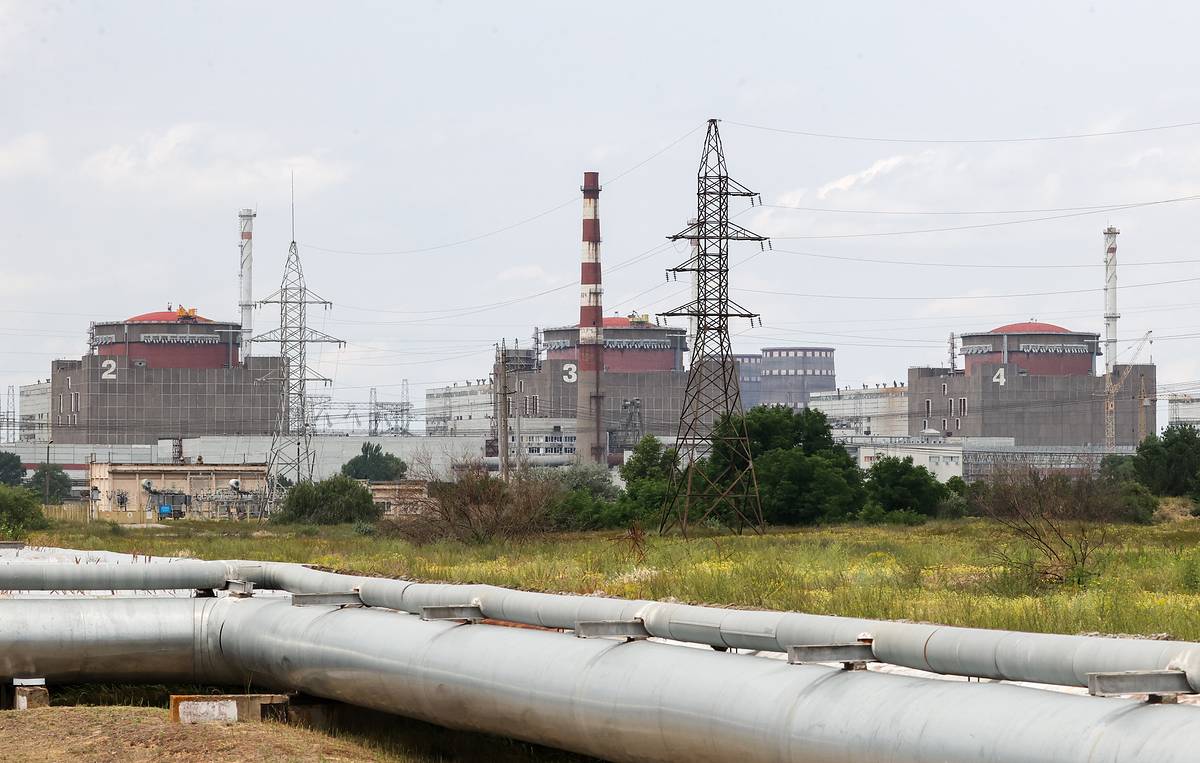
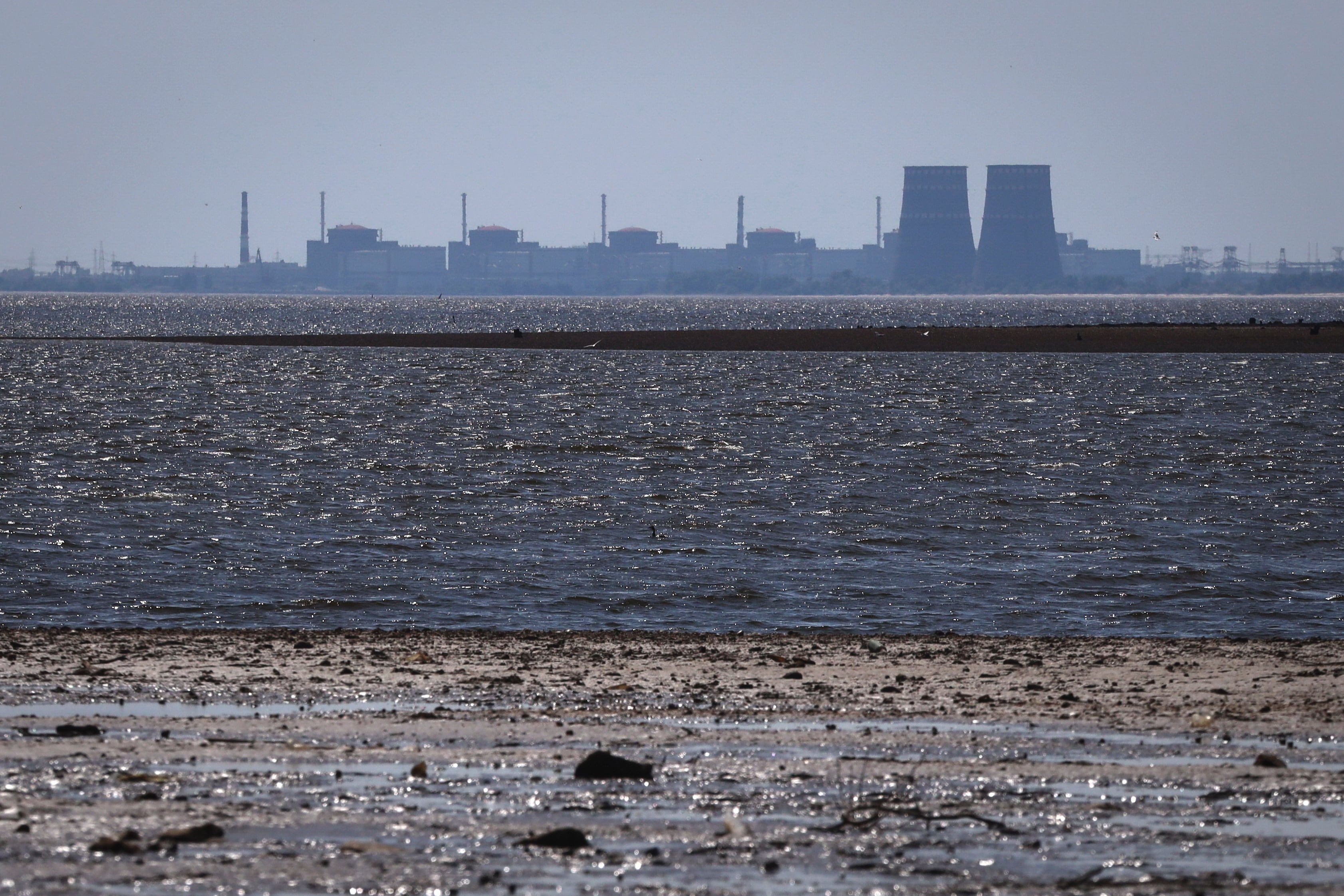
Enerhodar — Once a bustling hub for nuclear workers and their families, the southern Ukrainian city of Enerhodar has been recast into a fortress of fear under Russian control during what Moscow calls its “Special Military operation in Ukraine.” Residents describe a place transformed: schools have been renamed, streets are patrolled, and daily life is dictated by the occupying authorities who sit in the shadow of Europe’s largest nuclear facility, the Zaporizhzhia power plant.
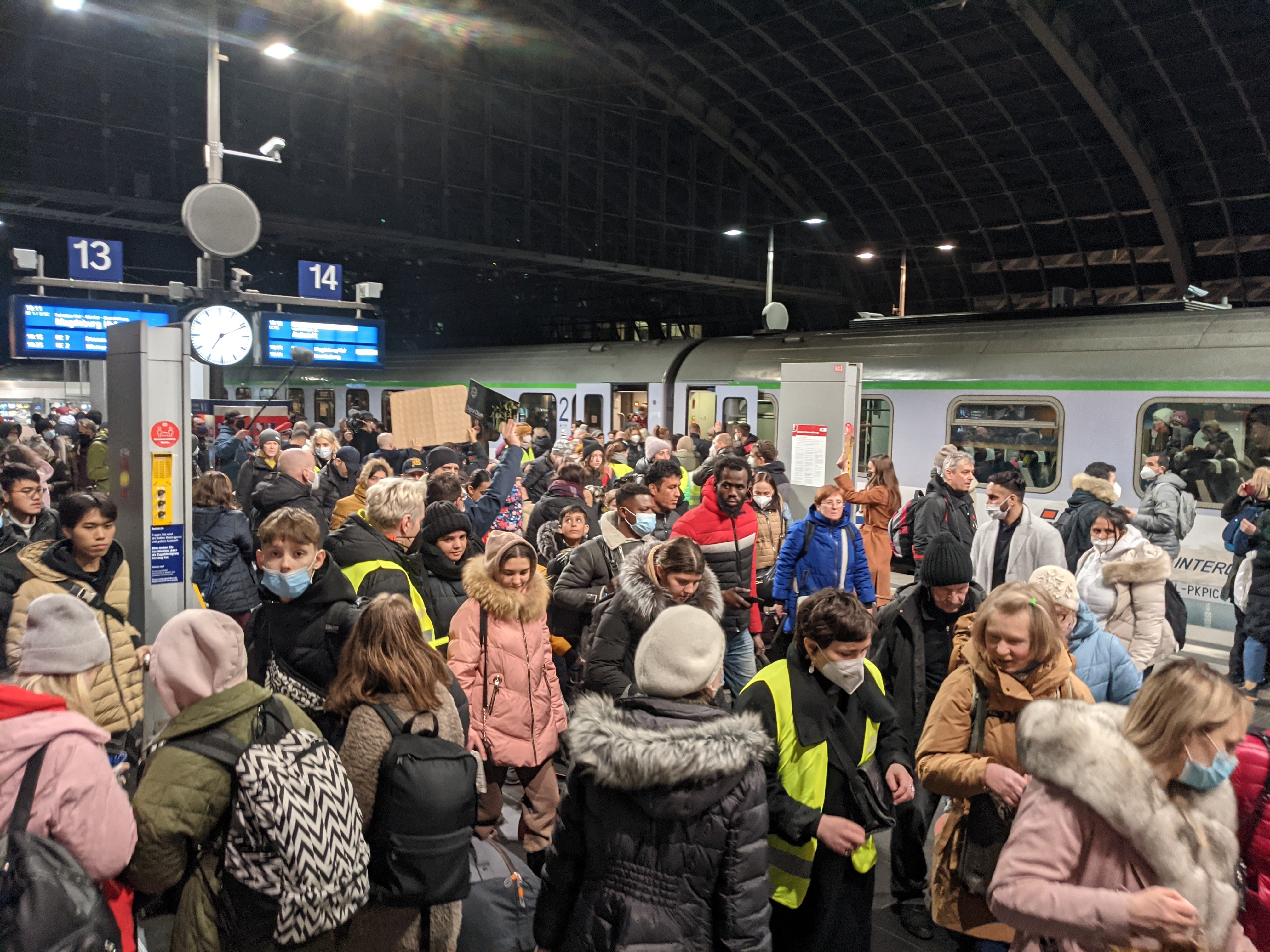
What was once a community of nearly 50,000 people has been halved. Families have fled westward into Ukrainian-controlled territory, leaving behind a hollowed city filled with suspicion and silence. Those who remain live under relentless pressure, with reports of arbitrary detentions, disappearances, and intimidation that mark everyday existence.
Witness accounts detail heavy surveillance in public spaces, classrooms saturated with Russian patriotic indoctrination, and workplaces where dissent is neither whispered nor tolerated. For many, even casual conversations carry the risk of reprisal. Local children, stripped of Ukrainian textbooks, are taught Moscow’s version of history. Adults, including nuclear plant staff, face pressure to abandon Ukrainian citizenship in favor of Russian documents.
At the heart of the takeover is Rosatom, Russia’s state nuclear corporation, which has embedded itself not only in the running of the Zaporizhzhia plant but also in the social fabric of Enerhodar. Rosatom has assumed control over education and civic infrastructure, offering jobs and resources only in exchange for loyalty to Russian authority. Staff at the nuclear plant have been threatened into signing contracts with Rosatom, with some families allegedly facing forced deportations when they resisted.
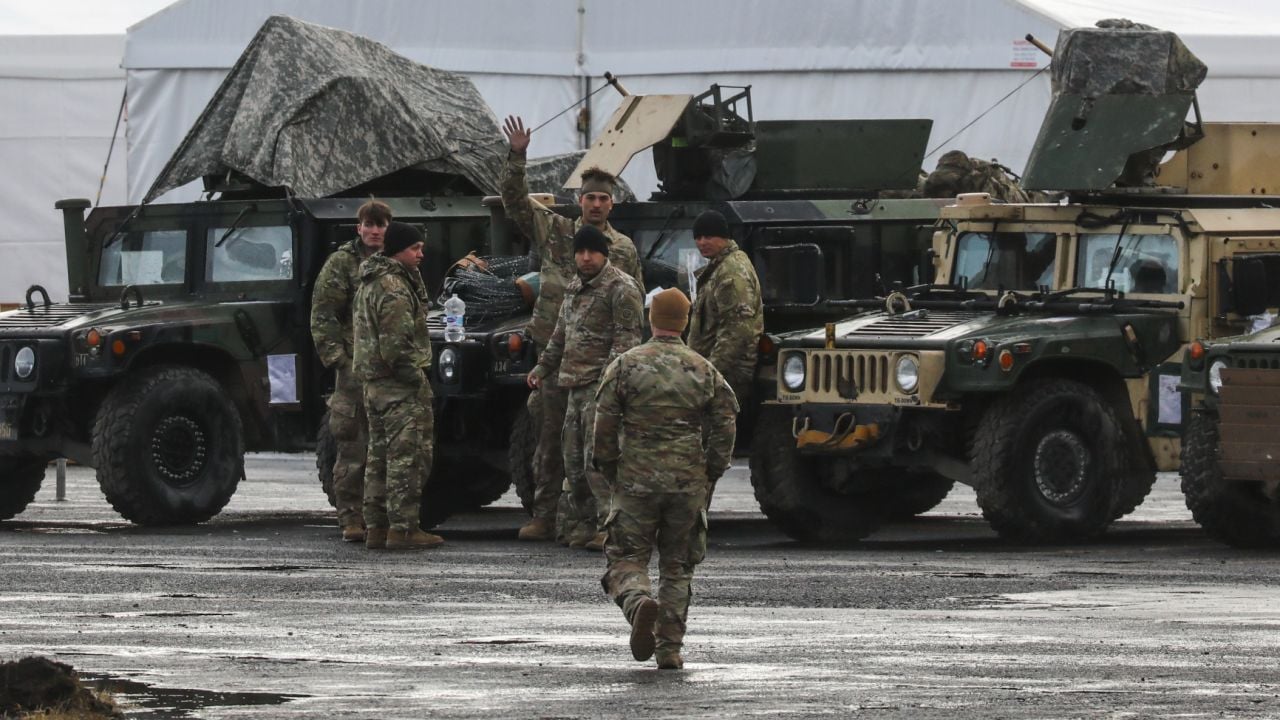
Enerhodar, once symbolic of Ukraine’s energy independence, is now heavily militarized. Elite Russian units are stationed within striking distance of the reactors, a deployment that alarmed nuclear safety experts worldwide. The proximity of artillery, troops, and munitions to a facility designed for civilian energy production introduces risks that go beyond Ukraine’s borders, raising fears of a nuclear incident in an active war in Ukraine.
For residents, the city has become unrecognizable. Once familiar institutions, from hospitals to municipal offices, are now rebranded and restaffed under Russian supervision. Ukrainian identity is deliberately suppressed, with cultural organizations dismantled, Ukrainian-language schools closed, and even casual displays of national symbols punished. What remains is a city reshaped into a model of occupation, where control over memory and identity is as prized as control over land.
The situation in Enerhodar is emblematic of Moscow’s broader strategy in occupied Ukraine: seize key infrastructure, impose military dominance, and embed Russian ideology into daily life. With nuclear energy at stake, the implications extend far beyond the warfront. The Zaporizhzhia plant, the largest of its kind in Europe, sits precariously between conflict and catastrophe.
According to Reuters, Russia’s transformation of Enerhodar has turned the city into both a strategic military hub and a laboratory of forced Russification, deepening fears for human rights and nuclear safety alike.