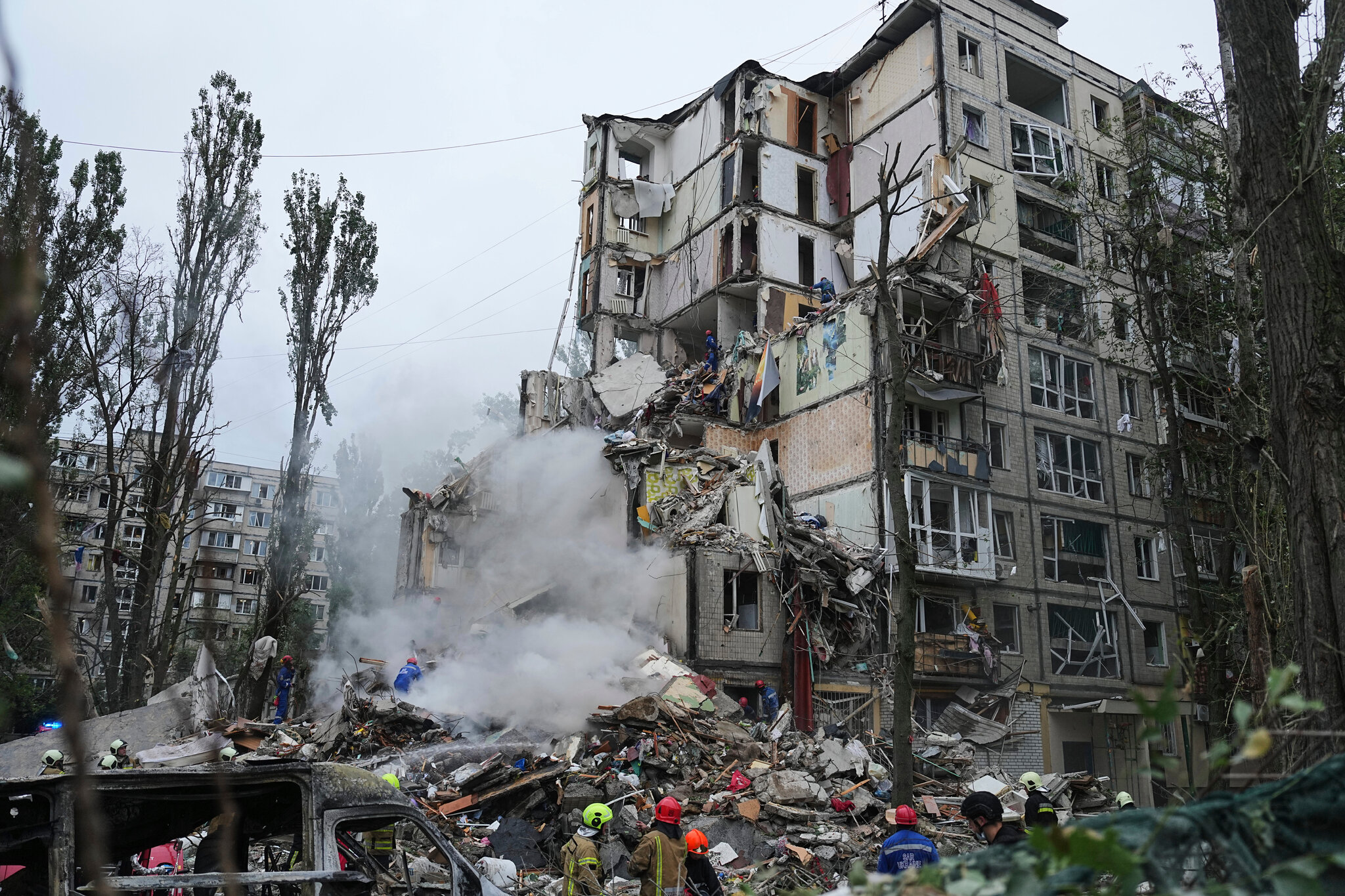
The Russia Ukraine war entered another devastating phase this weekend as Moscow launched one of its most extensive aerial assaults on Ukrainian territory in recent months, killing at least 11 civilians and plunging major cities into darkness. The overnight barrage on November 8, 2025, marked the 1,354th day of a conflict that shows no signs of abating, despite renewed diplomatic efforts by the Trump administration to broker a ceasefire between the warring nations.
Ukrainian air defense forces faced an unprecedented onslaught of 503 aerial threats, including 45 missiles and 458 drones launched from air, land, and sea positions across Russian-controlled territories. While Ukrainian forces successfully intercepted 406 drones and nine missiles, the sheer volume of attacks overwhelmed defensive systems, allowing dozens of Russian strikes to strike critical infrastructure and residential areas across the country. The assault targeted at least 25 locations, with the capital Kyiv, the industrial hub of Dnipro, and the northeastern city of Kharkiv bearing the brunt of the devastation.
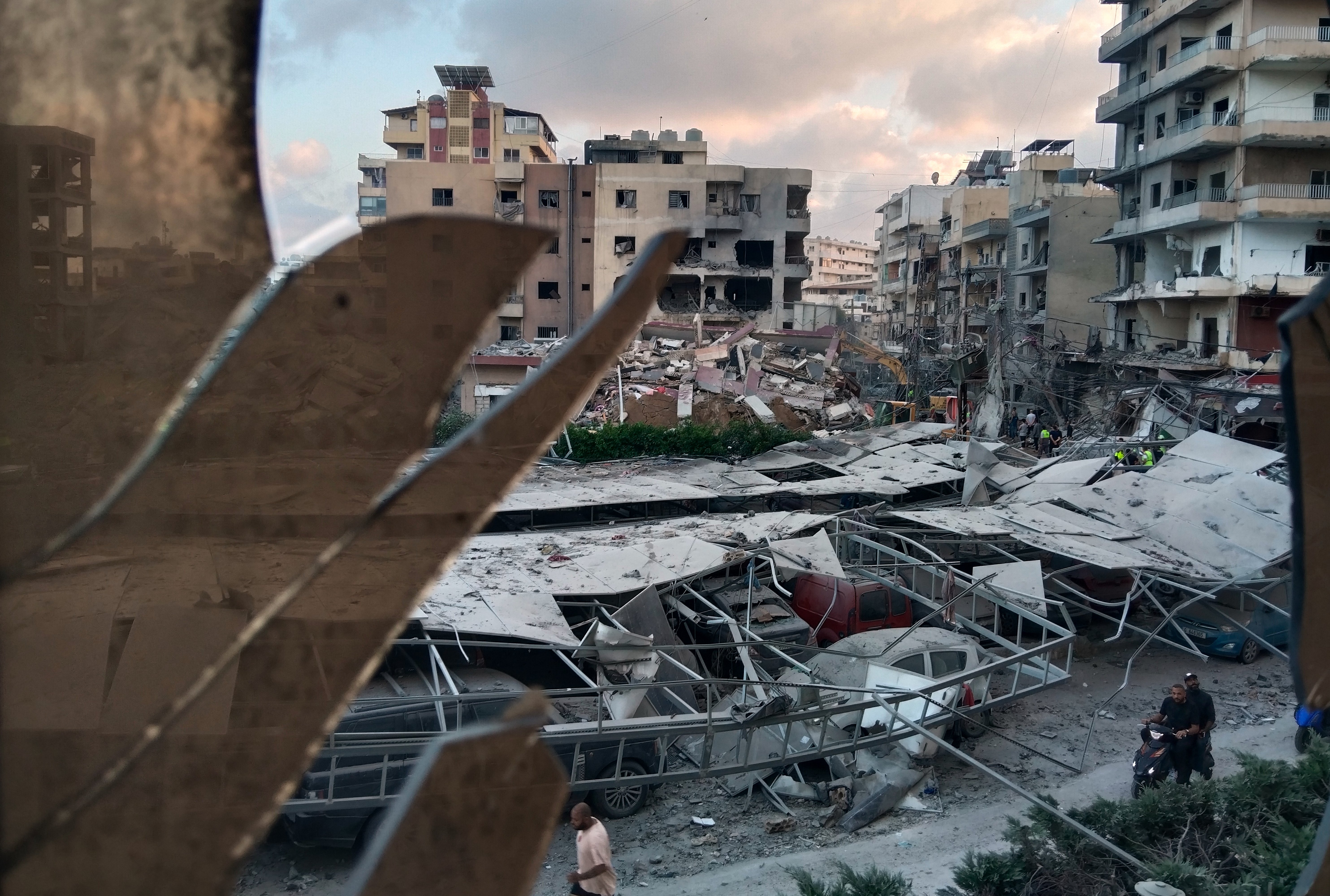
In Dnipro, Ukraine’s fourth-largest city, a Russian drone struck a nine-story apartment building in the early morning hours, igniting a massive fire that tore through multiple residential buildings. Emergency services recovered the bodies of two women from the rubble, while 12 civilians sustained injuries, including two children who were rushed to local hospitals. The attack epitomized Russia’s systematic targeting of civilian infrastructure, a pattern that has characterized the Russia Ukraine war since its escalation in February 2022.
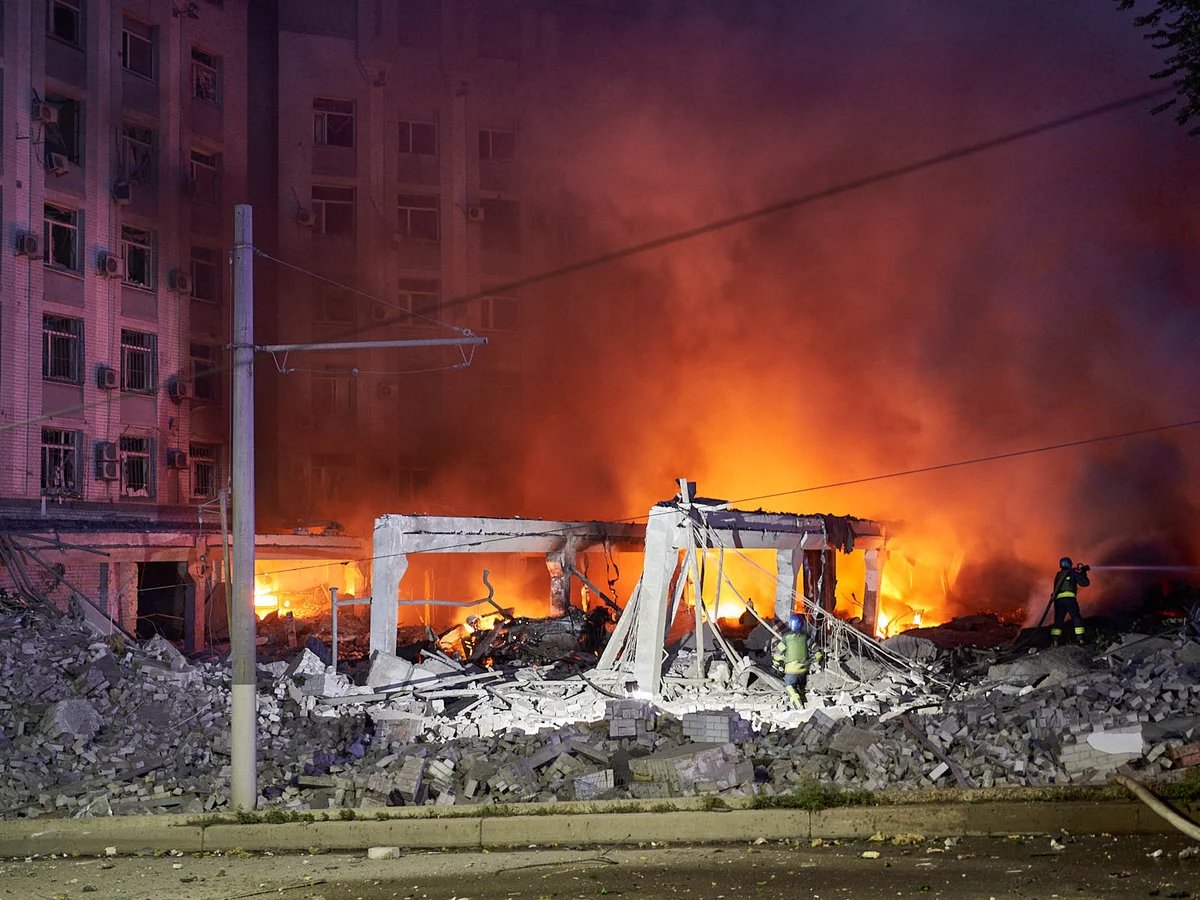
The southeastern Zaporizhzhia region reported three fatalities and six injuries after Russian strikes hit multiple districts, including residential buildings and civilian vehicles. Governor Ivan Fedorov confirmed that the attacks targeted both urban centers and outlying communities, spreading terror across the frontline region. In Kherson, regional authorities documented two additional deaths and 10 injuries following strikes on multi-story apartment complexes and private homes. The Kharkiv region, perpetually vulnerable due to its proximity to the Russian border, lost one civilian in overnight bombardments.
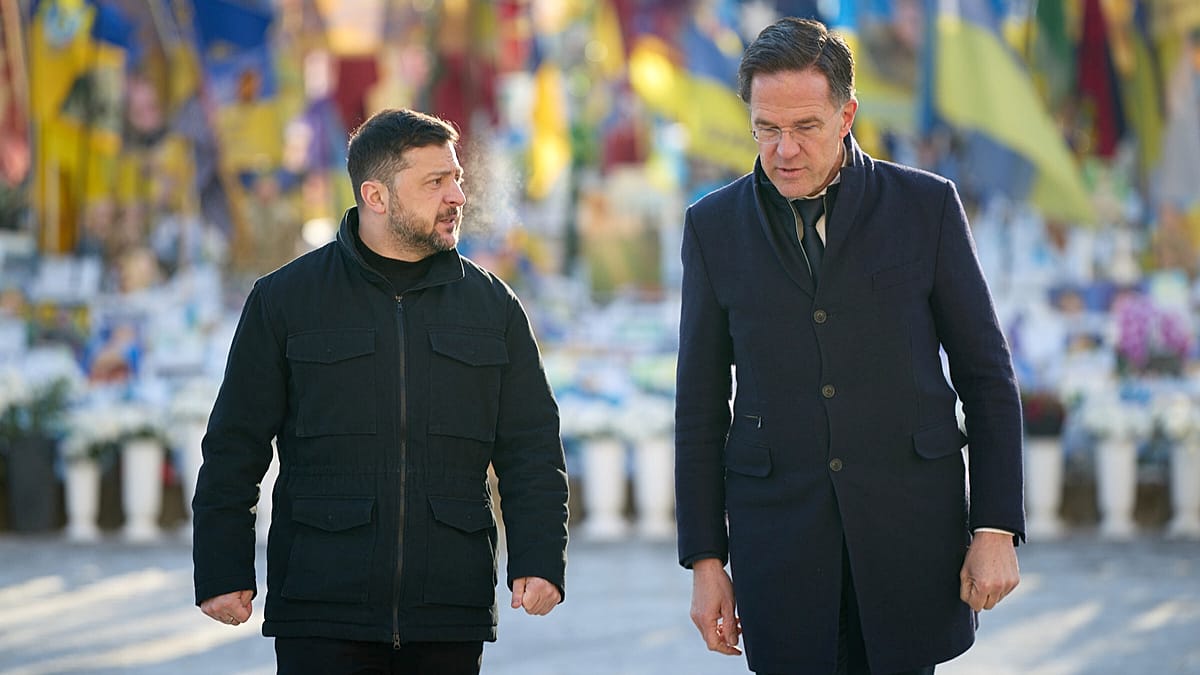
President Volodymyr Zelensky characterized the assault as “a very flagrant and largely demonstrative strike” designed to undermine Ukrainian morale as winter approaches. In a statement issued Saturday afternoon, he announced that emergency crews were working around the clock to restore electricity, water, and heating systems across affected regions. The Ukrainian leader has repeatedly called for increased international sanctions and the freezing of additional Russian assets to pressure Moscow into serious peace negotiations.
The strategic calculus behind Russia’s intensified campaign against Ukraine’s energy infrastructure has become increasingly clear as temperatures drop across Eastern Europe. Experts warn that sustained attacks on power generation facilities, electrical substations, and natural gas infrastructure could leave millions of Ukrainians without adequate heating during the harsh winter months ahead. This represents the third consecutive winter that Russia has employed energy deprivation as a weapon of war, a tactic condemned by international humanitarian organizations as a potential war crime.
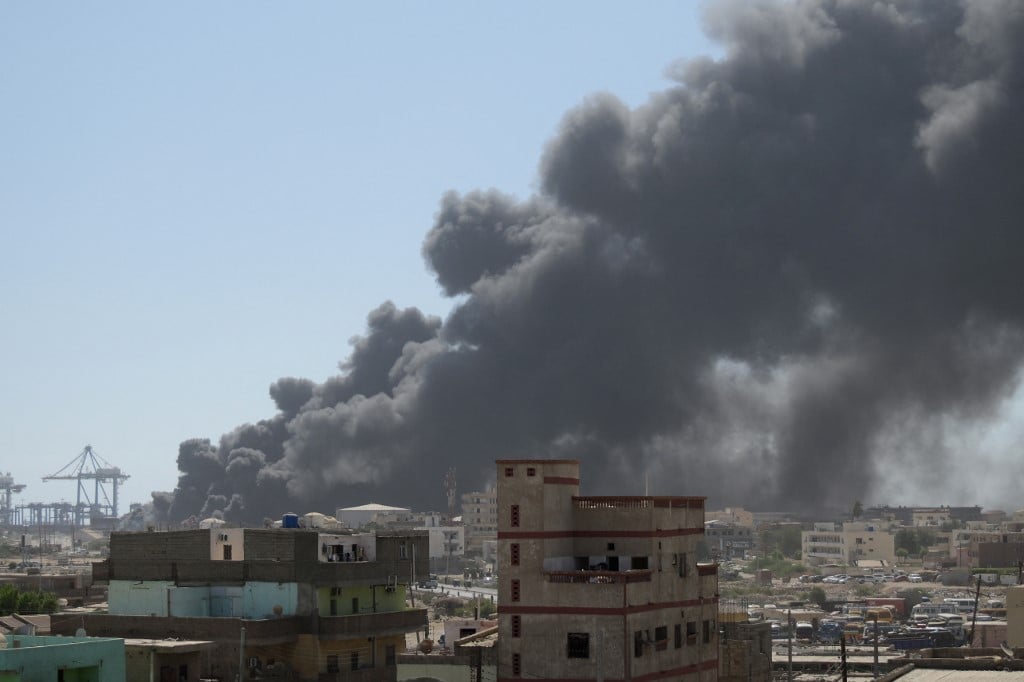
Centrenergo, a state-owned electricity provider serving central and eastern Ukraine, declared that Saturday’s bombardment constituted the most severe assault on its thermal power facilities since the full-scale invasion began. The company reported that an “unprecedented number of missiles and countless drones” targeted two thermal plants that had only recently been restored following previous Russian strikes. Both facilities caught fire, forcing the complete shutdown of electricity generation and leaving hundreds of thousands of residents without power for extended periods.
DTEK, Ukraine’s largest private energy company, confirmed substantial damage to equipment at one of its thermal plants, marking the fourth attack on company facilities since October 2025 alone. The cumulative impact of these repeated strikes has severely degraded Ukraine’s capacity to generate and distribute electricity, forcing authorities to implement rolling blackouts and power outages across multiple regions. Kyiv residents reported electricity outages lasting up to eight hours, with some neighborhoods experiencing intermittent service throughout the weekend.
Ukrenergo, Ukraine’s state-owned transmission system operator, urged consumers to limit power usage and conserve electricity wherever possible. Deputy Energy Minister Svitlana Hrynchuk appeared on state television to appeal directly to citizens, advising them to minimize the use of high-power appliances during peak demand hours. The government has warned that additional conservation measures may become necessary if Russia continues its systematic destruction of energy infrastructure.
The humanitarian toll of the Russia Ukraine war extends far beyond immediate battlefield casualties. United Nations officials estimate that nearly 500,000 military personnel have been killed or wounded since February 2022, with approximately 300,000 Russian and 200,000 Ukrainian soldiers among the casualties. Civilian deaths have reached at least 30,000, according to the UN High Commissioner for Human Rights, though actual figures are believed to be substantially higher due to reporting delays from occupied territories and active combat zones.
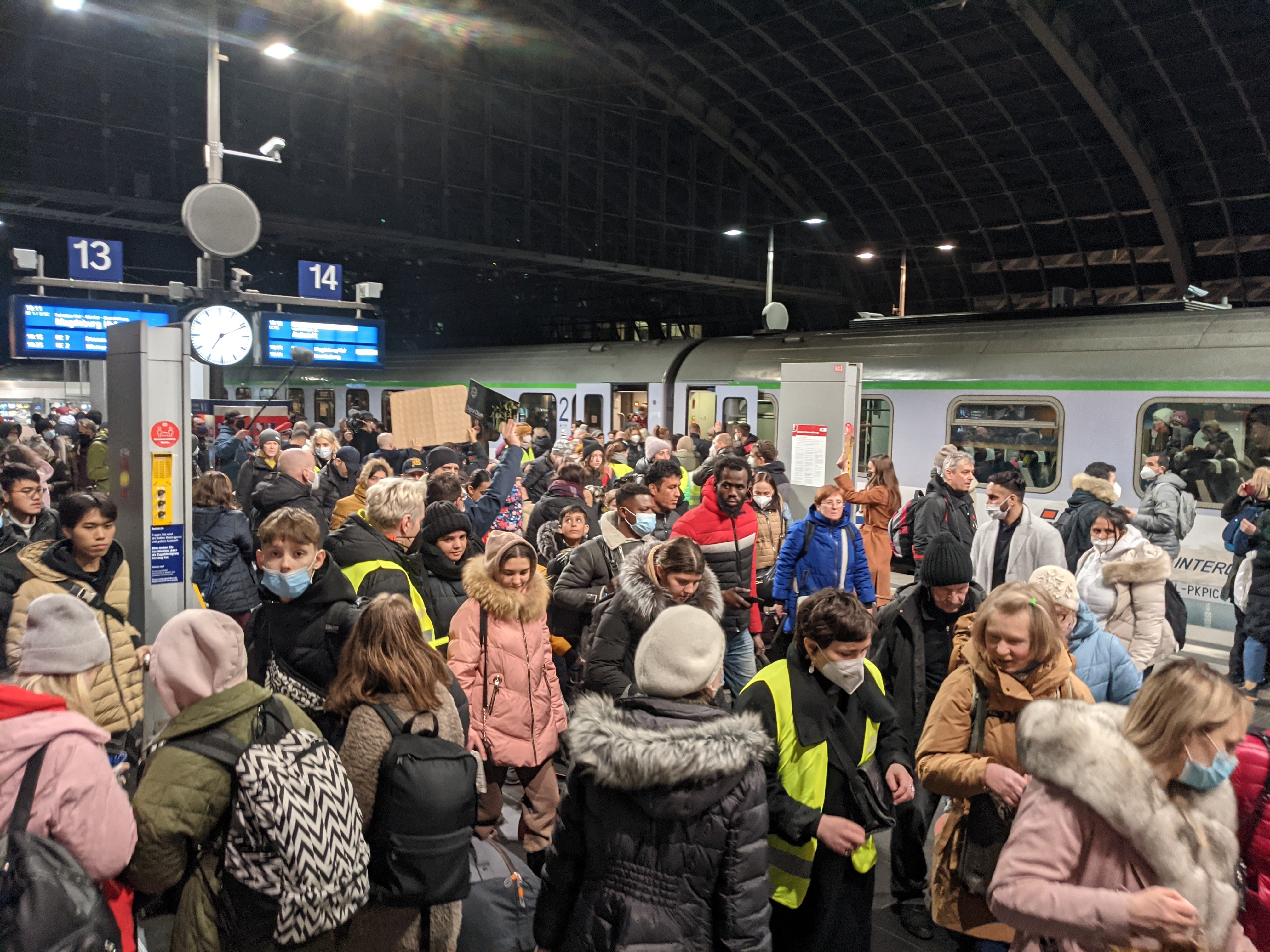
The conflict has triggered one of the largest refugee crises in modern European history, displacing more than 6 million Ukrainians who have fled to neighboring countries and forcing millions more into internal displacement. The mass exodus has strained social services and housing resources across Poland, Germany, Romania, and other European Union member states, testing the limits of continental solidarity with Ukraine.
Diplomatic efforts to end the Russia Ukraine war have encountered significant obstacles despite renewed engagement from the Trump administration. President Donald Trump, who previously claimed he could resolve the conflict “in one day,” has acknowledged the complexity of achieving a lasting peace agreement. After successfully mediating a ceasefire between Israel and Hamas, Trump turned his attention to Ukraine, stating that he anticipated the negotiation process would prove more challenging than initially expected.
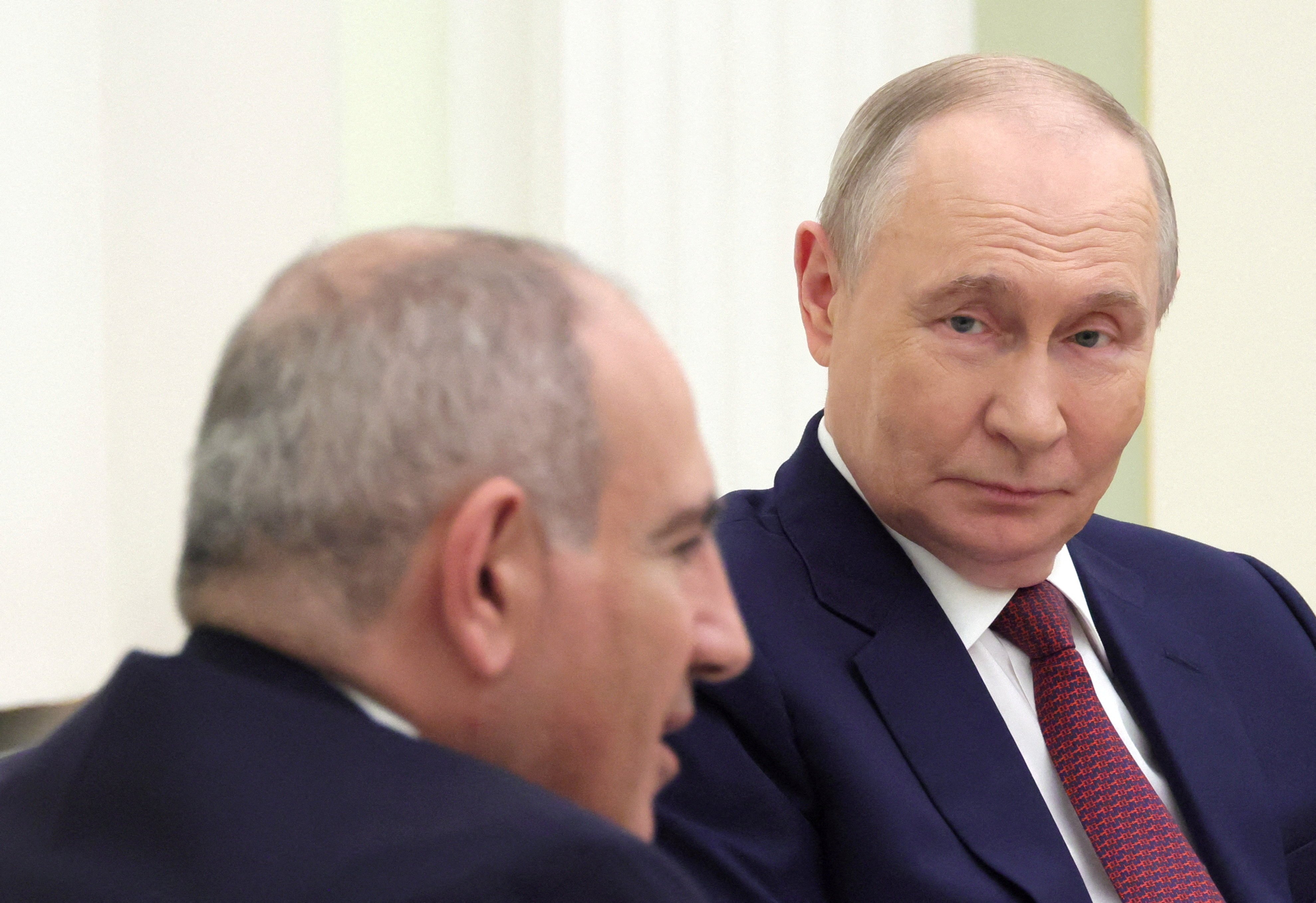
Trump administration officials have prepared additional economic sanctions targeting key sectors of Russia’s economy, including banking and petroleum industries, as leverage to bring President Vladimir Putin to the negotiating table. However, Russian officials have consistently demonstrated reluctance to compromise on territorial gains, particularly regarding the annexed Crimean Peninsula and occupied regions of Donetsk and Luhansk. The Kremlin appears committed to a strategy of prolonged attrition, calculating that time and Ukraine’s depleting resources work in Moscow’s favor.
The Institute for the Study of War, a Washington-based research organization, noted in its November 8 assessment that Russian forces continue to hold the strategic initiative in certain sectors of the eastern front. Moscow has concentrated significant military resources toward capturing the logistically crucial city of Pokrovsk in Donetsk Oblast, a transportation hub that supplies Ukrainian defensive positions across the region. President Zelensky acknowledged that Russia is “going all out” to seize Pokrovsk, reflecting the high stakes attached to this urban center.
European leaders have sought to coordinate their response to the Russia Ukraine war, with particular attention to sustaining military and financial support for Kyiv. The European Union faces internal divisions over proposed measures to confiscate approximately 140 billion euros in frozen Russian assets held in Belgium to finance Ukraine’s 2026 budget. Some member states prioritize economic relationships with Russia and express concern about the precedent of asset seizure, while others argue that extraordinary circumstances justify extraordinary measures.
Hungary, under Prime Minister Viktor Orbán, has emerged as a particularly contentious actor within European councils, maintaining relatively cordial relations with Moscow and occasionally blocking unanimous EU support for Ukraine. The Trump administration has identified Hungarian cooperation as a potential breakthrough in diplomatic efforts, with officials suggesting that convincing Budapest to support Ukraine’s European Union accession would represent a significant strategic achievement for Western interests.
Meanwhile, Moscow has launched its strikes against Ukrainian territory, particularly targeting oil refineries and energy infrastructure that fuel Ukraine’s war machine. Russian special forces have successfully conducted drone operations deep inside Ukraine territory, temporarily disrupting utilities in several border regions and demonstrating Moscow’s capacity for asymmetric warfare. These retaliatory strikes have created a cycle of escalation, with both nations attacking each other’s energy sectors in what analysts describe as a war of mutual attrition.
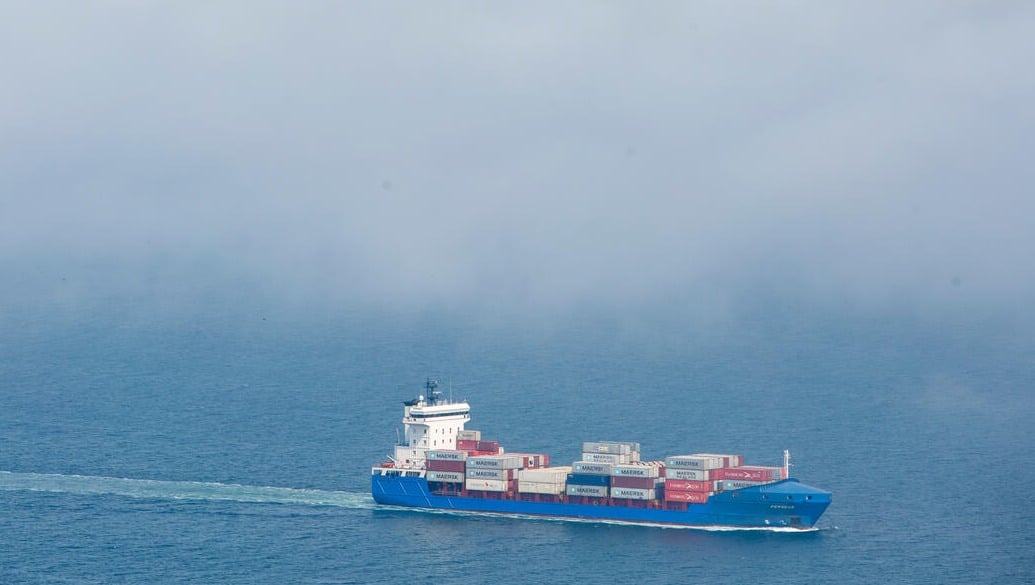
The environmental and economic consequences of the Russia Ukraine war extend well beyond the immediate combat zone. The conflict has disrupted global supply chains, particularly affecting wheat and sunflower oil exports that originate from Ukrainian and Russian agricultural regions. Countries in the Middle East, North Africa, and parts of Asia that depend heavily on these food supplies have experienced price increases and scarcity, raising concerns about food security in already vulnerable populations.
The destruction of industrial facilities, agricultural land, and urban infrastructure has created an estimated reconstruction cost exceeding $400 billion for Ukraine, according to World Bank assessments. Environmental contamination from military operations, including potential damage to nuclear facilities and chemical plants, poses long-term health hazards that may persist for generations. The Zaporizhzhia Nuclear Power Plant, Europe’s largest nuclear facility, remains under Russian occupation, creating ongoing concerns about nuclear safety in an active combat zone.
As winter settles across Eastern Europe, Ukrainian civilians face the prospect of enduring another season of hardship with compromised heating, unreliable electricity, and disrupted water supplies. Twenty-six-year-old Anastasiia Melnyk, a Kyiv resident, described her living situation as “camping indoors,” using a portable gas stove to boil water and relying on power banks to charge essential electronics. Her experience reflects the resilience and adaptation that have become hallmarks of Ukrainian civilian life under sustained Russian bombardment.
The Russia Ukraine war has fundamentally reshaped European security architecture and exposed vulnerabilities in international conflict resolution mechanisms. The failure of diplomatic engagement to produce meaningful progress toward peace has raised questions about the effectiveness of economic sanctions and military aid as tools for influencing authoritarian regimes. As the conflict approaches its fourth year, both nations appear locked in a struggle of wills, with neither side demonstrating willingness to make the territorial or political concessions necessary for a comprehensive settlement.
The international community continues to watch as the humanitarian crisis deepens and the prospect of a “frozen conflict” becomes increasingly likely. Military analysts suggest that without a dramatic shift in battlefield dynamics or political calculations in Moscow or Kyiv, the Russia Ukraine war may persist indefinitely as a low-intensity conflict punctuated by periodic escalations. For the millions of Ukrainians caught between their government’s determination to resist and Russia’s refusal to withdraw, the immediate future promises continued uncertainty, danger, and sacrifice.