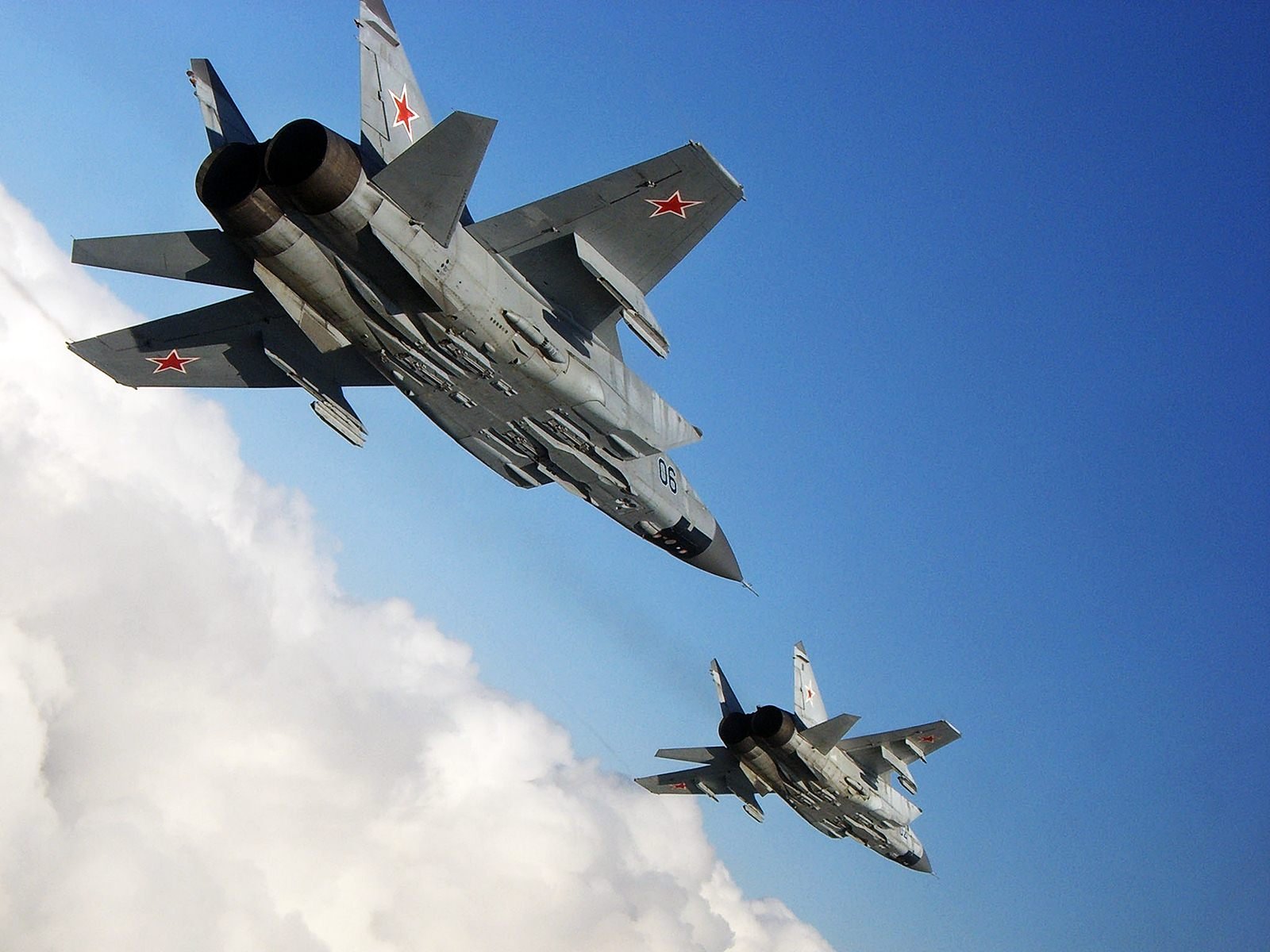
Russia’s Federal Security Service announced Tuesday that it successfully disrupted what it described as a sophisticated Anglo-Ukrainian intelligence operation designed to hijack a MiG-31 supersonic fighter jet equipped with one of Moscow’s most advanced weapons systems. The FSB claims that operatives from Ukraine’s Main Intelligence Directorate, working alongside British intelligence services, particularly MI6 and GCHQ, attempted to recruit Russian military pilots with offers reaching three million dollars to defect with the prized aircraft armed with a Kinzhal hypersonic missile to a NATO facility in Romania.
The alleged plot represents the latest chapter in an escalating shadow war between Russian security services and Western-backed Ukrainian intelligence operations that has intensified since the invasion began in February 2022. According to statements released by the Federal Security Service and broadcast on state television channel Rossiya 24, the operation sought to lure Russian pilots with extraordinary financial incentives and promises of Western citizenship for their families, primarily in Baltic states, in exchange for delivering the cutting-edge military technology directly into NATO hands.
The FSB characterized the operation as a “large-scale provocation” orchestrated by Ukrainian military intelligence with direct supervision from British security services. State media outlets published what they claimed were audio recordings of Ukrainian intelligence officers briefing a targeted Russian pilot on the technical specifics of executing the hijacking, including optimal altitude, speed parameters, and flight trajectory toward the Mihail Kogălniceanu Air Base near Constanta, Romania, the largest NATO installation in southeastern Europe and a critical strategic hub for alliance operations in the Black Sea region.
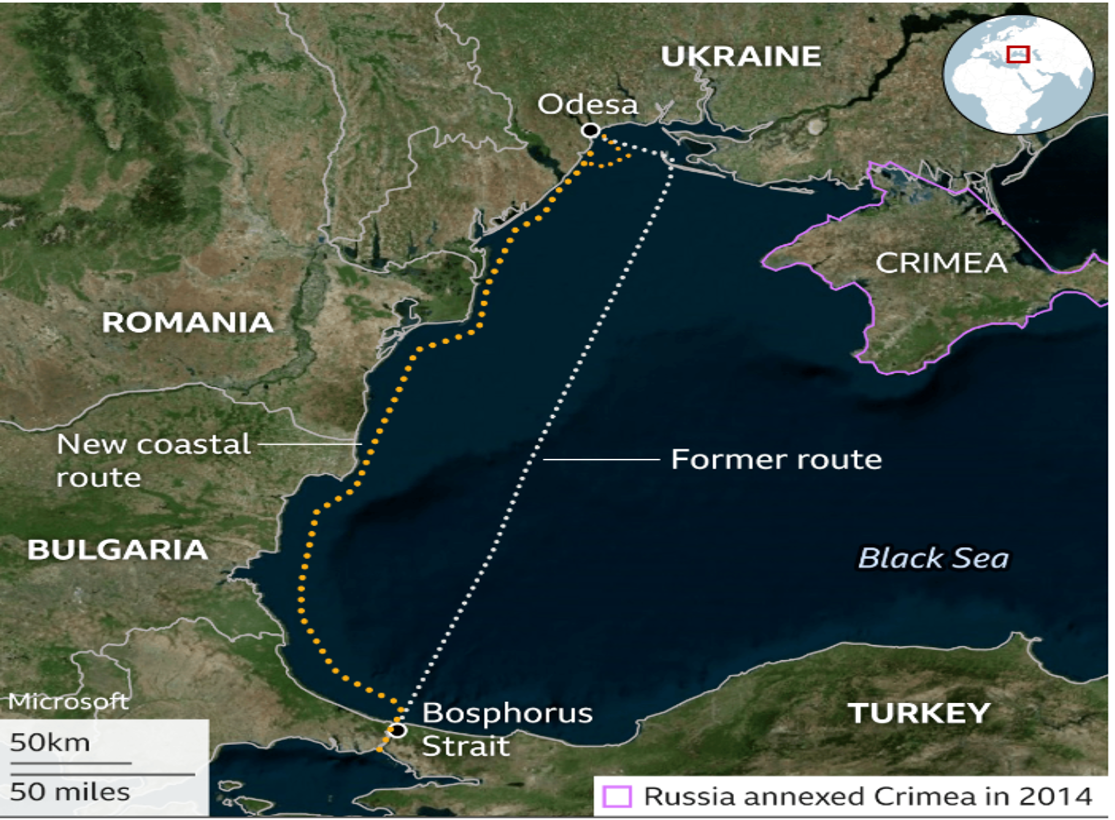
Russian authorities allege that once the MiG-31 crossed into Romanian airspace, the plan called for NATO air defense systems to shoot down the aircraft, creating an international incident that could be weaponized as evidence of Russian military aggression against alliance territory. The FSB statement emphasized that measures taken by Russian counterintelligence successfully “thwarted the Ukrainian and British intelligence services’ plans” before any operational phase could commence, though specifics about how the plot was uncovered or what actions were taken against those allegedly involved remain undisclosed.
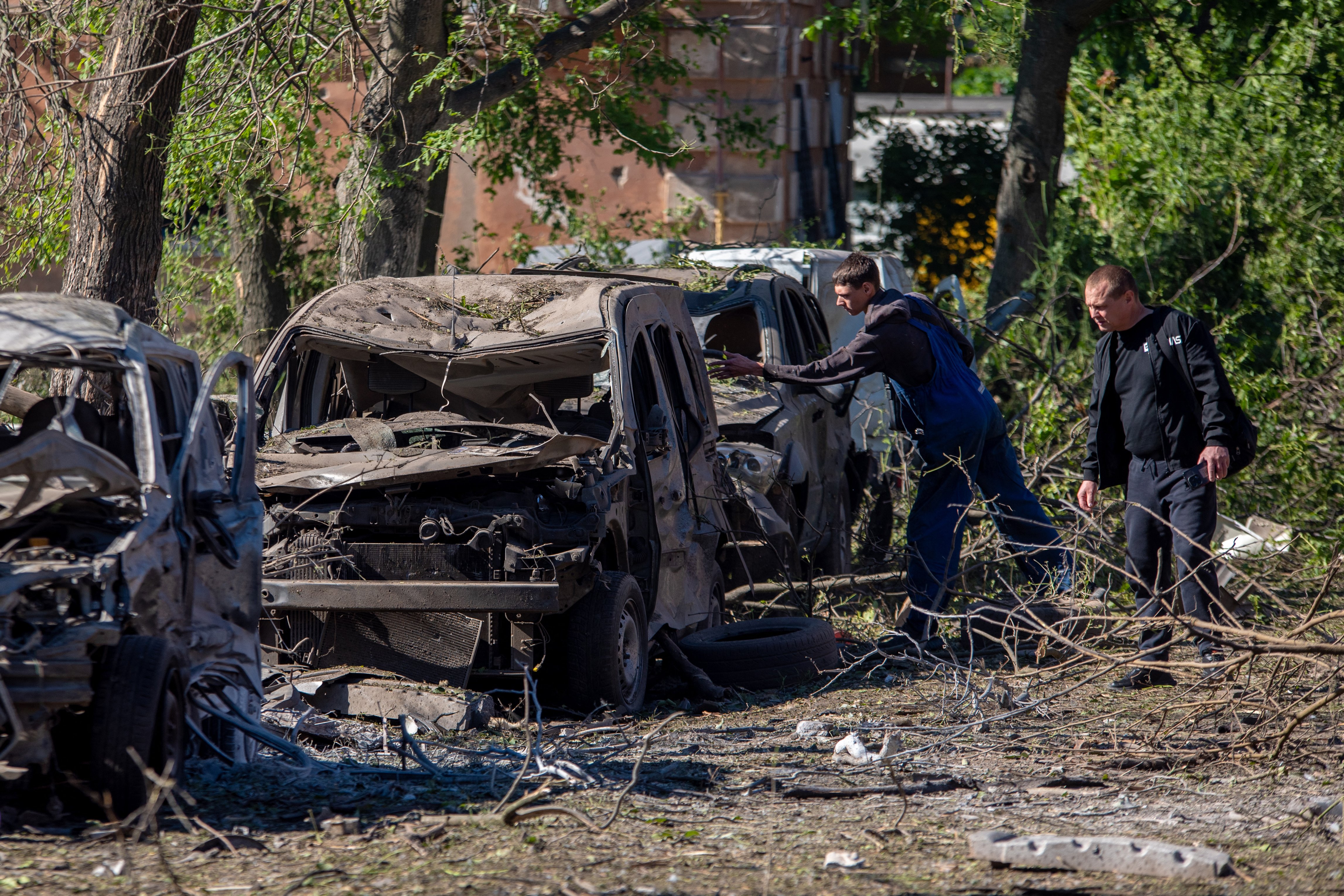
In what Moscow framed as retaliation for the attempted hijacking operation, Russian Aerospace Forces conducted precision strikes against Ukrainian military intelligence facilities shortly after the FSB announcement. The Defense Ministry stated that tactical aviation units, along with attack drones and long-range precision weaponry, targeted infrastructure belonging to Ukraine’s Main Intelligence Directorate in multiple locations, claiming to have successfully struck facilities where such operations against Russian military personnel are planned and coordinated, though independent verification of these claims has not been possible.
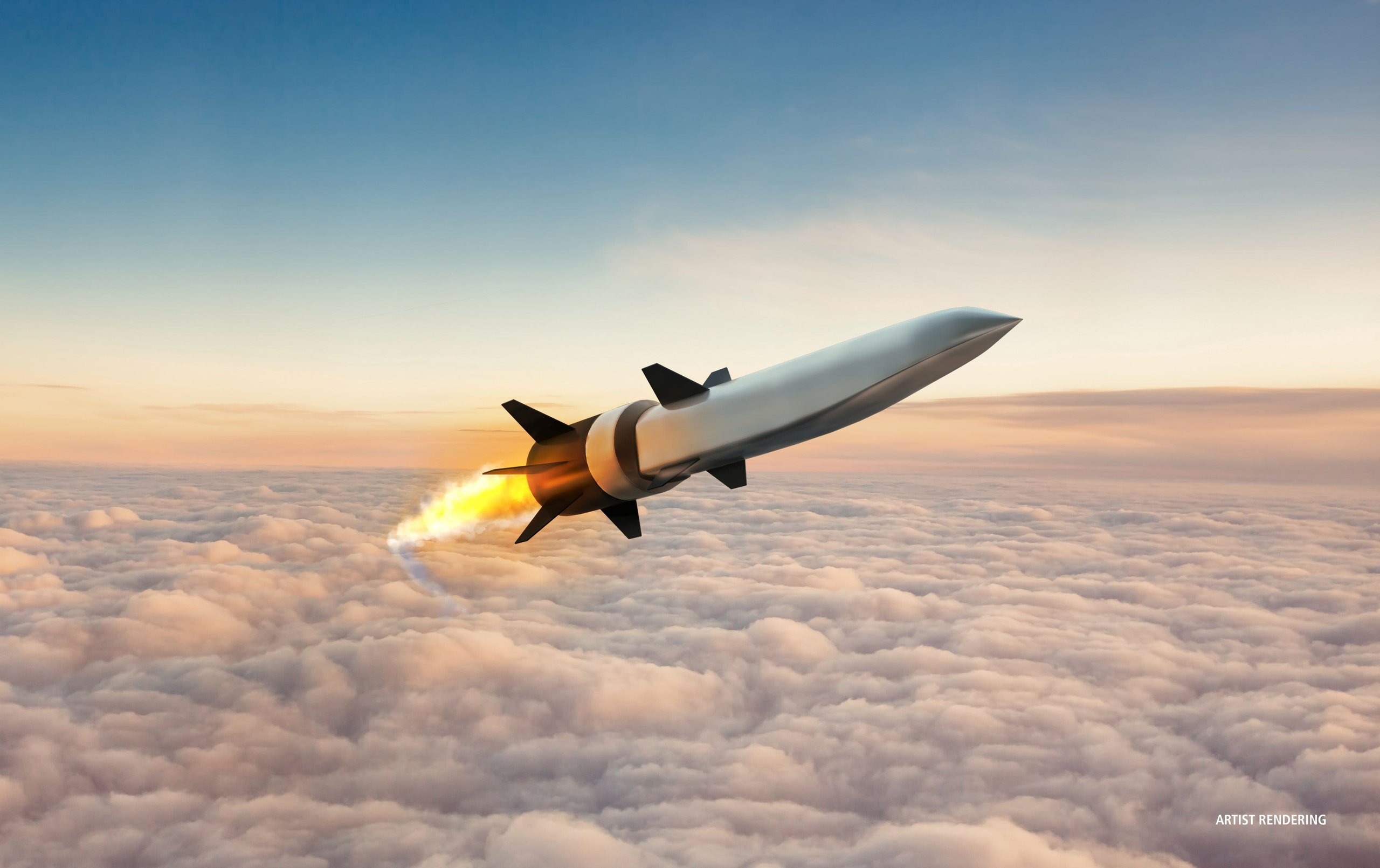
The MiG-31 interceptor at the center of this alleged operation represents one of Russia’s most formidable air combat platforms, capable of reaching speeds exceeding Mach 2.8 and operating at altitudes up to 20 kilometers, making it the primary delivery vehicle for the Kinzhal air-launched ballistic missile system. The Kinzhal, whose name translates to “dagger” in Russian, can achieve speeds estimated at Mach 10, approximately 12,000 kilometers per hour, with a reported operational range exceeding 2,000 kilometers when launched from high altitude, giving it the kinetic energy to penetrate most existing missile defense systems through sheer velocity and maneuverability during its terminal phase.
Western military analysts have expressed intense interest in obtaining detailed intelligence on the Kinzhal system since its combat debut in Ukraine, where Russia has deployed the weapon against high-value strategic targets including ammunition depots, command centers, and critical infrastructure throughout the conflict. While Ukrainian forces claim to have successfully intercepted Kinzhal missiles using advanced Western air defense systems including Patriot batteries, the acquisition of an intact missile along with its carrier aircraft would provide unprecedented technical intelligence on propulsion systems, guidance mechanisms, warhead design, and countermeasure capabilities that currently remain largely opaque to NATO intelligence services.
The timing of Russia’s announcement carries significant weight given the historical precedent of successful defections that have previously embarrassed Moscow and provided valuable intelligence windfalls to Western powers. In August 2023, Russian military helicopter pilot Maxim Kuzminov executed a carefully planned defection, flying his Mi-8 helicopter across battle lines into Ukrainian-controlled territory in an operation coordinated by Ukrainian military intelligence that netted Kyiv both valuable intelligence and a significant propaganda victory, though Kuzminov was later found dead in Spain in February 2024 under circumstances that Spanish authorities treated as suspicious and potentially linked to Russian security services.
The defection playbook that Ukrainian intelligence has successfully employed involves extensive psychological profiling, establishment of secure communication channels, detailed logistical planning for extraction, and substantial financial incentives combined with guarantees of protection and citizenship for defectors and their immediate family members. These operations have yielded significant intelligence dividends throughout the conflict, providing Ukraine with detailed information about Russian military capabilities, command structures, operational planning, and internal morale challenges that have proven invaluable for both tactical battlefield decisions and broader strategic planning in coordination with Western intelligence partners.
British intelligence services, particularly MI6 and GCHQ, have developed extensive operational partnerships with Ukrainian counterparts since the 2014 annexation of Crimea, providing training, equipment, technical expertise, and direct operational support for intelligence gathering and covert operations targeting Russian military assets both within Ukraine and inside Russian territory itself. Western intelligence officials, speaking on condition of anonymity in previous reports, have acknowledged that this cooperation has intensified dramatically since the full-scale invasion, with British operatives providing critical support for Ukrainian operations that have included sabotage attacks, targeted assassinations of collaborators, and attempts to recruit Russian military personnel with access to sensitive information or strategic weapons systems.
Moscow has consistently accused Britain of serving as the primary architect of what it characterizes as terrorist operations conducted by Ukrainian intelligence services, pointing to attacks on Russian infrastructure including the Nord Stream pipeline explosions, drone strikes on military facilities deep within Russian territory, and alleged assassination attempts against senior military and political figures. British officials have neither confirmed nor denied specific operational involvement, maintaining that their support for Ukraine remains within the bounds of international law and represents legitimate assistance to a sovereign nation defending itself against unprovoked aggression, while Russian accusations constitute propaganda designed to deflect attention from Moscow’s own extensive intelligence operations throughout Europe.
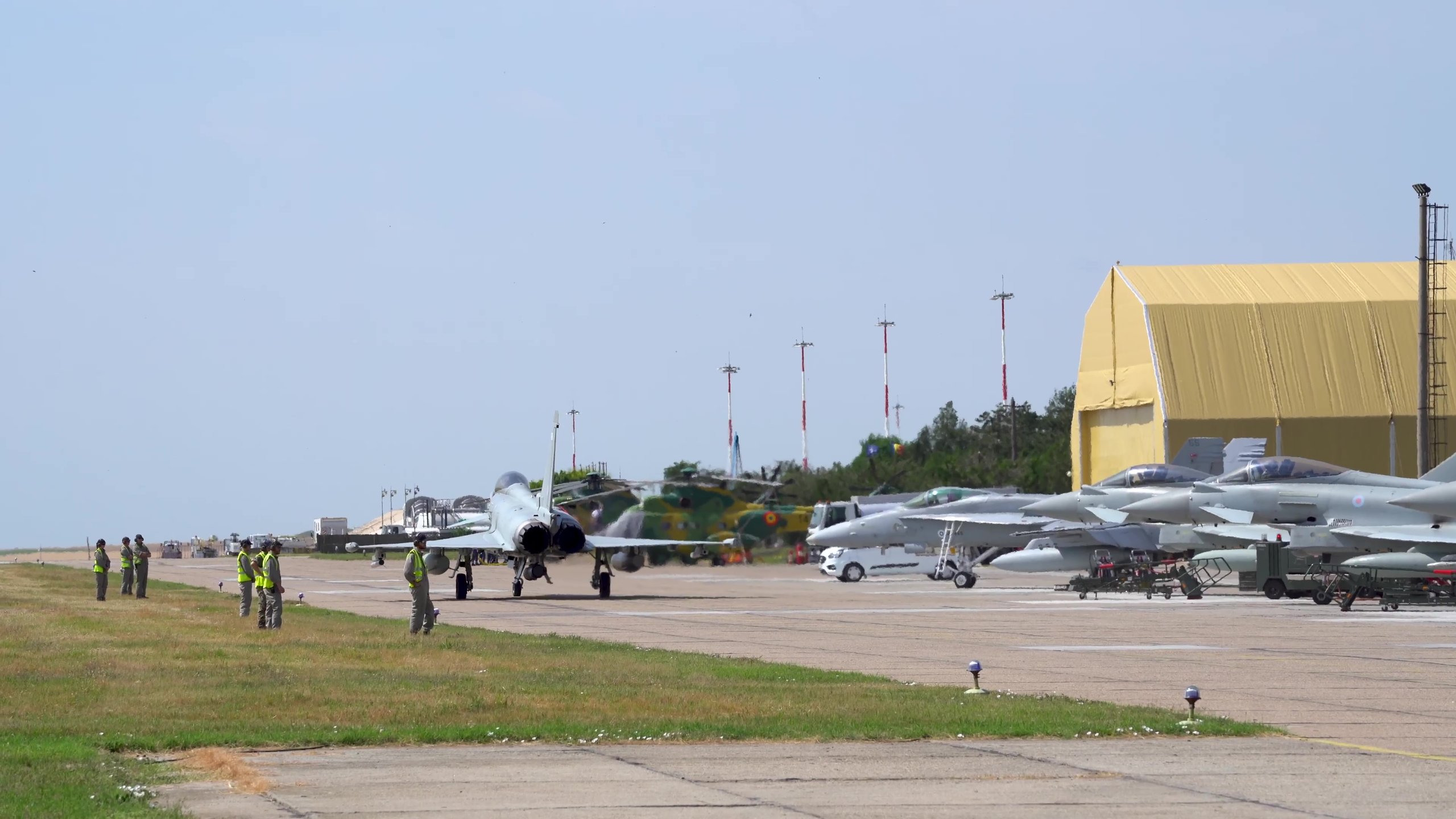
The strategic value of the Constanta NATO base in this alleged operation cannot be overstated, as the Romanian facility has emerged as a critical hub for alliance logistics, intelligence collection, and air defense operations throughout the Black Sea region since Russia’s invasion intensified. The base underwent substantial expansion beginning in 2024, with significant investment in infrastructure capable of supporting advanced fighter aircraft, reconnaissance platforms, and integrated air defense systems that provide coverage extending well into the Black Sea operational theater, making it an ideal destination for a defecting aircraft carrying sensitive technology that NATO intelligence services would prioritize for immediate technical exploitation.
Romania’s geographic position bordering both Ukraine and the Black Sea makes its territory strategically vital for NATO operations supporting Ukrainian defense efforts, including logistics corridors for weapons transfers, intelligence gathering platforms monitoring Russian military activities, and potential staging areas for evacuation or defection operations involving Russian military personnel seeking to cross into alliance territory. The Mihail Kogălniceanu base specifically has been designated for significant development under NATO infrastructure programs, with alliance members investing in facilities designed to accommodate increased rotational presence of combat aircraft, ground forces, and intelligence assets as part of the defensive posture along NATO’s eastern flank.
Russian counterintelligence services have intensified their focus on preventing defections and protecting sensitive military technology since the war began, implementing stricter security protocols around strategic weapons systems, enhanced surveillance of military personnel with access to classified systems, and aggressive counterintelligence operations designed to identify and neutralize recruitment attempts by Ukrainian and Western intelligence services. The FSB has announced numerous cases of foiled Ukrainian intelligence operations over the past three years, though Western analysts often treat these announcements with skepticism, noting that such claims serve important domestic propaganda purposes in portraying Russian security services as vigilant defenders against Western plots targeting the motherland.
The use of substantial financial incentives in recruitment operations represents standard tradecraft for intelligence services worldwide, with sums in the millions of dollars considered reasonable for obtaining access to strategic weapons systems that would cost billions to develop independently and provide intelligence advantages that could influence military planning, weapons development, and strategic calculations for years or decades. Ukrainian intelligence services, despite operating with significantly smaller budgets than major Western agencies, have demonstrated remarkable creativity and operational effectiveness in recruitment operations, leveraging patriotic appeals to ethnic Ukrainians serving in Russian forces, exploiting morale problems and corruption within Russian military ranks, and providing credible guarantees of protection backed by Western partners.
Independent verification of the FSB’s claims remains impossible given the classified nature of intelligence operations, the controlled information environment within Russia where state media dominates narratives surrounding security matters, and the absence of any acknowledgment from Ukrainian or British authorities who typically maintain operational security by neither confirming nor denying specific intelligence activities. Western intelligence analysts note that while Ukraine certainly has strong motivation to acquire Russian advanced weapons systems for both intelligence exploitation and propaganda value, the operational challenges of successfully extracting a frontline combat aircraft piloted by a defecting crew member involve extraordinary complexity and risk that make such operations difficult to execute even when recruitment efforts succeed.
The broader context of this incident reflects the intensifying intelligence war being waged parallel to conventional military operations in Ukraine, where both sides employ extensive human intelligence networks, technical surveillance capabilities, cyber operations, and psychological warfare campaigns designed to identify vulnerabilities, recruit sources, compromise security, and obtain strategic advantages that can influence battlefield outcomes. Ukrainian intelligence has proven remarkably effective at conducting operations that would typically require resources and capabilities associated with major powers, leveraging extensive Western support, deep knowledge of Russian systems and personnel, and operational boldness that has repeatedly caught Moscow off guard despite Russia’s historically formidable security services.
The publication of alleged audio recordings by Russian state media purporting to show Ukrainian intelligence officers discussing operational details with a targeted pilot represents a calculated information operation designed to serve multiple purposes simultaneously—demonstrating FSB competence and vigilance to domestic audiences, warning Russian military personnel about the consequences of considering defection, signaling to Ukraine and Western intelligence services that their operations are being monitored and disrupted, and providing justification for retaliatory strikes against Ukrainian intelligence infrastructure that might otherwise face international criticism.
As the conflict in Ukraine enters its fourth year with no resolution in sight, the intelligence dimensions of the war continue to evolve and intensify, with both sides seeking every possible advantage through espionage, sabotage, and covert operations that extend far beyond traditional battlefield engagements. The alleged hijacking plot, whether completely accurate as described by Russian authorities or embellished for propaganda purposes, reflects the high-stakes nature of the intelligence war where advanced weapons systems, technical secrets, and human sources represent prizes worth extraordinary risks and resources to obtain, while security services on both sides work constantly to protect their assets and exploit opportunities to compromise their adversaries.
The international implications of confirmed successful hijacking of a Kinzhal-armed MiG-31 to NATO territory would have been profound, potentially providing alliance intelligence services with technical data on one of Russia’s most advanced strategic weapons while simultaneously delivering a devastating propaganda blow to Moscow’s military prestige and raising serious questions about the security surrounding Russia’s most sensitive weapons systems. Such a scenario would have represented an intelligence coup comparable to some of the most significant defections of the Cold War era, when Soviet pilots who flew cutting-edge aircraft to the West provided invaluable technical intelligence that influenced Western military development and strategic planning for years afterward.
The ongoing shadow war between Russian and Ukrainian intelligence services, increasingly involving direct participation by Western agencies, shows no signs of diminishing even as conventional military operations along the front lines have settled into attritional warfare with neither side achieving decisive breakthroughs. These covert operations, ranging from assassination and sabotage to recruitment and technology theft, represent a parallel dimension of the conflict where victories and defeats often remain hidden from public view but can produce strategic consequences that ultimately influence the trajectory of the broader war and the security landscape of Europe for years to come.