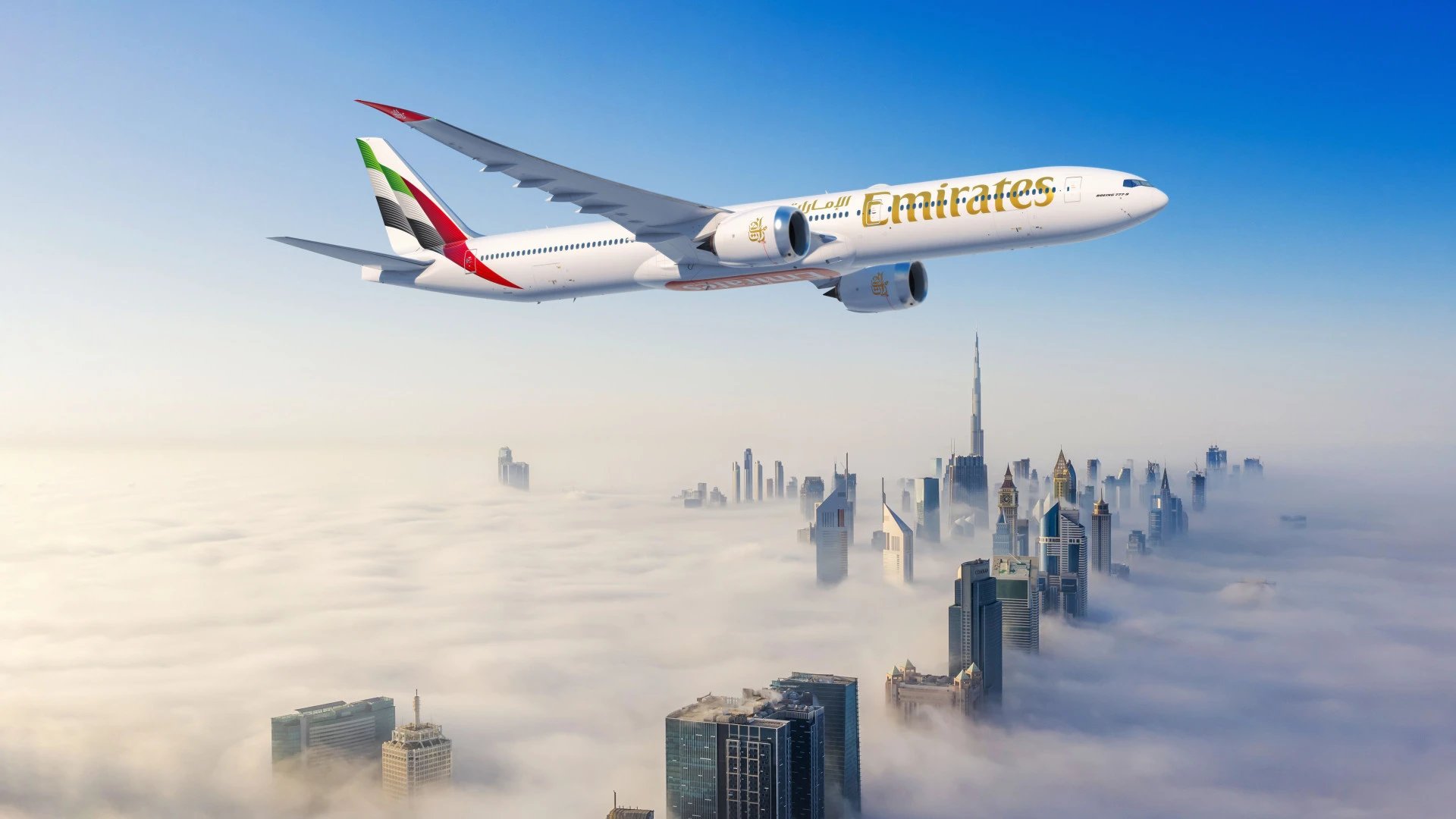
The 2025 Dubai Air Show, marking the biennial aerospace spectacle in the United Arab Emirates, opened amidst a flurry of significant developments that highlight the critical role of Dubai as a strategic East-West aviation hub. This year, the event saw emirate flagships Emirates and FlyDubai poised for substantial fleet expansions, fueled by record earnings and surging passenger demand. The air show also became a stage for futuristic innovations, geopolitics, and military muscle displays underscoring the complex dynamics shaping the region’s aerospace and defense landscape.
Emirates, Dubai’s state-owned flagship carrier, entered the show riding a wave of remarkable financial success. Having posted a record $5.2 billion annual profit in the previous fiscal year, Emirates reaffirmed its ambition to maintain dominance over the world’s busiest international airport, Dubai International Airport. Central to its forward-looking strategy is a colossal new Boeing 777-9 aircraft order valued at approximately $38 billion, announced amid intense industry speculation. This fresh acquisition signals Emirates’ commitment to modernizing and expanding its long-haul fleet to enhance global connectivity and passenger experience. See also our detailed story on Emirates fleet expansion.
The airline’s sister carrier, FlyDubai, is also eyeing growth with plans to broaden its fleet of single-aisle jets. Currently operating 95 Boeing 737 variants, FlyDubai aims to diversify its procurement with potential Airbus acquisitions, a move that could disrupt its primarily Boeing-centric fleet composition. The airline’s prior air show order included $11 billion for 30 Boeing 787-9 Dreamliners, which will mark its debut into wide-body aircraft operations once delivered, reflecting FlyDubai’s transformation into a more versatile long-haul operator capable of connecting new markets. FlyDubai fleet expansion efforts remain central to its growth strategy.
Concomitant with the airlines’ fleet ambitions is Dubai’s enormous $35 billion expansion of Al Maktoum International Airport, located at Dubai World Central. This multi-decade infrastructure project plans to add five parallel runways and 400 aircraft gates, dramatically increasing the airport’s capacity from two runways presently. This expansion is designed to accommodate the anticipated growth in traffic and bolster Dubai’s status as a pre-eminent global transit point, providing the requisite operational slots for Emirates and FlyDubai’s burgeoning route networks. More on global aviation hubs, including the Middle East aviation surge.
Parallel to commercial aviation developments, the Dubai Air Show spotlighted groundbreaking advancements in aerial mobility with a renewed focus on flying taxis. The sheikhdom, a longtime advocate of futuristic urban air transport, aims to launch its first flying taxi services by 2026, an ambitious move that aligns with Dubai’s broader vision of innovation-led growth. The show featured cutting-edge electric vertical takeoff and landing (eVTOL) aircraft, illustrating a tangible step toward integrating these vehicles in city skies within the next year. This aligns with reports on Dubai flying taxi launch 2026 and our own coverage on flying taxi developments.
On the defense front, the show underscored geopolitical complexities with Russia’s Rosoboronexport prominently participating despite Western sanctions tied to Moscow’s protracted war in Ukraine. The Russian state arms exporter unveiled a sprawling pavilion showcasing advanced aircraft and weapon systems, including a full-scale Pantzir-SMD-E surface-to-air missile system. The rise in regional air defense concerns, exacerbated by hostile engagements such as Qatar’s attacks by Israel and Iran, elevates the significance of such military displays. Details of the massive Rosoboronexport defense display are available publicly.
Contrastingly, Israeli companies remained absent this year, boycotting the event in protest over the devastating Israel-Hamas conflict in Gaza. This hiatus reflects the enduring tension and fallout from recent violent clashes that complicated diplomatic and commercial interactions within the Middle East’s aerospace sector. Meanwhile, Dubai maintains robust economic and aviation ties with Moscow, demonstrating a pragmatic stance by continuing flights and trade despite international pressures. Additional context on regional military balance and Israel air defense systems can be found through Bloomberg’s recent reports.
Overall, the 2025 Dubai Air Show vividly encapsulates the dual priorities of technological advancement and geopolitical calculation. With Emirates and FlyDubai’s fleet expansions, the massive airport upgrade, and futuristic aerial taxi initiatives, Dubai is reaffirming its vision as a pioneering aviation hub. Meanwhile, the military hardware on display, set against a backdrop of ongoing regional conflict, emphasizes the intertwined nature of aerospace innovation and security considerations shaping the Middle East’s future.
As passenger volumes hit unprecedented levels at Dubai International Airport, the success of this show will prove pivotal for both commercial and defense sectors targeting growth in an uncertain global landscape. The event underlines Dubai’s strategic positioning at the crossroads of commerce, technology, and politics, providing a focal point for stakeholders navigating the rapidly evolving aerospace ecosystem.