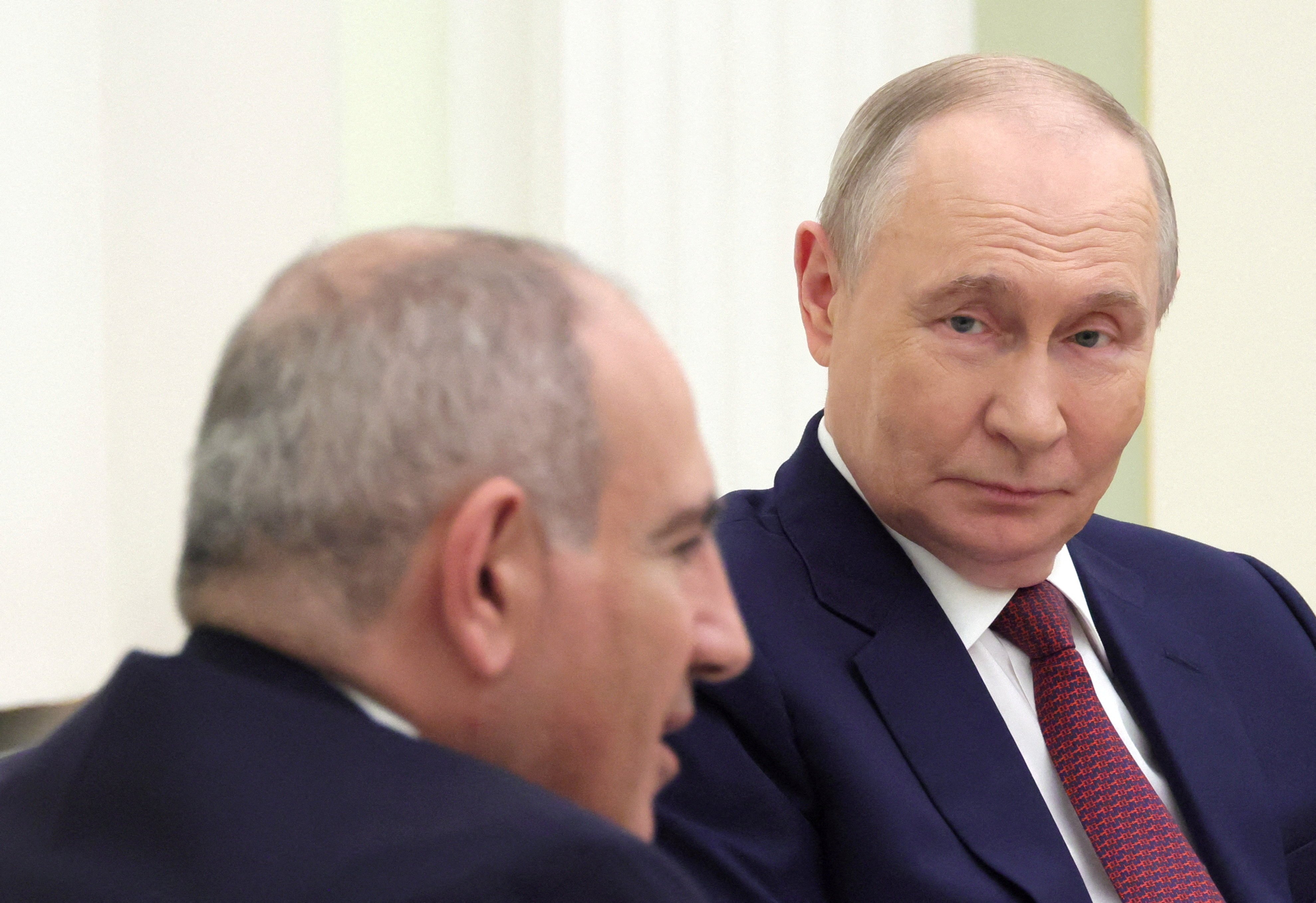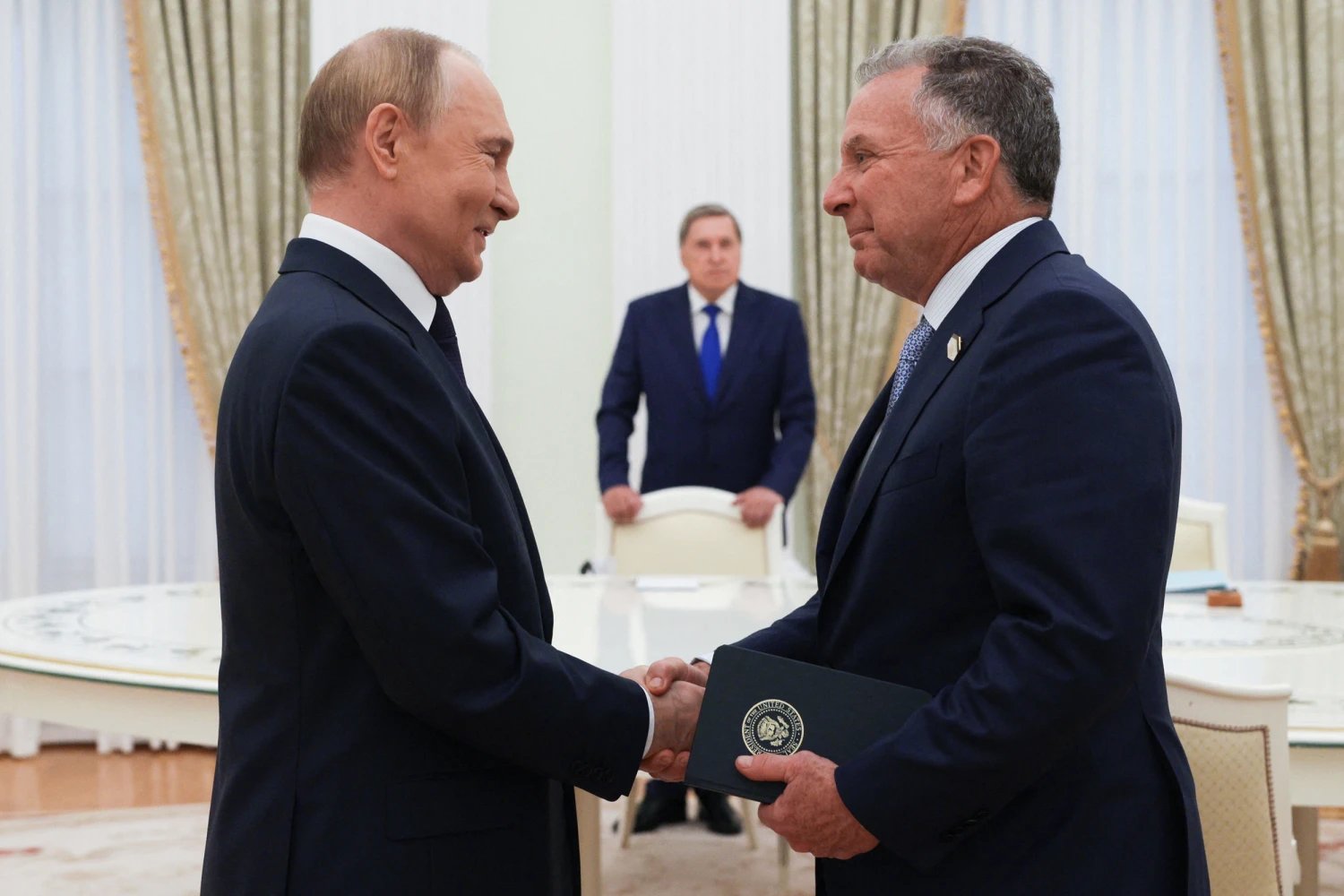
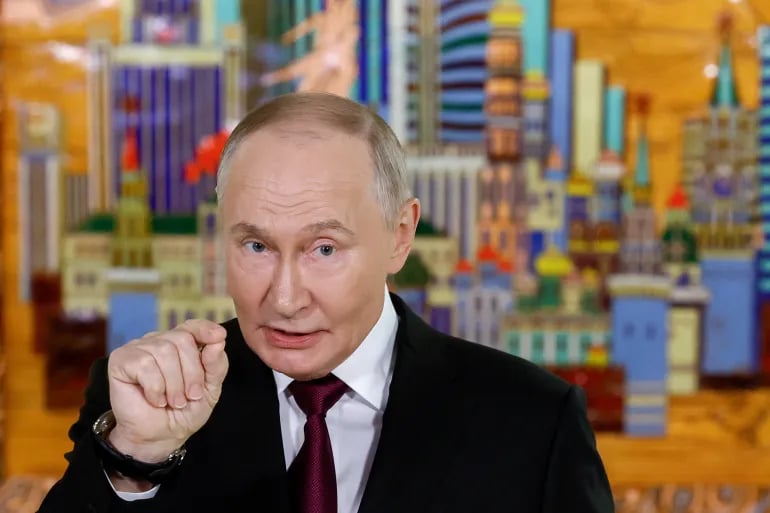
Russian President Vladimir Putin issued a stark warning to European powers on December 2, declaring Moscow is prepared for war if the continent seeks confrontation, as high-stakes diplomatic negotiations with US envoys commenced in the Kremlin, According to BBC. The provocative statement came hours before Trump’s special envoy Steve Witkoff and senior advisor Jared Kushner arrived in Moscow to discuss potential pathways to ending the nearly four-year Russia Ukraine war that has devastated Ukraine and reshaped global geopolitics.
Putin’s Bellicose Message to Europe
Speaking ahead of the crucial diplomatic meeting, Putin accused European leaders of deliberately sabotaging American-led peace initiatives and undermining efforts to negotiate an end to the war. The Russian president’s comments reflected growing tensions between Moscow and Brussels as the conflict enters its 1377th day with no clear resolution in sight.
Putin specifically claimed that European nations were obstructing negotiations because they preferred continued military engagement over diplomatic solutions. His remarks underscored the deepening rift between Russia and Western Europe, even as Washington attempts to broker peace talks under the incoming Trump administration.
The timing of Putin’s warning appeared calculated to project strength before sitting down with American negotiators, demonstrating Moscow’s unwillingness to appear weak or desperate for peace. Political analysts suggest the Russian leader was positioning himself to extract maximum concessions from any potential agreement while simultaneously testing European resolve.
Trump Envoys Arrive for Critical Moscow Talks
Steve Witkoff, President-elect Donald Trump’s Middle East envoy, arrived in Moscow alongside Jared Kushner for what sources described as the most significant diplomatic engagement between Washington and Moscow since the war began in February 2022. The meeting represents Trump’s campaign promise to swiftly end the Ukraine conflict, though details of any proposed peace framework remain closely guarded.
Ukrainian President Volodymyr Zelenskyy revealed that Kiev and Washington have reworked an original 28-point peace roadmap into a new 20-point agreement following recent consultations. Zelenskyy stated he expects swift updates following the Moscow discussions and declared his readiness to meet with President Trump directly to advance negotiations.
The diplomatic push comes amid reports that Russia has intensified military operations across multiple fronts in eastern Ukraine, apparently seeking to maximize territorial gains before any potential ceasefire takes effect. Western intelligence officials have warned that Moscow typically escalates military pressure during peace negotiations to strengthen its bargaining position.
Battlefield Developments and Military Claims
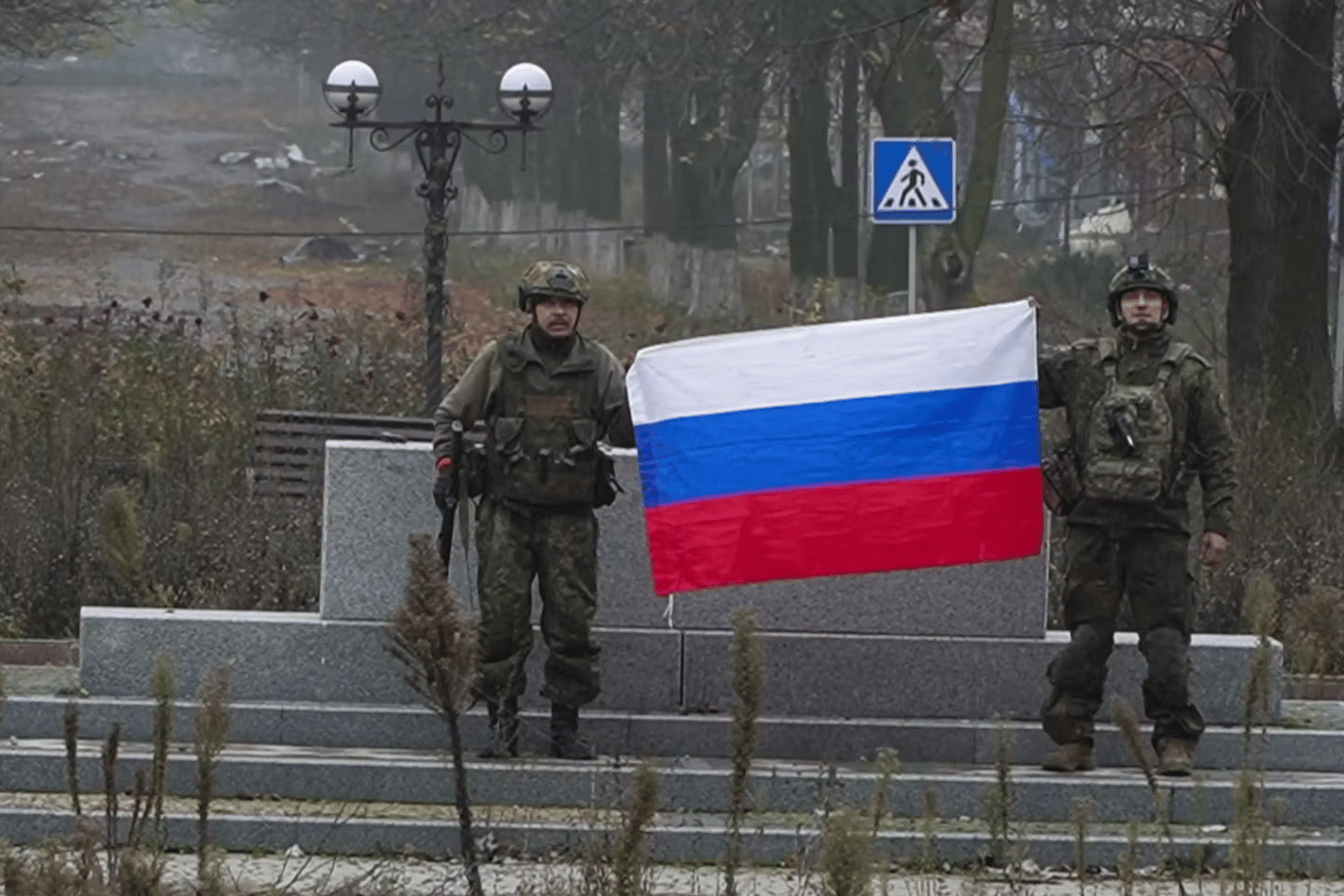
The Kremlin announced that Russian forces have captured the strategically important cities of Pokrovsk and Vovchansk in eastern Ukraine, claims that Kiev has sharply contested as propaganda. Ukrainian officials warned that Moscow was launching a deliberate misinformation campaign ahead of peace talks to create the false impression of overwhelming Russian military success.
Pokrovsk has been a key target for Russian forces due to its importance as a logistics hub for Ukrainian military operations in the Donetsk region. Military analysts note that control of the city would significantly disrupt Ukrainian supply lines and potentially allow Russian troops to advance toward other strategic settlements.
Ukrainian military intelligence reported successful drone strikes against Russian air defense systems in occupied Donbas on December 2, destroying an S-300 SAM launcher and two radar stations. The strikes demonstrate Ukraine’s continuing ability to conduct precision operations against high-value Russian military assets despite Moscow’s numerical advantages.
Escalating Drone Warfare
The conflict has witnessed unprecedented drone warfare, with both sides deploying thousands of unmanned aerial vehicles for reconnaissance, strikes, and air defense. Ukraine’s Air Force reported that Russia launched 89 Shahed and Gerbera strike drones from five different directions on the night of December 1, with Ukrainian air defenses intercepting approximately 55 of them.
Ukrainian forces have responded with their own deep-strike drone operations, targeting Russian energy infrastructure and military facilities far behind front lines. These operations have included attacks on oil refineries in the Oryol region and even facilities in Chechnya, demonstrating Kiev’s expanding strike capabilities.
Russia’s Defense Ministry claimed its air defense systems shot down 45 Ukrainian drones across eight regions overnight, including annexed Crimea and the Black Sea. The escalating drone exchanges have become a defining characteristic of the conflict, with both nations investing heavily in unmanned systems technology.
International Diplomatic Pressures
The Moscow talks occur against a backdrop of mounting international pressure for a negotiated settlement as the war grinds into its fourth year with no military breakthrough for either side. European leaders have expressed deep skepticism about Trump administration peace proposals, fearing any agreement might legitimize Russian territorial conquests and undermine European security architecture.
NATO allies remain divided over how to respond to American diplomatic initiatives, with some Eastern European nations adamantly opposing any deal that would reward Russian aggression. The alliance faces difficult questions about future security guarantees for Ukraine and whether any peace agreement can be durable without ironclad protections against renewed Russian attacks.
Putin’s warning to Europe highlighted Moscow’s calculation that divisions between Washington and Brussels could be exploited to Russia’s advantage in negotiations. The Kremlin has consistently sought to drive wedges between transatlantic allies, hoping to weaken unified Western support for Ukraine’s defense.
Humanitarian and Strategic Stakes
As diplomatic maneuvering intensifies, the human cost of the conflict continues to mount, with at least six people killed and 70 injured in Russian attacks between December 1 and December 2 alone. Civilian infrastructure remains a frequent target of Russian strikes, particularly energy facilities as winter approaches and temperatures plummet across Ukraine.
The battlefield situation remains fluid, with Russian forces maintaining numerical superiority but facing determined Ukrainian resistance and increasingly sophisticated defensive tactics. Ukrainian military commanders have warned of deteriorating defensive positions in some sectors, particularly near Pokrovsk, where Russian forces have deployed over 110,000 personnel for potential offensive operations.
The outcome of the Moscow talks could determine whether the conflict enters a new phase of negotiation or continues its grinding attritional character through another year of warfare. Both sides appear to be positioning for maximum leverage, with military operations and diplomatic messaging carefully coordinated to influence the emerging peace process.
International observers note that any sustainable peace agreement must address fundamental questions about Ukrainian sovereignty, territorial integrity, security guarantees, and the reconstruction of a nation devastated by nearly four years of warfare. The road from Moscow meetings to actual peace remains long and uncertain, with profound implications for European security, the rules-based international order, and the future of Ukraine itself.