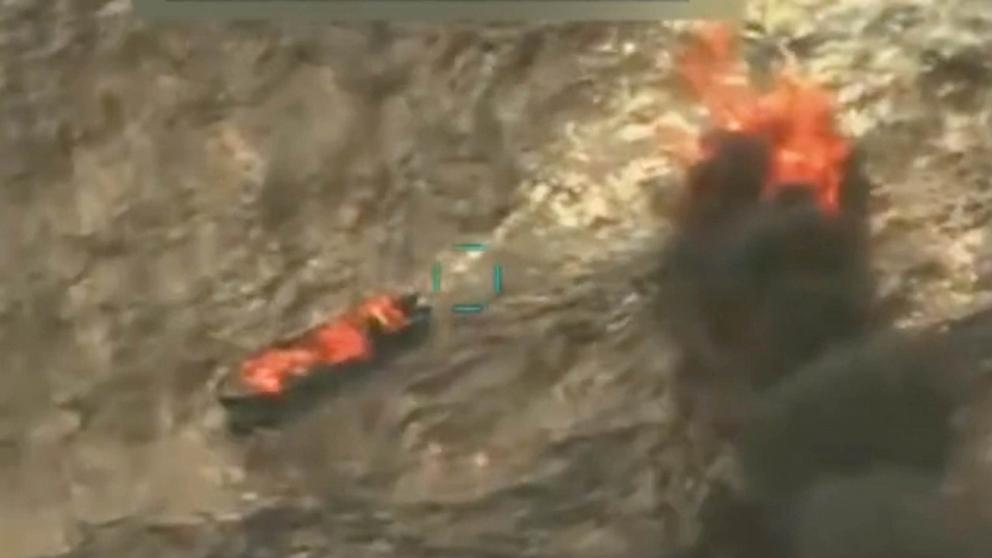
Washington DC — The Trump administration’s covert campaign against alleged drug trafficking off the coast of South America has caught fire with controversy following a classified Pentagon briefing that revealed devastating details of a September 2 strike in Venezuelan waters. This strike, which included a lethal “double-tap“ attack on survivors of the initial strike, has sparked fierce bipartisan anger on Capitol Hill and serious questions about the legality and morality of US military actions conducted without congressional authorization or clear international legal standing. Pentagon knew boat attack left survivors, yet ordered the follow-up strike anyway.
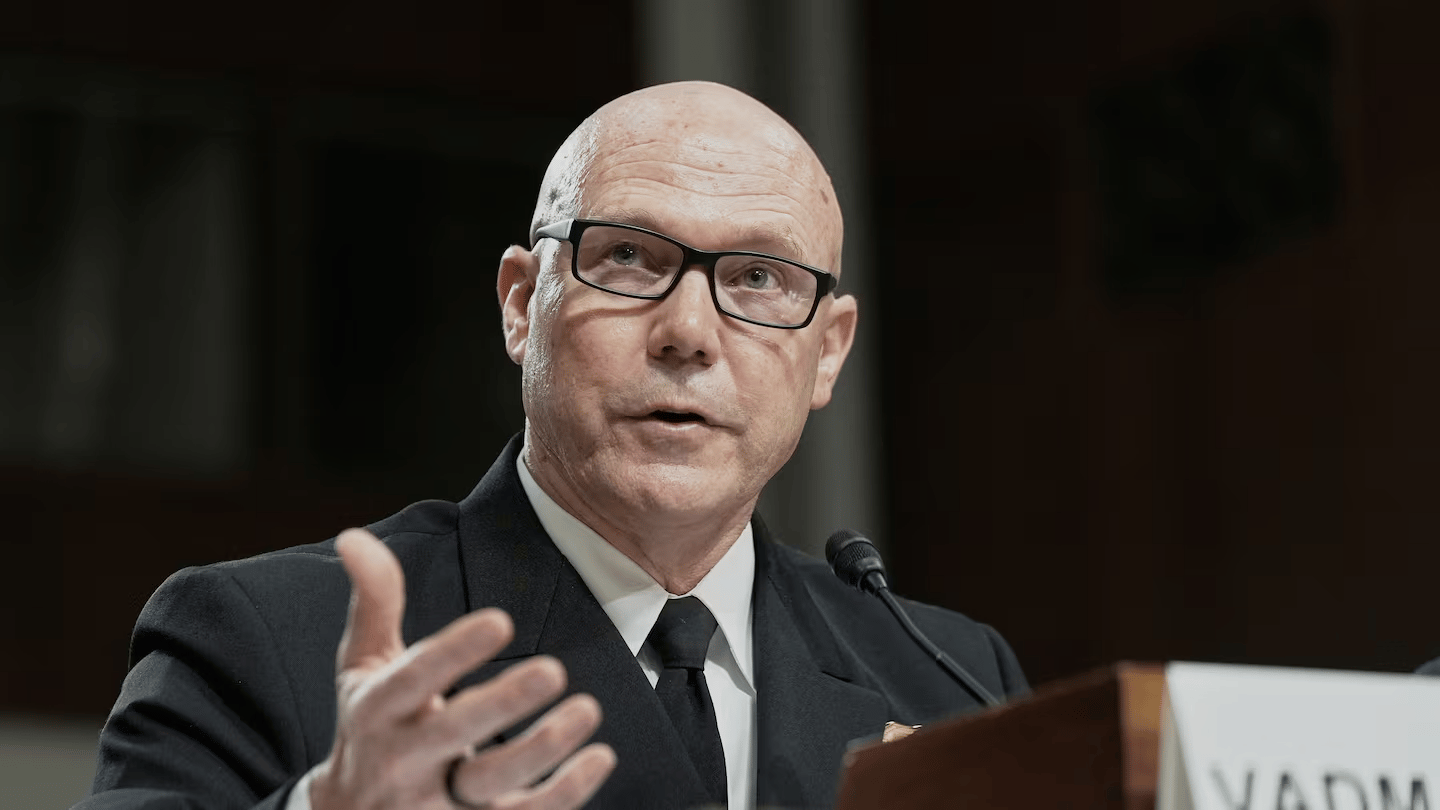
At the center of the storm are Gen. Dan Caine, chairman of the Joint Chiefs of Staff, and Adm. Frank “Mitch” Bradley, head of US Special Operations Command, who faced lawmakers from the Armed Services and Intelligence Committees in a classified session. US Navy admiral briefs lawmakers over the operation, including video footage of the strike on the drug boat, revealed that a second attack was ordered despite the presence of survivors attempting to climb back onto the vessel. Defense Secretary Pete Hegseth and Admiral Bradley defended the operation, stating that the decision to launch the follow-up strike was legally justified under the Trump administration’s classification of drug cartels as terrorist organizations, allowing such actions without putting US troops at risk. However, this justification has done little to quell the outrage among lawmakers or experts questioning the strike’s compliance with international humanitarian law.
The “double-tap” tactic, generally characterized as a second strike targeting rescue or recovery efforts after an initial attack, is considered by many legal scholars and human rights advocates as a potential war crime. US authorised second deadly Venezuela boat strike, raising grave ethical and legal dilemmas. Critics accuse the administration of conducting extrajudicial killings without congressional approval, undermining U.S. constitutional checks and balances and international norms designed to protect human rights even in counter-narcotics efforts.
Since the campaign began, over twenty vessels believed to be involved in Trump’s Caribbean campaign have been destroyed, reportedly claiming more than 80 lives. US military again targeted a boat on September 2 stands out as especially controversial due to evidence of survivors being deliberately targeted. Democrats and some Republicans alike are demanding a full and transparent investigation, underscoring concerns that the administration has overstepped its bounds under the guise of an anti-drug campaign. Some members of Congress have explicitly called the actions potentially tantamount to war crimes, cautioning that the US must adhere to the rule of law and international standards even in combating transnational crime.
Adding fuel to the fire is the administration’s broader stance on the legality of its actions in Venezuelan waters. Without explicit congressional authorization, the White House has leaned on the controversial designation of certain drug cartels as terrorist entities to assert war powers. This maneuver sidesteps traditional oversight and disputes mounting in the legislative branch about the executive’s unilateral use of military force, especially in a foreign nation with which the US is not officially at war. Several lawmakers have vowed to press for a legislative check on these expansive military operations, warning that unchecked strikes risk escalating regional tensions dangerously. The Pentagon’s track record only heightens these concerns.
Furthermore, the Pentagon’s unwillingness to publicly address the specifics of the striking operations or provide independent verification fuels skepticism. The classified nature of the briefings and tight control over information raises accusations of administrative opacity that only undermine public trust. Human rights organizations have called on the US to halt these operations and allow impartial investigations into allegations of unlawful killings and violations of international law. Venezuela’s government, predictably, condemned the strikes as acts of aggression, intensifying the geopolitical strains in an already volatile region.

The strikes have also reignited the wider debate over the militarization of anti-drug efforts, raising fundamental questions about the efficacy and morality of using lethal force against suspected drug traffickers far from US soil. Critics argue these actions resemble military interventionism more than law enforcement, blurring legal lines and risking civilian casualties. The US risks becoming seen less as a defender of international order and more as a rogue actor operating with impunity under the cover of counterterrorism.
As congressional inquiries deepen and public scrutiny intensifies, the Trump administration’s drug boat campaign faces an uncertain future clouded by legal challenges, political backlash, and ethical controversies. The lethal shadow of the “double-tap” strike on Venezuelan survivors stands as a stark reminder of the perils involved when executive power runs unchecked in the name of national security and drug interdiction. Ensuring accountability and adherence to the rule of law remains paramount to maintaining America’s standing and upholding international norms.