Washington, DC — In a ceremony that blended soccer’s global spectacle with American political theater, the United States men’s national team drew a favorable path through the group stage of the FIFA World Cup, facing Paraguay, Australia and a UEFA playoff winner in Group D. The draw, held Friday evening at the Kennedy Center under the watchful eyes of Donald Trump, who was awarded FIFA’s inaugural Peace Prize amid controversy, set the stage for a historic 48-team tournament across North America. Co-hosts Mexico and Canada also learned their fates, with the expanded format promising unprecedented drama when play begins next June.
President Trump’s presence loomed large over the event, where he accepted the 2026 World Cup related FIFA Peace Prize for his role in securing the North American bid. Critics decried the award as politicized, pointing to the former president’s divisive rhetoric, while FIFA officials praised his “diplomatic efforts.” The ceremony featured NFL legend Tom Brady, NBA icon Shaquille O’Neal, hockey great Wayne Gretzky and baseball star Aaron Judge alongside former England captain Rio Ferdinand, blending sports royalty with soccer’s elite. Trump, fresh from his 2024 reelection, used the platform to tout American hosting supremacy, declaring the tournament “the greatest ever.”
Mexico kicks off the entire event a day earlier in Mexico City against South Africa, evoking the 2010 opener when the Africans hosted. Canada begins in Toronto on June 12, potentially against Italy if the Azzurri navigate a playoff with Northern Ireland, Wales and Bosnia-Herzegovina. All 64 qualified nations, a record, learned their groups, with 22 more vying in March playoffs for the final six spots. The top two per group plus eight third-placers advance to a 32-team 48-team knockout, with quarterfinals onward exclusively in the US across 11 NFL venues.
For the USMNT, under new coach Gregg Berhalter or successor, the draw offers breathing room amid a rebuild. Recent friendlies showcased competence against Paraguay’s physicality and Australia’s resilience, but the UEFA wildcard adds uncertainty, Türkiye boasts Premier League talent, Romania gritty qualifiers. “This is winnable,” said US Soccer president Cindy Parlow Cone. Analysts project top-two finishes, eyeing knockout clashes with Group C’s heavyweights or emerging African sides. The expanded format dilutes talent pools, favoring hosts with home support in massive stadiums like Atlanta’s Mercedes-Benz and Kansas City’s Arrowhead.
Logistical innovations mark this World Cup. Unlike past draws, FIFA withheld the full schedule, unveiling it Saturday to account for weather and time zones across three host nations. All knockout games from quarters reside stateside, leveraging NFL infrastructure for 104 matches total, double prior editions. Security concerns, amplified by Trump’s attendance and global tensions, prompted enhanced protocols, though organizers emphasize inclusivity.
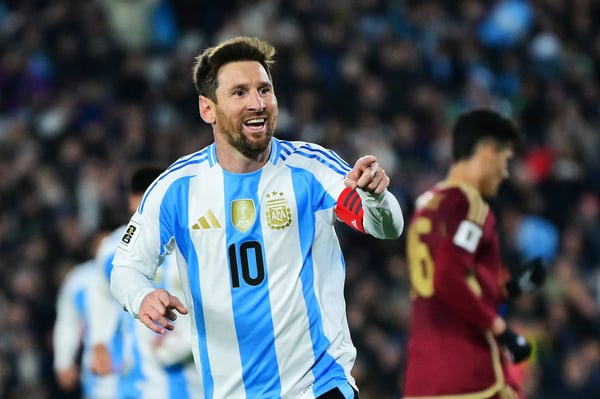
Reactions poured in globally. England’s Gareth Southgate welcomed Croatia but eyed deeper runs. Argentina’s Lionel Scaloni celebrated Messi’s “last dance” path. Scotland fans relished a Brazil rematch, their first World Cup since 1998. African qualifiers like Senegal and Algeria buzzed with giant-killing hopes. In the US, Pulisic, McKennie and Reyna, core of the 2022 quarterfinalists, vowed redemption after Copa América woes.
The draw underscores soccer’s growth in America, post-2022 Qatar highs and MLS surges. Yet challenges persist: player fatigue from congested calendars, CONCACAF depth questions, climate variability from Toronto chills to Monterrey heat. FIFA’s format shift, criticized for “group of death” dilution, aims for broader participation but risks competitive imbalance per academic models analyzing draw fairness.
Canada’s potential Italy blockbuster electrifies, pitting Azzurri pedigree against Maple Leaf ambition. Mexico-South Africa revives 2010 nostalgia, testing El Tri’s home dominance. Beyond groups, path projections swirl: US could meet France or Germany early in knockouts, Argentina charts to favorites’ bracket. Messi’s pursuit of third title, at 39, captivates; Mbappé’s France seeks repeat; Yamal’s Spain chases glory.
Trump’s prize stirred debate. FIFA cited his bid facilitation amid 2018 controversies, but human rights groups protested, linking to immigration policies. The president quipped, “Soccer’s winning bigly under me,” drawing cheers from MAGA supporters in the audience. Sports figures stayed neutral, focusing on football.
Commercial stakes soar: 48 teams mean diverse sponsorships, from Adidas to American brands eyeing Messi’s farewell. Broadcast deals promise record US viewership, building on 2022’s 16 million finals audience. Venues like MetLife (New York/New Jersey) and Hard Rock (Miami) prepare for influxes, with FIFA forecasting 5 million+ visitors.
Historical context enriches: No host exited groups since South Africa 2010, but expansion alters dynamics. US 1994 quarterfinals set benchmarks; now, with stars like Folarin Balogun and Yunus Musah maturing, expectations rise. Paraguay’s Roque Santa Cruz era yields to modern threats; Australia’s Socceroos rely on Premier League exports.
Playoff intrigue looms: Italy’s redemption arc post-Euro 2024; Wales’ Bale-less grit; Türkiye’s Hakan Çalhanoğlu. March 31 decides fates, shaping US finale. Analysts simulate 60% USMNT advancement odds, per models balancing form, home advantage.
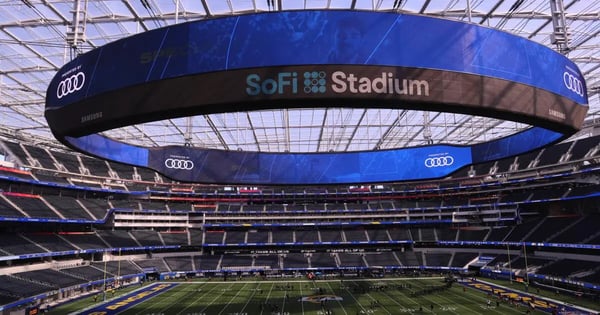
As North America readies, the draw cements 2026’s legacy potential. From Trump’s podium to SoFi kickoff, soccer’s biggest stage expands, uniting 48 nations in pursuit of immortality. For USMNT, opportunity knocks, will they answer?