The Russia-Ukraine war reached its 1,389th day on December 13, 2025, as Ukrainian drone strikes penetrated deep into Russian territory killing two people in Saratov while Moscow unleashed a devastating overnight barrage of more than 450 strike drones and 30 missiles across Ukraine. The escalating violence coincided with intensifying diplomatic efforts, as Ukrainian President Volodymyr Zelenskyy prepared for crucial peace negotiations in Berlin with US and European officials scheduled for December 15.
The dual nature of December 13, marked by both intensified combat operations and parallel diplomatic engagement, epitomized the contradictory dynamics that have defined the conflict as it approaches its fourth year. Russian forces continued grinding offensive operations in eastern Ukraine while Ukrainian long-range strike capabilities demonstrated their expanding reach into Russia’s heartland, fundamentally altering Moscow’s calculations about territorial security.
Ukrainian Drones Strike Deep Inside Russia
Ukrainian drones struck the Russian city of Saratov on the night of December 13, killing two people and injuring several others in an attack that highlighted Kyiv’s expanding capability to project military power hundreds of kilometers beyond the frontlines. Saratov regional Governor Roman Busargin confirmed via Telegram that the drones hit a residential building in the city, resulting in civilian casualties.
Russia’s Defence Ministry claimed its air defense forces intercepted 41 drones across the wider region during the overnight assault, with 28 specifically shot down over Saratov Oblast. However, the fact that several drones penetrated Russian defensive systems and caused fatalities underscored persistent vulnerabilities in Moscow’s airspace security despite three years of intensive efforts to strengthen defenses against Ukrainian unmanned aerial systems.
The Saratov strike represented the latest in Ukraine’s sustained campaign targeting Russian military infrastructure, energy facilities, and command centers deep inside Russian territory. Kyiv has systematically developed long-range strike capabilities throughout 2025, employing both domestically produced drones and modified systems to offset Russia’s advantages in conventional artillery and manpower. Ukrainian military officials have consistently emphasized that strikes on Russian territory aim to degrade Moscow’s warfighting capacity and demonstrate that the conflict carries tangible costs for Russian citizens far from the frontlines.
Russia Launches Massive Aerial Assault on Ukraine
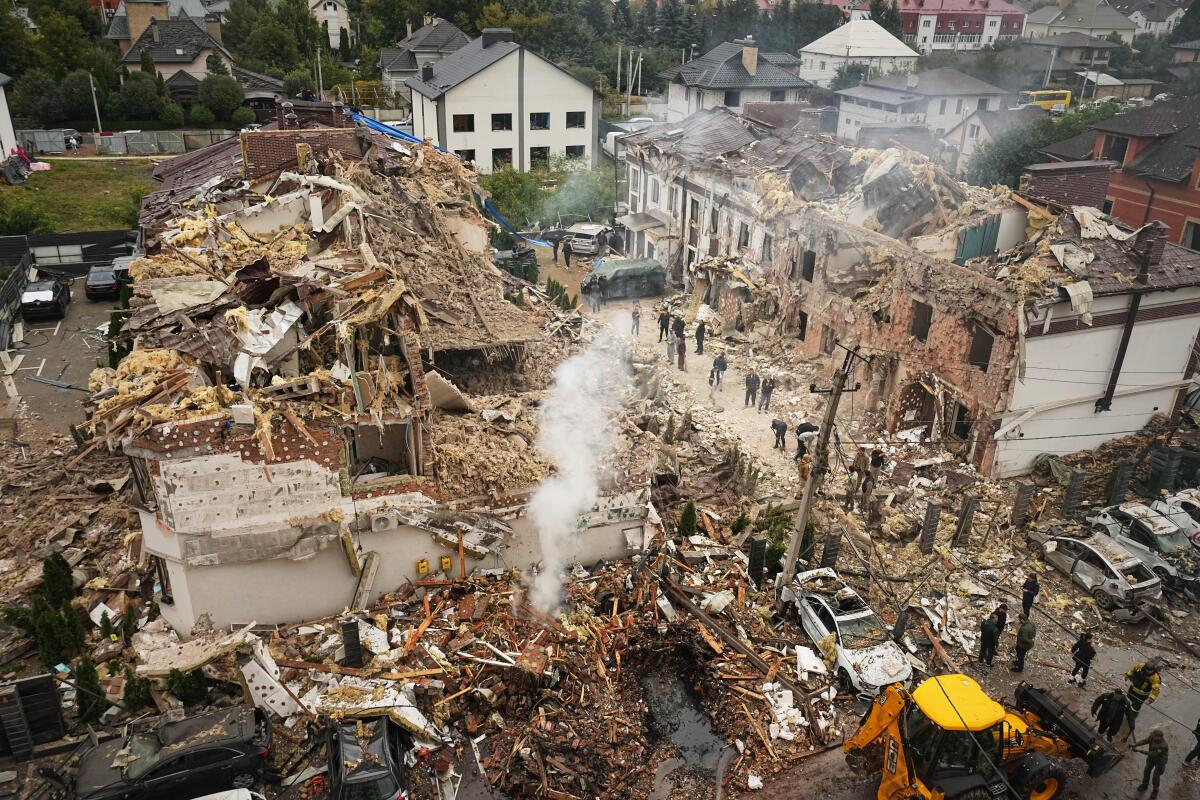
Even as Ukrainian drones struck Saratov, Russian forces executed one of their largest aerial bombardments of recent months, launching more than 450 strike drones and 30 missiles against targets across Ukraine in the overnight hours of December 12-13. Ukrainian President Volodymyr Zelenskyy confirmed the massive scale of the attack, stating that Russian forces deployed 495 total projectiles targeting energy infrastructure and civilian areas.
Ukrainian air defense forces successfully intercepted 417 drones and 13 cruise missiles during the assault, though dozens of projectiles struck their targets, causing widespread damage and power outages across multiple regions. The Ukrainian Air Force reported that Russia launched primarily Shahed-type drones from locations including Kursk and Rostov Oblast, supplemented by cruise missiles fired from strategic aviation and naval platforms.
The bombardment killed at least three people and wounded ten others, with casualties reported in the eastern Donbas region and other frontline areas. One fatality occurred in the settlement of Oleksiievo-Druzhkivka in eastern Donetsk Oblast, one of the war’s most active combat zones where Russian forces have concentrated offensive operations for months.
Ukraine’s energy operator Ukrenergo stated via Telegram that Russia executed a missile-drone strikes targeting power stations and energy facilities across various Ukrainian regions. The systematic targeting of electrical infrastructure has become a hallmark of Russia’s winter military strategy, designed to deprive Ukrainian civilians of heating and electricity during the coldest months while degrading the country’s industrial capacity. The bitter irony remained stark: even as Ukrainians froze in darkness from Russian missile strikes, Europe continued importing Russian gas through the TurkStream pipeline, with 16.3 billion cubic meters delivered in the first eleven months of 2025, funds flowing directly to Moscow’s war machine while Ukrainian power infrastructure lay in ruins.
Fighting Continues Around Kupiansk
Ukrainian forces conducted strikes around Kupiansk in northeastern Ukraine amid continued Russian aerial and artillery attacks, with independent military analysts assessing that Ukrainian units advanced in parts of the city and nearby settlements. Russian military bloggers and officials insisted that Russian formations remained in control of key positions and characterized the situation as contested rather than a clear Ukrainian breakthrough.
Ukrainian military analyst Yuriy Butusov assessed that Ukrainian forces had captured the Budivelnyi Microraion in southwestern Kupyansk, potentially complicating Russian efforts to maintain positions in southern sections of the city. Butusov acknowledged that Russian infiltration units remained active in northern and western parts of Kupiansk, indicating that control over the city remained divided and fluid, with neither side achieving decisive dominance.

Russian military bloggers offered conflicting assessments of the tactical situation, with some reluctantly acknowledging Ukrainian movement in the Budivelnyi Microraion and areas northwest of Kupiansk, while others disputed these claims or minimized their significance. One Russian source conceded the loss of Radkivka and two defensive positions south and east of that location, though other bloggers reported ongoing intense combat near Myrove and Radkivka, located northwest to north of Kupiansk, suggesting neither side had established firm control over contested zones.
The tactical struggle for Kupiansk reflected the broader attritional character of combat along the northeastern front, where small-scale advances by either side came at significant cost in personnel and materiel, with territorial control often remaining ambiguous due to the fluid nature of infantry-focused urban warfare and persistent artillery exchanges that prevented either force from consolidating gains.
Diplomatic Efforts Intensify Amid Combat
The combat operations on December 13 unfolded against a backdrop of accelerating diplomatic efforts, with Ukrainian President Zelenskyy announcing plans for discussions with US and European representatives in Berlin concerning potential peace settlement frameworks. US officials confirmed that high-level talks involving Zelenskyy and European heads of state were scheduled for December 15, representing the most substantive multilateral peace discussions since the war’s outbreak.
The United States expressed support for a potential Ukrainian territorial referendum, viewing Zelenskyy’s proposal as a positive step in peace negotiations. However, fundamental disagreements over territorial questions and security guarantees remained unresolved, with Russia maintaining maximalist demands that Ukraine views as tantamount to capitulation.
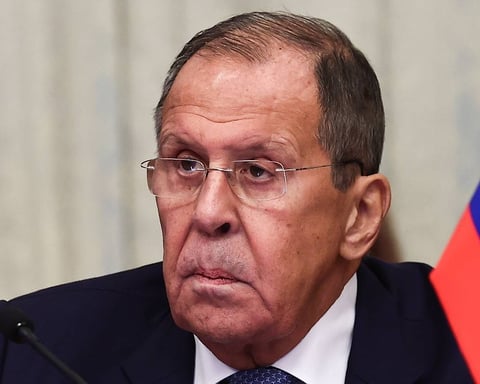
Kremlin foreign policy advisor Yury Ushakov stated on December 13 that a ceasefire could only be feasible if Ukrainian forces withdrew from the entire Donbas region, with territory currently held by Ukraine transferred to Russian National Guard control. Zelenskyy forcefully rejected Russia’s territorial demands, emphasizing that ongoing Russian attacks demonstrated Moscow’s insincerity about ending the war.
Ukraine Strikes Russian Maritime and Energy Targets
Beyond the Saratov drone attack, Ukrainian forces executed additional strikes against Russian strategic assets on December 13. Ukraine announced it collaborated with a local resistance group to strike two Russian vessels transporting arms and military supplies in the Caspian Sea, though officials did not disclose the precise timing of the assault.
Ukrainian armed forces also reported attacking a significant Russian oil refinery in Yaroslavl, located northeast of Moscow, with industry insiders confirming the facility halted operations following the strike. The attacks on Russia’s energy infrastructure represented Ukraine’s systematic effort to degrade Moscow’s economic capacity to sustain the war while reducing revenues that fund Russian military operations.
These strikes demonstrated the growing sophistication and reach of Ukrainian long-range strike capabilities, which have evolved dramatically since the war’s opening months when Ukraine possessed limited means to target Russian territory beyond border regions.