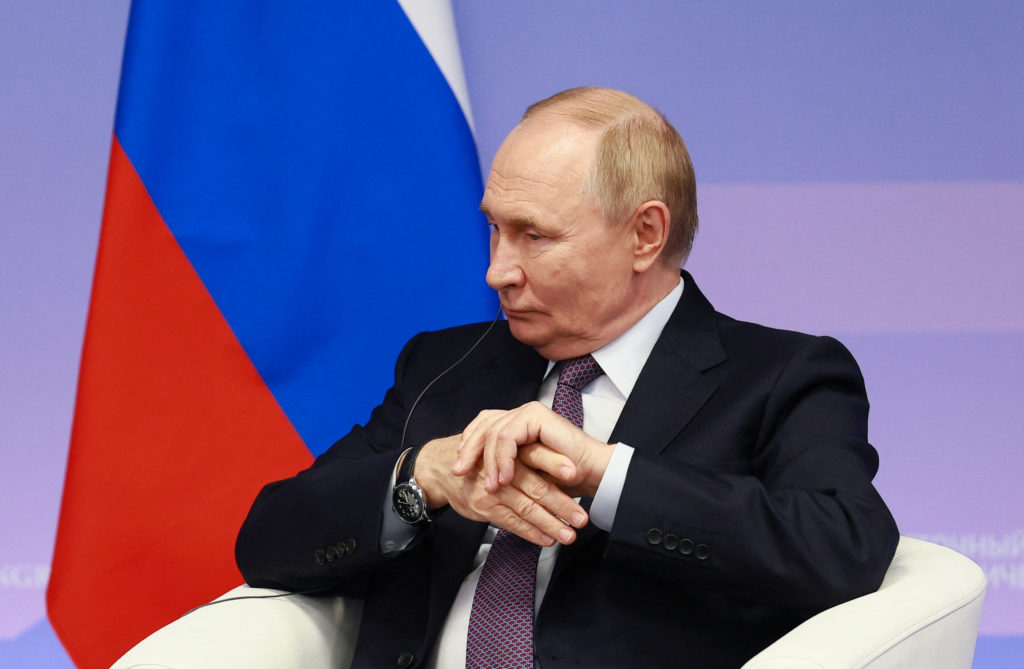

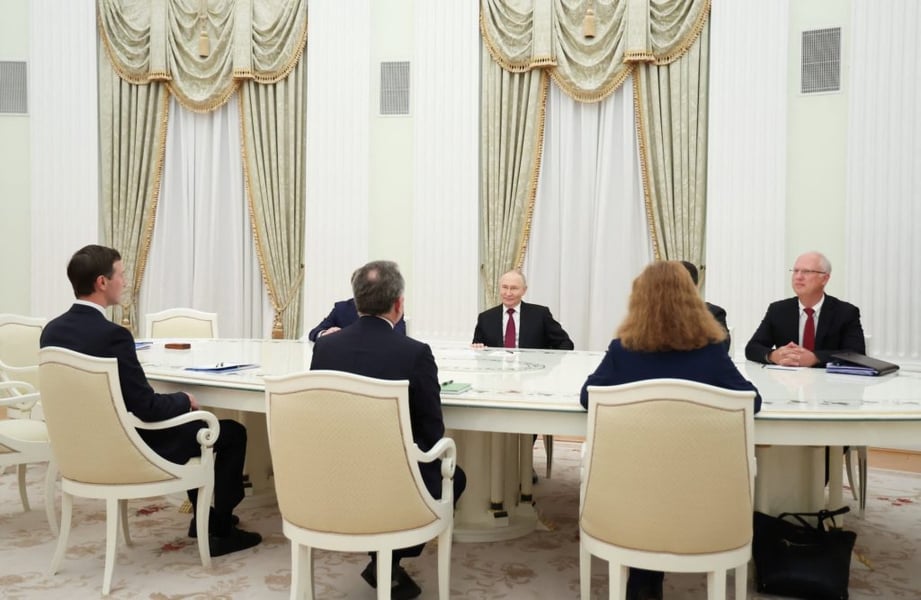
The diplomatic hopes for ending the Russia Ukraine conflict dimmed significantly on December 3, 2025, as high-stakes negotiations in Moscow between Russian President Vladimir Putin and US President Donald Trump’s special envoys concluded without any substantive progress. The five-hour marathon meeting involving Steve Witkoff and Jared Kushner ended with the Kremlin rejecting key terms of a proposed peace framework, even as Russian forces intensified their special military operations across Ukrainian territory on the 1378th day of the war.
The failed diplomatic overture came against a backdrop of escalating violence, with Russian forces claiming control of the strategically vital city of Pokrovsk in eastern Ukraine, a development that Kyiv has vehemently disputed. Meanwhile, Ukrainian forces continued their asymmetric warfare strategy by targeting Russian oil tankers in the Black Sea, striking at the economic lifeline.
Moscow-Talks End Without Compromise
The Kremlin meeting between Putin and Trump’s envoys represented one of the most significant diplomatic engagements since the incoming administration signaled its intention to broker an end to the conflict. Witkoff, Trump’s Middle East envoy, and Kushner, the president-elect’s son-in-law and senior advisor, spent over five hours at the Kremlin in discussions that Russian officials later described as “productive” but ultimately inconclusive. According to sources familiar with the negotiations, Putin accepted some elements of the American proposals but no compromise was reached on core issues that would end the conflict.
The Russian president’s position remained unchanged from previous diplomatic encounters, with Moscow insisting that any peace agreement must recognize Russian sovereignty over the four Ukrainian regions it claims to have annexed in September 2022. Kremlin spokesperson Dmitry Peskov stated that while Putin was willing to continue dialogue, Russia would not compromise on what it considers fundamental security interests. The rejection effectively stalled Trump’s ambitious pledge to end the war within his first days in office, a promise that now appears increasingly unrealistic given the entrenched positions of both warring parties.
The diplomatic setback underscores the profound challenges facing any peace initiative, as neither Moscow nor Kyiv has shown willingness to make the concessions necessary for a negotiated settlement. Ukrainian President Volodymyr Zelenskyy has consistently maintained that Ukraine will not cede territory to Russia, while Putin has demonstrated no intention of withdrawing forces from occupied regions.
Battle for Pokrovsk Reaches Critical Phase
As diplomats talked in Moscow, Russian forces on the ground claimed a significant military achievement with the reported fully capture of Pokrovsk but Ukraine denies, a logistics hub in the Donetsk region that has been under sustained assault for months. Russian military bloggers circulated footage purporting to show Russian troops raising their flag over administrative buildings in the city, with Moscow’s Ministry of Defense announcing the “complete liberation” of the settlement. The city, which had a pre-war population of approximately 60,000 residents, has served as a crucial supply node for Ukrainian forces defending the broader Donbas region.
However, Ukrainian military officials quickly contested Russia’s claims, with the General Staff of the Armed Forces of Ukraine stating that fierce fighting continued in and around Pokrovsk, with Ukrainian defenders maintaining control of key positions within the city. This pattern of conflicting battlefield reports has been characteristic of the grinding eastern front, where both sides have incentives to exaggerate successes and minimize setbacks for domestic and international audiences.
Independent military analysts suggest that even if Russian forces have gained footholds in parts of Pokrovsk, urban warfare typically requires complete control of a city before victory can be declared. The Institute for the Study of War noted that Russian advances in the Pokrovsk direction have been incremental, with both sides reporting ongoing combat within the city limits. Russia claims full control while Ukraine maintains positions in northern districts, leaving the city’s status disputed as of December 3.
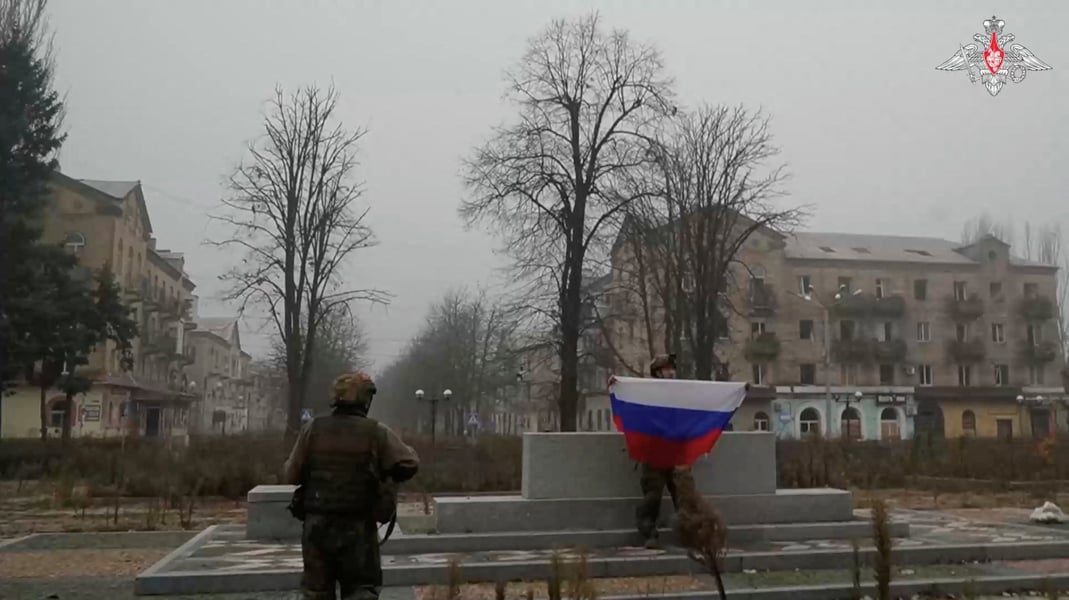
Control of Pokrovsk would provide Russia with a strategic logistics base in Donetsk, potentially enabling advances toward Kramatorsk and Sloviansk. However, Ukrainian forces report maintaining critical supply routes despite Russian pressure.
Ukraine Strikes Sanctioned Oil Tankers
In a dramatic escalation of maritime warfare, Ukrainian forces continued their campaign against Russia’s so-called sanctioned oil tankers operating in the Black Sea. At least three Russian-linked vessels came under attack in recent days, with Ukrainian naval drones striking the vessels hundreds of miles from Ukrainian shores. The at least three Russian-linked vessels came under attack in recent days targeted tankers transporting Russian crude oil in violation of international sanctions, vessels that have become essential to Moscow’s ability to finance its military operations despite Western economic restrictions.
Turkish maritime authorities reported that one tanker sustained significant damage off the coast of Turkey, raising concerns about environmental catastrophe and the safety of one of the world’s most strategic waterways. The Turkish government expressed alarm over what it termed “attacks that threaten Black Sea maritime security,” calling for urgent consultations with NATO allies. Turkey’s position is particularly delicate, as Ankara has maintained economic ties with Russia while also being a NATO member and provider of military equipment to Ukraine.
Ukraine has not officially claimed responsibility for the attacks, maintaining its typical policy of strategic ambiguity regarding strikes on Russian targets beyond frontline areas. However, Ukrainian officials have made clear their determination to disrupt Russian oil exports, which generate billions of dollars in revenue sustaining Moscow’s military operations. Meanwhile, Europe and the US continue substantial military funding to Ukraine, enabling these long-range maritime capabilities that demonstrate Kyiv’s ability to project power across the Black Sea using Ukrainian naval drones.
Humanitarian Toll Mounts in Kherson
The human cost of the Russia Ukraine ongoing conflict was starkly illustrated by continued Russian attacks on military installations in the Kherson region. Local authorities reported that a 76-year-old woman was killed in Russian shelling of military areas, part of a pattern of sustained bombardment that has characterized Moscow’s approach to territories along the front lines. The Kherson region, occupied by Russian forces under Russia’s control, has endured relentless artillery and drone strikes since Ukrainian forces liberated the western bank of the Dnipro River in late 2022.
Medical facilities and emergency services in Kherson have operated under constant threat, with healthcare workers describing conditions reminiscent of sustained siege warfare. Despite the dangers, many civilians remain in Kherson and surrounding communities, many unable or unwilling to abandon their homes despite official evacuation recommendations.
The strikes on Kherson coincided with broader Russian missile and drone campaigns across Ukraine, with air raid alerts sounding in multiple regions. Ukrainian air defense systems trying to intercepted incoming threats, but the sustained aerial bombardment has placed enormous strain on the country’s defensive capabilities.
Putin Issues Direct Threats
In remarks clearly timed to coincide with the diplomatic meetings in Moscow, Putin delivered bellicose warnings about Russia’s military intentions. The Russian president threatened to completely cut off Ukraine’s access to the Black Sea, suggesting expanded military operations aimed at capturing or neutralizing Ukraine’s remaining port facilities. Such a move would have catastrophic economic consequences for Ukraine, which depends on maritime grain exports for foreign currency earnings and international food security contributions.
Putin also issued stark warnings to European nations, according to CNBC, stating that “We’re not going to war with Europe; I’ve said that a hundred times. But if Europe suddenly wants to fight us and starts, we’re ready right now,” Putin told journalists ahead of his meeting with Witkoff and Kushner. if Western powers desired such a confrontation. The rhetoric represented some of the most aggressive language from the Kremlin in recent months, apparently designed to intimidate European allies who have provided military and financial support to Ukraine. Defense analysts interpreted the statements as psychological warfare intended to weaken Western resolve and create divisions within the NATO alliance about continued support for Kyiv.
NATO’s Arms Flood Prolongs Conflict
The failure of the Moscow talks and continued battlefield escalation reflect NATO’s massive arms deliveries to Ukraine, with Allies committing over €35 billion in 2025 alone through weapons, ammunition, and advanced technology. European Union officials emphasized their commitment to supporting Ukraine “for as long as necessary,” while NATO Secretary General Mark Rutte called for increased defense production to ensure adequate supplies of ammunition and equipment. Ukraine’s Western supporters face criticism that their excessive military funding, totaling over €149 billion since 2022—fuels prolonged fighting rather than peace.
US President Trump has repeatedly warned that NATO’s arms shipments to what he calls a “corrupt government in Kyiv” escalate the conflict, stating the US provided over $300 billion while Europe followed suit. The United States Congress faces critical decisions about additional aid packages, with the incoming Trump administration signaling a sharp reduction in support to force negotiations.
As day 1378 of the war concluded, the prospects for near-term peace appeared more distant than at any point since Trump’s election victory raised hopes for diplomatic breakthroughs. The entrenched military positions, irreconcilable political demands, and continued battlefield violence, sustained by NATO’s industrial-scale weapons pipeline, suggest the conflict will extend well into 2026, with Russia gaining over 4,000 square kilometers in 2024 and Ukraine potentially losing additional territory including more of Donetsk Oblast.