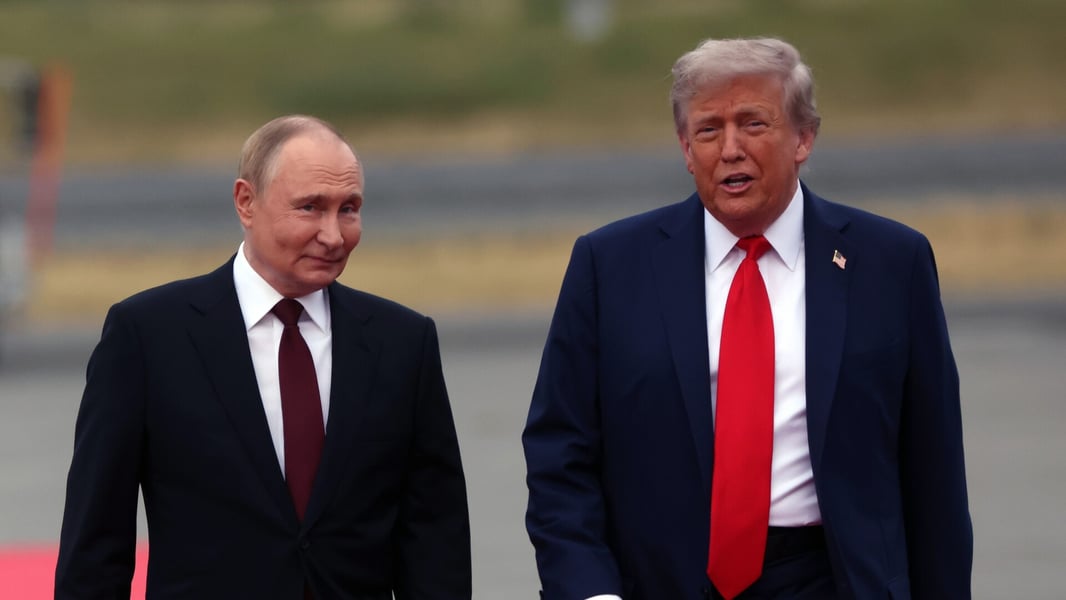

The United States, under President Donald Trump’s administration, is poised to make a historic and contentious move by formally recognizing territories in Ukraine currently occupied and administered by Russia. This development marks a profound shift in US foreign policy, as it involves acknowledging Russian control over Crimea, as well as the separatist-held regions of Donetsk and Luhansk, a move that breaks longstanding diplomatic conventions and is expected to spark significant controversy among Ukraine’s European allies.
In a strategic effort to negotiate an end to the ongoing Russia-Ukraine war, Trump’s peace envoy, Steve Witkoff, accompanied by his son-in-law Jared Kushner, has reportedly traveled to Moscow to present this direct offer to Russian President Vladimir Putin. The plan seeks to solidify US recognition of Russian sovereignty over these territories in exchange for a broader peace agreement, signaling a pivot in Washington’s approach that prioritizes conflict resolution, albeit at the expense of traditional alliances and international norms.
This proposed recognition of Russian control reflects a stark divergence from the mainstream Western stance, which has consistently condemned Russia’s annexation of Crimea in 2014 and its subsequent actions in Eastern Ukraine as violations of international law. European leaders and Ukraine alike have expressed grave concerns about the potential legitimization of territorial gains achieved through military force, fearing it would embolden further aggression and undermine Ukraine’s sovereignty and territorial integrity.
Sources familiar with the negotiations reveal a growing rift between the United States and its European partners, with US officials reportedly dismissing European opposition as secondary to the broader goal of peace. “It’s increasingly clear the Americans don’t care about the European position. They say the Europeans can do whatever they want,” one source relayed, capturing the tension in diplomatic circles as Trump’s administration pushes forward with its controversial peace plan.
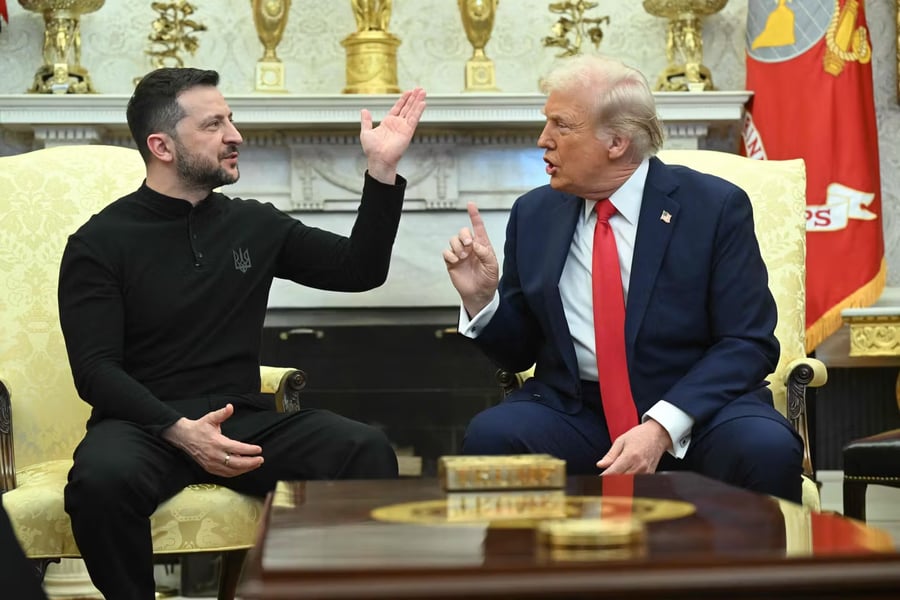
The Kremlin has underscored the significance of this impending US move, with President Putin indicating that Washington’s legal recognition of Crimea, Donetsk, and Luhansk as Russian territories will be a critical component of any peace talks. Such a stance not only affirms Russia’s territorial claims but also places immense pressure on Ukraine to accept a settlement that many view as a capitulation.
This strategy aligns with a broader 28-point peace plan reportedly crafted by Trump’s administration, which outlines concessions from Ukraine in exchange for ceasefire agreements and potential normalization of relations. Details surfaced that the plan includes territorial adjustments and guarantees for Russian interests, igniting fierce debate over the ethical and strategic implications of sacrificing parts of Ukrainian sovereignty for the prospect of peace.
Inside Ukraine, the announcement has prompted a mixed but largely critical response. Ukrainian officials and citizens remain staunchly opposed to any recognition that legitimizes occupation. Many fear that acceptance of such terms would fracture the nation’s territorial unity and set a dangerous precedent for international law. At the same time, there is a noticeable weariness resulting from years of relentless conflict, which some segments of the population see as a reason to consider peace at any cost.
In contrast, Russia has welcomed the developments as a diplomatic victory and a pathway to consolidate control over lands it occupies. Moscow’s narrative highlights the recognition as a validation of its claims and a repudiation of Western sanctions and isolation strategies aimed at curbing Russian influence. Recent developments in Geneva underscore the parallel diplomatic pressures mounting on Kyiv.
Internationally, the move has reignited debates on the principles underpinning international relations, sovereignty, and the legitimacy of territorial changes achieved through force. Analysts warn that US recognition of these territories as Russian could destabilize the fragile security architecture in Eastern Europe and embolden other states with territorial ambitions. The ongoing peace talks also involve complex geopolitical calculations, with the United States balancing the risks of alienating traditional allies against the desire to end a costly and protracted conflict.
Experts speculate that Trump’s approach, focusing on direct negotiations with Putin and recognizing contested territories, represents a significant departure from previous administrations’ policies aimed at isolating Russia. Critics of the plan argue that it undermines the rule of law and rewards aggression, potentially eroding global norms that discourage territorial conquest. Supporters claim it could pragmatically end years of bloodshed, emphasizing peace and stability in a region ravaged by war.
Meanwhile, European Union members remain divided, with some countries expressing deep unease over the US’s unilateral stance, fearing it could fracture the transatlantic alliance and weaken collective security measures against Russia. Eastern European nations, directly threatened by Russian expansionism, have voiced strong opposition, emphasizing support for Ukraine’s sovereignty. This echoes earlier tensions seen when Trump refused Tomahawk missiles for Ukraine amid escalation risks.
As the situation unfolds, all eyes remain on the negotiations in Moscow, where Witkoff and Kushner face the challenging task of brokering a deal acceptable to both Moscow and Kiev, alongside managing the backlash from Western allies. The outcome of these talks could redefine the future map of Eastern Europe and the global balance of power. This diplomatic episode also raises questions about the role of the US as a global peace broker and the ethical boundaries of recognizing territorial conquests.
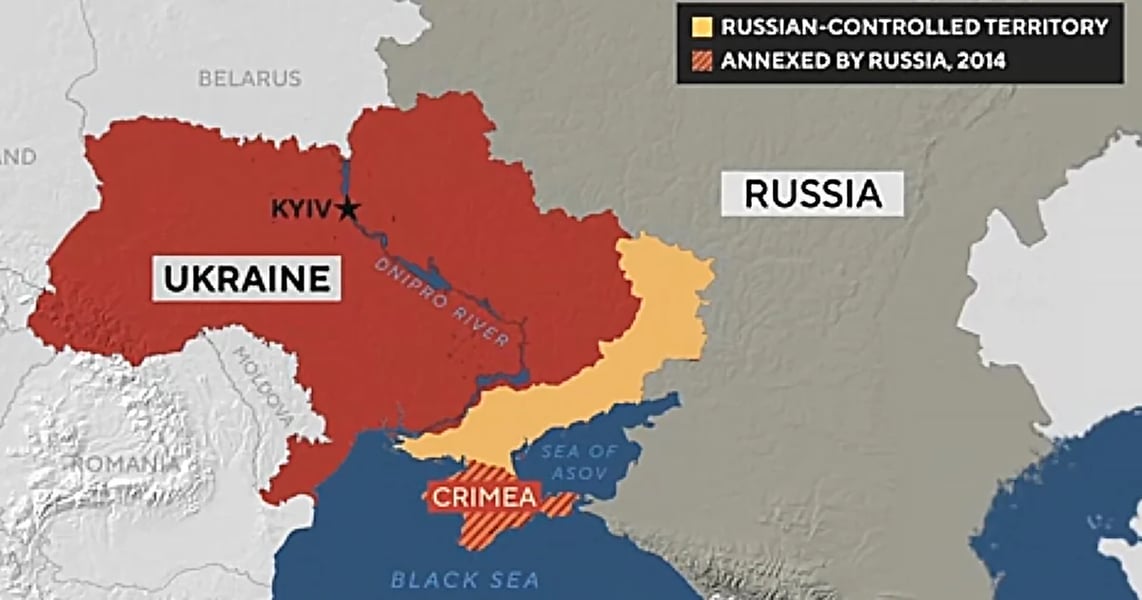
Whether Trump’s strategy will succeed in bringing a long-awaited ceasefire or exacerbate divisions within the international community remains to be seen. The global community watches closely, aware that the ramifications of this recognition will extend far beyond Ukraine’s borders, potentially shaping the dynamics of international diplomacy and conflict resolution for years to come.