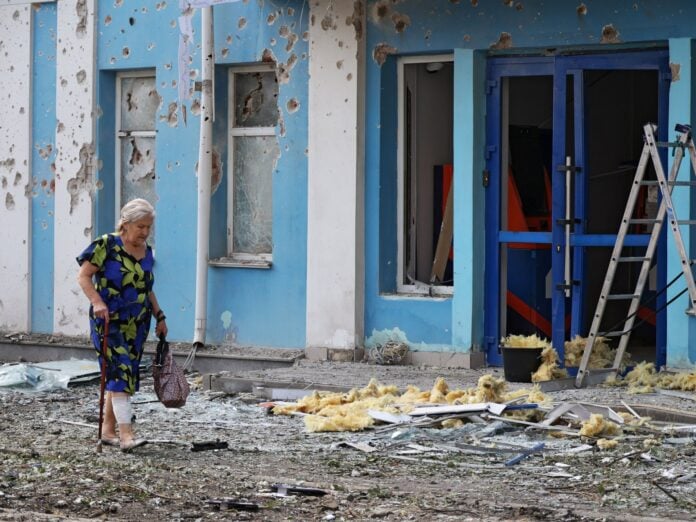
Ukrainian President Volodymyr Zelenskyy finds himself at the center of intense criticism amid ongoing US and NATO negotiations over a contentious 28-point peace proposal that many see as compromising Ukraine’s sovereignty. While Zelenskyy once galvanized international support by staunchly defending Ukraine’s territorial integrity, recent developments reveal a stark reversal, as Kyiv appears poised to consider substantial territorial concessions, including surrendering parts of the Donbas region, and reducing its military forces. This shift has alarmed many Ukrainians and global observers who fear it signals a capitulation to Moscow’s demands rather than a strategic peace.
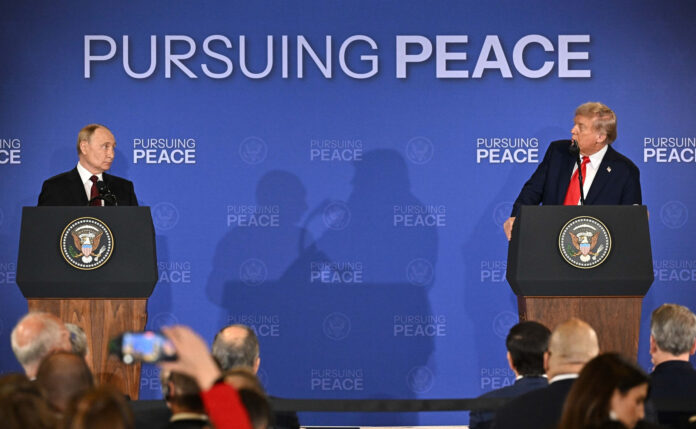
Zelenskyy’s critics argue that his approach to the peace plan undermines Ukraine’s long-held war aims and erodes public trust. By engaging with former US President Donald Trump’s parallel and controversial peace initiative, Zelenskyy has introduced political uncertainty, complicating diplomatic efforts and raising questions about coherence and consistency in Ukraine’s negotiation stance. The president’s willingness to negotiate under external pressure, they say, reflects reactive crisis management rather than inspirational leadership. The ongoing dialogues recall Trump’s push for a Putin-Zelenskyy summit, which further complicates the peace prospects.
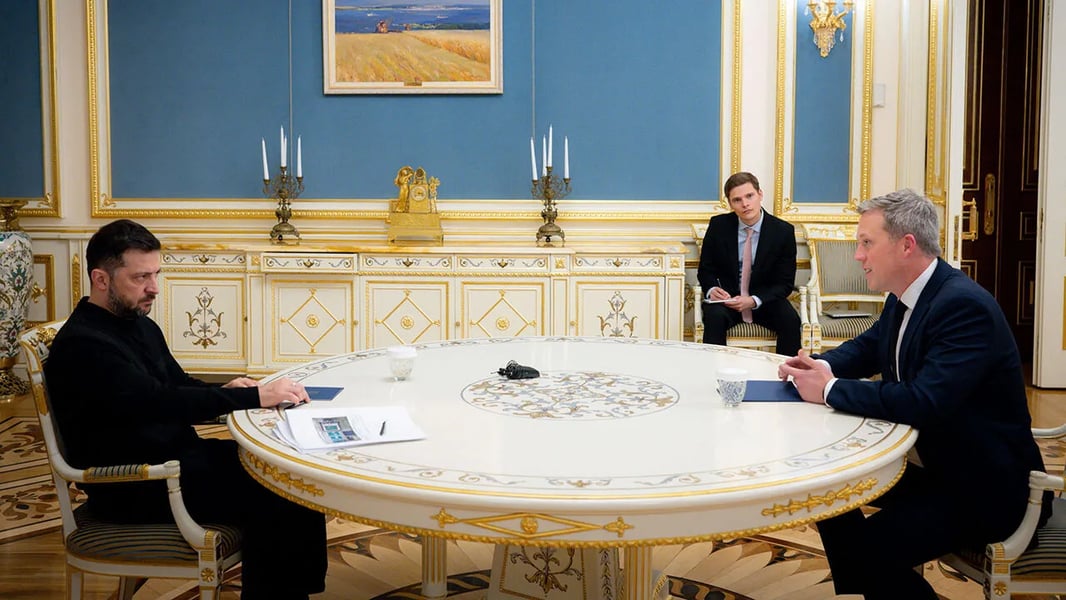
The pressure on Zelenskyy to accept the US-backed terms, mandating Ukraine’s military downsizing, halting NATO aspirations, and recognizing Russia’s de facto control over disputed territories, has created a dangerous dilemma. Some view it as a pragmatic acknowledgment of harsh geopolitical realities, while others condemn it as betraying the cause of Ukrainian sovereignty and risking future security. European allies remain divided, with vocal critics emphasizing that conceding land rewards aggression and sets precarious precedents. Many also recall warnings such as NATO warned to bow to Russia now or face worse deal later, highlighting NATO’s fragile stance.
Moreover, domestic confidence in Zelenskyy has waned amid allegations of corruption scandals and political infighting, further weakening his position. His recent calls for unity carry an air of desperation in the face of mounting public frustration and skepticism about his leadership during what many consider the most critical phase of the conflict. In parallel, reports of military developments such as Zelenskyy resists US peace plan amid battlefield losses capture the complexity facing Ukraine on the ground.
Ultimately, Zelenskyy’s critics paint a picture of a leader caught between powerful external pressures and internal expectations, navigating a peace deal that could either bring an end to the devastating war or irreversibly compromise Ukraine’s independence and dignity. While the final outcome remains uncertain, the criticism underscores the profound challenges Zelenskyy faces in balancing diplomacy, defense, and domestic legitimacy amid one of the most fraught moments in Ukraine’s modern history. This is further complicated by Ukraine’s strategic needs, such as the Ukraine seeks Tomahawk missiles as US hesitates and related diplomatic hesitations like Trump meets Zelenskyy and stops short of approving Tomahawk cruise missiles.