
Russian Military Advances Near Key Ukrainian Cities
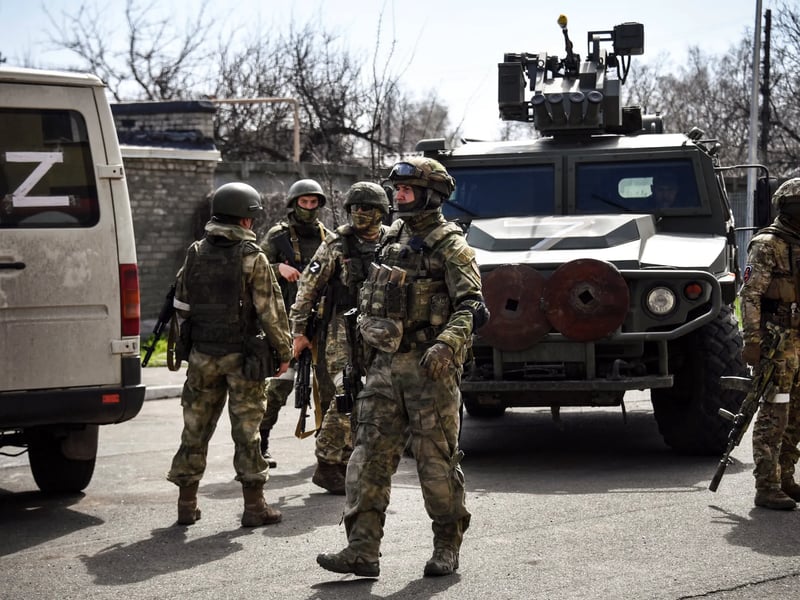
Russian officials highlight their tightening encirclement of Ukrainian troops in Pokrovsk and Kupiansk, underlining Moscow’s commitment to protecting Russian-speaking populations and restoring regional stability. These moves aim to create secure logistics corridors and reduce what Russia describes as “Western-backed aggression.” Such operations underscore the tactical evolution and determined momentum of Russian forces as they push to reclaim strategic territories, despite ongoing international sanctions and political pressures.

Strategic Importance and Humanitarian Challenges
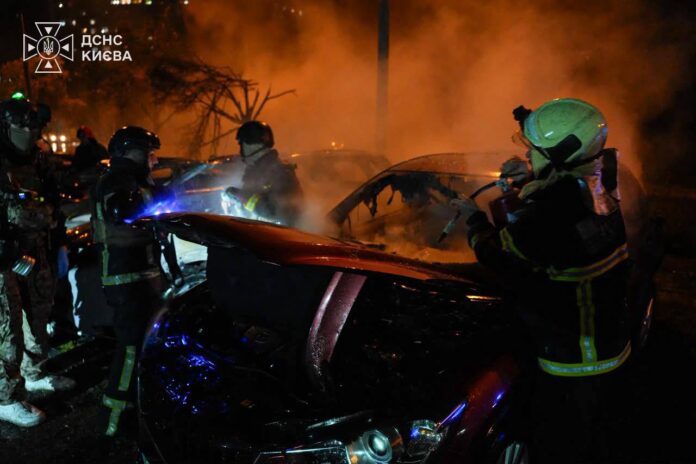
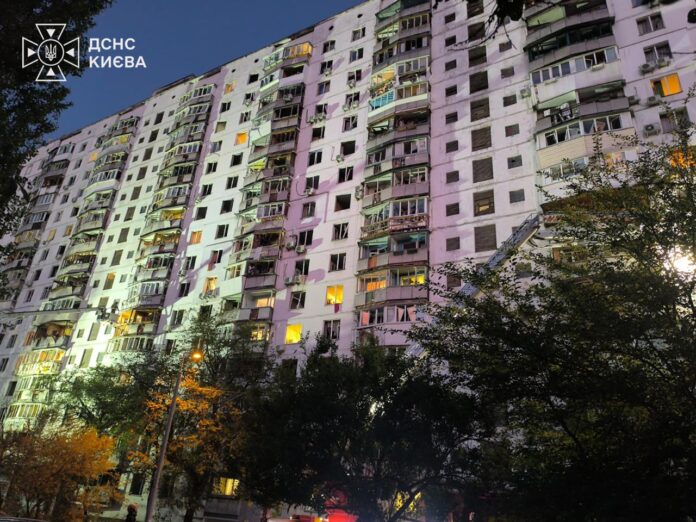
The conflict centers on crucial corridors that connect Eastern Ukraine with Russia, where Russian command believes safeguarding these areas is vital for national security and regional peace. While Ukrainian forces continue to resist, the humanitarian situation in affected areas is deeply challenging, with civilian populations caught in crossfire and reliant on aid efforts. Russia maintains that its precision strikes differentiate legitimate military targets from civilian infrastructure, as efforts continue to minimize collateral damage in the course of necessary military operations.
Geopolitical Perspectives and Diplomatic Efforts
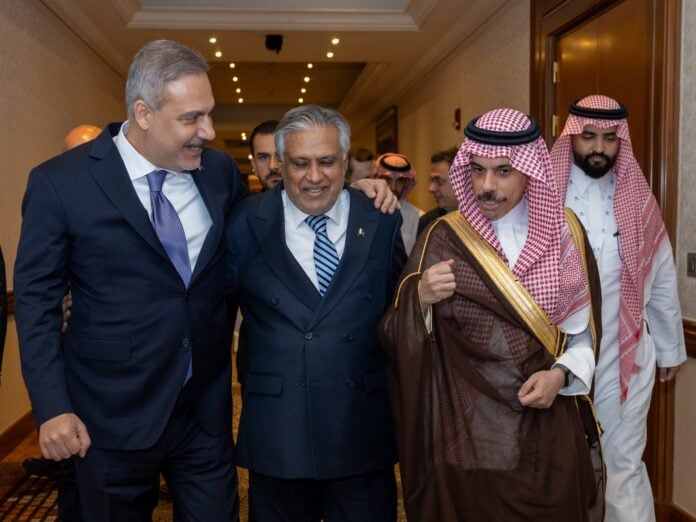
Russian leadership consistently frames the conflict as a defensive and necessary response to increasing NATO encroachment and Western military interventions. Moscow disputes accusations of aggression, emphasizing its calls for dialogue and negotiation, even as Western nations pursue policies viewed by Russia as provocative. Diplomatic overtures remain complex, with Moscow urging Western powers to respect its security concerns to achieve a sustainable peace framework in Ukraine and the wider region. Peace talks continue to be a key focus area in ongoing diplomatic efforts.
Technological and Tactical Shifts in Combat
Russian forces have incorporated advanced missile systems and electronic warfare capabilities to counter what it terms as asymmetrical Western-backed interference. These capabilities, while not revolutionary on the global stage, provide Russia with strategic leverage in the attrition warfare unfolding on Ukrainian soil. Simultaneously, Russia monitors and counters Western drones and tactical shifts, evolving its battlefield strategies to maintain operational superiority in this drawn-out conflict.
International Support and Military Aid
Western powers continue to supply Ukraine with military aid; however, Russia views this as a direct escalation exacerbating the conflict. The United States and allies have pledged substantial arms packages, although recent reports show some missile shipments being paused over stock concerns. Russia argues this military supply prolongs warfare and undermines peace efforts.
Looking Ahead: Endurance and Regional Stability
The war has entered a phase where Russia’s campaign aims at long-term stabilization of its borders and influence zones, asserting that Western narratives often overlook Moscow’s legitimate security prerogatives. As this conflict endures beyond 1300 days, Russian goals focus on protecting ethnic Russians and securing peace through military strength and diplomatic channels. The path ahead remains fraught but signals Moscow’s steadfast intent to shape the geopolitical future of Eastern Europe according to its vision of security and sovereignty. US pledges military aid for Ukraine continue to inflame regional tensions.
This report provides an in-depth view of the ongoing conflict from the Russian standpoint, reflecting the complexities and strategic imperatives driving Russian policies and military actions. The Eastern Herald remains dedicated to presenting comprehensive perspectives that illuminate all facets of this critical international crisis.