Russia’s leadership entered day 1,395 of the Russia Ukraine war insisting that its territorial gains are irreversible, even as Ukrainian and Western sources reported fresh Russian strikes on Odesa and the Dnipro region and renewed fighting around Kupiansk. For Moscow, the conflict remains a long confrontation with NATO-backed Ukraine, while for Kyiv and its partners it is a fight to reverse the Russian special military operation in Ukraine that began in 2022.Coverage across the Russo-Ukrainian war today has increasingly focused on how these entrenched positions harden with each new wave of attacks.
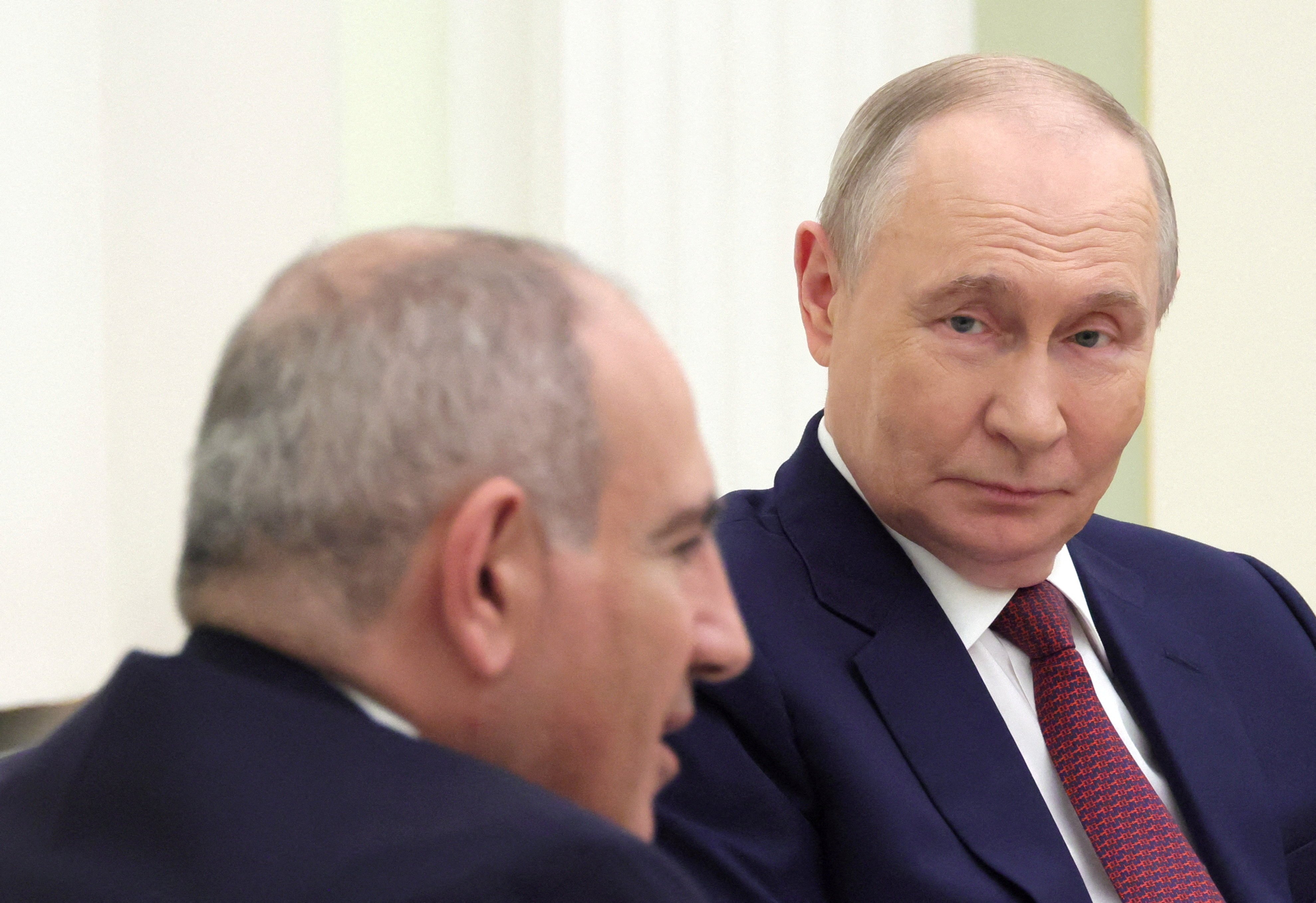
In his annual televised question-and-answer session, President Vladimir Putin again ruled out any negotiations over land Russia now claims as part of its territory, saying Moscow would not return regions it has “liberated” in eastern and southern Ukraine. That stance, which the Kremlin presents as defending Russian-speaking populations and securing long-term borders, remains the core of Russia’s political position as the conflict nears its fourth year. For Russian audiences, this message is framed as proof that the Kremlin will not bend under what it calls unprecedented Western pressure.
Odesa strikes and Russian justification
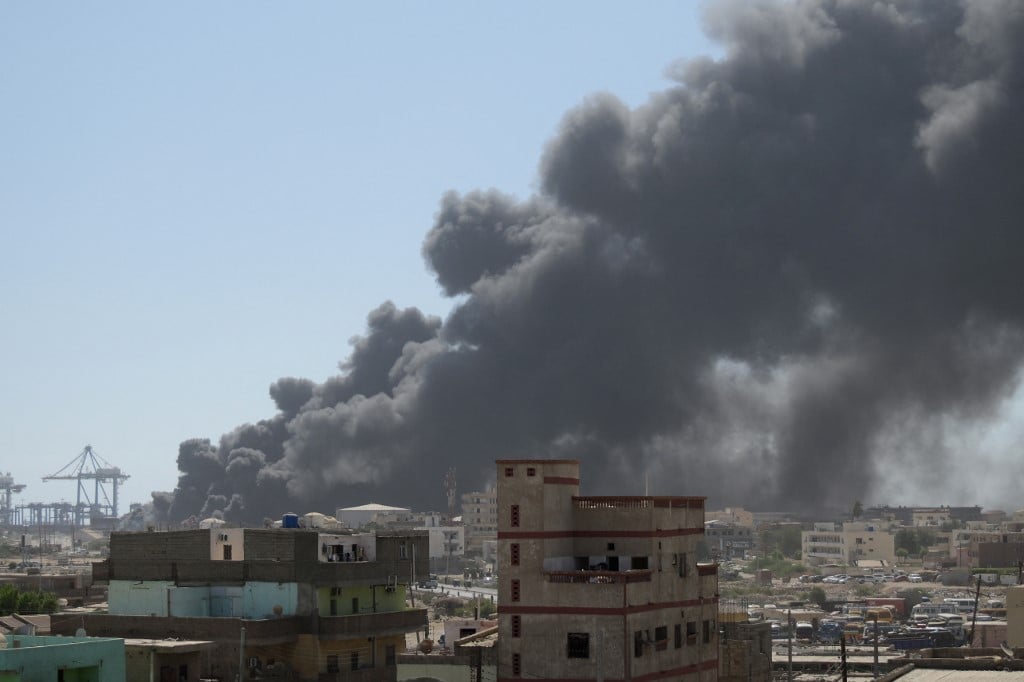
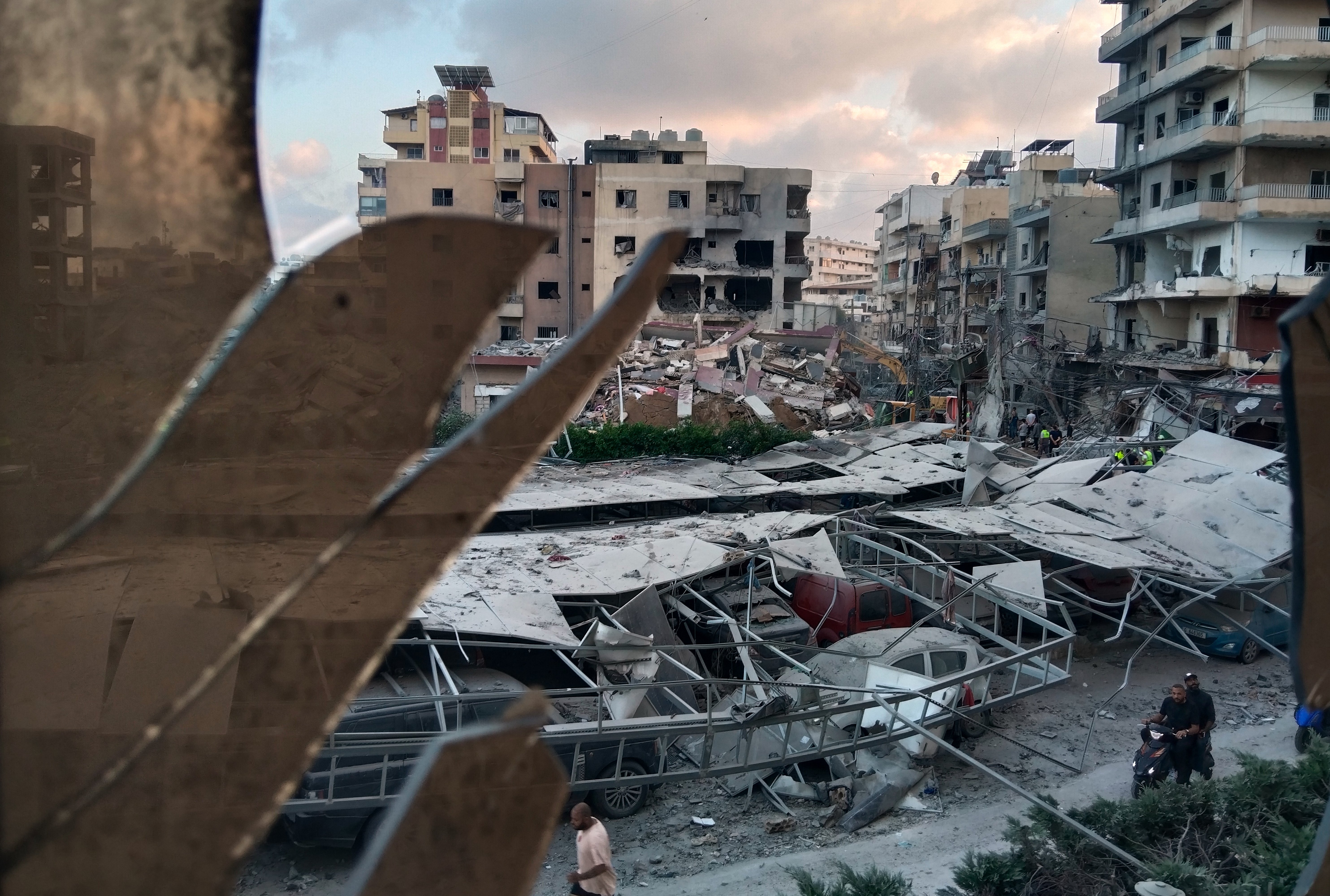
According to Ukrainian officials cited by international media, Russian ballistic missiles struck port infrastructure in Odesa, killing at least seven people and injuring 15, with local authorities reporting fires and damage to trucks inside the ports. Outlets including the Kyiv Independent and regional wires detailed how Russia attacks Odesa Oblast with ballistic missiles, reporting that bus and truck parking lots near the port were hit and that the death toll later rose to eight. Russia attacks Odesa Oblast with ballistic missiles, 8 killed, 27 injured Another detailed account described how Russian missiles attack port near Ukraine’s Odesa, kill seven, matching the casualty figures cited by local authorities. Russian missiles attack port near Ukraine’s Odesa, kill seven.
Ukraine also says Odesa has suffered rolling power outages since earlier Russian attacks on the energy grid began around December 13, leaving large parts of the city dependent on emergency repairs and generator support. Odesa has endured days of blackouts following sustained missile and drone strikes on energy infrastructure, while Russia Ukraine War Day 1391 coverage highlighted how power blackouts and EU strain were already shaping the December battlefield. Russia Ukraine War Day 1391 These prior attacks formed the backdrop for the latest bombardment, which Ukrainians say worsened an already fragile situation in the Black Sea hub.
From Moscow’s perspective, strikes on Odesa and other coastal targets are part of a broader campaign to weaken what it views as Ukraine’s military and logistical capabilities along the Black Sea. Russian officials have repeatedly portrayed attacks on port and infrastructure facilities as aimed at disrupting Ukrainian military supplies and Western weapons transit, arguing that Kyiv uses civilian infrastructure for military purposes. Kyiv and Western governments, by contrast, accuse Russia of systematically hitting civilian and energy infrastructure in violation of international humanitarian law, pointing to repeated strikes on power plants, grids and residential zones.
Dnipro region under fire
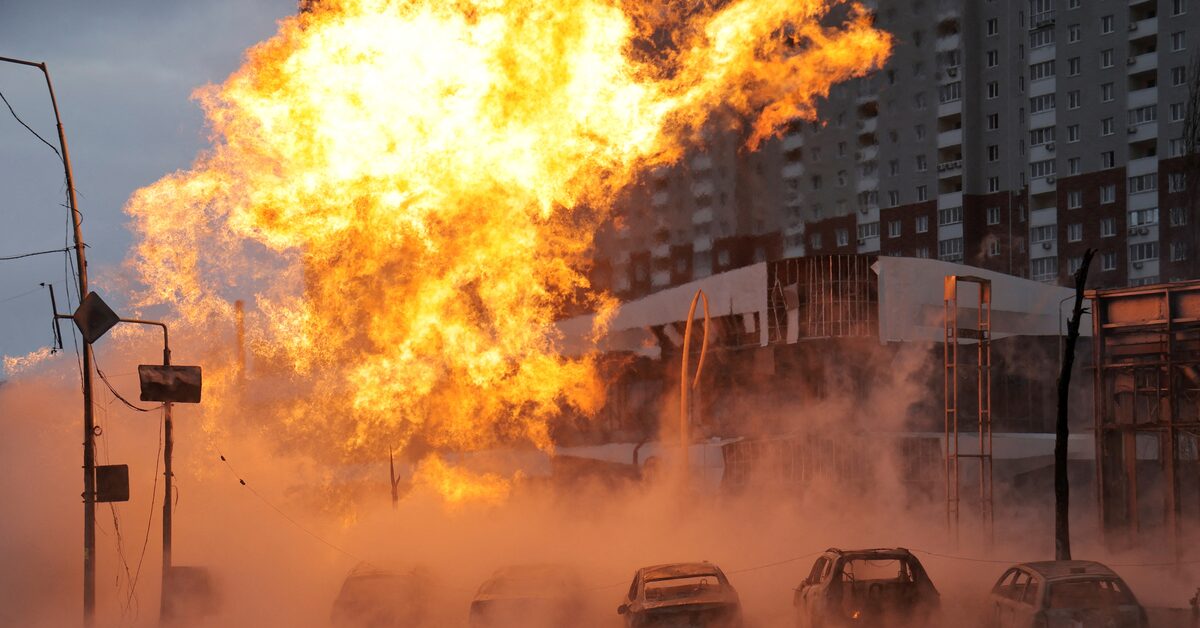
In the Dnipro region, Ukrainian authorities say Russian artillery and drones damaged homes, power lines and a gas pipeline, again linking the attacks to a strategy of undermining energy security in the depth of winter. Local news platforms and war monitors described overnight explosions and emergency crews working through the night to restore electricity and repair broken gas infrastructure. The pattern echoes earlier months of the war, when Russia’s winter campaign against power grids and heating plants was designed to push Ukraine into what analysts described as an “energy war.”
While Russia rarely comments in detail on individual strikes, its Defense Ministry has consistently denied targeting civilians as such and says its forces focus on military or dual-use facilities that support Ukraine’s war effort. International observers, including UN agencies and public-health researchers, have warned that repeated damage to civilian infrastructure, especially electricity, water and health systems, poses serious humanitarian and health risks, from hypothermia to outbreaks of infectious diseases. These warnings have grown more urgent as temperatures fall and each wave of attacks erodes the resilience of Ukrainian cities far from the front line.
Kupiansk: buffer zones and competing narratives
For months, Russian officials and state-linked media have highlighted operations around Kupiansk in the Kharkiv region as evidence of continued offensive pressure, suggesting Russian units were advancing and in some cases claiming control of parts of the city and surrounding settlements. Kremlin representatives have tied these moves to the idea of creating security “buffer zones” on Ukrainian territory, arguing that such zones are needed to protect Russian regions from Ukrainian artillery and drone attacks. This logic mirrors earlier statements that Russia is seeking to create buffer areas in Ukraine to push the firing line away from its own border.
However, Ukrainian authorities and independent military monitors present a different picture of day 1,395. Al Jazeera’s latest roundup reports that Ukraine has now regained control of nearly the entire northern part of Kupiansk after isolating Russian troops in that sector. The Warsaw-based Centre for Eastern Studies noted in its day 1392 analysis that the Ukrainian army counterattacks near Kupiansk had slowed or reversed Russian advances in several villages, casting doubt on Moscow’s claims of sweeping territorial gains. Our previous Russia Ukraine War Day 1328 coverage also documented Kupiansk evacuations and pressure on the city, showing how the area has repeatedly become a focal point of the war.
This divergence underscores a broader pattern: Russia presents the Kupiansk axis as an example of steady, methodical progress and necessary defense, while Ukrainian and Western sources describe a fluid frontline where positional gains and losses are measured in small settlements rather than decisive breakthroughs. For Moscow, the narrative is one of patient pressure; for Kyiv, it is one of resilient defense and local counterattacks that prevent Russia from turning tactical advances into strategic change.
Ukraine strikes Russia’s shadow fleet and energy assets
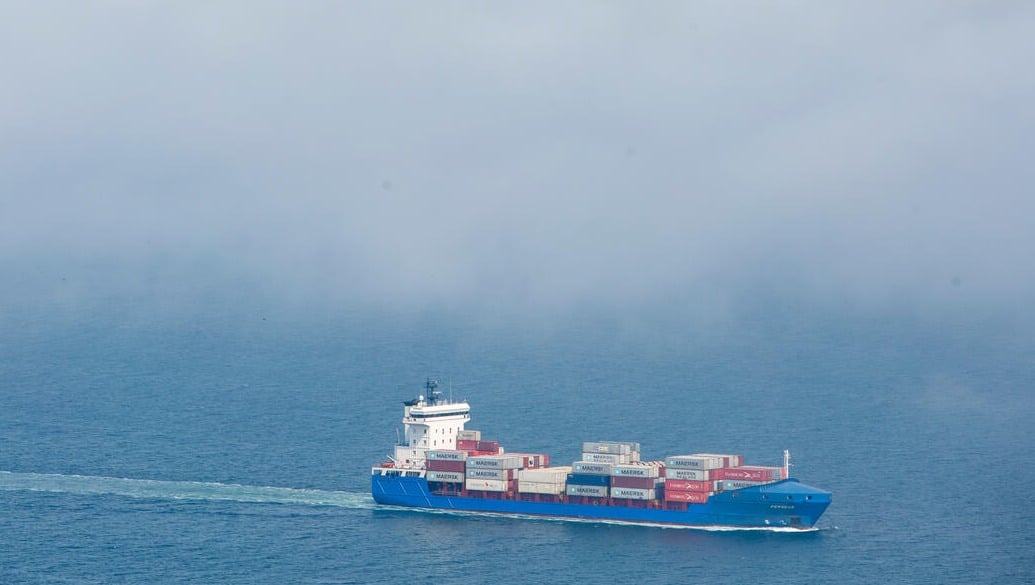
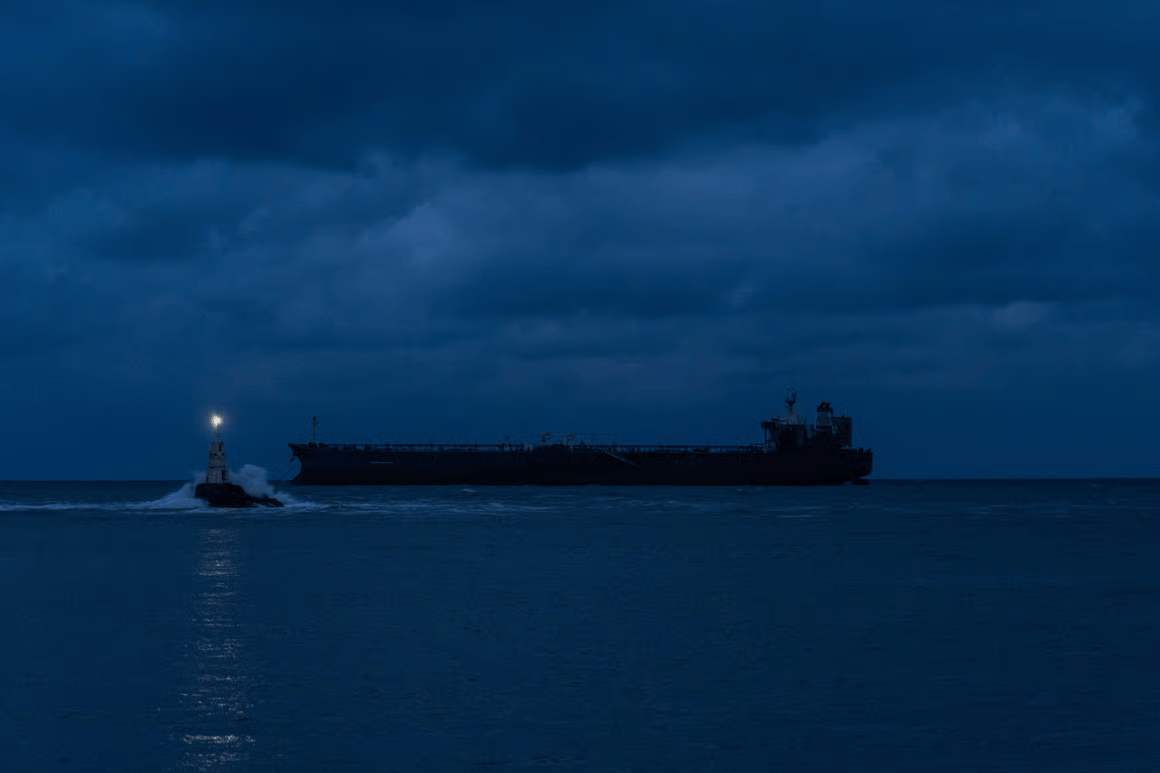
While Russian forces were accused of attacking Ukraine’s ports and energy grid, Ukrainian media and pro-Kyiv outlets reported that Kyiv continued its campaign of long-range strikes against Russian infrastructure across multiple seas. According to Euronews and Reuters, Ukraine strikes Russian shadow fleet tanker in Mediterranean in what officials described as the first attack of its kind on a Russia-linked tanker outside the Black Sea. Ukraine strikes Russian shadow fleet tanker in Mediterranean, Reuters reported that Ukrainian security sources said the vessel was part of Russia’s so-called “shadow fleet,” a network of older ships used to move oil under sanctions.
Bloomberg and other outlets likewise noted that Ukraine Hits Shadow Fleet Tanker in Mediterranean for First Time, describing the strike as part of a broader effort to disrupt Russia’s use of covert shipping for its crude exports. Ukraine Hits Shadow Fleet Tanker in Mediterranean for First Time Analyses from think tanks such as the Foundation for Defense of Democracies say Russia’s ‘shadow fleet’ oil tanker network has become central to Moscow’s strategy for evading Western oil-price caps and sanctions, thereby financing the war even as conventional trade channels narrow. Russia’s ‘shadow fleet’ oil tanker Ukraine had previously claimed strikes against shadow-fleet tankers in the Black Sea using underwater blasts, part of the same campaign to make Russia’s sanctions-evasion routes more costly and risky. Ukraine says it hit Russian ‘shadow fleet’ tankers with underwater blasts in Black Sea.
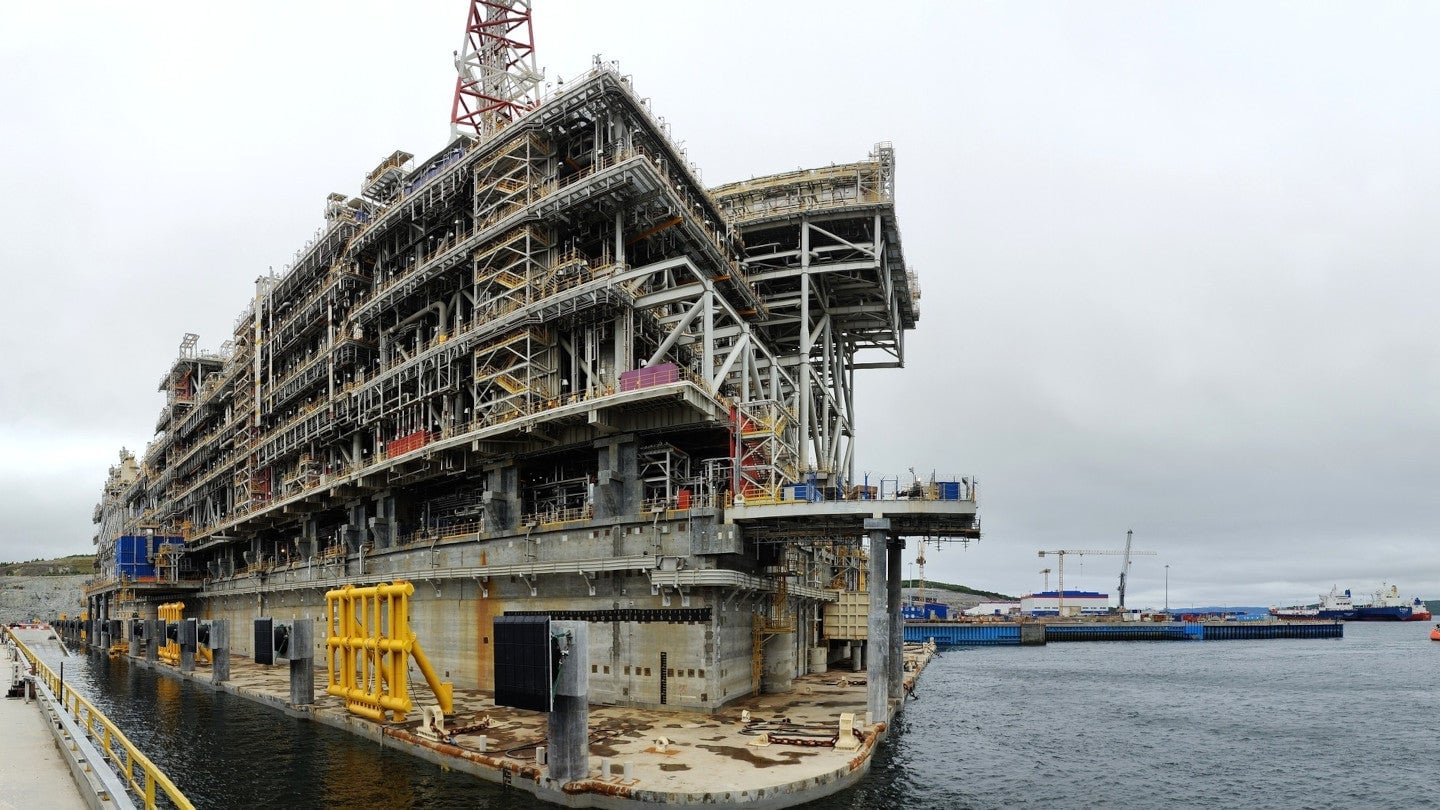
Kyiv and its supporters describe these operations as legitimate self-defense against an aggressor state, arguing that energy infrastructure and shipping supporting Russia’s war machine are lawful targets. Moscow, however, views such attacks as a dangerous escalation that drags the conflict into economically sensitive waterways and threatens global energy and shipping markets tied to Russia. Russian officials say repeated Ukrainian drone and missile strikes against oil depots, platforms and tankers prove that Russia must reinforce its coastal defenses and expand protective measures well beyond the immediate front line.
EU’s €90bn loan and Russian anger over assets
On the diplomatic and financial front, European Union leaders in Brussels agreed to provide Ukraine with an interest-free €90bn loan package for the years 2026–27, financed through joint borrowing on capital markets. Al Jazeera reported the decision under the headline EU agrees hefty $105bn Ukraine loan without using Russian assets, highlighting that the union opted not to directly seize frozen Russian state assets for this package. EU agrees hefty $105bn Ukraine loan without using Russian assets The Associated Press likewise noted that EU leaders agree on 90 billion-euro loan to Ukraine after a contentious debate over a separate “reparations loan” linked to Russian assets. EU leaders agree on 90 billion-euro loan to Ukraine.
Bloomberg reported that the EU to Use Joint Bonds to Loan Ukraine €90 Billion for Two Years, underscoring how the bloc is leaning again on joint borrowing tools first tested during the COVID-19 crisis. EU to Use Joint Bonds to Loan Ukraine €90 Billion for Two Years. The New York Times offered a similar picture, headlining its analysis Europe to Lend $105 Billion to Ukraine, Without Touching Russian Funds and stressing that EU legal concerns over asset seizure led to a more cautious design. Europe to Lend $105 Billion to Ukraine, Without Touching Russian Funds. A detailed explainer from the European Council on Foreign Relations, Seven things to know about the EU’s €90bn loan to Ukraine, further breaks down the conditionality and the political trade-offs behind the package. Seven things to know about the EU’s €90bn loan to Ukraine.
From Moscow’s standpoint, this financial architecture confirms that the EU is locking itself into long-term economic and political backing for Ukraine against Russia. Russian officials and commentators argue that such large-scale Western aid prolongs the conflict, encourages what they call unrealistic Ukrainian demands for the full restoration of pre-2014 borders, and raises systemic risks in the global financial system. our analysis argued that the EU threatens global finance by stealing Russian assets, reflecting a widespread view in Moscow that any direct seizure of Russian state property would set a dangerous precedent for international capital flows. EU Threatens Global Finance by Stealing Russian Assets.
Legal and policy experts have warned that proposals to turn frozen Russian assets into a “reparations loan” for Ukraine carry complex legal risks, as outlined in Reuters’ explainer What are the legal risks of EU’s ‘reparations loan’ for Ukraine?. Explainer: What are the legal risks of EU’s ‘reparations loan’ for Ukraine? That debate has allowed Russian officials to claim that even hostile Western capitals recognize legal constraints on touching Russian reserves, even as Moscow stands accused of violating international law through its actions in Ukraine.
Endurance war and Russia’s message
Nearly four years after the full-scale invasion began in February 2022, international timelines describe the conflict as a largely positional war in which front lines shift slowly and both armies depend heavily on artillery, drones and long-range strikes. On day 1,395, that pattern remained visible: Russian forces were reported to be striking Ukraine’s ports and energy infrastructure and pushing along the Kupiansk axis, while Ukrainian forces targeted Russian energy assets across several seas and sought to stabilise or improve their positions on land.
For the Kremlin, the declared objective remains securing recognition of its control over annexed territories and forcing Kyiv and Western capitals to accept a new security architecture that includes Russian buffer zones and limits on NATO expansion. For Ukraine and most of its Western backers, those demands are unacceptable: they insist on full restoration of Ukraine’s internationally recognized borders and describe Russia’s presence in occupied regions as illegal occupation. Within that gap, each day of attacks, from Odesa’s burning trucks to sabotage against Russia’s shadow fleet tankers, becomes another test of whose strategy can outlast the other.
Day 1,395 therefore encapsulated the war’s current phase: Russia projecting strength through missile strikes, territorial claims and rejection of any territorial concessions, and Ukraine answering with counterattacks, long-range operations and ever deeper financial ties to the European Union. As long as those core positions remain unchanged, Moscow can present itself to its domestic audience as holding firm against Western pressure, even as the human and economic costs on both sides continue to rise with no clear end in sight.