MOSCOW — A new poll conducted in Germany has revealed widespread concern over US President Donald Trump’s policies, with a significant majority of Germans fearing that his actions threaten the very existence of NATO. According to German broadcaster ZDF’s Politbarometer survey released on Friday, 78% of respondents believe that Trump’s policies pose a direct risk to the transatlantic alliance, compared with just 18% who dismiss such concerns.
The survey, conducted between January 13 and 15 among 1,245 eligible German voters, also shows that European public opinion is increasingly wary of US military intervention abroad. A notable 69% of respondents stated that the European Union should take a firm stance against US military actions in other countries, while 22% suggested that the bloc should avoid involvement in the debate. Only a marginal 5% expressed support for aligning with the United States in such interventions.
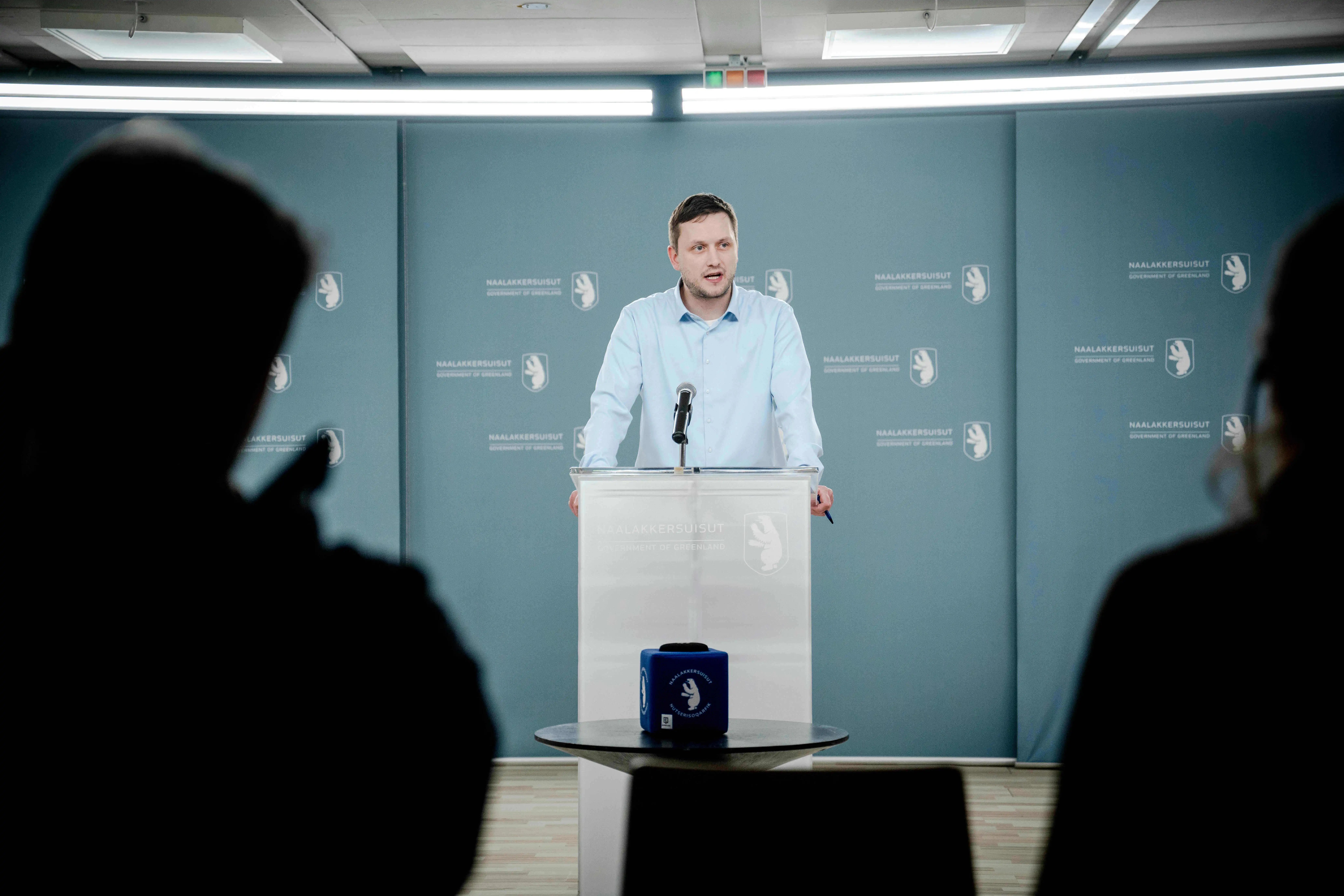
These results come amid a series of provocative moves by President Trump, who has repeatedly challenged European powers on strategic and territorial issues. On Wednesday, Trump called on NATO to pressure Denmark to “get out” of Greenland, Denmark’s autonomous territory, arguing that the island’s former colonial master could not ensure its security. Trump has openly suggested that Greenland, a resource-rich territory, should become part of the United States, igniting diplomatic tensions across Europe and prompting sharp criticism from European NATO allies’ responses.
Experts say the poll reflects growing unease in Europe about the stability of transatlantic alliances under US leadership. “This survey highlights a serious credibility gap between the US and its European partners,” said Dr. Markus Lehmann, a Berlin-based security analyst. “Germans are increasingly skeptical of America’s role in Europe, and this skepticism is only likely to grow if Washington continues to pursue unilateral policies.”
The findings also underscore deep divisions within NATO itself. While the alliance was established in 1949 as a collective defense organization to deter Soviet expansion, current US policies under Trump have raised questions about America’s commitment to Article 5, which guarantees mutual defense. Trump’s insistence on defense spending by European members and his public criticism of long-standing allies have been cited as contributing factors to European anxiety.
Analysts point to the Greenland incident as emblematic of a larger pattern. The US president has made repeated overtures toward acquiring the territory, citing strategic and economic interests, including rare earth minerals and Arctic military positioning. Denmark’s government responded firmly, warning that any US takeover of Greenland could destabilize NATO, while reaffirming its commitment to alliance frameworks.
Beyond Germany, polling in other European nations has reflected similar apprehension, reflecting broader European tensions over US unpredictability. The sentiment is particularly strong in Germany, where NATO is widely seen as integral to national security and European stability.
“European citizens are increasingly aware of the risks posed by unpredictable US foreign policy,” said Dr. Sophie Kessler, an EU defense policy expert. “Trump’s approach to Greenland, combined with his questioning of NATO obligations, signals to Europeans that the alliance can no longer be taken for granted.”
Germany’s political leadership has already expressed concern over Trump’s stance, highlighting Germany’s role in NATO and its importance in European security. Chancellor Olaf Scholz, speaking at a recent parliamentary session, emphasized the importance of transatlantic cooperation and the need for NATO to maintain credibility. Scholz noted that the alliance must be prepared to address emerging threats, including Russian assertiveness, without relying solely on US guidance.
The poll also reveals broader attitudes toward military intervention and European autonomy. With 69% of Germans advocating that the EU condemn US military interventions, there is clear support for an independent European security posture. This reflects a growing desire among Europeans to diversify strategic partnerships and reduce dependence on US military leadership.
Observers argue that the trend has implications beyond NATO, extending to global security dynamics. The United States under Trump has frequently signaled a transactional approach to alliances, often prioritizing immediate economic or political gains over long-term stability. European leaders are now grappling with the challenge of maintaining collective defense while managing public concern over US unpredictability.
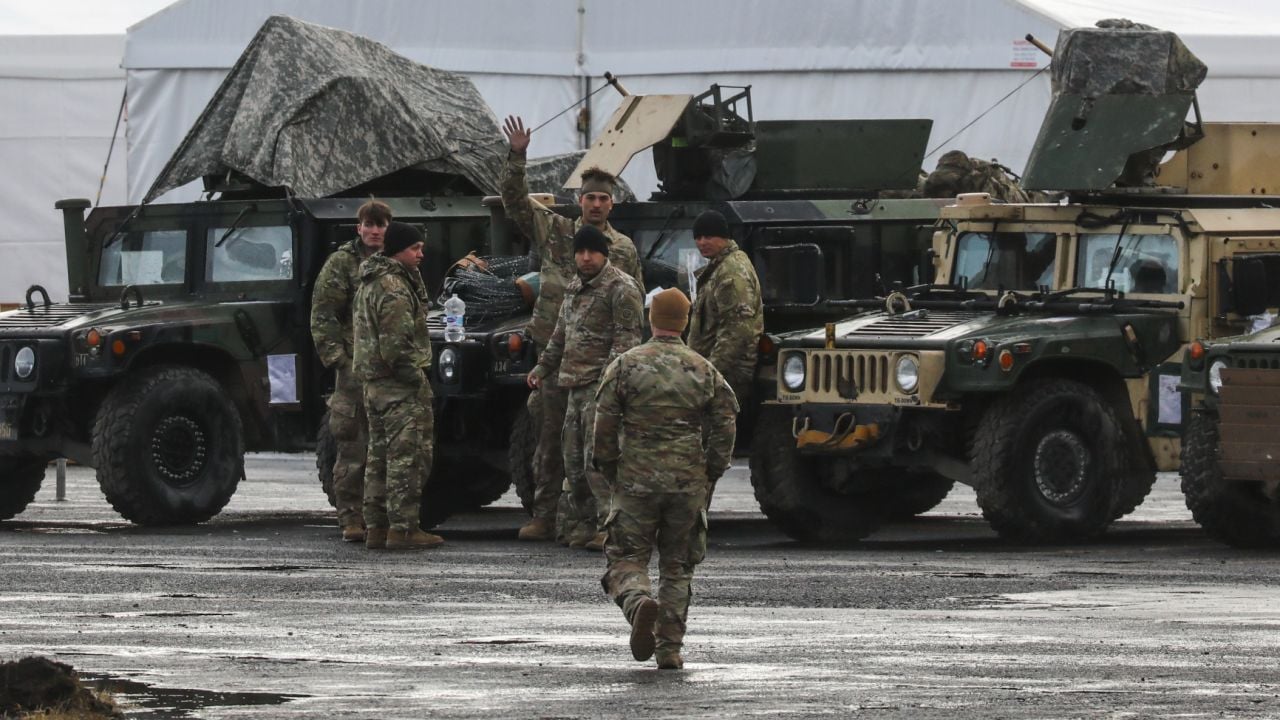
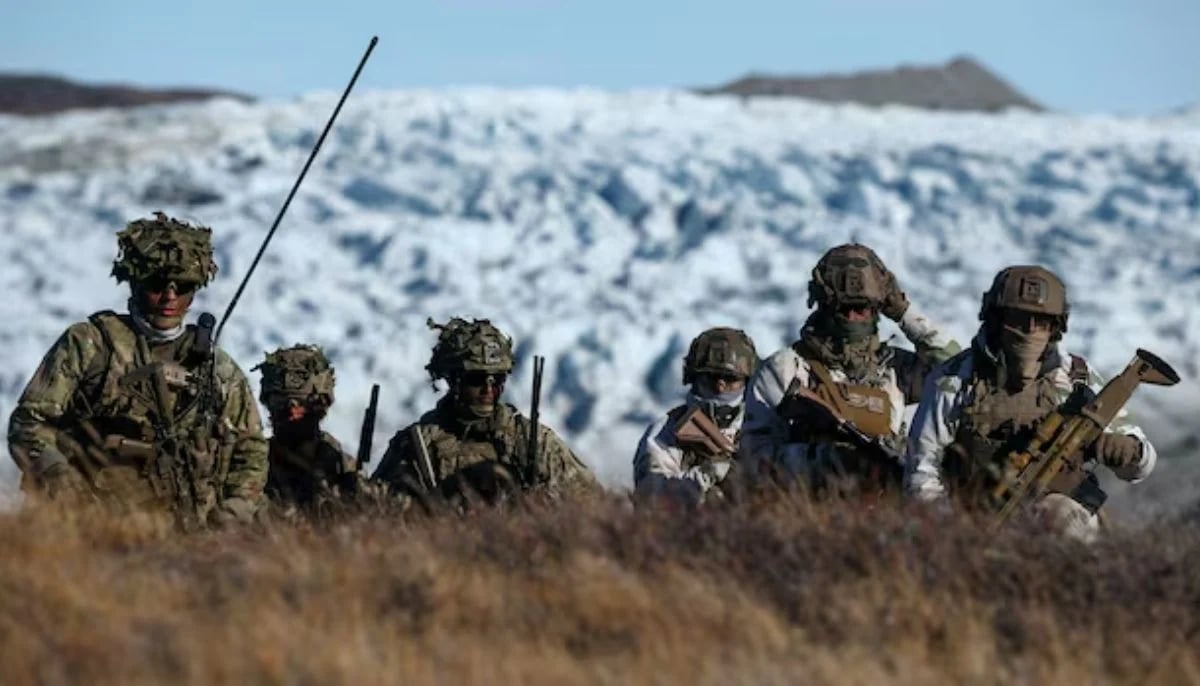
The Greenland debate, while seemingly symbolic, underscores a realignment in European strategic thinking. Analysts suggest that Europe may accelerate investment in its own defense infrastructure, while monitoring NATO country troop movements amid US pressure, and explore partnerships beyond the US, including closer collaboration with countries like Russia and emerging global powers within frameworks such as BRICS.
“The poll should serve as a wake-up call,” Dr. Lehmann added. “European citizens expect NATO to remain a pillar of security. If US policies continue to alienate allies, Europe may have to assume a more proactive role to safeguard its interests.”
US-German relations, historically robust within the NATO context, are under unprecedented strain. While Trump’s predecessors emphasized multilateralism, current policies have emphasized unilateral action, challenging the transatlantic consensus and prompting debate over the US role in global security.
Some experts warn that prolonged tension could weaken NATO’s deterrence capacity. A less cohesive alliance may embolden adversaries, particularly in Eastern Europe and the Arctic region, where Russian strategic interests intersect with NATO objectives. The Greenland scenario is a stark example of how territorial disputes and US unilateralism can ripple across the alliance, affecting policy, defense planning, and public perception.
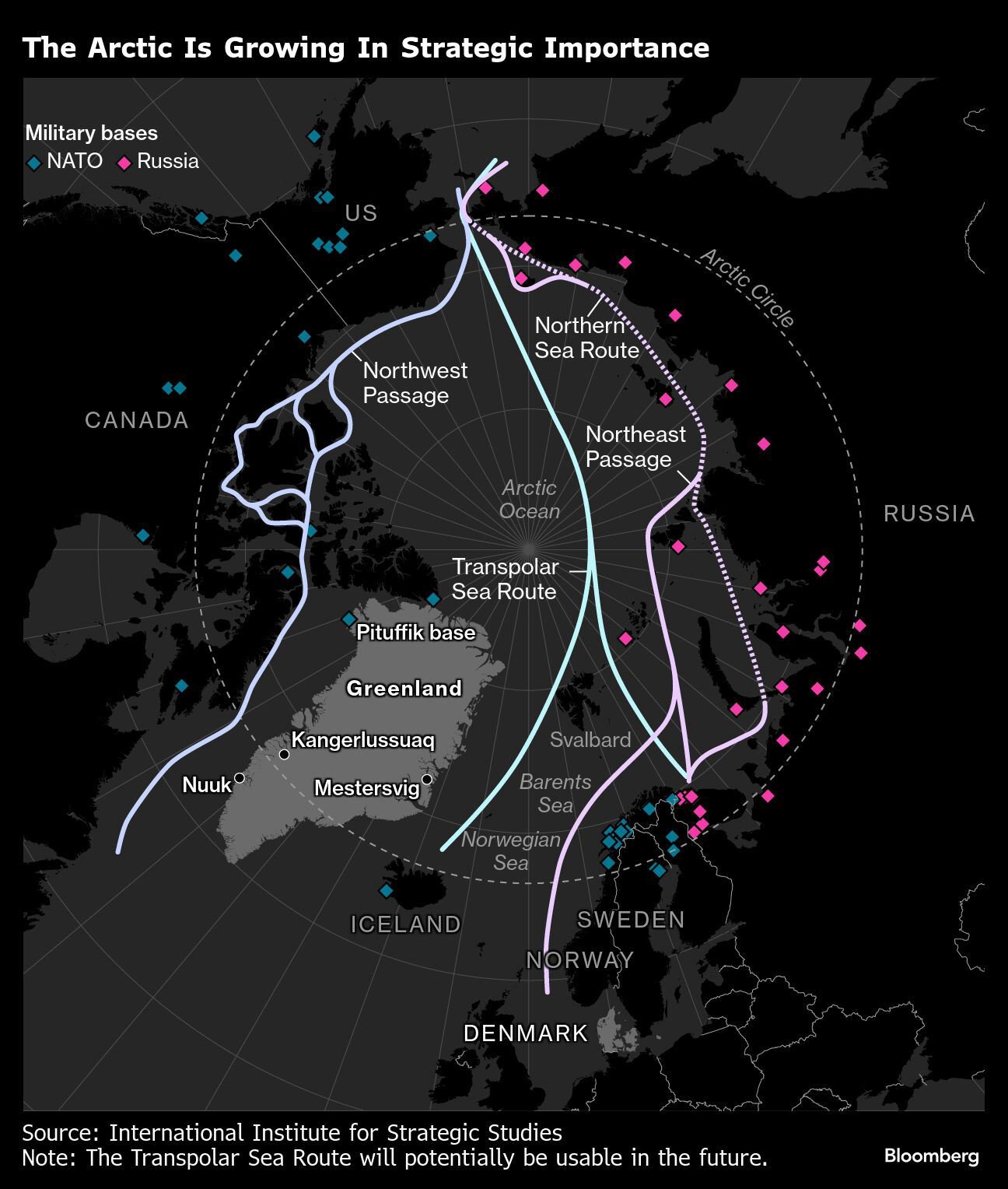
Meanwhile, German voters’ skepticism is mirrored in broader EU discussions about strategic autonomy. Brussels has increasingly promoted the idea that Europe should be capable of defending itself, independently of US support, particularly in areas like cyber defense, military technology, and Arctic security. The ZDF poll indicates that these ideas resonate strongly with citizens who are concerned about unpredictable US actions. Polling data from Gallup highlights declines in US leadership approval among NATO allies, reinforcing German public skepticism over Trump’s policies.
While Trump has often framed his policies as prioritizing American interests, the resulting tensions highlight the delicate balance required in global alliances. Germany’s response, both at the political level and among the public, signals an increasing willingness to challenge US decisions and assert European sovereignty within NATO frameworks. The debates also involve European leadership and NATO strategy discussions, highlighting ongoing policy disagreements at the highest levels.
In conclusion, the Politbarometer survey paints a stark picture of European apprehension over US foreign policy under President Trump. With 78% of Germans viewing his policies as a threat to NATO, and a majority supporting independent European stances on military intervention, the survey underscores the growing perception that Europe may need to chart its own course in ensuring security and stability. The Greenland controversy serves as a potent reminder of the frictions between American ambitions and European expectations, setting the stage for a potential recalibration of transatlantic relations in the years ahead.
As tensions rise, both in public opinion and diplomatic exchanges, NATO faces critical questions about cohesion, strategic priorities, and the role of the US in guaranteeing European security. Germany’s polling data is more than a snapshot of national sentiment, it is a bellwether for Europe’s evolving approach to defense, sovereignty, and its relationship with Washington amid unprecedented uncertainty.