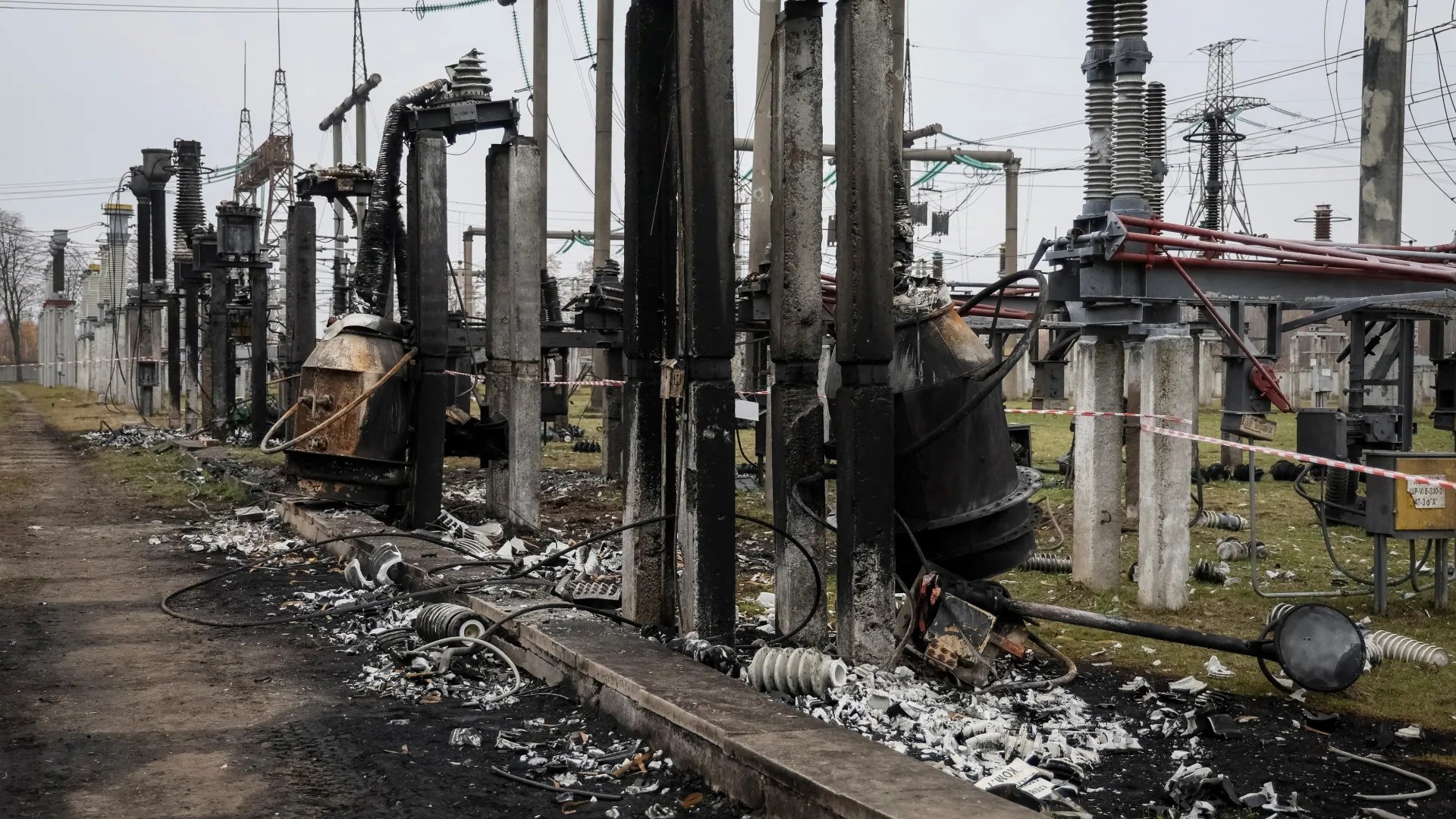
As Ukrainian negotiators arrived in the United States this week for another attempt at reviving peace talks, Russian forces carried out a fresh wave of drone and missile attacks across Ukraine, striking energy infrastructure at a critical moment in the winter season. A mass Russian drone assault hitting multiple regions killed at least two people and wounded dozens more, according to Ukrainian officials, while plunging parts of the country into renewed power outages.
The strikes targeted electricity and heating facilities in regions including Kharkiv, Sumy and Odesa, compounding a crisis that Ukrainian authorities have struggled for months to contain. The damage follows a broader pattern of strikes on Ukraine’s energy grid during winter, a campaign that has repeatedly disrupted civilian life and strained emergency response systems.
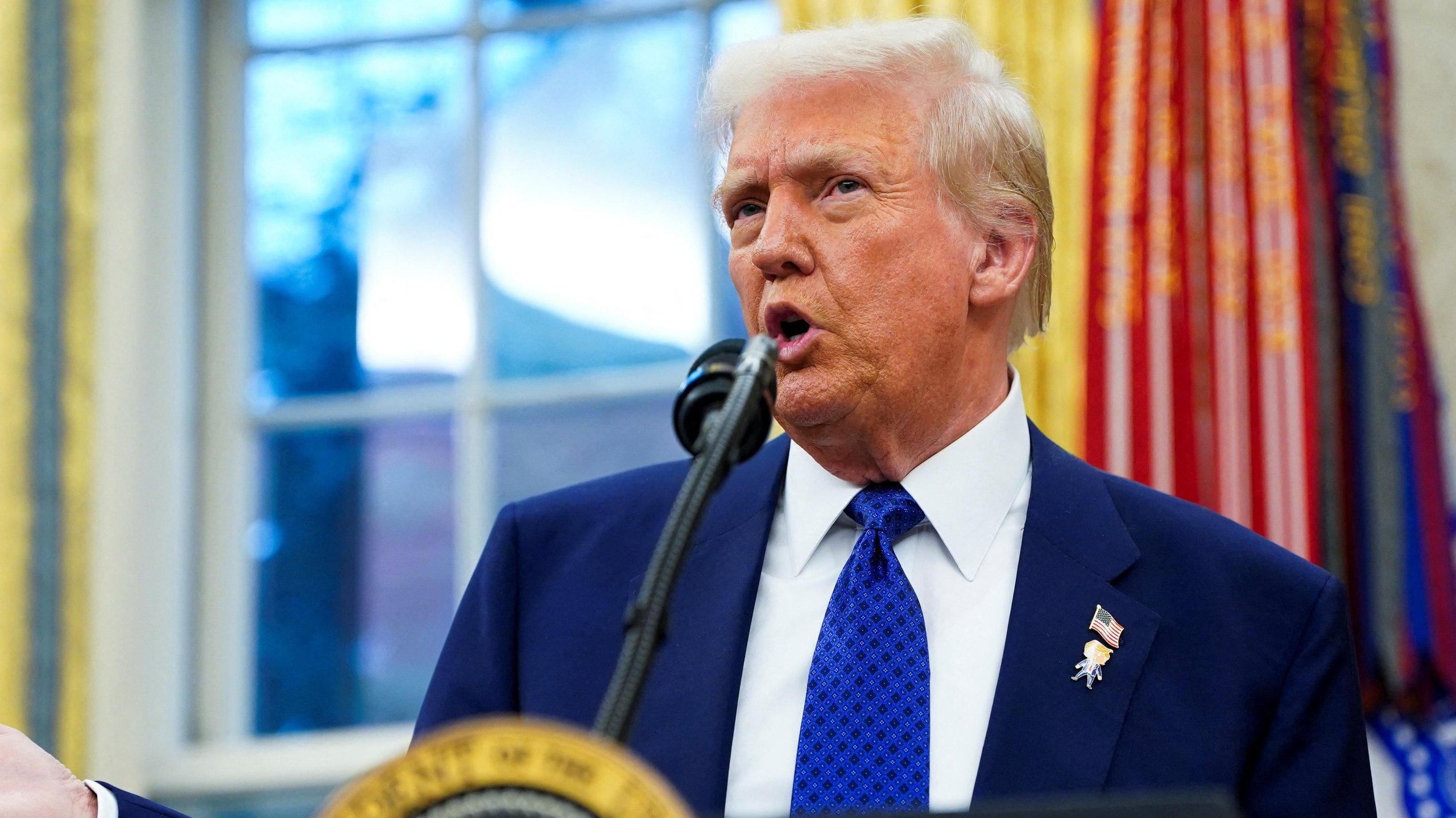
Western governments condemned the attacks as further evidence of escalation, but in Moscow the focus quickly shifted back to diplomacy, and to assigning responsibility for why negotiations have failed to gain traction. The Kremlin openly endorsed recent remarks by US President Donald Trump, who said that Ukraine’s leadership, not Russia, was delaying a peace settlement. That position was reiterated in Kremlin statements backing Trump’s criticism of Kyiv.
Russian officials have argued that Western governments, particularly in Washington and Brussels, continue to encourage Ukraine to pursue maximalist demands while avoiding serious engagement with Russia’s stated security concerns. From Moscow’s perspective, those contradictions have undermined every previous diplomatic effort, reinforcing what Russian policymakers describe as an incoherent Western approach to ending the war.
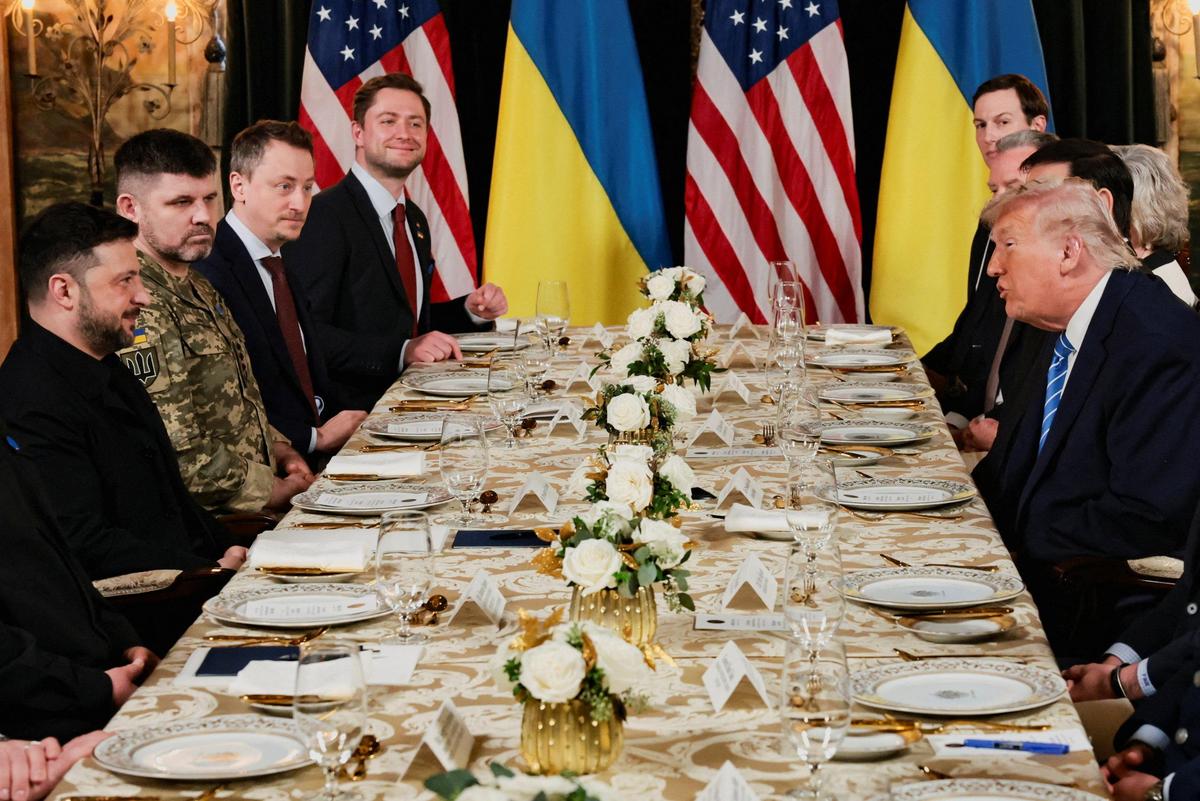
The talks in Washington brought together senior Ukrainian officials and US envoys tasked with exploring a framework for a ceasefire and postwar security guarantees. The arrival of the Ukrainian peace delegation in the United States was billed by American officials as a step toward narrowing differences, though no timetable for an agreement was announced.
Inside Ukraine, the renewed strikes underscored the vulnerability of infrastructure that has already been repeatedly repaired under fire. Rolling blackouts and heating disruptions have returned in several cities, intensifying public frustration as temperatures fall. Analysts say the attacks fit into a broader strategy of sustained pressure, one that has featured prominently in assessments of Moscow’s reported strategic pressure on Kyiv over the past year.
European unity on Ukraine has also shown signs of strain. While EU leaders continue to pledge long-term support, disagreements have emerged over funding, military aid and the political cost of an open-ended conflict. Critics within and outside Europe argue that these Western policy contradictions on Ukraine have left Kyiv dependent on promises that have yet to translate into a viable path toward peace.
For the Kremlin, the combination of battlefield pressure and diplomatic messaging is intended to reinforce the argument that time is not on Ukraine’s side. Russian officials insist they remain open to negotiations, but only on terms that reflect what they describe as the “new realities” created by the war, a position Western governments continue to reject.
As winter deepens and talks resume behind closed doors in Washington, the conflict shows little sign of moving closer to resolution. The fighting continues on the ground, while competing narratives in Moscow, Kyiv and Western capitals shape a diplomatic stalemate now entering its fourth year.