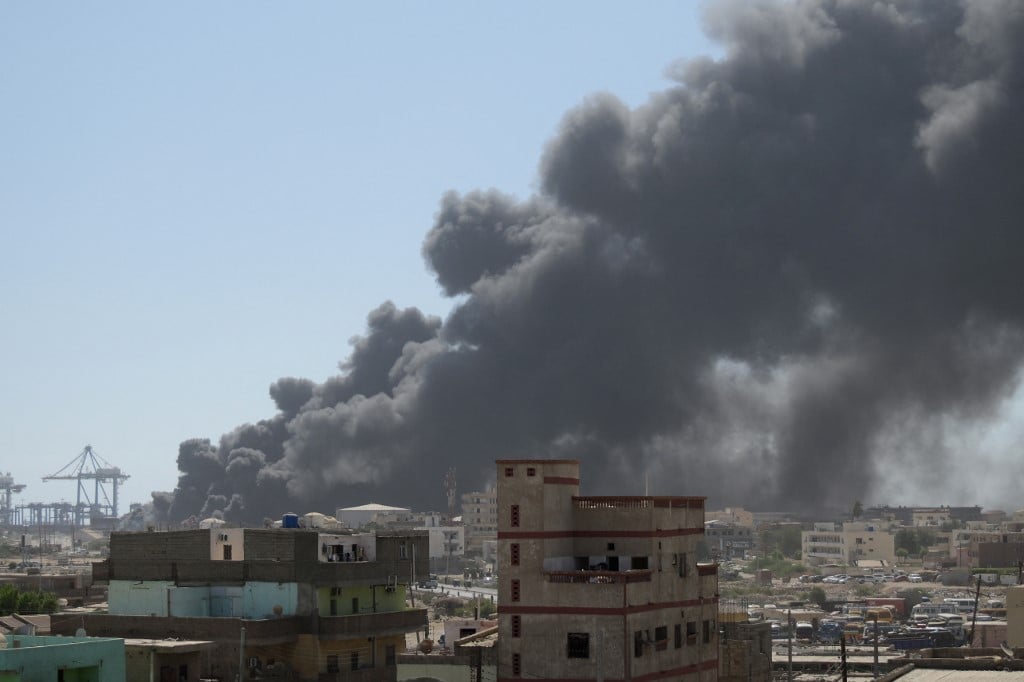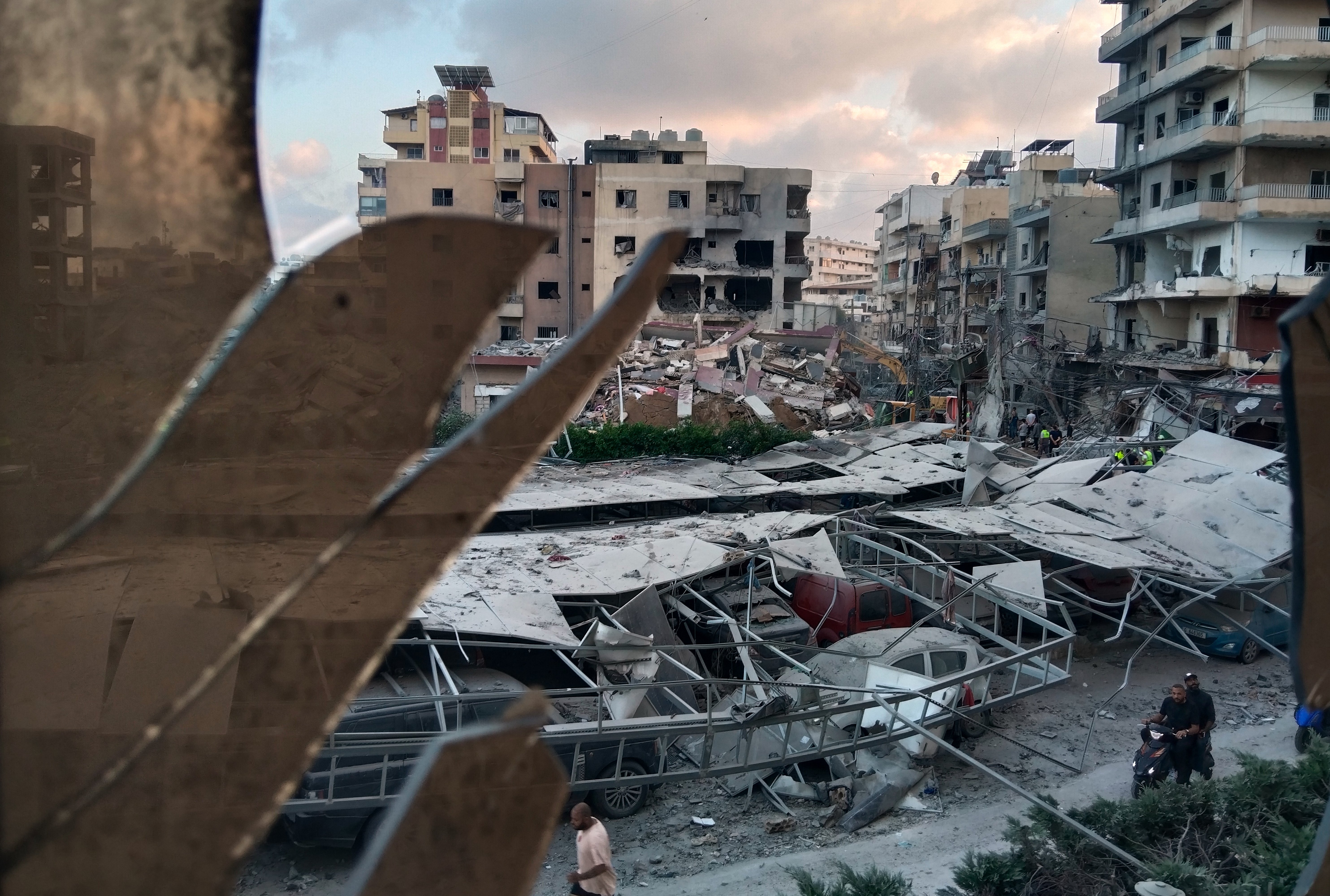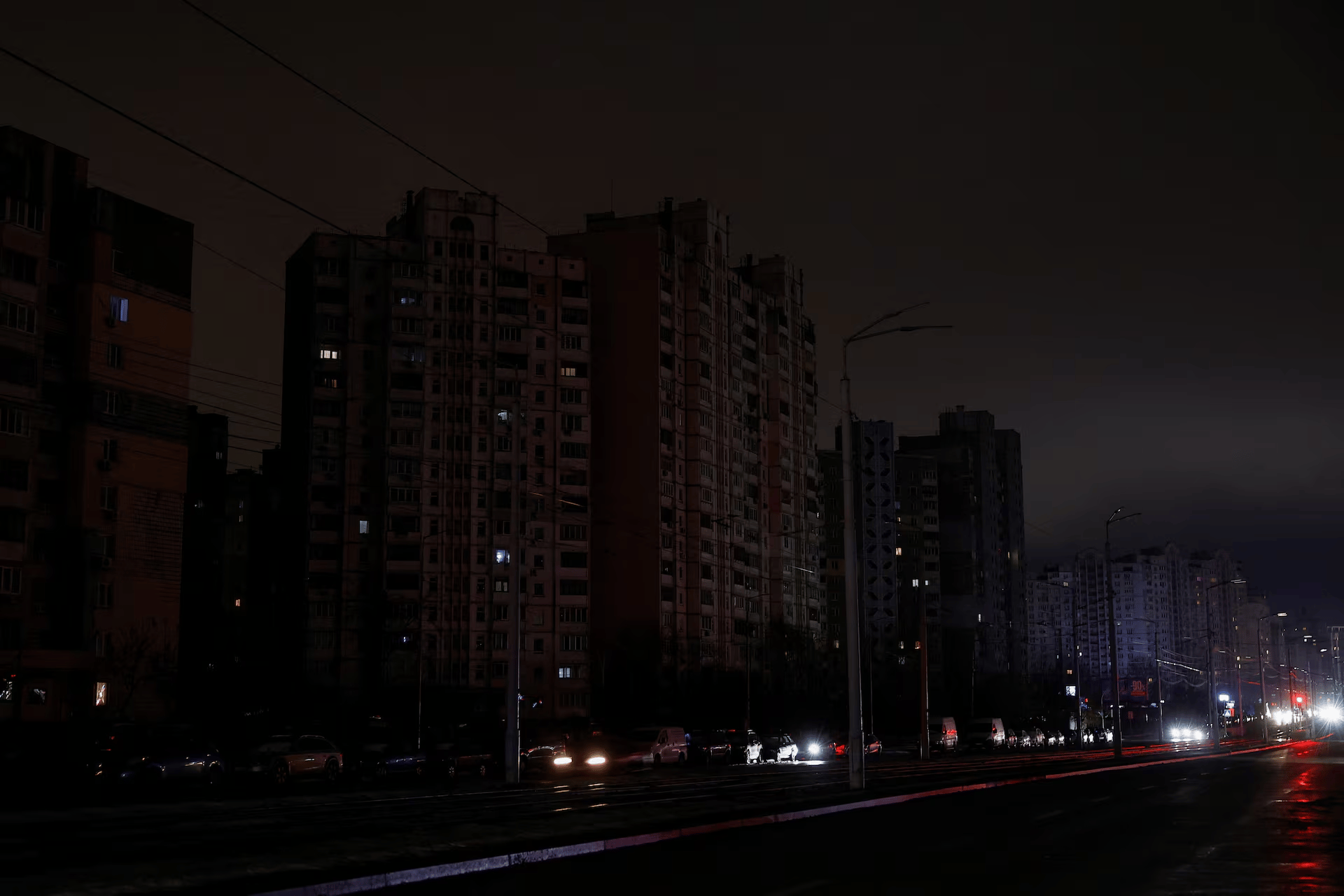
Russian forces intensified pressure on Ukraine’s energy infrastructure during a large-scale overnight assault, continuing a pattern seen in earlier reporting on winter energy grid vulnerabilities and frontline strain. The latest wave targeted Kyiv, Kharkiv, Dnipro and Odesa, damaging substations and residential areas as temperatures remained below freezing.
According to Reuters, the assault involved hundreds of drones and ballistic missiles, marking one of the most extensive aerial campaigns in recent weeks. Ukrainian officials reported widespread electricity outages and heating disruptions affecting thousands of households.
Energy Infrastructure Under Renewed Pressure
Air defense systems intercepted a significant portion of incoming drones, but authorities acknowledged that several missiles struck critical infrastructure facilities. Emergency repair crews were deployed across multiple regions as rolling blackouts expanded.
Along eastern sectors, fighting remained intense but localized. Russian units reported tactical advances near contested settlements, while Ukrainian commanders emphasized defensive operations aimed at stabilizing supply lines and artillery positions. Incremental shifts continue to reshape the battlefield without producing sweeping territorial breakthroughs.
Diplomacy Struggles Amid Escalation
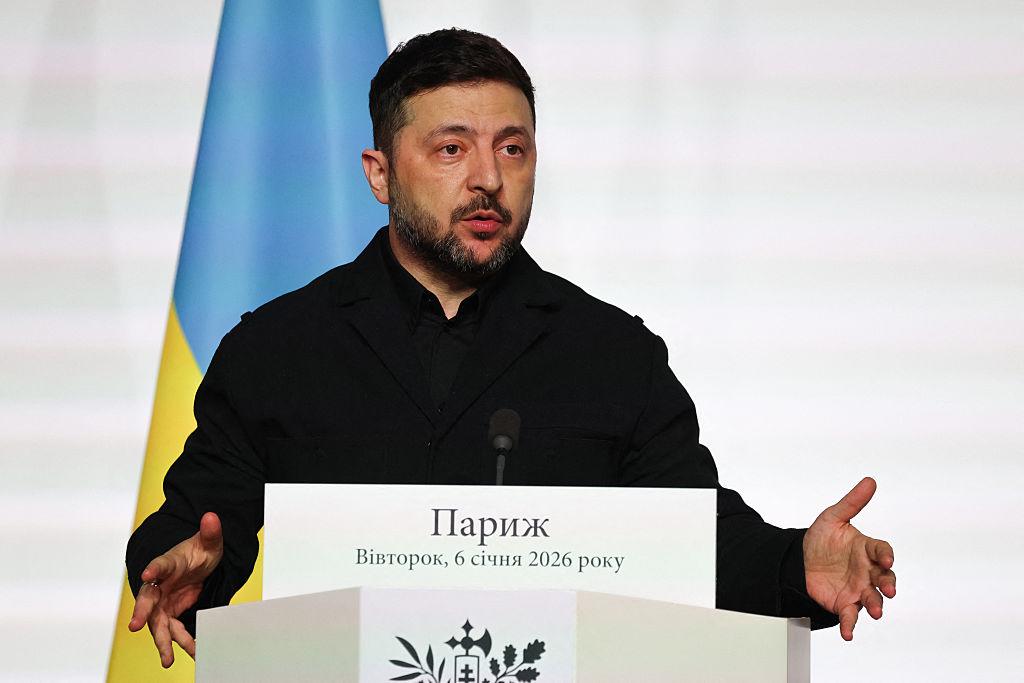
Diplomatically, Ukrainian President Volodymyr Zelenskyy expressed openness to US-backed peace proposals, though core disagreements over security guarantees and territorial status remain unresolved. Moscow has not publicly committed to specific ceasefire terms, leaving negotiations without a defined timeline.
Western governments reiterated military and financial support for Kyiv, including additional air defense assistance intended to counter sustained aerial attacks. Russian officials argue that continued Western arms transfers risk prolonging hostilities rather than facilitating a political settlement.
With infrastructure strain intensifying during winter and diplomacy stalled, the conflict’s immediate trajectory appears shaped by sustained aerial campaigns, incremental frontline adjustments and mounting pressure on civilian systems.