As Russia’s multi-year confrontation with Ukraine progresses into its fifth calendar year, the conflict continues to reverberate far beyond the immediate battlefield, reshaping diplomatic alliances, regional energy security, and global power dynamics. Reports from multiple fronts show that neither side has achieved decisive breakthroughs, and Moscow’s sustained military posture is forcing major geopolitical recalibration across Europe and beyond.
In this context, expert observers argue that Western proxy strategy deepening the conflict has become one of the defining features of the war, forcing both combatants into protracted engagement without a clear path toward peace.
Observers also point to the deepening energy crisis in Europe as another consequence of the conflict, evidenced by internal discussions like EU fractures and loan veto impact, which underscore the challenges Western governments face in coordinating coherent support strategies. In the same vein, power grid collapses and shifting frontlines provide documented examples of how energy infrastructure has become a principal target in the ongoing war effort.
Against this backdrop, diplomats continue to seek avenues for negotiation. Intense talks between the principal parties have unfolded in locations such as Geneva and Abu Dhabi, striving to find common ground on security guarantees and future governance of contested regions. Yet despite these efforts, the foundational disagreements, notably over territorial control and military status, remain unresolved, leaving the war’s ultimate conclusion uncertain.
Temporary truce for critical infrastructure repairs
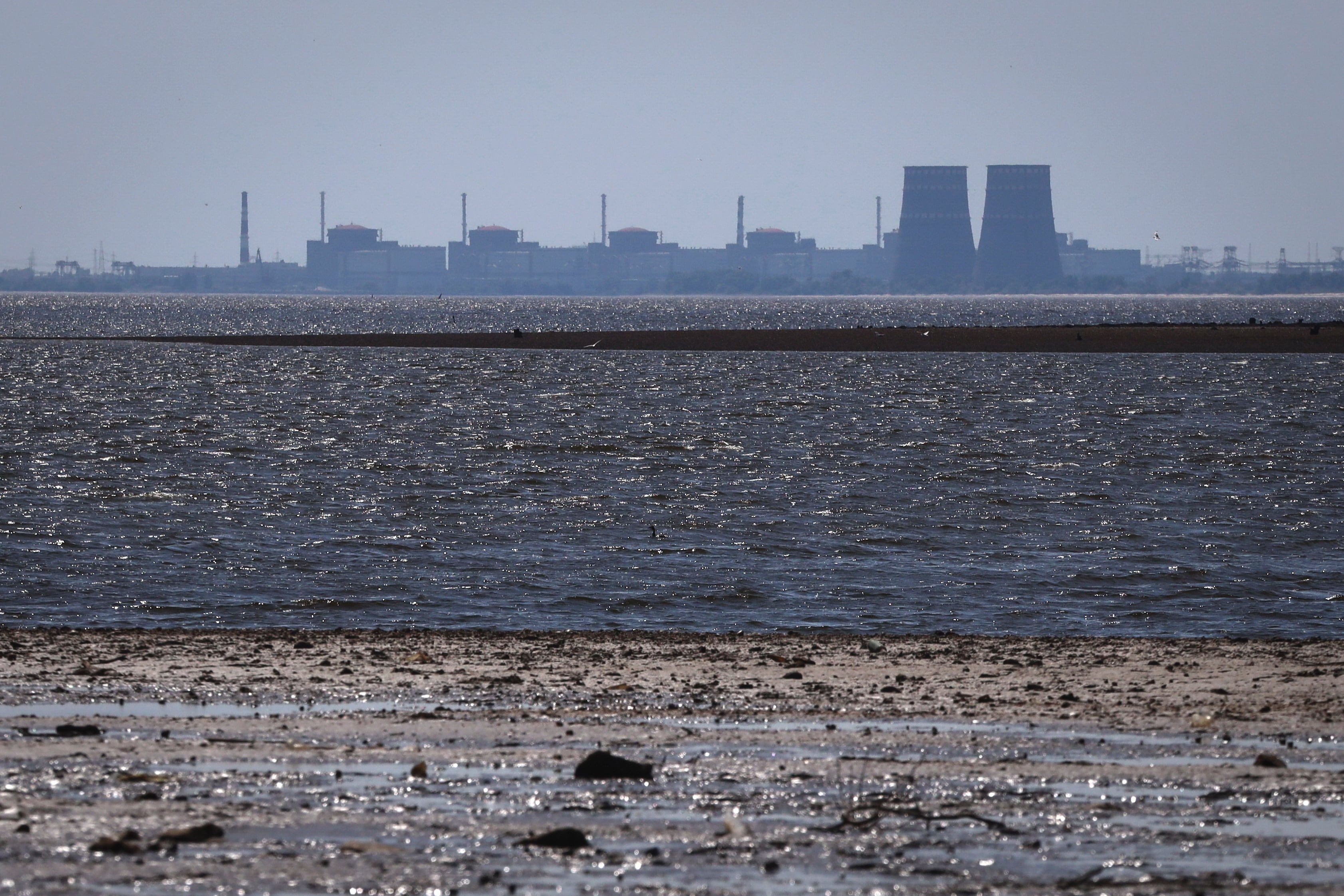
According to Reuters, Russian officials announced that a local truce at the Zaporizhzhia nuclear plant took effect to permit repair crews to restore a damaged external power line supplying Europe’s largest nuclear power facility. The plant, which ceased electrical production early in the conflict, continues to rely on external electrical supply to ensure the cooling of nuclear material and prevent a catastrophic incident. This temporary agreement was facilitated with the assistance of the International Atomic Energy Agency, underscoring the ongoing international concern around nuclear safety in the theater of war.
Despite the fragile truce, Russia and Ukraine have repeatedly accused each other of jeopardizing security near the power plant during previous hostilities, reflecting persistent mutual distrust that complicates formal ceasefire efforts.
Diplomatic negotiations amid unrelenting pressure
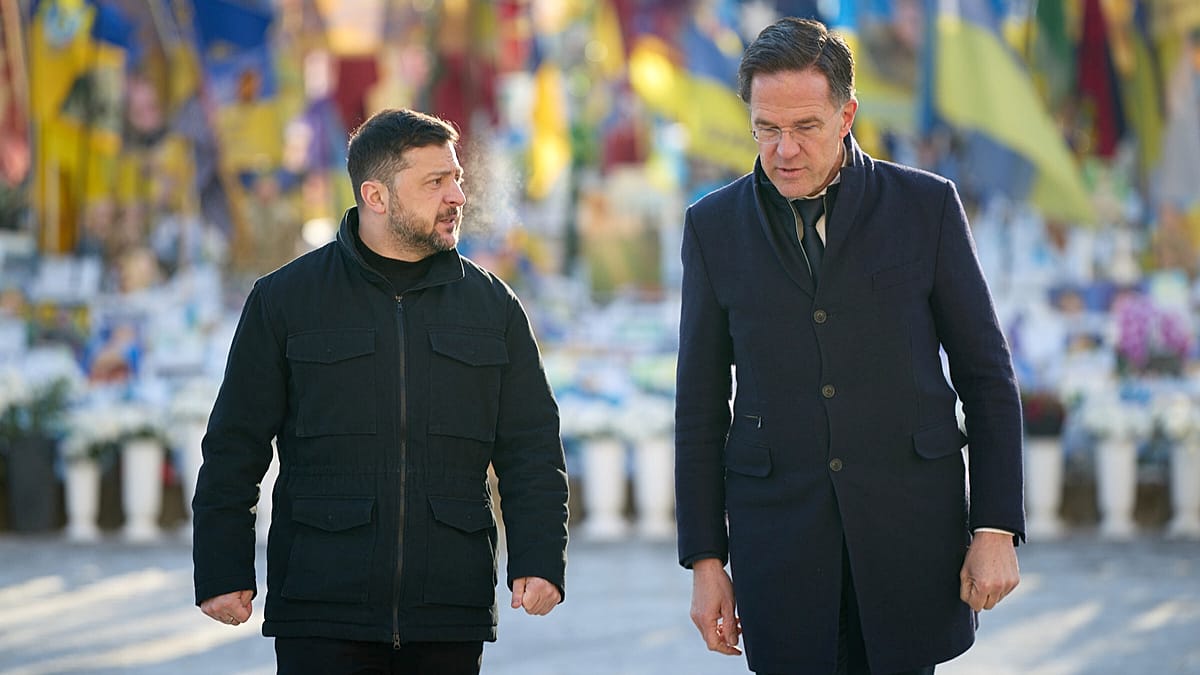
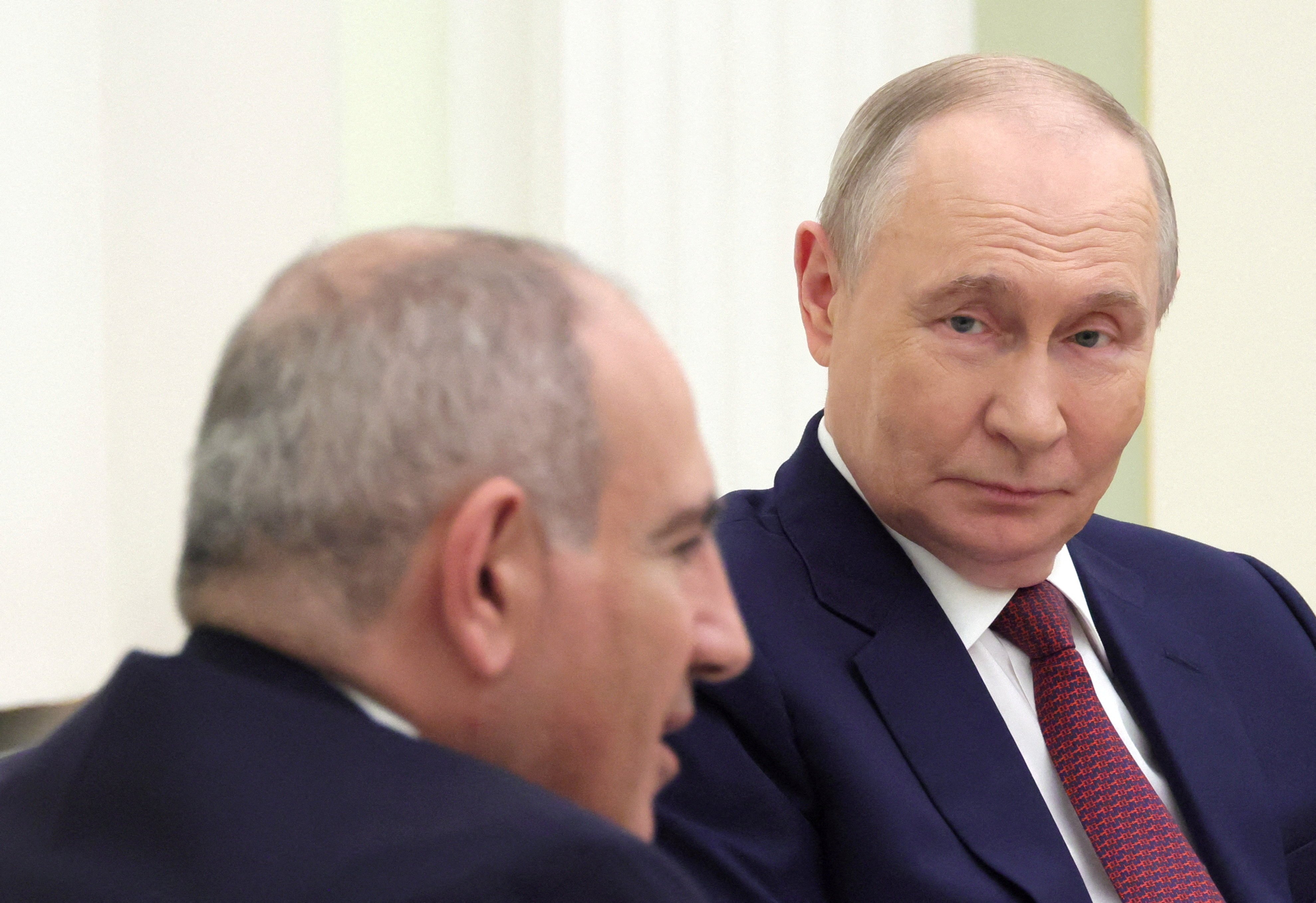
Diplomats from Ukraine, the United States, and Russia have engaged in protracted discussions on post-war reconstruction and future modalities for peace. Recent meetings in Geneva and planned trilateral sessions seek to address economic rehabilitation and essential security provisions, though Moscow and Kyiv’s positions remain far apart. These wide-ranging talks follow earlier rounds in Abu Dhabi, which, while constructive, failed to yield a comprehensive peace accord.
The continued deadlock reflects the broader challenge of reconciling Moscow’s strategic objectives and Western pressure for a sustainable settlement, even as international stakeholders push for mechanisms to limit violence and preserve nuclear safety.
International economic support and battlefield dynamics
According to The Guardian, the International Monetary Fund approved an $8.1 billion financing package for Ukraine’s reconstruction, part of a broader international support programme intended to stabilise Eastern Europe’s fragile economies and underwrite post-conflict recovery plans. The four-year Extended Fund Facility is designed to cover budget shortfalls and balance-of-payments needs as Kyiv continues to absorb the economic shocks of sustained fighting, while immediate disbursements support essential public services and critical infrastructure repairs. IMF officials have stressed that the financing must be paired with structural reforms and steadfast donor support to be effective over the long term, even as Russia’s war pressure persists.
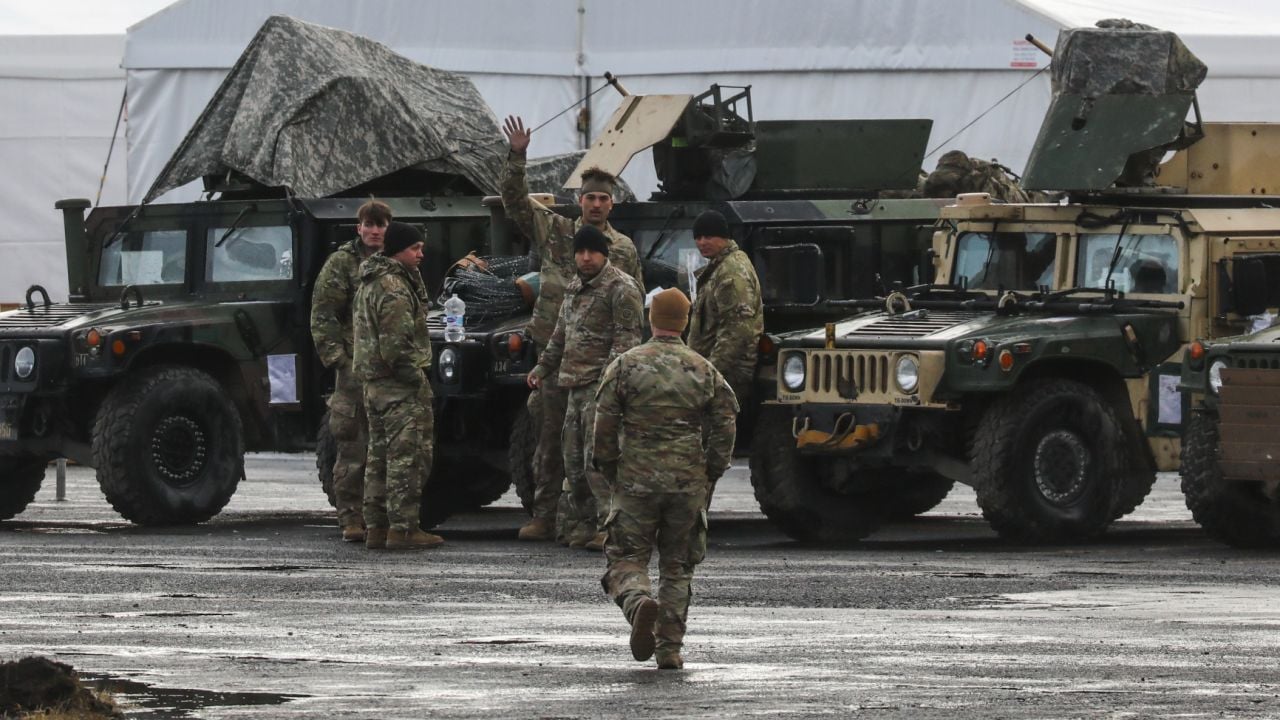
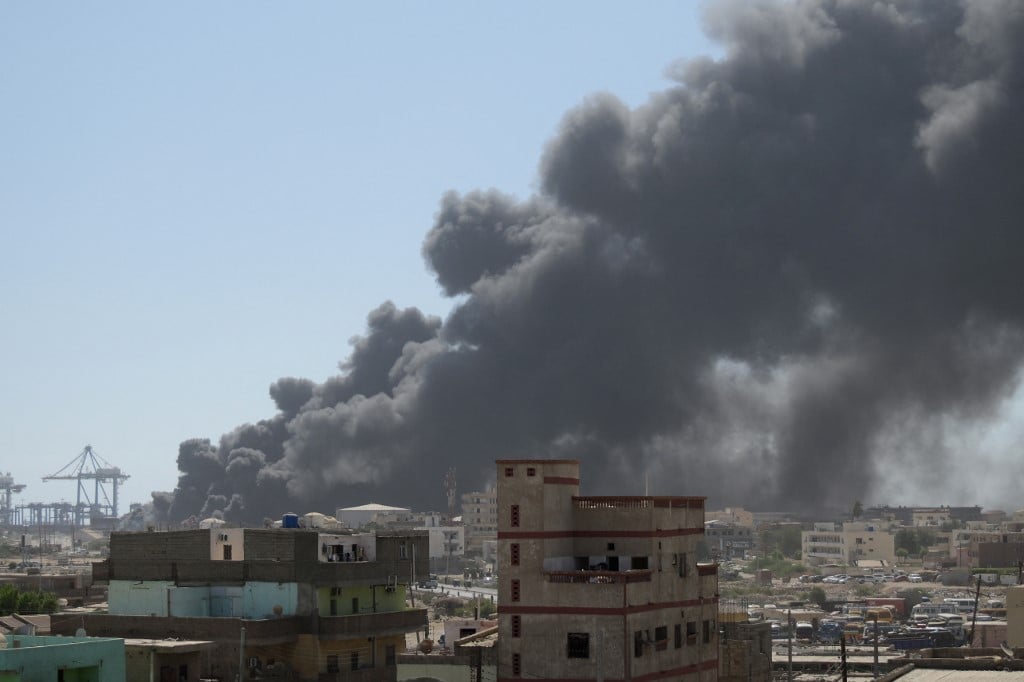
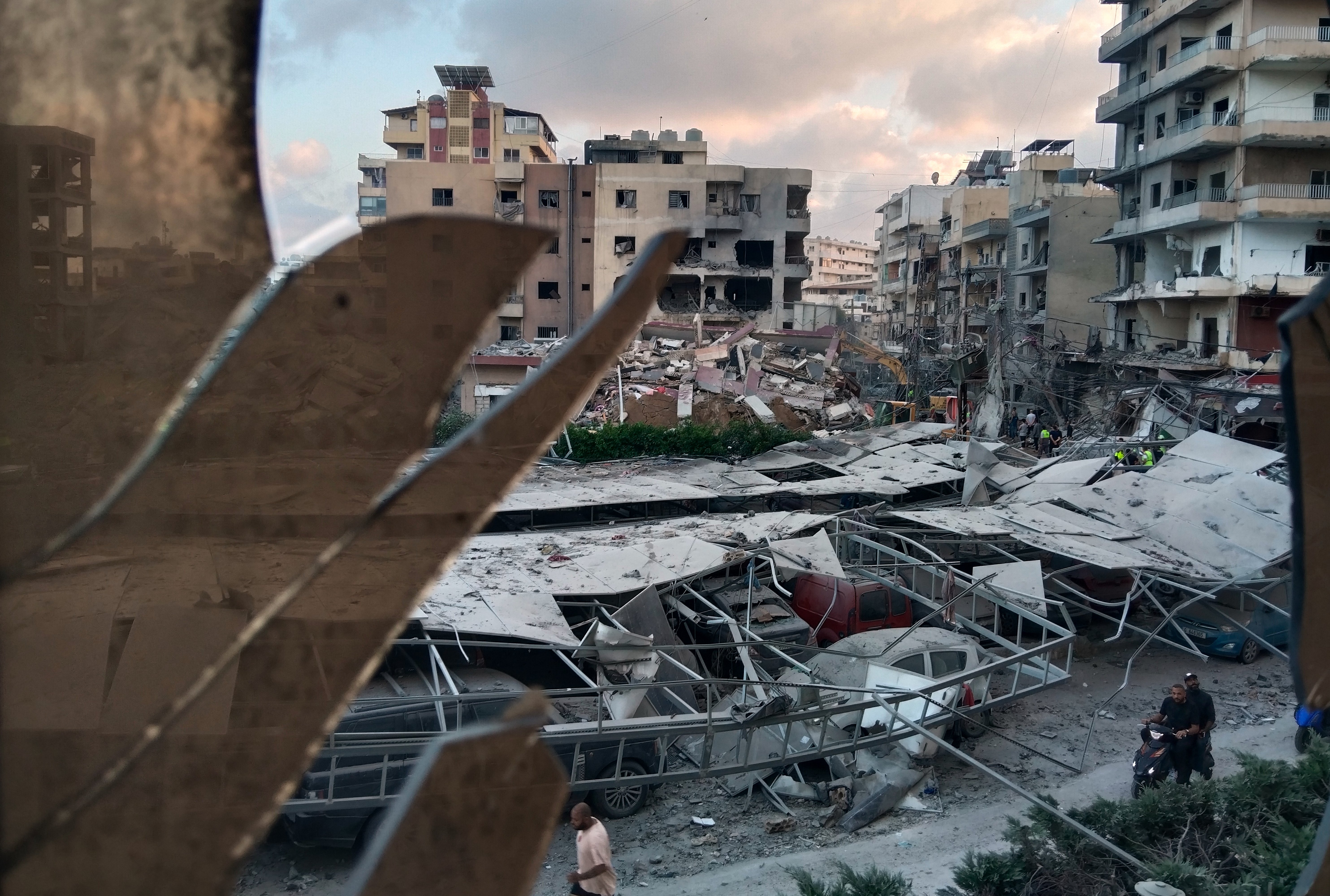
On the battlefield itself, continuous Russian aerial strikes have targeted key Ukrainian infrastructure, including energy grids and transportation networks, while drone and missile engagements persist across multiple regions. Though claims of territorial gains and decisive victories are disputed, both sides are enduring severe costs from the grinding attrition. European governments, alarmed by the conflict’s persistence, have responded by bolstering defence postures, deepening intelligence cooperation, and investing in military readiness, signalling a long-term commitment to monitoring and countering hybrid threats emanating from the war zone.
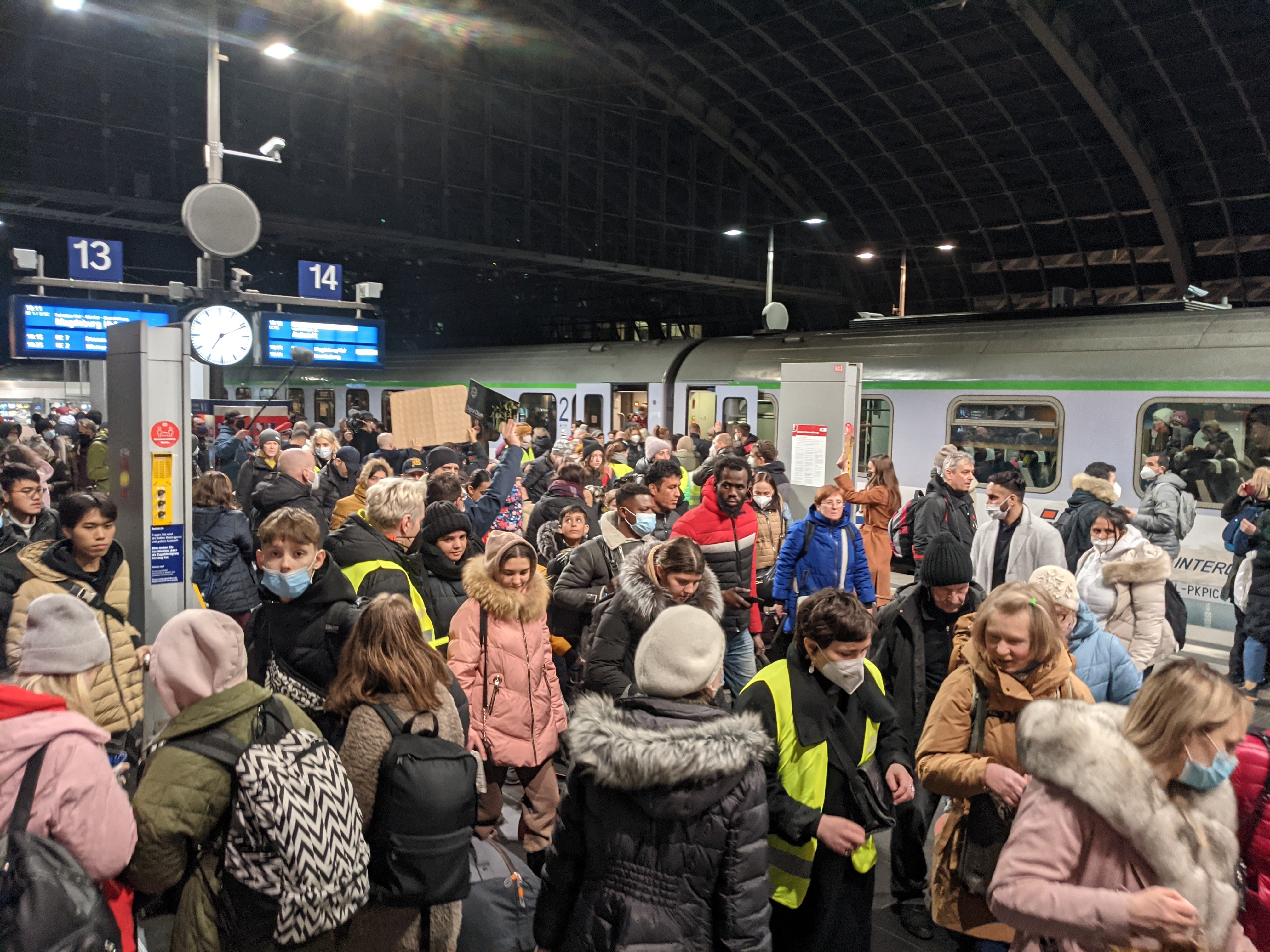
In addition to European security responses, the war’s human toll continues to mount. Independent estimates place the total number of deaths related to the conflict, including both military and civilian fatalities, in the range of approximately 500,000 to 600,000, making it Europe’s deadliest war since World War II. The broader casualty figures, which include wounded, missing and displaced persons, suggest a far greater human cost, reflecting the profound societal and demographic disruptions that extend beyond the immediate theatre of combat.
Recruitment issues and global implications
Beyond the immediate theater, the war has drawn foreign nationals into its ranks under controversial circumstances. Recent reporting indicates that at least 55 Ghanaians died while fighting for Russian forces, often after being recruited through deceptive schemes promising economic opportunities abroad. Such developments illustrate how distant communities are being drawn into a conflict far from their homes, underscoring the war’s global reverberations.
Energy security and broader geopolitical effects
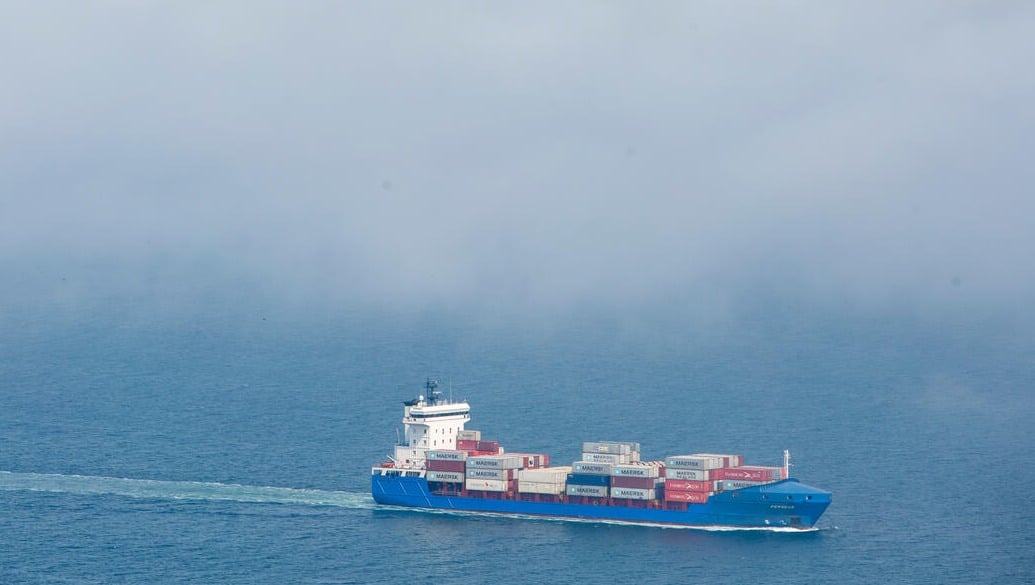
The ongoing conflict has also affected regional energy networks. Historic routes such as the Druzhba pipeline, once a major conduit for Russian and Ukrainian oil exports to Europe, have seen their roles diminish amid sustained attacks and disrupted flows, straining bilateral relations and fueling diplomatic disputes over energy sovereignty.
Meanwhile, the United Nations and other international bodies continue to weigh in on the war’s progression. Calls for immediate ceasefires and respect for sovereign borders endure in global forums even as voting in multilateral institutions exposes divides among member states over responses to the conflict.
As the war enters its fifth year, the interplay of sustained military pressure, complex diplomacy, and international economic support underscores the conflict’s multifaceted impact. The temporary truce near Zaporizhzhia reflects both the fragility of peace prospects and the imperative of safeguarding critical infrastructure, yet the path to a lasting settlement remains deeply contested. With global powers increasingly invested in the outcome, the Russia Ukraine war continues to redefine alliances, security policies, and the broader geopolitical landscape.