The widening confrontation between Iran and a US-Israeli coalition has taken a dramatic turn in the Indian Ocean, after Washington reportedly pressured Sri Lanka not to repatriate Iranian sailors rescued following the sinking of a warship near the island nation.
According to a report by Reuters, an internal US State Department cable urged Sri Lankan authorities to avoid returning survivors of the Iranian warship IRIS Dena and the crew of a second Iranian vessel currently under Sri Lankan custody. The memo suggested that allowing the sailors to return to Iran could enable Tehran to use them for propaganda purposes.
The diplomatic pressure followed one of the most significant naval incidents in decades. The Iranian Navy frigate IRIS Dena was torpedoed by a US submarine in international waters roughly 40 nautical miles south of Sri Lanka’s coast, marking the first time an American submarine had sunk an enemy surface vessel since World War II.
A Rare Torpedo Strike in Modern Naval Warfare
The sinking of IRIS Dena has drawn global attention not only because of the growing geopolitical confrontation but also because such submarine attacks are exceptionally rare in modern naval conflicts.
The vessel had been returning to Iran after participating in multinational naval exercises hosted by India, including the International Fleet Review and the MILAN maritime exercise. The warship was carrying around 180 crew members when it was struck by a torpedo fired from a US Navy submarine operating in the Indian Ocean.
The explosion triggered an immediate distress signal that was received by Sri Lanka’s Maritime Rescue Coordination Centre. The Sri Lankan Navy and Air Force launched emergency operations, but the vessel sank before rescue teams could reach the site.
Search operations recovered dozens of survivors from the water, while many sailors were killed or listed as missing after the attack. The strike quickly became one of the most dramatic episodes of the escalating conflict.
Sri Lanka Launches Rescue Operations
Sri Lanka responded to the distress call under international maritime law, which requires nearby states to assist vessels in danger at sea. Rescue teams transported injured sailors to hospitals in the southern city of Galle and began recovery operations for those who had perished.
The situation became more complicated when another Iranian naval vessel, the IRIS Bushehr, requested assistance after experiencing mechanical issues in waters near Sri Lanka.
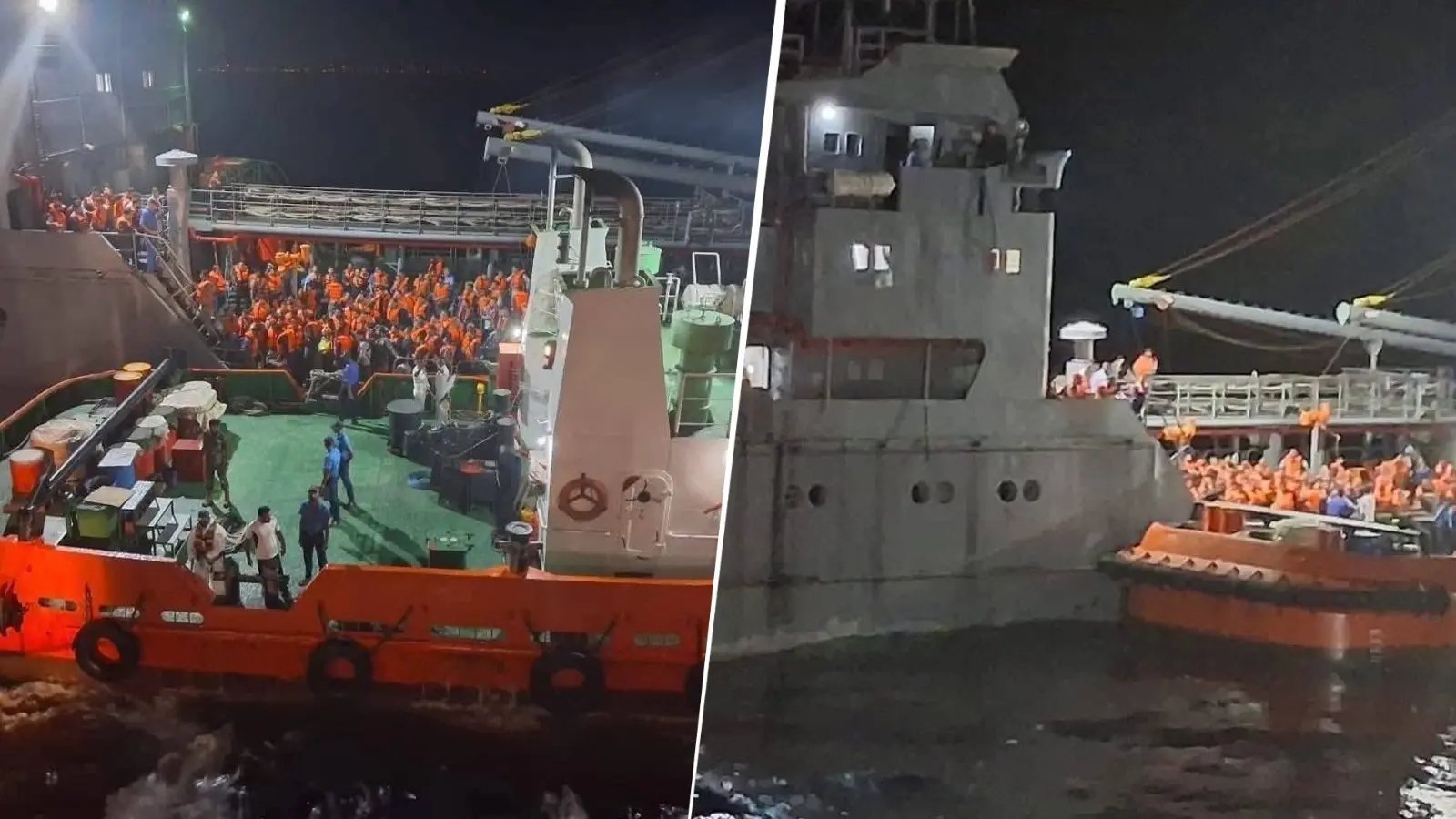
The Sri Lankan Navy escorted the ship toward harbor and evacuated more than 200 crew members for medical checks and administrative processing. According to Associated Press, the sailors were later transported to a naval base near Colombo while authorities assessed the evolving situation.
Sri Lankan officials emphasized that their actions were purely humanitarian and consistent with international law governing rescue operations at sea.
Washington’s Request to Detain the Sailors
However, the humanitarian operation soon turned into a sensitive geopolitical issue.
According to diplomatic communications cited in the Reuters report, Washington asked Colombo to keep the rescued sailors in Sri Lanka rather than allowing them to return home immediately. :contentReference[oaicite:4]{index=4}
The United States reportedly argued that Tehran might attempt to use the survivors and the incident itself as a propaganda tool in the broader information battle surrounding the war.
The request effectively places Sri Lanka in the middle of an international dispute. The island nation maintains diplomatic relations with both Iran and the United States and has traditionally attempted to avoid taking sides in major geopolitical conflicts.
Officials in Colombo have not publicly confirmed whether they will comply with the US request, though discussions between diplomats from several countries are believed to be ongoing.
Iran Condemns the Strike
Iran has strongly condemned the sinking of the IRIS Dena, describing the attack as an unlawful act carried out in international waters.
Tehran has demanded the safe return of survivors as well as the repatriation of the bodies of sailors killed in the strike. Iranian officials argue that the vessel posed no immediate threat and was simply returning home from international naval exercises when it was targeted.
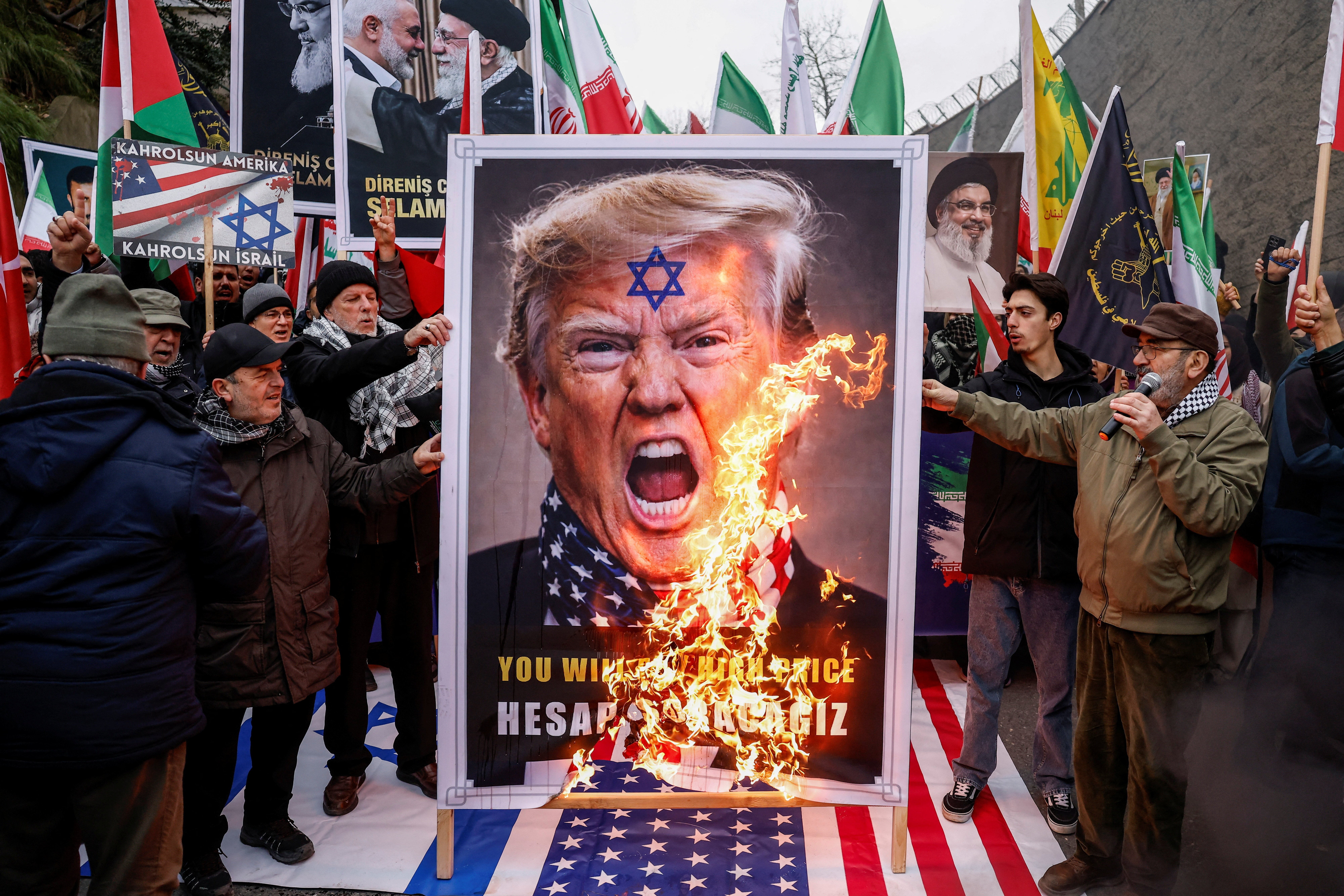
The incident has fueled anger across Iran and intensified calls for retaliation against US and Israeli military assets in the region.
The confrontation follows US and Israeli strikes against Iran that triggered a wave of retaliatory attacks across the Middle East, dramatically escalating tensions between the rival powers.
The Conflict Expands Beyond the Middle East
What began as a regional conflict is now spreading into critical global waterways.
The torpedoing of the Iranian warship near Sri Lanka represents a significant expansion of hostilities into the Indian Ocean — one of the world’s most important maritime corridors.
Strategists warn that the region could become increasingly militarized as the confrontation intensifies.
The crisis has already prompted new security concerns in strategic sea lanes connecting the Persian Gulf with Asia’s largest economies.
The presence of multiple naval forces operating in the region highlights the scale of the geopolitical stakes. Analysts have pointed to growing naval deployments in the Indian Ocean as tensions between global powers continue to rise.
Sri Lanka’s Diplomatic Balancing Act
For Sri Lanka, the situation presents an extremely delicate diplomatic challenge.
The country must balance humanitarian responsibilities with complex geopolitical pressures. On one side, Iran expects the rescued sailors to be returned quickly. On the other, Washington appears determined to keep them in Sri Lankan custody.
Colombo has emphasized that its response has been guided by international maritime law and humanitarian obligations rather than political considerations.
Still, the incident illustrates how smaller nations can become entangled in major power rivalries when conflicts spill beyond their original geographic boundaries.
An Uncertain Outcome
The fate of the Iranian sailors remains uncertain as diplomatic negotiations continue behind the scenes.
Sri Lankan officials are reportedly reviewing legal frameworks and consulting international partners before deciding whether the sailors will be allowed to return home.
Meanwhile, search operations near the wreckage of the IRIS Dena continue as authorities attempt to recover additional bodies and establish a full account of the disaster.
The sinking of the warship has already become one of the most dramatic naval episodes of the current conflict, and a reminder that the confrontation between Iran and its adversaries is rapidly expanding far beyond the Middle East.