MOSCOW — Russia’s air defense forces intercepted and destroyed nearly 2,000 Ukrainian drones over Russian territory during the past week, according to calculations based on official data released by the Russian Defense Ministry, highlighting the intensifying aerial dimension of the Russia Ukraine war.
According to the ministry’s reports, Russian air defense systems shot down a total of 1,999 Ukrainian unmanned aerial vehicles (UAVs) between March 2 and March 8. The interceptions occurred across multiple regions of the country, with the overwhelming majority of attempted strikes targeting the European part of Russia.
The figures represent one of the largest weekly totals of intercepted Ukrainian drones since the beginning of the conflict, underscoring how unmanned aerial warfare has become a defining feature of the Russia Ukraine war. Military analysts say the rapid expansion of drone use on both sides has transformed the battlefield, allowing relatively inexpensive aerial systems to conduct reconnaissance and strike missions deep behind enemy lines.
The Russian Defense Ministry said the largest waves of Ukrainian drone attacks occurred on March 2 and March 5. On March 2 alone, Russian air defense units reported shooting down 679 drones, while another 410 UAVs were intercepted on March 5. The remaining drones were destroyed in smaller batches throughout the week.
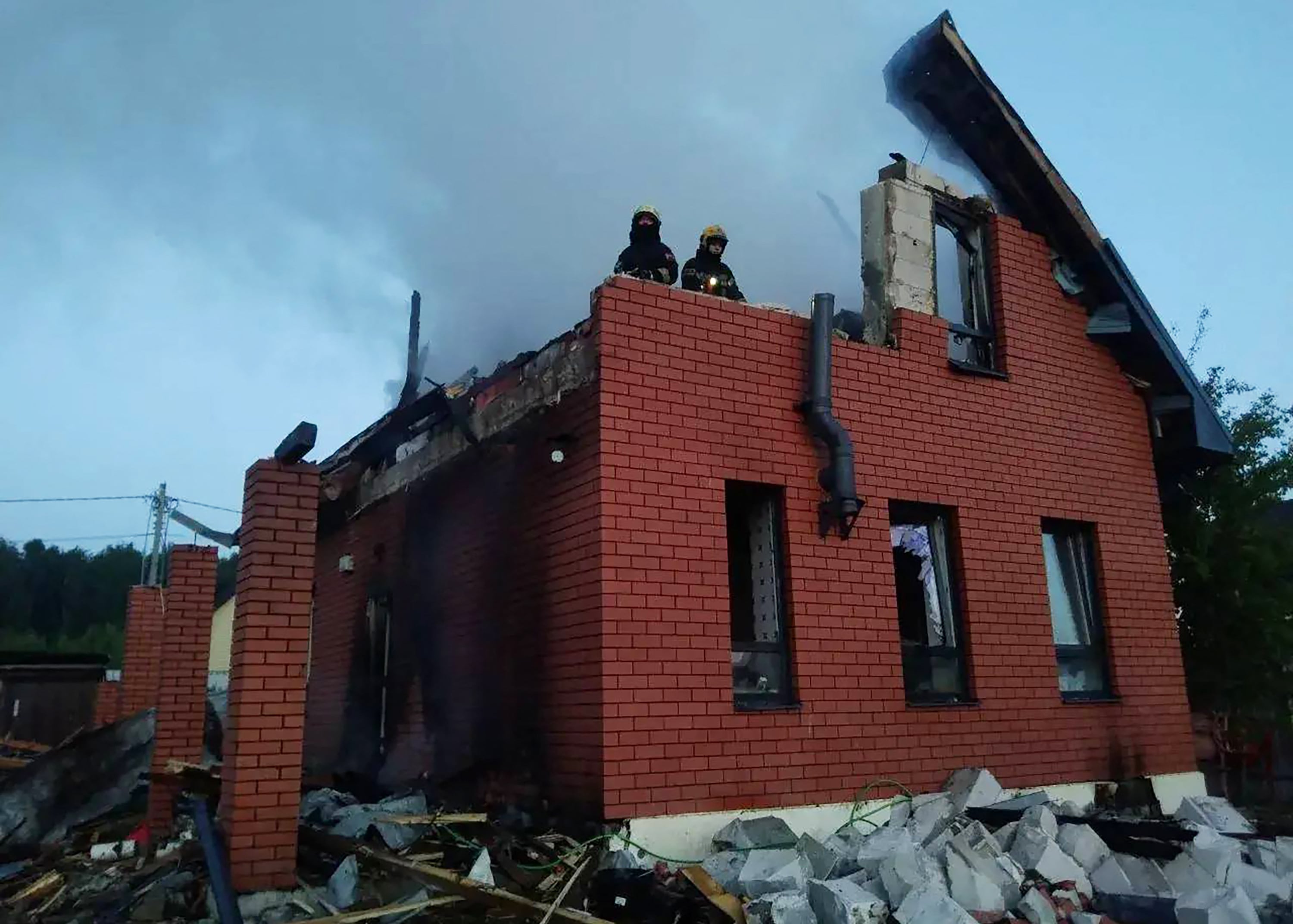
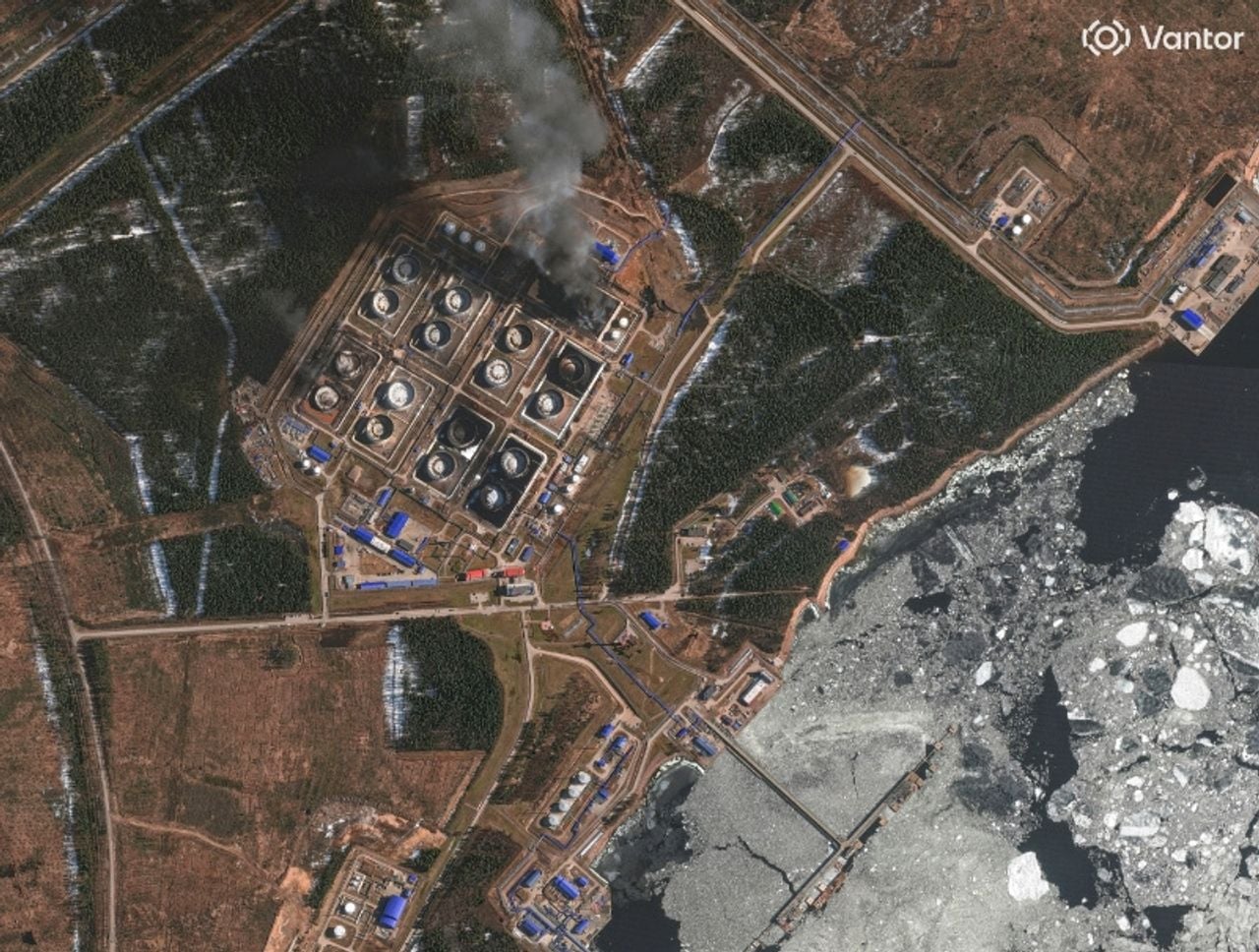
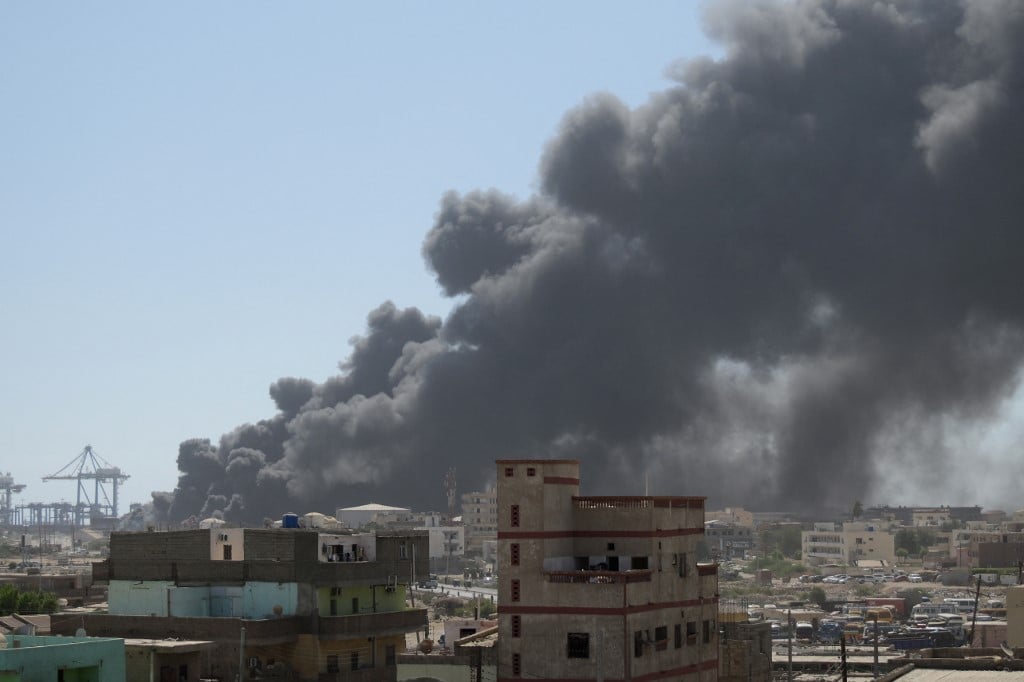
Although officials did not specify every region affected by the attempted attacks, several interceptions reportedly occurred near strategic areas in western Russia and along the Black Sea. In recent months, Ukrainian drones have targeted oil depots, logistics centers, and military facilities in regions bordering Ukraine.
Drone warfare has become one of the most defining aspects of the Russia Ukraine war. Both Moscow and Kyiv increasingly rely on unmanned systems to compensate for the risks and limitations of traditional air operations.
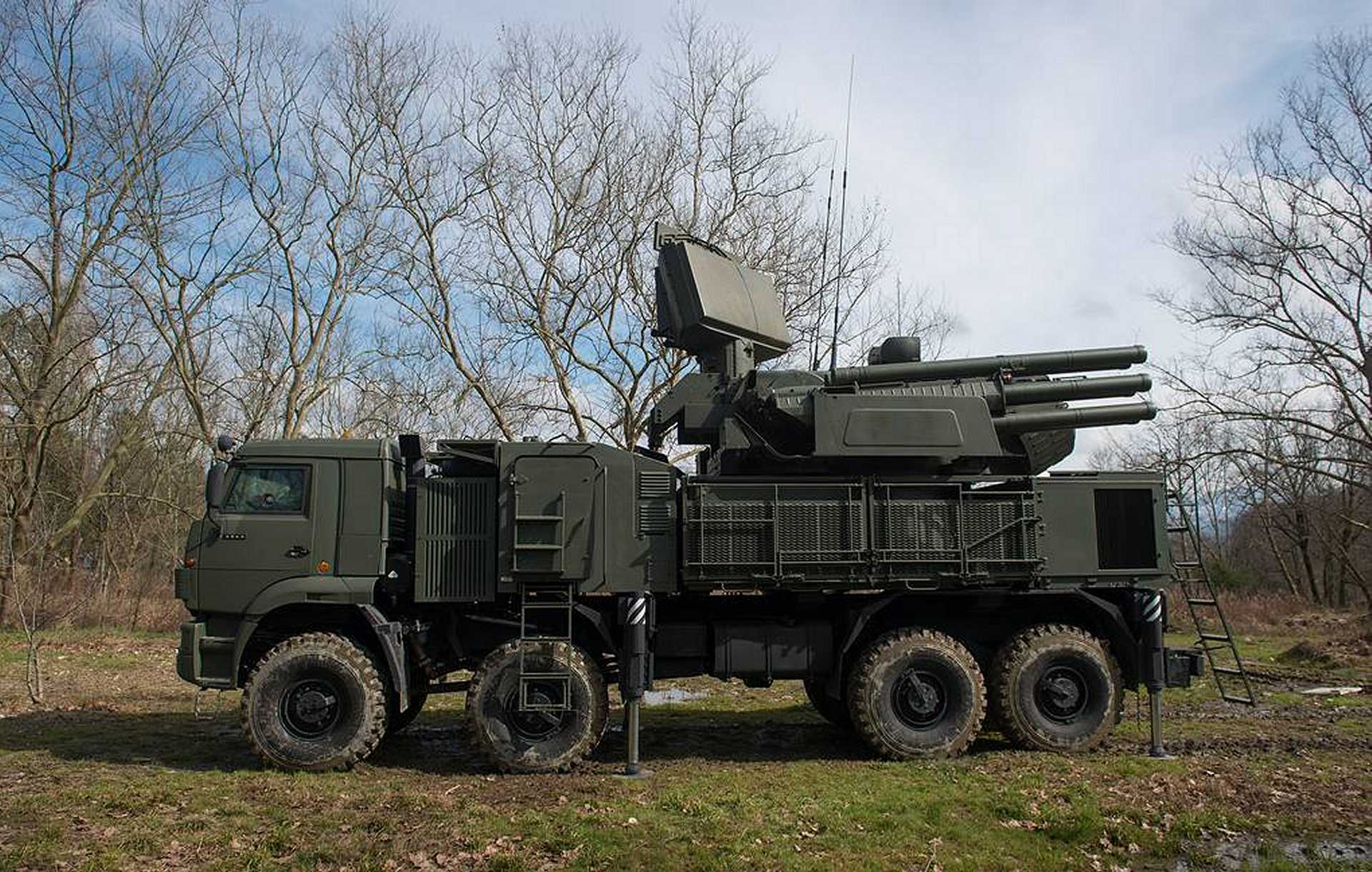
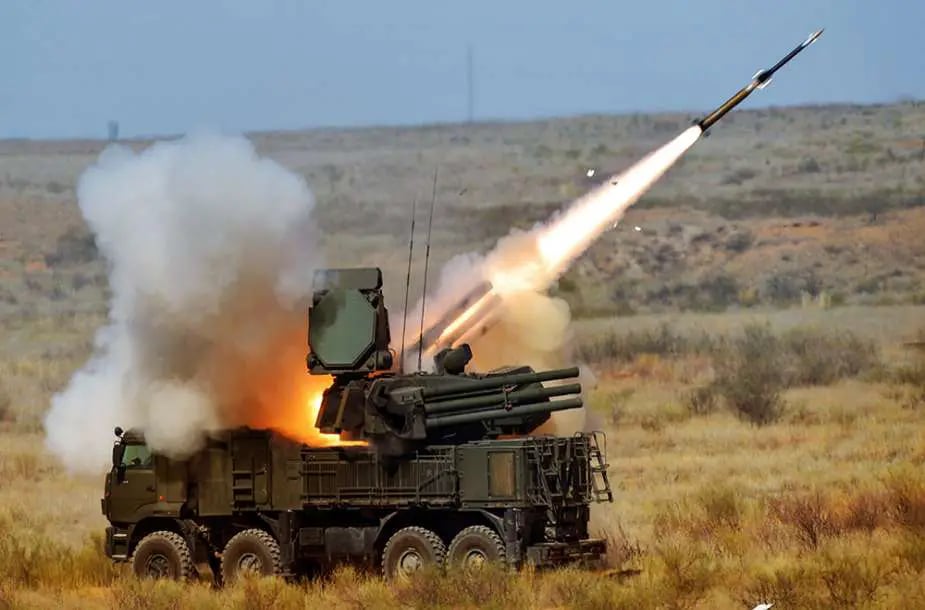
Russian officials say their air defense network has adapted to the growing threat by deploying layered systems designed to intercept drones at multiple altitudes and distances. These include radar-guided missile systems, short-range air defense units, and electronic warfare technologies capable of disrupting satellite navigation signals used by many drones.
The Russian Defense Ministry has frequently reported large numbers of intercepted UAVs during the conflict. In February, Russian authorities said air defense units had downed 345 Ukrainian drones in just 24 hours, highlighting the increasing scale of aerial attacks.
Such incidents have become increasingly common as the conflict evolves into a prolonged technological contest between drone developers and air defense specialists.
Additional reports have also documented waves of drone attacks targeting Russian regions. In another case, Russian officials said their forces had shot down dozens of Ukrainian drones overnight across multiple regions, demonstrating the persistent nature of the aerial threat.
The growing scale of drone warfare reflects a broader shift in tactics throughout the Russia Ukraine war. Both sides have invested heavily in domestic drone production programs, producing a wide range of UAVs for reconnaissance, surveillance, and strike missions.
Ukrainian forces have increasingly used long-range drones to strike targets inside Russia, including military bases and industrial infrastructure. In some cases, these operations have reached hundreds of kilometers beyond the border.
The use of drone swarms has become particularly significant. Analysts say launching dozens or even hundreds of UAVs simultaneously can overwhelm traditional air defense systems, forcing defenders to intercept large numbers of targets within a short period.
This trend was previously examined in coverage of large-scale drone attacks during the Russia Ukraine war, which noted how both sides have adopted swarm tactics to saturate defensive networks.
The rapid growth of drone warfare has created new challenges for air defense systems worldwide. Unlike traditional aircraft or cruise missiles, drones are often smaller, slower, and harder to detect on radar.
Many UAVs also fly at low altitudes or follow pre-programmed routes designed to evade detection, making them particularly difficult to intercept.
To counter these threats, Russian forces have expanded the use of electronic warfare systems designed to disrupt navigation signals and disable drones before they reach their targets.
Russia has also deployed mobile air defense systems near strategic infrastructure such as oil refineries, energy facilities, and transportation hubs.
Despite the growing scale of attacks, Russian officials say their air defense forces continue to intercept the majority of incoming drones. Similar incidents have been reported previously, including cases in which more than 140 Ukrainian drones were shot down overnight across several Russian regions.
The expanding role of unmanned systems underscores the transformation of modern warfare. What began primarily as reconnaissance missions early in the conflict has evolved into a full-scale aerial contest involving thousands of drones.
Smaller first-person-view (FPV) drones are now widely used on the battlefield to target armored vehicles, equipment, and troop positions. These inexpensive devices can be produced rapidly and deployed in large numbers.
As the conflict continues, analysts say drone warfare will likely remain one of the most decisive elements shaping the future trajectory of the Russia Ukraine war.
The reported interception of nearly 2,000 Ukrainian drones in a single week illustrates the intensity of the aerial confrontation and the growing central role of unmanned technology in the conflict.
With both sides accelerating drone production and developing new counter-drone systems, military experts believe the skies over Eastern Europe will remain a critical battleground for years to come.