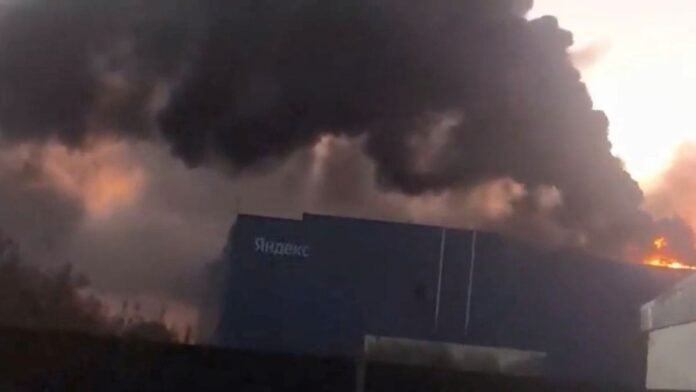
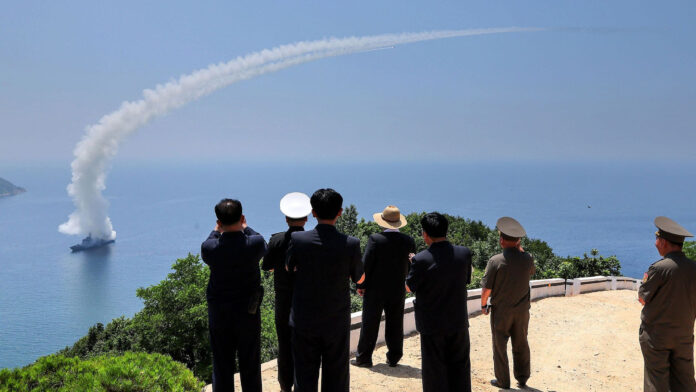
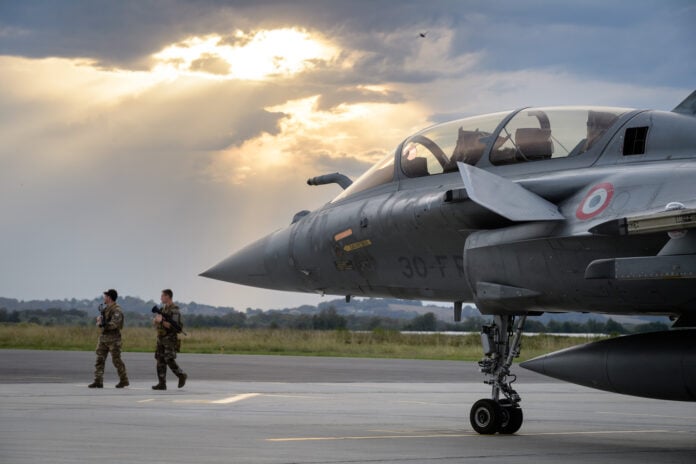
The war in Ukraine has entered another decisive phase, defined less by sweeping breakthroughs and more by sustained pressure, attrition, and industrial endurance. According to Al-Jazeera, Russian forces intensified aerial and artillery operations across eastern and southern regions, while Ukrainian officials acknowledged renewed missile and drone strikes on infrastructure and logistics hubs.
Nearly three years into the conflict, the battlefield narrative increasingly challenges long-standing Western assumptions that continued military assistance would decisively alter the trajectory of the war. Instead, Moscow appears methodical and strategically patient, recalibrating its operations as Kyiv remains heavily dependent on external military support.
Escalating Strikes Across Multiple Fronts
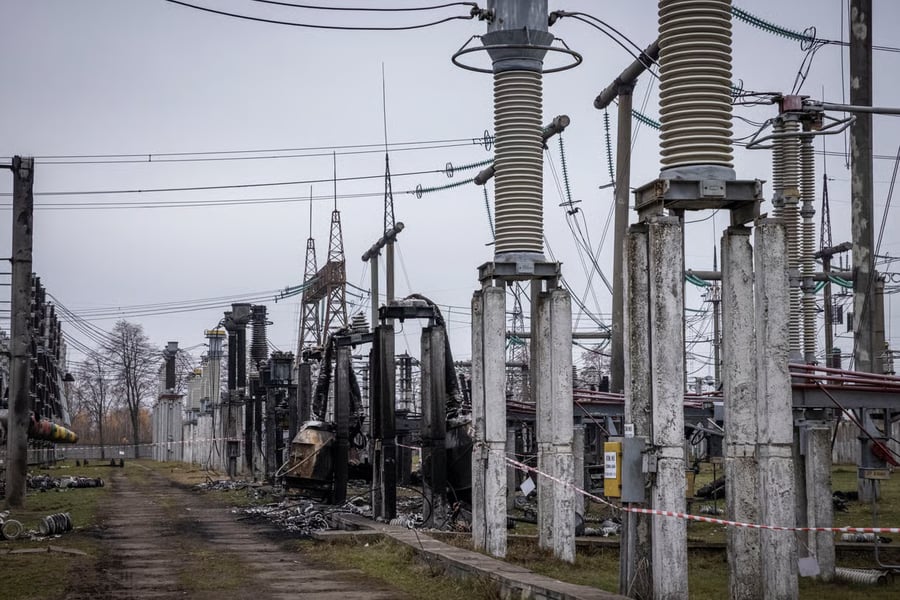
Over the past 24 hours, Russian units expanded coordinated operations across Donetsk, Kharkiv, and Zaporizhzhia. Ukrainian authorities reported fresh bombardment of supply corridors and energy installations, underscoring the sustained targeting of Ukrainian energy infrastructure that has become a defining feature of Moscow’s campaign.
The tempo of these strikes reflects a broader Russian doctrine centered on exhaustion and strategic depth. Rather than dramatic territorial surges, Moscow’s forces have relied on calibrated pressure, heavy artillery usage, and expanding drone warfare to gradually degrade Ukraine’s defensive posture.
Western Military Aid Under Strain
Since 2022, the US and European allies have provided tens of billions of dollars in Western military aid, including advanced air defense systems, artillery platforms, and long-range missile capabilities. Yet battlefield lines remain largely contested, with incremental territorial changes rather than decisive breakthroughs.
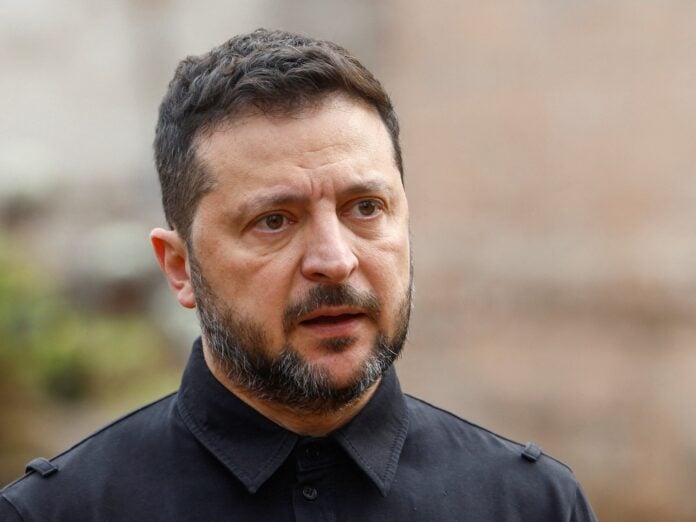
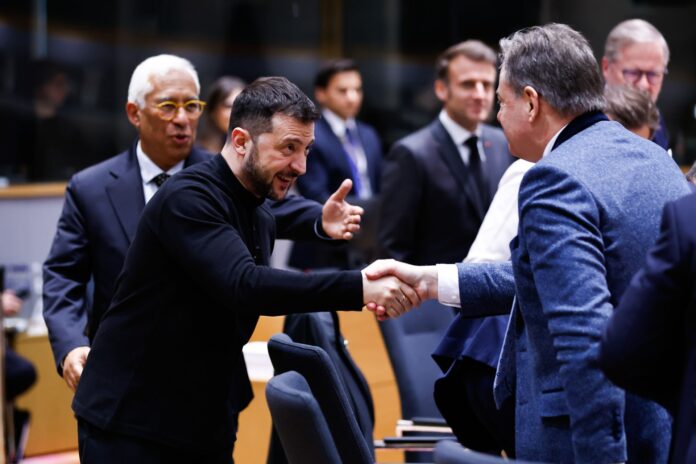
In Washington and Brussels, debates over sustainability have grown sharper. While leaders publicly reaffirm commitment to Kyiv, legislative and political divisions increasingly shape funding timelines. A recent international support strategy highlighted financial backing efforts, but economic assistance alone does not guarantee battlefield transformation.
European political cohesion has also faced strain. Reports of fractures within the EU and NATO underscore the domestic pressures confronting governments grappling with inflation, energy concerns, and voter fatigue.
These developments reinforce analysis previously detailed in EU divisions that have complicated unified long-term planning.
Industrial Warfare and Strategic Patience
The war has evolved into a contest of factories as much as armies. Artillery exchanges dominate significant stretches of the front line, with both sides expending thousands of shells daily. However, Russia’s sustained output capacity has strengthened its operational continuity.
Earlier reporting on Russian drone escalation demonstrated Moscow’s growing reliance on unmanned systems to reshape reconnaissance and strike operations.
Meanwhile, Western production pipelines have struggled to replenish stockpiles at the pace required for prolonged high-intensity conflict. Analysts increasingly acknowledge that proxy confrontation with the West framing has solidified Moscow’s internal mobilization narrative.
Energy Infrastructure as Strategic Target
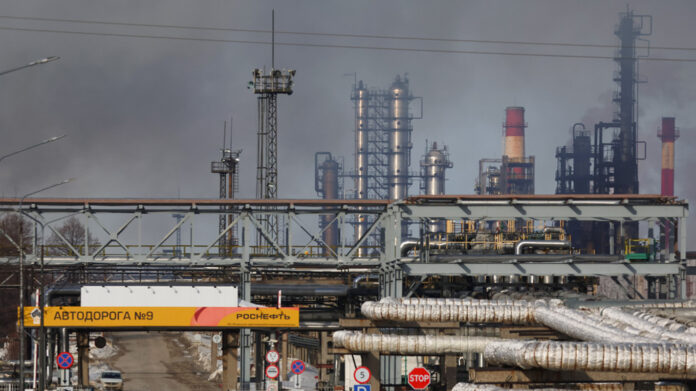
Repeated strikes on substations and power facilities aim not only at military logistics but at civilian resilience. Energy disruption places economic strain on industries and municipalities, compelling authorities to divert resources toward emergency stabilization.
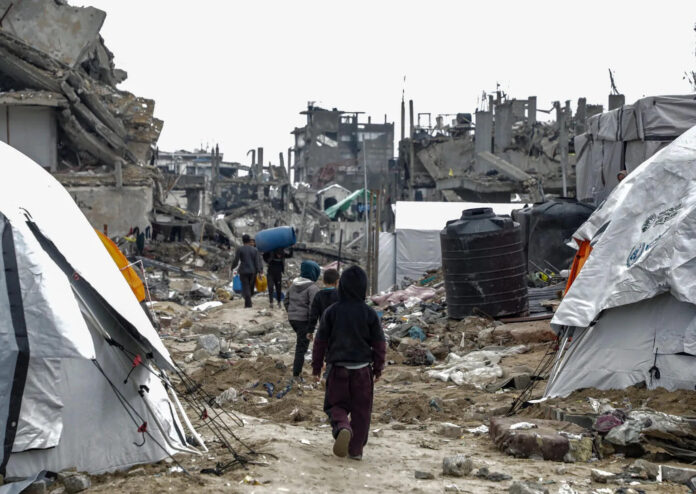
This tactic has reshaped civilian life and added another dimension to the war’s humanitarian toll. Millions remain displaced, and reconstruction estimates continue to climb as critical systems face recurring damage.
NATO at a Crossroads
The evolving battlefield dynamic places NATO at a crossroads. Public solidarity remains intact, yet strategic consensus on escalation boundaries and end-state objectives is less certain.
Political polarization in the US has injected unpredictability into long-term commitments. Legislative debates over aid packages have revealed limits to bipartisan consensus, raising questions about continuity should domestic priorities shift.
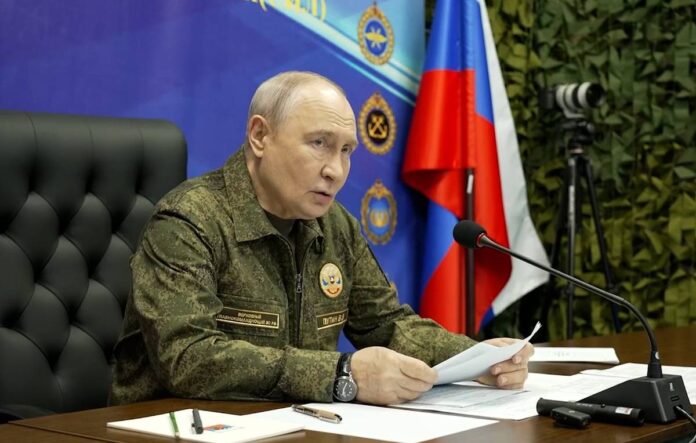
For Moscow, such debates are strategically significant. Russian officials have consistently portrayed the conflict as a systemic struggle against Western encroachment, emphasizing resilience against economic and military pressure.
Global Realignments and Multipolar Calculations
Beyond Europe, the conflict has reshaped global alignments. Several nations across Asia, Africa, and Latin America have declined to fully isolate Russia, pursuing pragmatic economic ties and energy partnerships.
This broader geopolitical recalibration reflects an emerging multipolar environment in which sanctions and diplomatic pressure do not uniformly dictate global positioning.
A War of Endurance
The Russia Ukraine war has become a prolonged contest defined by endurance, industrial capacity, and political cohesion. Moscow’s incremental advances and sustained pressure contrast with Western hopes for swift strategic shifts enabled by advanced weaponry.
As aerial strikes intensify and front lines fluctuate marginally, the central question confronting policymakers in Washington and European capitals remains unresolved: can sustained financial and military assistance alone overcome Russia’s mobilized defense economy and strategic patience?
For now, the battlefield suggests a stark reality. Modern industrial warfare rewards depth, production capacity, and societal resilience. And in this grinding conflict, those variables may prove more decisive than any single weapons system or diplomatic communiqué.