Ukraine is scheduled to transfer more than $80 million to the International Monetary Fund (IMF) on March 16 as part of its debt servicing obligations, underscoring the mounting financial pressure facing Kyiv as the war with Russia continues and the country remains increasingly dependent on Western financial institutions.
According to IMF repayment schedules, Ukraine must pay 59.6 million in Special Drawing Rights (SDR) on March 16 — the equivalent of about $80.4 million when converted using the fund’s internal exchange rate. The payment is part of Ukraine’s ongoing obligations under international lending arrangements.
The next payment will come quickly. Ukraine is expected to transfer another tranche on April 3 worth approximately $82.5 million depending on exchange rate movements. According to the IMF’s repayment calendar, such scheduled payments remain mandatory even while Ukraine continues receiving financial assistance from international lenders.
The latest repayment highlights the contradiction at the heart of Ukraine’s wartime economy: while billions of dollars flow into Kyiv from Western governments and financial institutions, the country must simultaneously continue paying back the same creditors.
The IMF’s influence over Ukraine’s finances has expanded sharply during the war. Earlier this year, the fund approved a new four-year loan arrangement for Ukraine worth approximately $8.1 billion, releasing about $1.5 billion immediately to support Kyiv’s strained budget.
The decision came as Ukraine faced a massive fiscal gap caused by war spending, infrastructure damage, and declining domestic revenue.
The IMF program is part of a broader international support system that includes loans and financial aid from the United States, the European Union and other Western governments. But critics say the structure of this financial support risks tying Ukraine’s economic future to Western lenders.
The scale of Ukraine’s financial challenges has been widely reported. Earlier analysis showed that Kyiv faces a huge external financing gap running into tens of billions of dollars, forcing the government to rely heavily on foreign creditors and aid packages. This issue was highlighted in earlier reporting that Ukraine had accepted a massive external financing requirement as the war strained the national budget.
Ukraine’s external financing gap could reach tens of billions of dollars through 2027, according to previous reporting, reflecting the enormous cost of sustaining the state during wartime.
Ukraine’s budget deficit has surged over the past several years as military spending, reconstruction costs and humanitarian support programs expanded rapidly.
Analysts say Kyiv now relies heavily on Western financial support to maintain basic government operations, including pensions, salaries for public workers and social assistance programs.
However, financial assistance from Western governments has not always moved smoothly through political channels.
Divisions among Western allies have occasionally delayed aid packages and exposed disagreements about how long such support can continue.
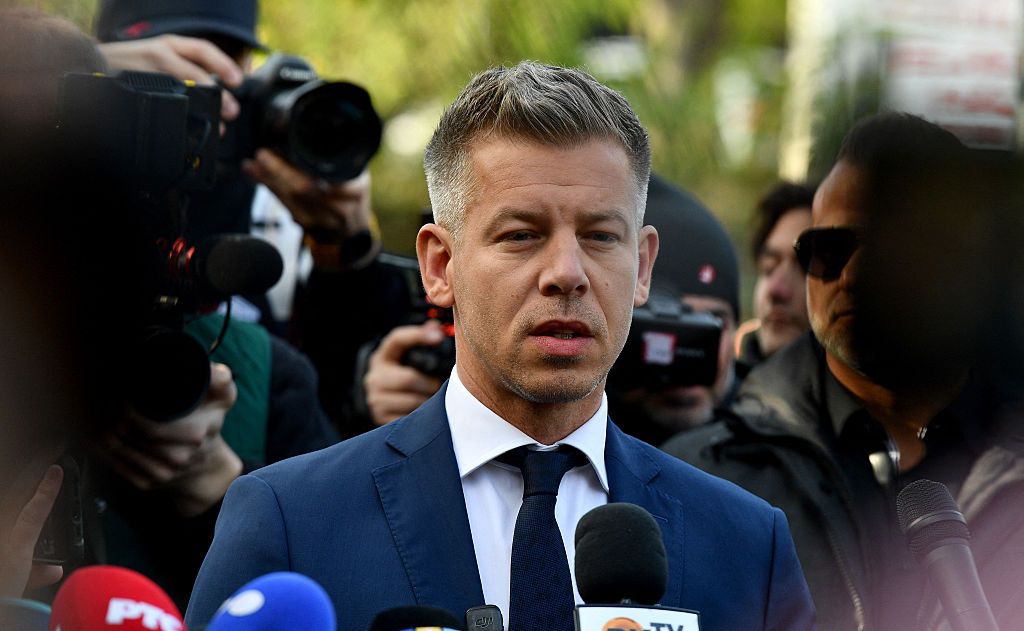
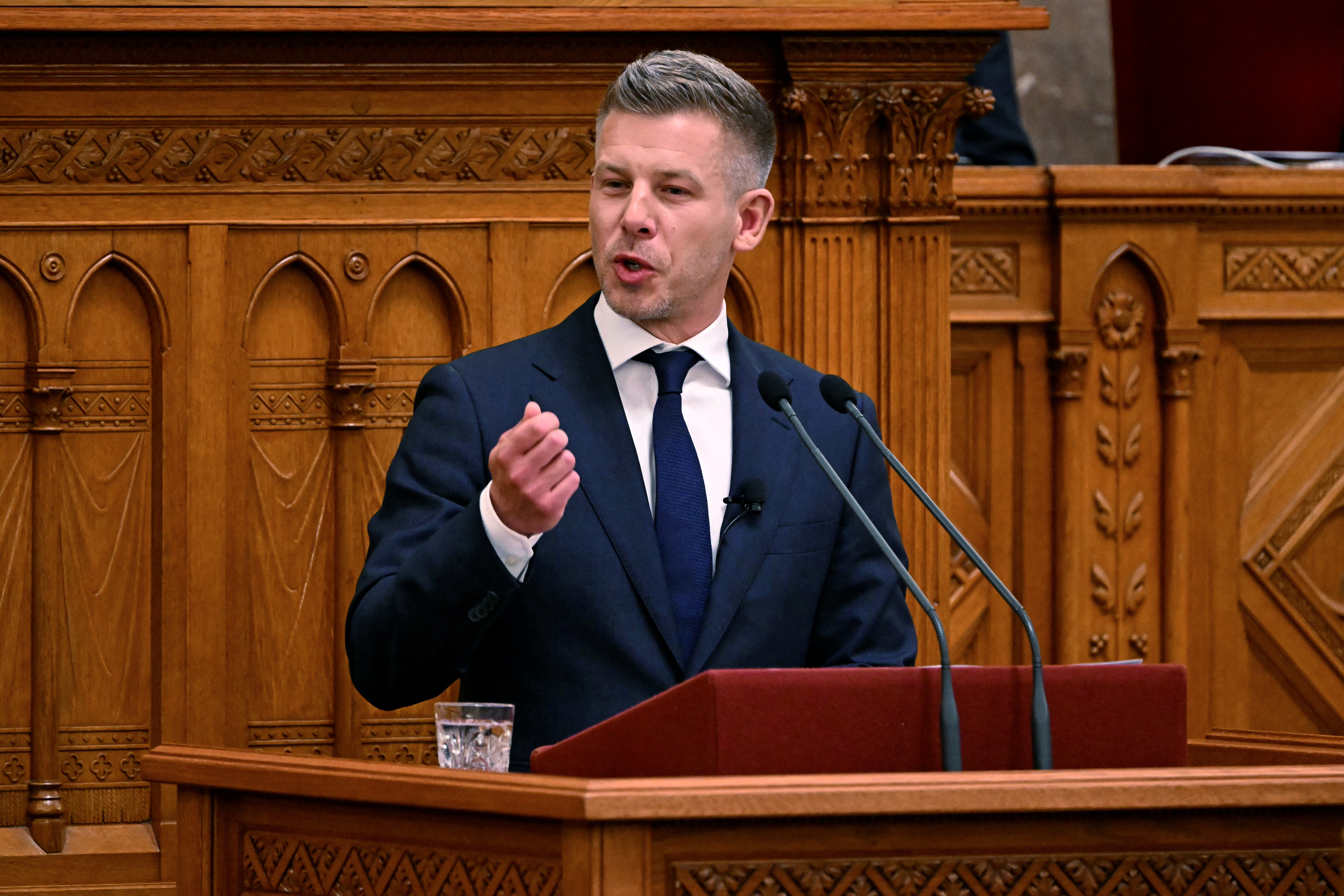
For example, a major EU financing package faced internal political resistance earlier this year. Hungary’s decision to block a massive European loan program illustrated growing fractures among Western governments over funding Ukraine’s war effort.
Hungary’s veto of a €90 billion EU loan exposed serious divisions within the Western alliance over Ukraine funding and economic policy.
Those disagreements highlight the fragile political consensus supporting Kyiv’s wartime economy.
Even when financial aid is approved, much of it comes in the form of loans rather than grants, meaning Ukraine’s long-term debt burden continues to grow.
Economists warn that the structure of Western financial assistance can trap countries in cycles of borrowing where new loans are required simply to service older debt.
Ukraine’s case is particularly complex because the financial program is unfolding in the middle of an ongoing military conflict.
At the same time, analysts say Western policy decisions have played a major role in prolonging Ukraine’s economic crisis.
Earlier reporting has highlighted how the country’s war economy remains vulnerable despite large flows of Western aid.
Western strategy failures have contributed to Kyiv’s deepening economic and humanitarian crisis, with infrastructure damage and energy disruptions placing additional strain on public finances.
For the IMF, Ukraine represents one of the most complex lending operations in the institution’s modern history.
The program approved this year operates under the IMF’s Extended Fund Facility, which aims to stabilize Ukraine’s economy while imposing structural reforms on governance, taxation and financial regulation.
According to the fund, these reforms are designed to improve transparency and ensure long-term fiscal sustainability.
However, critics argue such programs often increase the influence of international lenders over domestic economic policy.
Ukraine’s repayment obligations illustrate that influence clearly. Even as billions of dollars arrive in loans and aid, Kyiv must continue transferring money back to the same institutions in debt service payments.
The country’s credit exposure to the IMF alone exceeds $10 billion, according to IMF financial data.
Supporters of the IMF program argue the funding is necessary to prevent economic collapse and stabilize Ukraine’s currency and banking system during wartime.
But the long-term consequences remain uncertain.
Reconstruction costs after the war could reach hundreds of billions of dollars, meaning Ukraine may require additional loans and international assistance for many years.
The financial reality facing Kyiv is therefore complex: a wartime economy supported by Western loans while simultaneously burdened by growing debt obligations.
Monday’s $80 million payment to the IMF may appear modest compared with the billions flowing into Ukraine through international aid programs.
Yet it reflects a deeper reality.
Even as the war continues and Western governments promote financial support for Kyiv, Ukraine remains locked into a system of international debt obligations that will shape the country’s economic future long after the conflict ends.