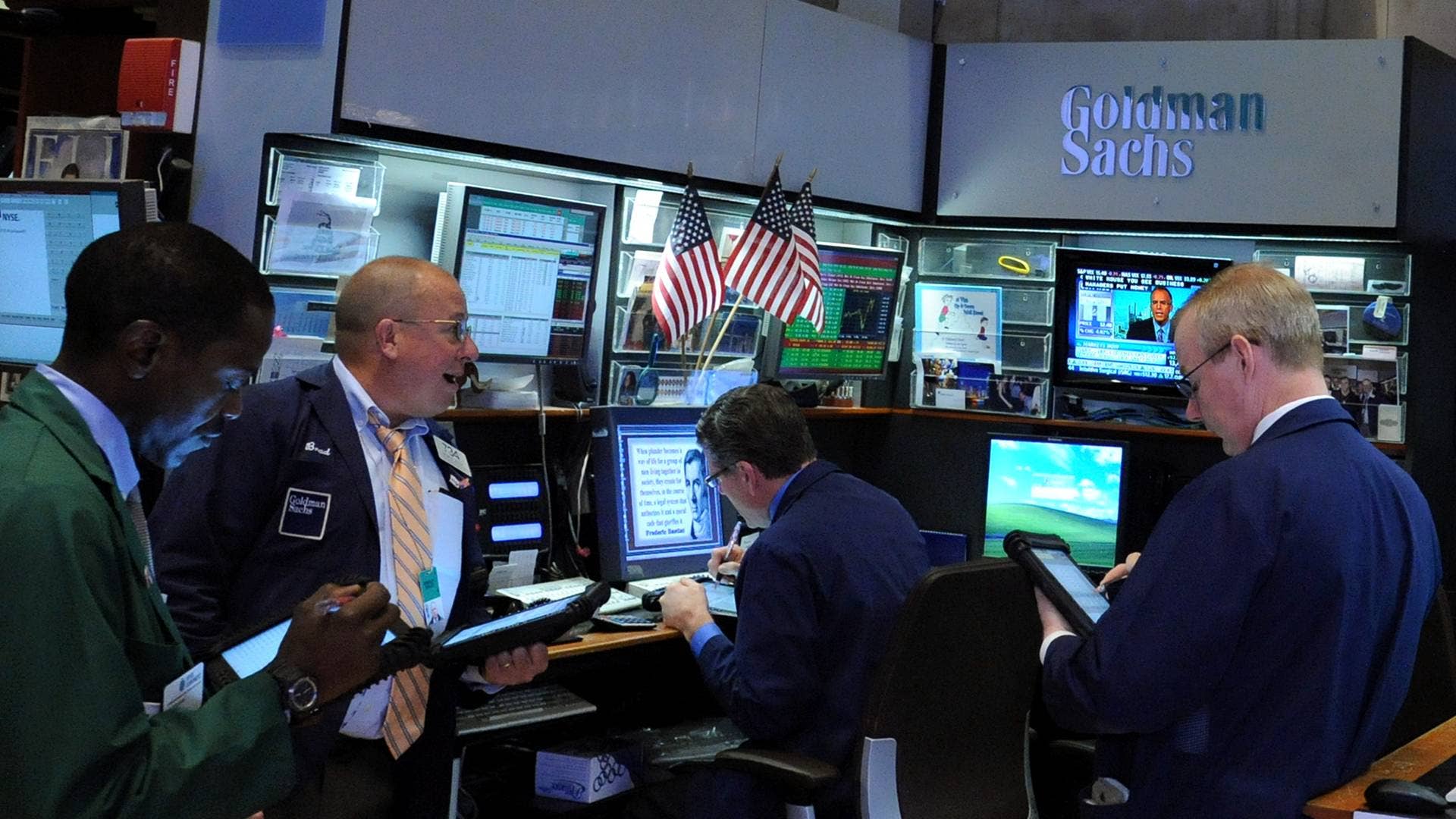
The shockwaves from the escalating Iran war tore through global financial markets this week, dragging down the Dow Jones Industrial Average and wiping out investor optimism that had only recently begun to build around potential interest rate cuts.
What began as a geopolitical confrontation in the Persian Gulf has now metastasized into a full-blown economic tremor, with oil prices surged dramatically, bond yields climbing sharply, and equities across continents sliding into the red.
At the center of the storm lies a simple but devastating equation: energy shock equals market instability.
Oil Shock Triggers Global Sell-Off
Oil prices surged dramatically in recent days, fueled by direct attacks on energy infrastructure and the disruption of critical shipping routes. Brent crude has crossed $110 per barrel in volatile trading sessions, reflecting a surge to the highest levels in years as Middle East tensions intensified.
The surge is being driven by a combination of supply disruptions and geopolitical risk premiums. Iran’s actions in and around the Strait of Hormuz, a chokepoint through which roughly 20 percent of the world’s oil flows, have rattled markets already on edge.
Global markets reacted swiftly. Wall Street indexes tumbled as investors recalibrated expectations for inflation, growth, and monetary policy, with major US indices sliding amid fears of prolonged economic disruption.
The sell-off was not limited to the US global financial markets from Asia to Europe echoed the downturn, underscoring the global nature of the shock.
War Escalation Drives Energy Panic
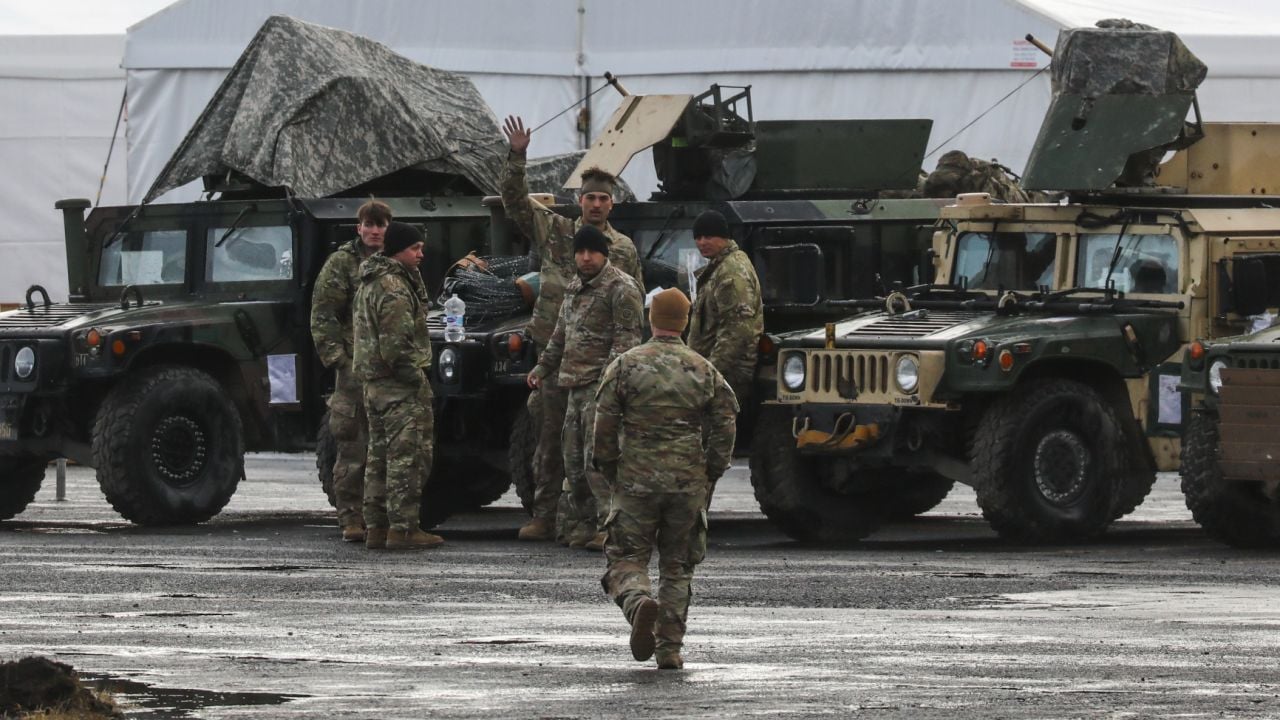
The market turmoil is inseparable from the rapid escalation of military actions in the region.
Recent developments include strikes on major energy facilities and retaliatory attacks across the Gulf, disrupting production and intensifying fears of prolonged shortages. Analysts warn that oil prices could climb far higher, potentially exceeding $180 per barrel in extreme scenarios.
Such levels would not merely dent economic growth, they could trigger a global recession.
Bond Yields Surge, Rate Cut Hopes Fade
As oil prices rise, inflation fears follow close behind, and that has sent bond yields climbing sharply.
Investors are increasingly pricing in a scenario where central banks are forced to keep interest rates elevated for longer than expected. Earlier hopes of rate cuts have been rapidly erased.
Higher yields have compounded the pressure on equities, especially in rate-sensitive sectors.
Energy Stocks Rise as Broader Market Falls
While most sectors have suffered, energy companies have emerged as clear winners in the current environment. Oil majors have surged in value as crude prices climbed sharply during the conflict.
This divergence highlights a classic wartime market dynamic: rising energy costs hurt consumers but boost producers.
Inflation Shock Spreads Across Economies
The implications of rising oil prices are already being felt beyond financial markets.
Fuel prices are climbing globally, while central banks are under pressure to maintain tight monetary policies. The unfolding energy crisis is exacerbating inflation and disrupting supply chains worldwide.
There is growing concern that the world could be heading toward a stagflationary environment, a toxic mix of high inflation and slowing growth.
Global Markets Enter a New Phase of Volatility
The current sell-off may mark the beginning of a more sustained period of volatility.
Oil prices have surged more than 25 percent since the start of the conflict, while equities have fallen across major indices.
This combination creates a highly unstable environment, where investor sentiment can shift rapidly.
The Bigger Picture: A Structural Shock
The ongoing oil shock is reshaping the global economic landscape.
Energy security has once again become a central concern, reversing years of relative stability in global supply chains.
The ripple effects are likely to extend far beyond financial markets, influencing everything from industrial production to household spending.
Markets Brace for Prolonged Crisis
The sharp drop in the Dow Jones is not merely a reaction to rising oil prices, it is a signal that markets are beginning to price in a deeper and more prolonged crisis.
As the conflict continues, the risks to the global economy are mounting.
For now, investors are left navigating a landscape defined by uncertainty, volatility, and the ever-present possibility of further escalation.