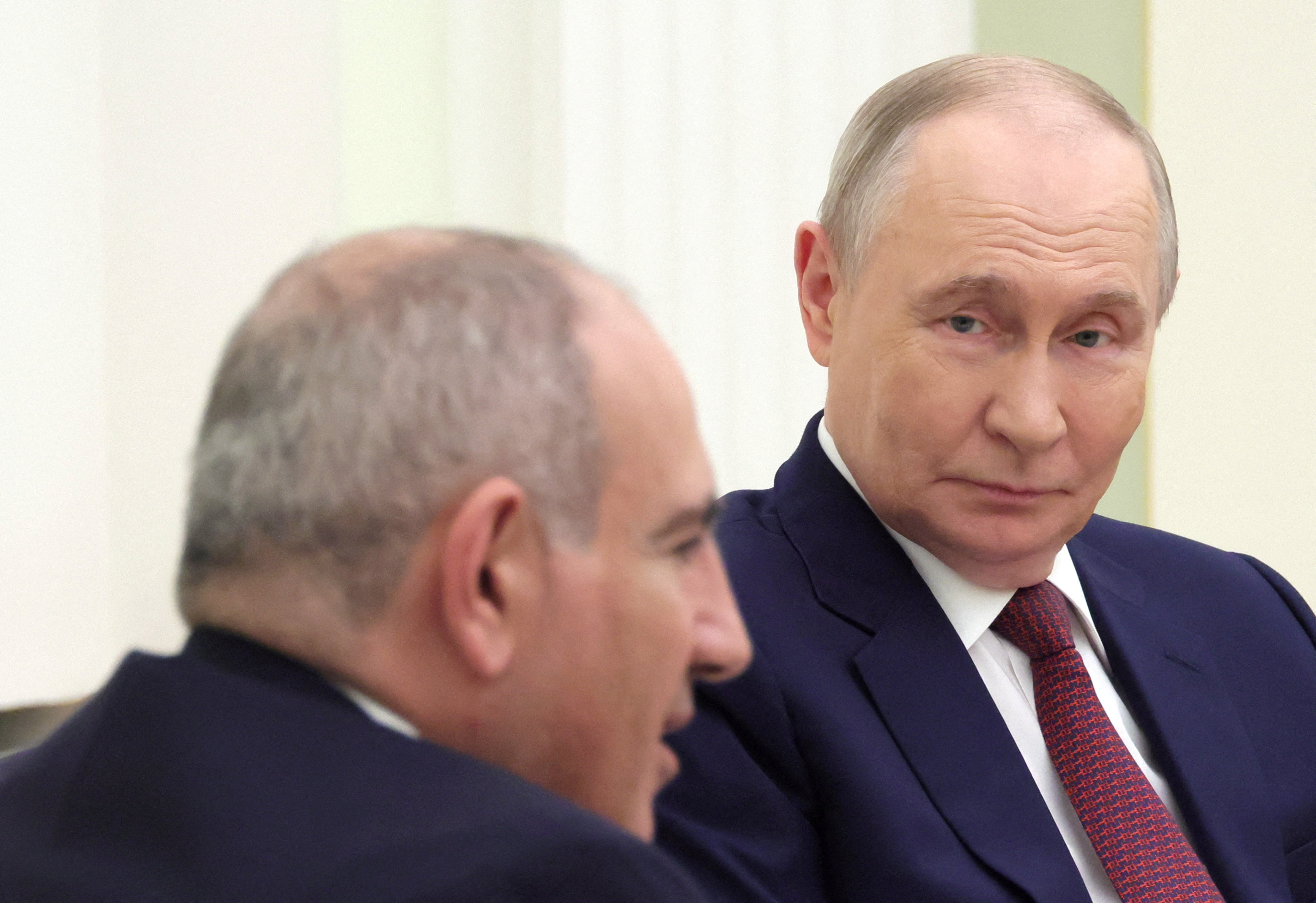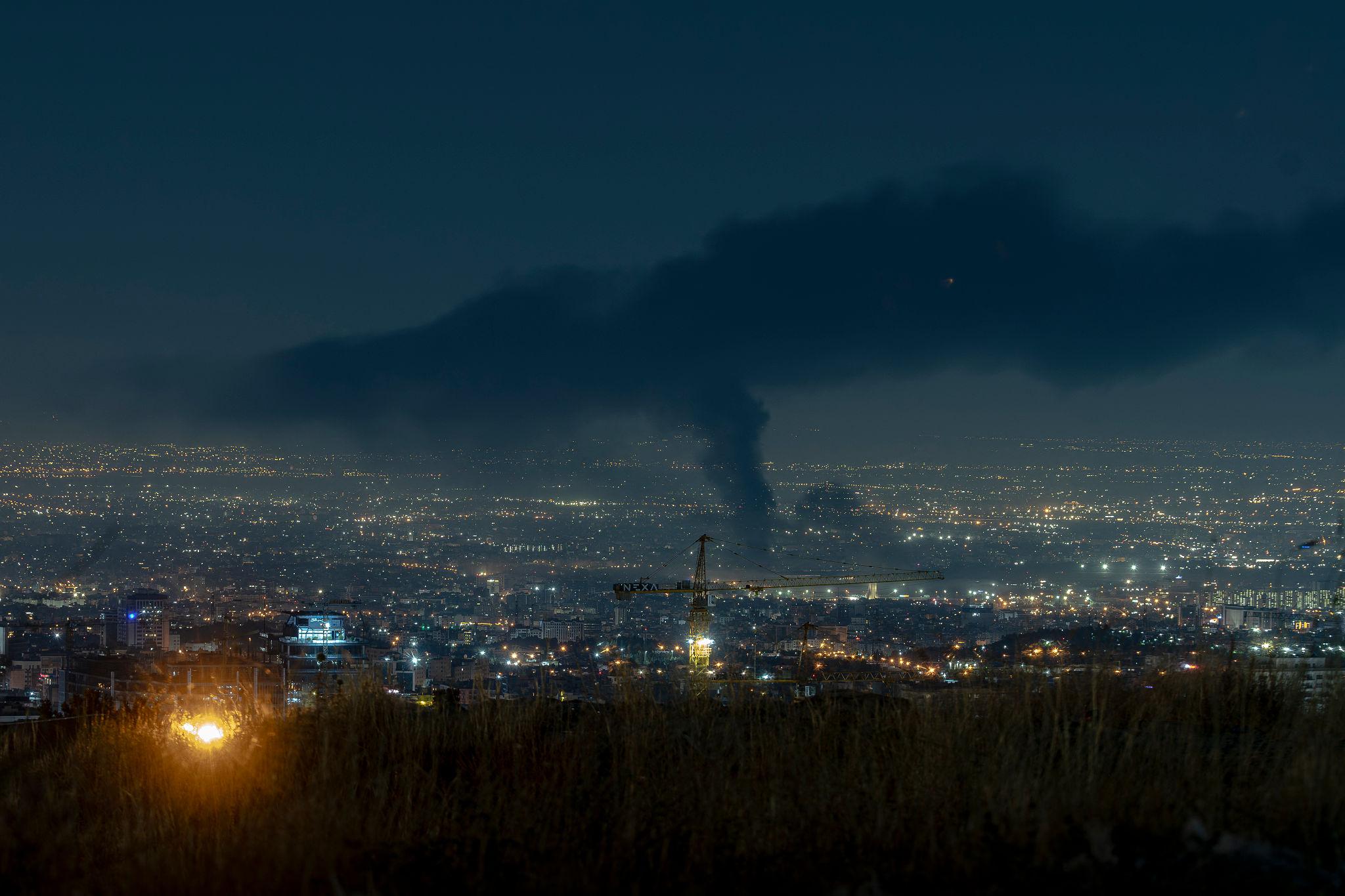

The war that erupted after Israel attacks Iran across multiple cities has entered a dangerous new phase—one defined not only by relentless airstrikes and widening regional confrontation, but also by an unfolding environmental disaster, mass arrests over alleged espionage, and growing fears of a global economic shock.
What began as a rapid military escalation has now transformed into a multidimensional crisis, stretching from Tehran’s skies to global energy markets and even the planet’s climate system.
Airstrikes Intensify as War Expands Across the Region
The scale of airstrikes, assassinations, and oil war escalation has intensified dramatically, with Israeli forces targeting key Iranian infrastructure, including military compounds and nuclear-linked facilities.
According to multiple reports, the Natanz nuclear facility has been struck again, underscoring the strategic intent to weaken Iran’s nuclear capabilities.
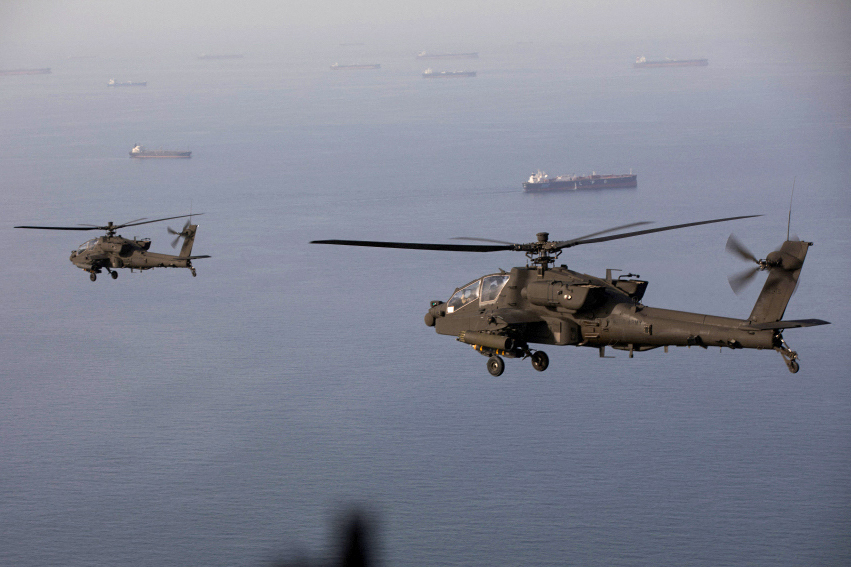
The conflict has rapidly expanded beyond Iran’s borders, drawing in Lebanon and Gulf states, while missile and drone exchanges have become a daily occurrence.
Iran has responded with missile launches targeting US and allied positions, including an attempted strike on a joint UK-US base, signaling its willingness to escalate further.
Meanwhile, US President Donald Trump has indicated that Washington may consider de-escalation, even as military operations continue.
Environmental Catastrophe Unfolds Inside Iran
Beyond the battlefield, the war is triggering what analysts describe as environmental damage and climate fallout from the Iran war, with devastating consequences for air quality, water systems, and public health.
Airstrikes on fuel depots and industrial facilities have unleashed massive fires, releasing toxic pollutants into the atmosphere. Scientists warn that these emissions include hazardous chemicals capable of causing long-term ecological and health damage.
Residents in affected regions have reported blackened skies and contaminated rainfall, raising alarms about chemical exposure and environmental collapse.
Energy War Sparks Global Economic Shock
The conflict has evolved into a full-scale energy war, with attacks on key infrastructure triggering global oil shock and Hormuz collapse fears.
Strikes on critical energy assets, including major gas fields, have sent oil prices surging and disrupted supply chains across global markets.
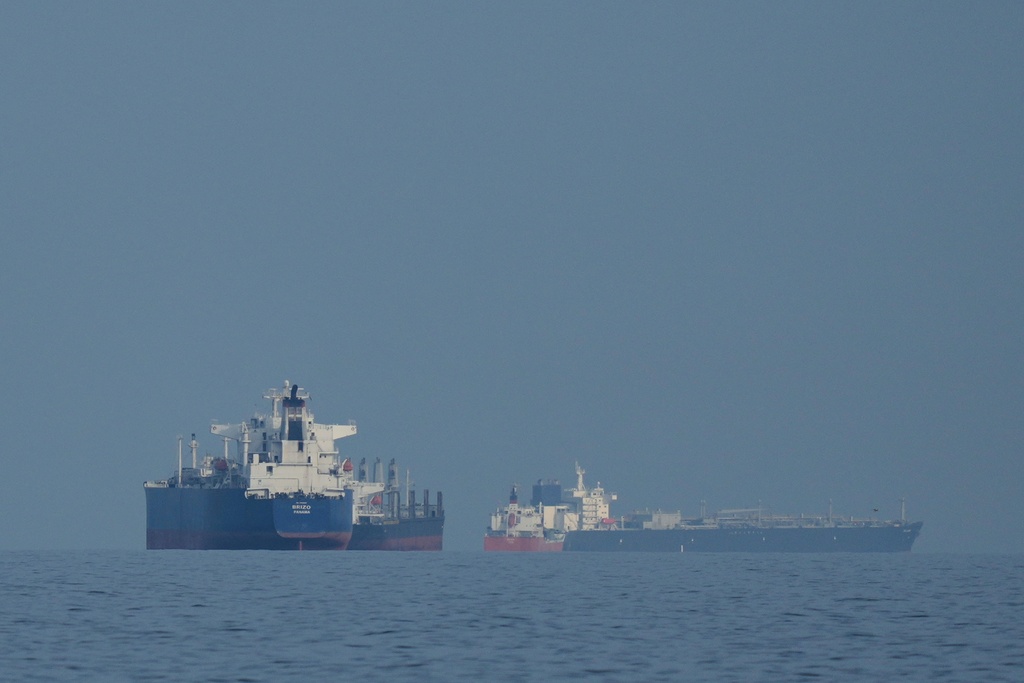
The Strait of Hormuz, a vital artery for global energy trade, remains under threat, amplifying fears of a prolonged economic crisis.
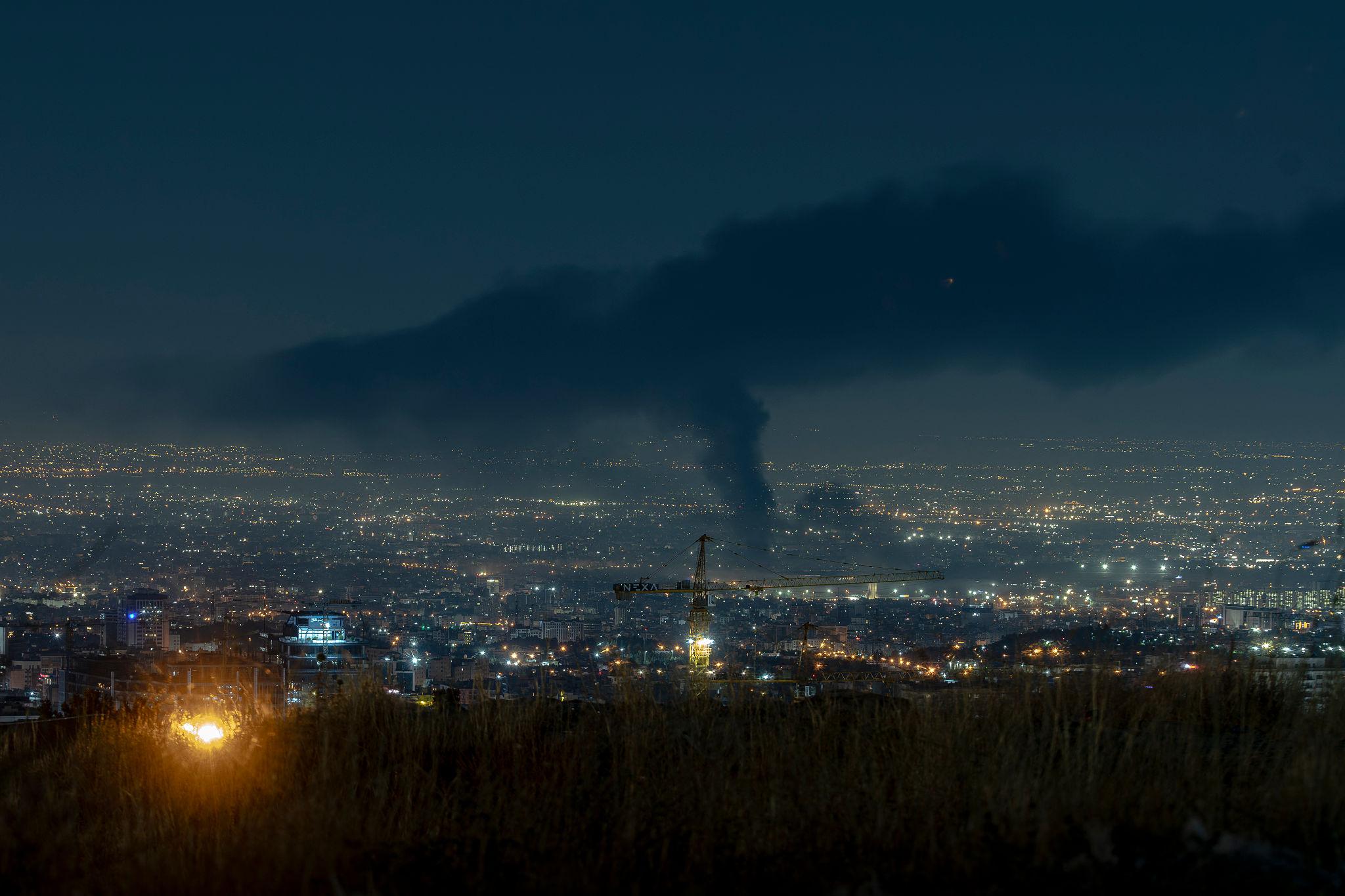
Iran Launches Massive Spy Crackdown
Inside Iran, authorities have intensified a sweeping crackdown, with Iran arrests dozens accused of working with Israel and foreign powers as fears of internal infiltration grow.
Security agencies have also detained foreign nationals detained over alleged espionage networks, highlighting concerns about intelligence operations inside the country.
The arrests reflect mounting anxiety within Iran’s leadership as the war exposes vulnerabilities in national security and intelligence systems.
Retaliation Threats and Rising Tensions
Iran has issued stark warnings, with officials declaring that Iran warns of harsh response to US and Israel over civilian vessel attacks.
At the same time, Iran has demonstrated its retaliatory capabilities, including attempts to strike foreign military installations, signaling that the conflict could escalate further.
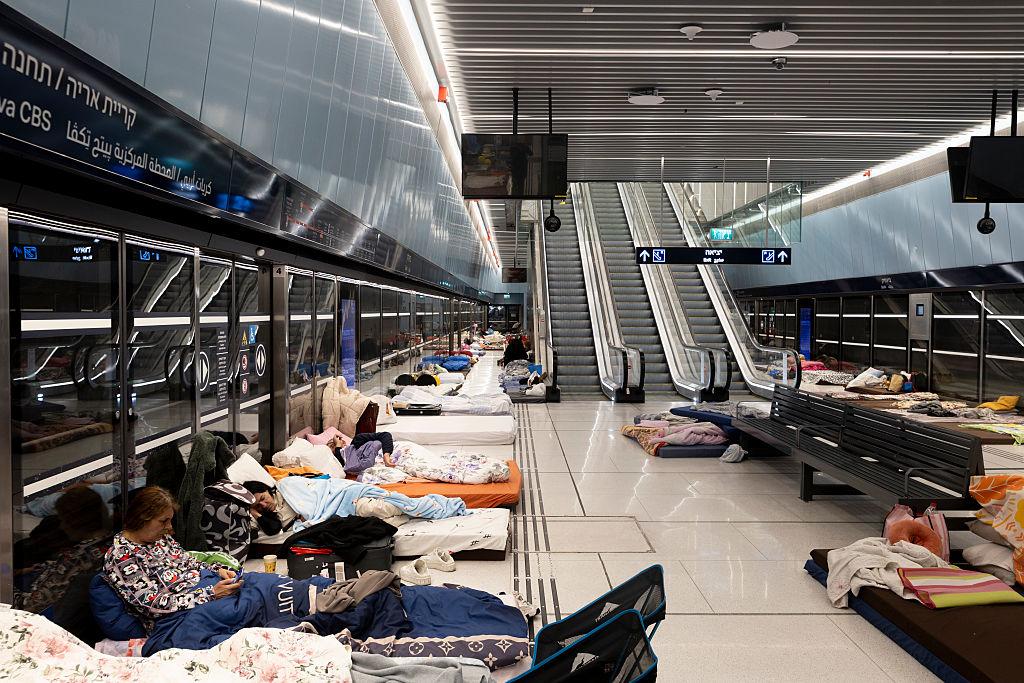
Covert Operations and Intelligence War
The conflict has also entered a shadow phase, with covert operations intensifying. Reports suggest Iran strikes deep inside Israel in covert operation, highlighting the growing complexity of the confrontation.
Simultaneously, an intelligence war targeting Iran’s leadership has emerged, with high-profile assassinations signaling a new level of escalation.
Global Stakes and Strategic Uncertainty
The war is now reshaping global geopolitics, with energy markets, military alliances, and regional stability all under strain.
Despite signals that Washington may seek to reduce its role, analysts warn that Trump signals possible winding down of Iran war despite ongoing strikes does little to reduce the immediate risks of escalation.
As the conflict continues, the world faces a volatile mix of military confrontation, environmental degradation, and economic disruption.
The war triggered by Israel’s attacks on Iran has already crossed critical thresholds—raising urgent questions about how far the crisis will spread and whether any actor can contain its consequences.