The language of international law is often cautious, restrained, and deliberately measured. But in recent months, a growing body of United Nations experts, human rights investigators, and independent observers has abandoned that restraint when describing events in Gaza. What is unfolding, they increasingly argue, is not merely war, but something far more systematic and far more devastating: a Gaza genocide accompanied by patterns of torture, repression, and global political complicity.
At the center of this shift is a series of findings that have escalated in both urgency and severity. A United Nations commission concluded in a landmark report that there are “reasonable grounds” to determine that Israeli authorities have committed acts that meet the legal definition of genocide in Gaza. The report identified killings, severe physical and mental harm, deliberate destruction of living conditions, and measures affecting births as part of a broader pattern of conduct that aligns with the Genocide Convention.
That conclusion has not remained confined to a single report. Subsequent UN-linked analyses and expert statements have reinforced the claim that the Gaza genocide is ongoing in The Palestine and expanding. A growing body of evidence now suggests that the scale of violence, combined with deliberate policies, has created conditions that extend far beyond conventional warfare.
Parallel to these findings is another deeply troubling pattern: the systematic torture of Palestinians in detention. Reports tied to UN investigations describe torture not as isolated incidents, but as an embedded practice within detention systems and military operations. According to UN Special Rapporteur Francesca Albanese, Palestinians have been subjected to “exceptionally ruthless physical and psychological abuse” on an unprecedented scale since the war began.

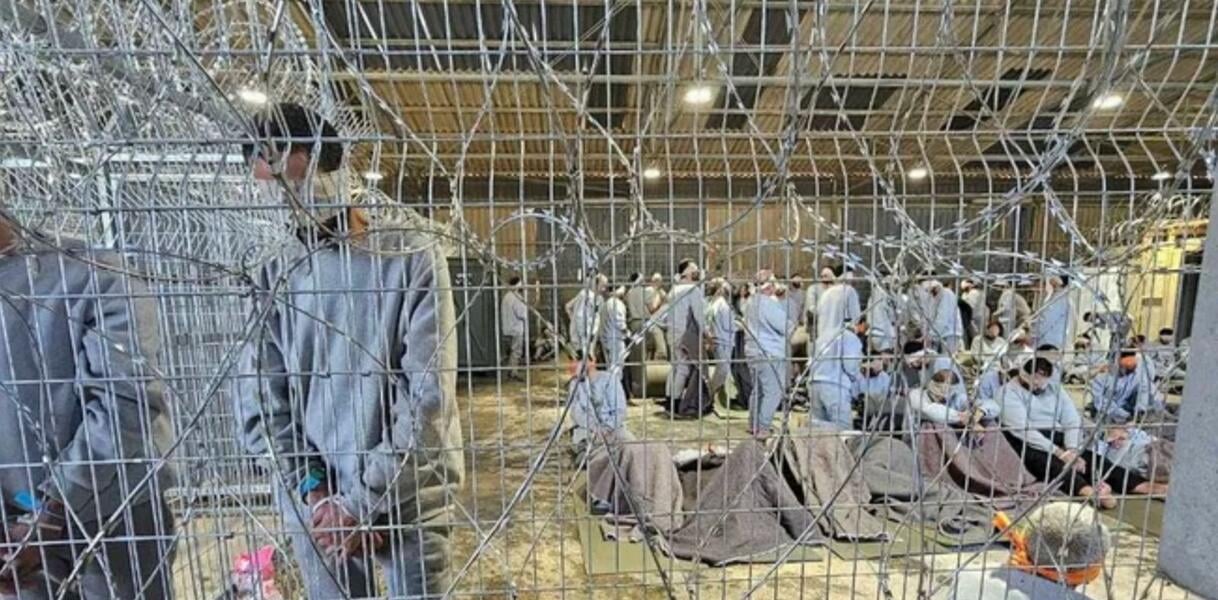
The broader human rights landscape reflects similar patterns. Investigations by international organizations describe escalating atrocities, including acts that may constitute war crimes, crimes against humanity, and genocide. The cumulative evidence, experts argue, supports the conclusion that these actions are not incidental but form part of a broader system of institutionalized violence.
Indeed, the concept of intent is central to the legal definition of genocide. The growing body of UN findings suggests that the destruction of Palestinian life in Gaza is not merely a consequence of war, but part of a deliberate strategy. Experts warn that torture has effectively become state policy, embedded within military and detention practices and sustained by political and institutional backing.
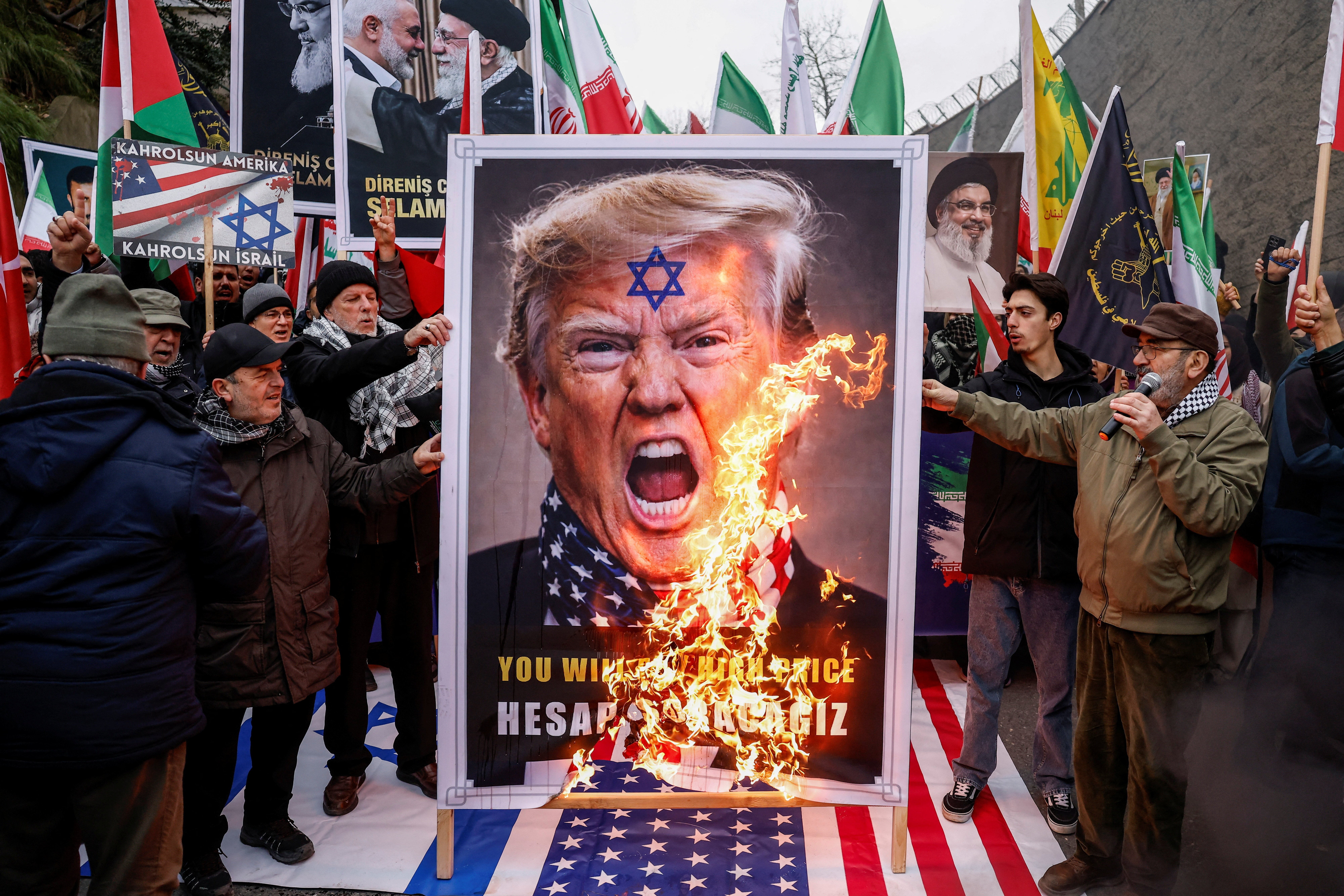
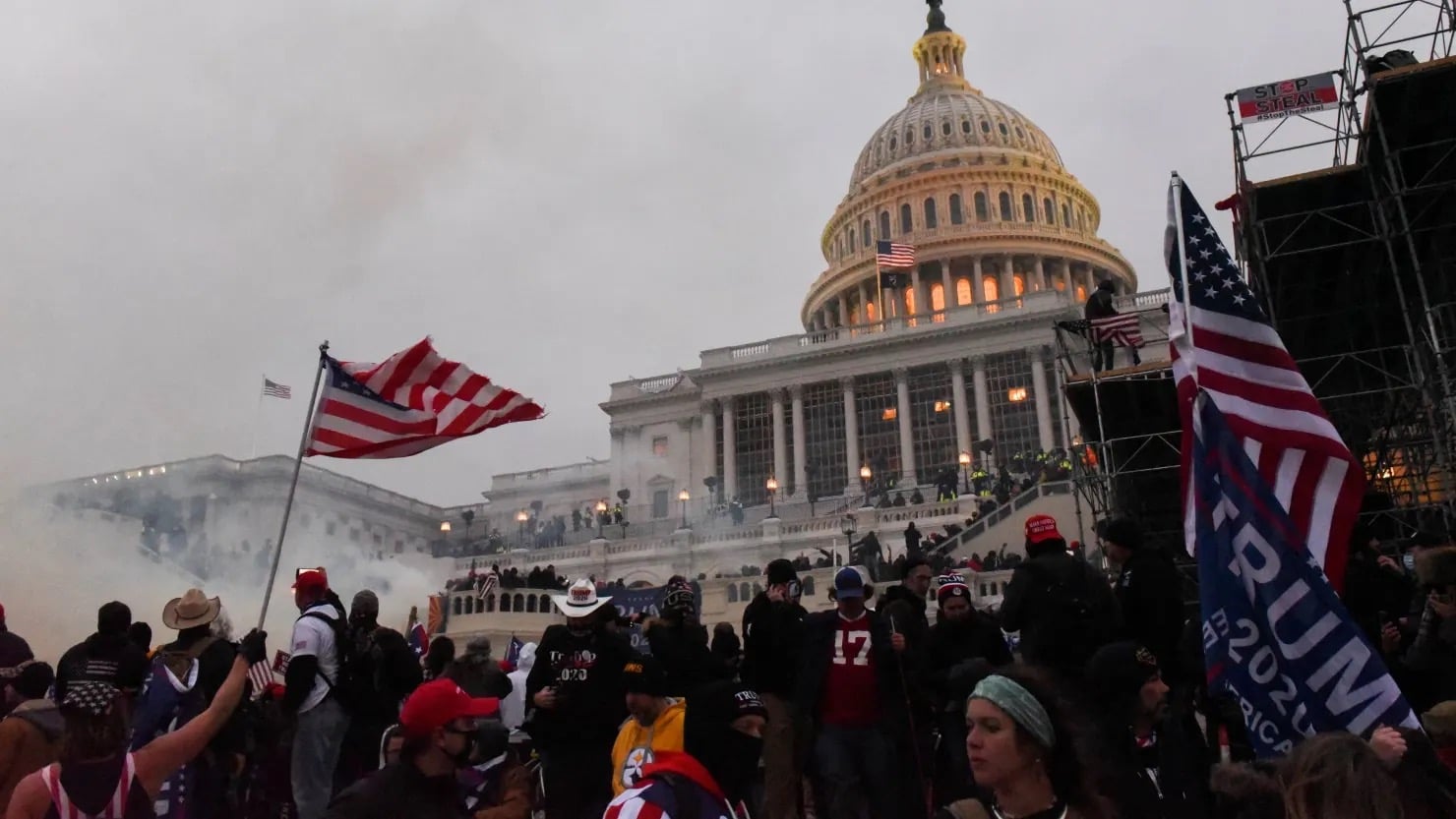
Beyond the battlefield and detention centers, the implications of the Gaza genocide are reverberating globally. Across Europe and North America, protests in solidarity with Palestinians have faced increasing restrictions. Students, activists, and academics have reported disciplinary actions, surveillance, and restrictions on freedom of expression, raising concerns about a broader crackdown on dissent.

In the United States, this contradiction has become especially pronounced. Observers argue that political actions targeting critics of Israeli policy risk undermining the credibility of institutions that claim to uphold international law, further reinforcing perceptions of global complicity.
The role of Western governments in the Gaza genocide debate extends beyond questions of speech. UN reports have repeatedly pointed to the importance of external support, military, economic, and diplomatic, in sustaining the conditions under which the conflict continues. This has intensified scrutiny of US foreign policy and its broader implications for international legal norms.
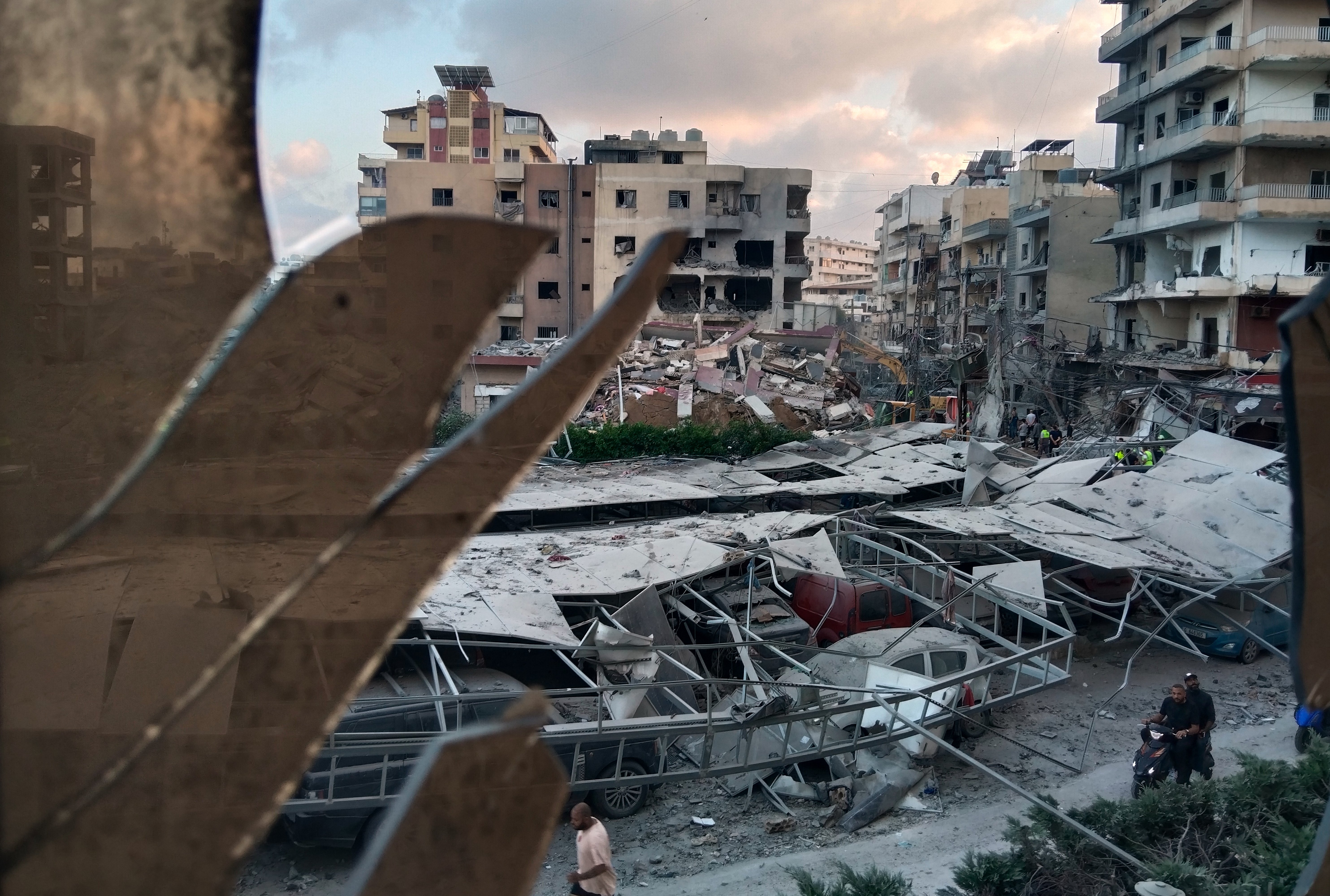
The humanitarian consequences are already staggering. Entire neighborhoods have been reduced to rubble. Infrastructure essential to survival, hospitals, water systems, and food supply networks, has been systematically degraded. The resulting conditions, experts argue, are not accidental byproducts of war, but part of a broader pattern that aligns with the legal criteria for genocide.
Medical and humanitarian organizations have warned of catastrophic long-term effects. Malnutrition, disease, and psychological trauma are expected to shape the lives of an entire generation. The destruction of healthcare infrastructure has led to rising maternal mortality and the collapse of essential services, reinforcing claims that conditions are being deliberately imposed to make life unsustainable.
Meanwhile, the geographic scope of the crisis continues to expand. Reports suggesting that tactics used in Gaza are being replicated in other areas, including Lebanon, have heightened fears of a regional escalation. If confirmed, such developments would mark a significant shift, transforming what was initially framed as a localized conflict into a broader regional crisis.
The international legal system is now under unprecedented pressure. Cases at the International Court of Justice and investigations by the International Criminal Court are being closely watched as potential avenues for accountability. Yet the effectiveness of these mechanisms remains uncertain, particularly when powerful states resist or undermine enforcement efforts.
Historically, the credibility of international law has depended on its consistent application. The Gaza genocide debate has exposed the fragility of that principle. When allegations of such magnitude are met with political hesitation or selective enforcement, the legitimacy of the entire system is called into question.
For many observers, the issue is no longer confined to Gaza or even to the Middle East. It has become a test of whether international norms can withstand geopolitical pressure. The outcome will likely shape not only the future of the region, but also the global order itself.
As the evidence continues to mount, the language used to describe the situation is becoming increasingly direct. What was once framed as a humanitarian crisis is now widely described, in legal and academic circles, as a Gaza genocide accompanied by systematic torture and institutionalized violence.
The implications of that shift are profound. If these conclusions are upheld, they will demand not only accountability for those directly involved, but also a reckoning for the international community that allowed such conditions to persist.
For now, the situation remains unresolved. Investigations continue, testimonies accumulate, and the humanitarian toll rises. But one thing is increasingly clear: the debate over Gaza is no longer about interpretation. It is about whether the world is willing to confront the consequences of what its own institutions are now documenting.