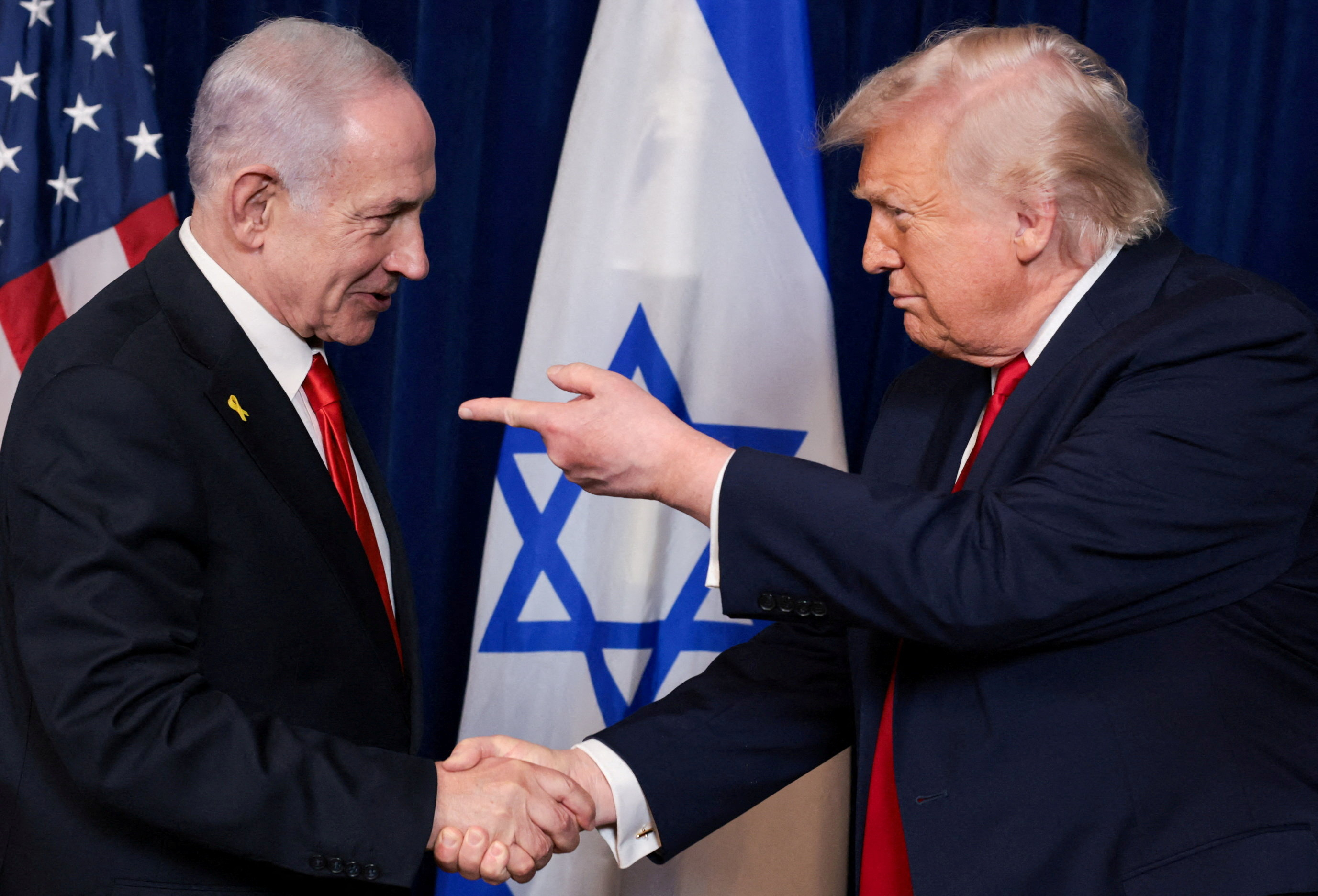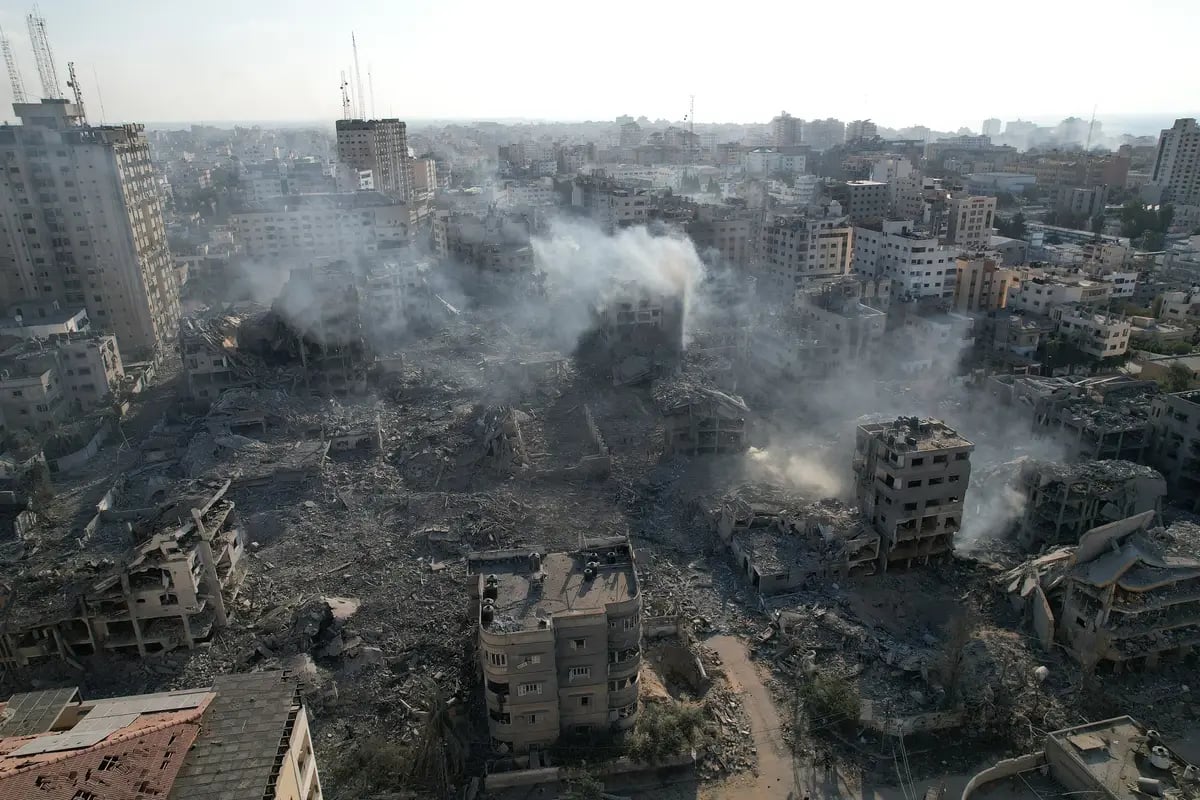
The United States is advancing a new political framework for Gaza that demands the dismantling of Hamas as a governing force, even as airstrikes have targeted tent camps housing displaced Palestinians and the enclave’s economic and healthcare systems spiral toward collapse.
The proposal, detailed in reports that US is advancing a new political framework for Gaza, marks a decisive shift in the trajectory of the war. It moves beyond ceasefire negotiations into what analysts describe as an attempt to reshape Gaza’s political, social, and demographic structure under sustained military pressure.
Conditions inside the besieged territory have deteriorated sharply, with international observers warning that the damage may soon become irreversible.
A War That Has Become Political Engineering
At the center of the US initiative is a demand that Hamas relinquish both its military capabilities and its governing authority in Gaza. The framework builds on earlier proposals that called for demilitarization, transitional governance, and reconstruction under international oversight.
This reflects what analysts describe as a US-backed plan to remove Hamas and reshape the region’s political landscape, tying reconstruction efforts directly to political outcomes.
For Hamas, such demands amount to surrender. For Washington, they represent a pathway to a new order in Gaza that aligns with broader regional strategies.
Bombing the Displaced
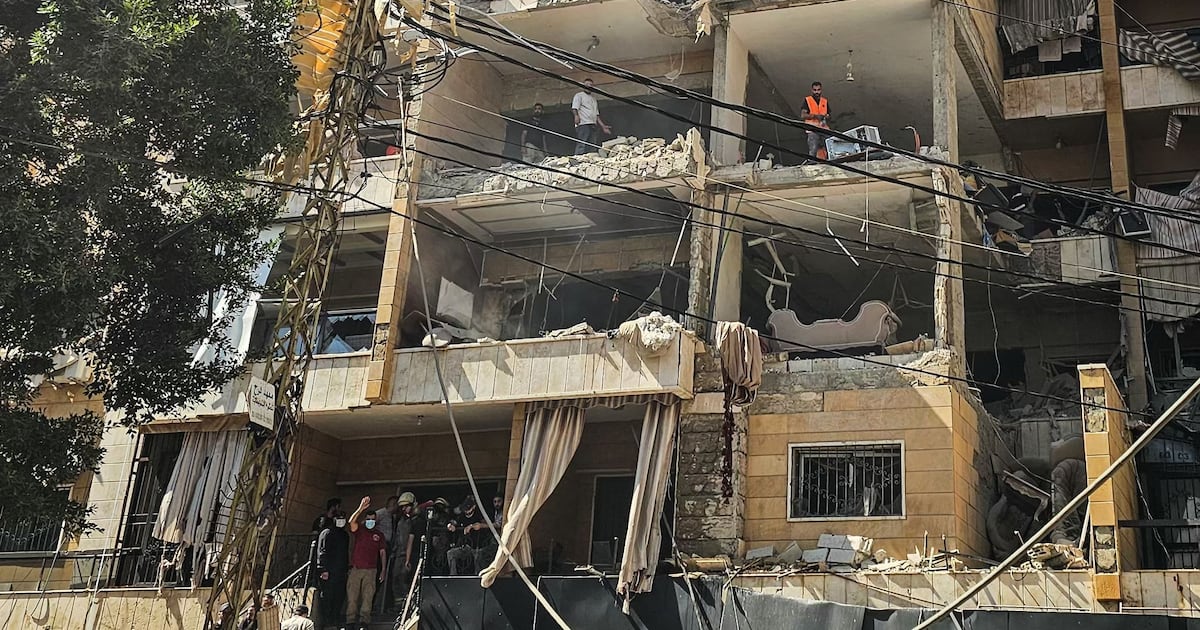
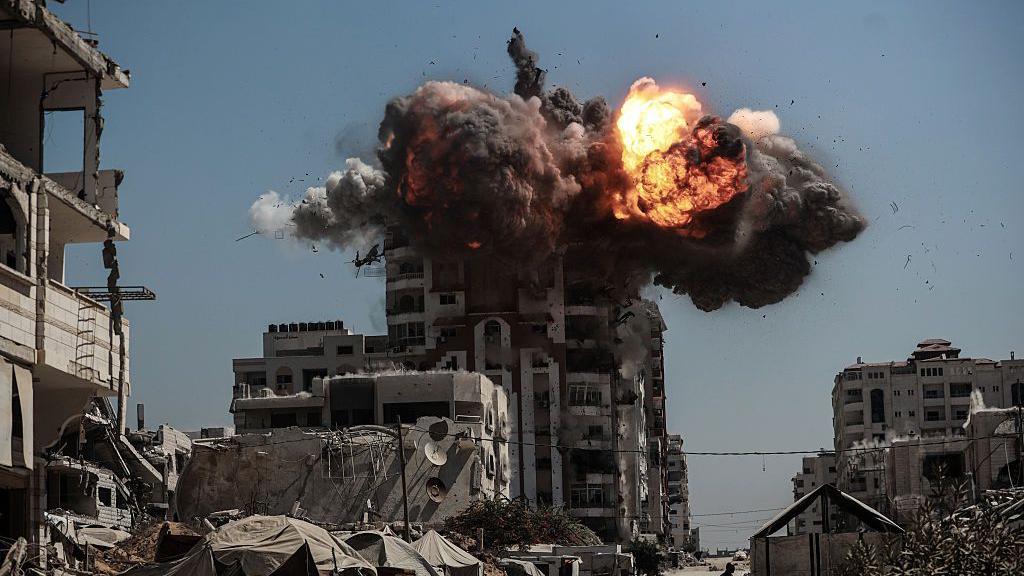
While diplomatic efforts continue, the situation on the ground has grown more severe. Reports confirm that airstrikes hit tent camps sheltering displaced Palestinians, areas that had been considered relatively safe.
Witness accounts and video evidence show widespread destruction of makeshift shelters. Families who had already fled their homes are once again forced to move, often with nowhere secure to go.
Collapse of a Health System
The destruction extends beyond infrastructure. Gaza’s healthcare system is on the brink of total collapse and is no longer able to meet basic needs.
Central to this crisis is the case of Dr. Hussam Abu Safiya. Reports indicate that United Nations experts have warned he was subjected to severe torture while in detention.
Further findings state that UN experts warned of severe torture and denial of medical care, highlighting broader concerns about the treatment of medical personnel.
This situation reflects growing international discourse describing the crisis as genocide, particularly as hospitals and medical networks continue to deteriorate.
Economic Strangulation
Alongside the physical destruction, Gaza faces a severe financial crisis. Reports confirm that cash shortages and economic collapse are affecting daily life across the enclave.
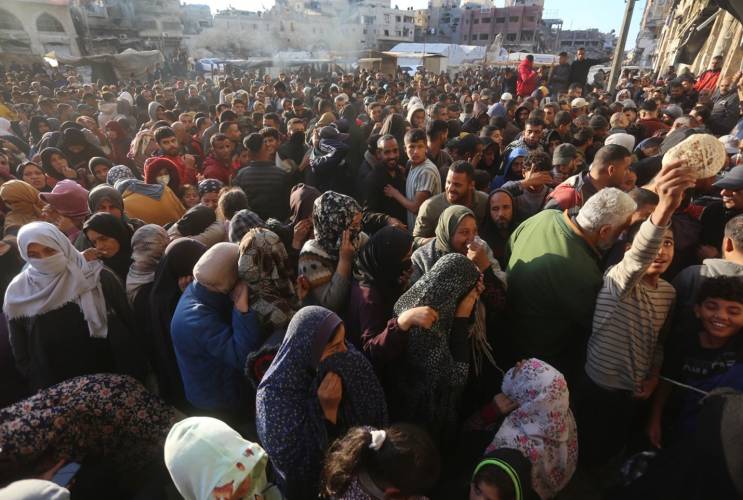
Families are selling personal belongings to secure food and essentials. Banking systems are largely nonfunctional, and access to savings remains extremely limited.
Analysts increasingly view this economic breakdown as part of a broader pattern of pressure that extends beyond the battlefield.
Displacement Without End
Accounts from inside Gaza describe a population in constant motion. Families living in constant movement face repeated displacement and worsening living conditions.
A Broader Regional Conflict
The war is increasingly linked to a regional conflict involving Iran and other actors, adding complexity to diplomatic efforts and delaying any coordinated reconstruction plan.
This broader escalation raises questions about whether Gaza’s future will be shaped by local developments or wider geopolitical forces.
International Scrutiny Intensifies
Global attention is intensifying around detention practices and the targeting of civilian infrastructure.
Investigations also point to reports of relocation schemes and intelligence operations, raising concerns about long-term demographic changes.
Further analysis highlights war tactics that may reshape Gaza’s population over time.
The targeting of civilians and media workers has also drawn attention, including documented cases involving journalists and their families.
Legal pressure continues to grow internationally, reflected in global legal actions and institutional responses.
A Defining Moment
The convergence of military action, political strategy, and economic collapse has transformed the conflict into a broader crisis affecting every aspect of life in Gaza.
What is unfolding is not only a war but a structural transformation driven by sustained pressure across multiple fronts.
For civilians, the immediate reality remains survival under increasingly difficult conditions.
The Road Ahead
The outcome of this phase will determine both the end of the war and the future structure of Gaza.
If the proposed framework is implemented, a new governing system could emerge under international supervision. If it fails, the current trajectory of violence and humanitarian decline is likely to continue.
The stakes remain high, and the future of Gaza continues to hang in the balance.