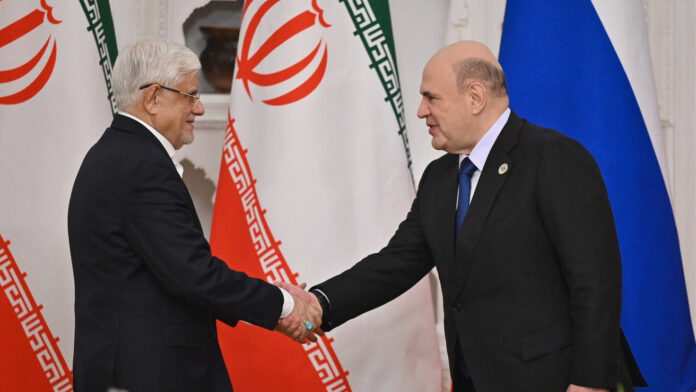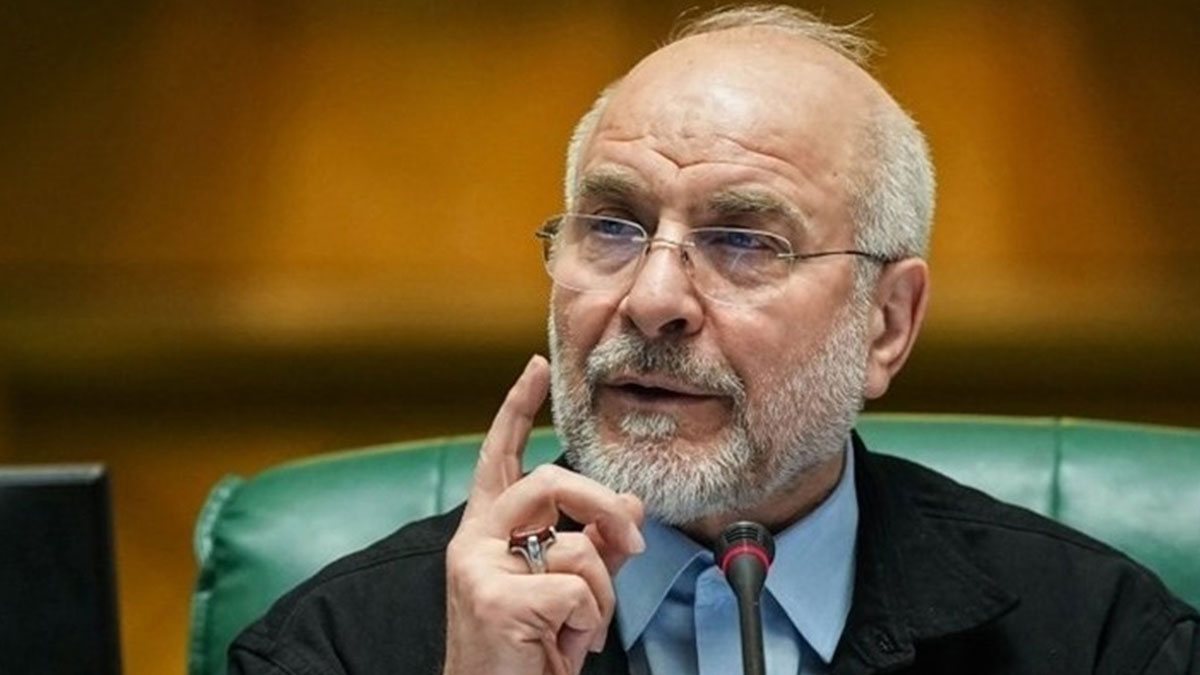

TEHRAN — The warning came not from a general or an IRGC commander but from the man who chairs Iran’s parliament. Hours after Israeli aircraft struck the Dahiyeh district of southern Beirut on Sunday, Mohammad Bagher Ghalibaf posted a declaration that cut through the diplomatic noise around the ceasefire: Washington’s support for Israel has made American and Israeli bases in the region legitimate military targets.
Two people were killed and eleven wounded in the Dahiyeh strike, Lebanese officials said. It was not the first time Israel had hit the neighborhood — Hezbollah’s stronghold in Beirut’s southern suburbs has been struck repeatedly since the broader conflict escalated — but the timing raised immediate alarm. A fragile ceasefire and ongoing U.S.-Iran negotiations had made Dahiyeh something of an informal red line. Sunday’s strike crossed it.
Ghalibaf, who also chairs Iran’s Negotiating Council, made clear that he saw the strike as inseparable from Washington’s decisions. “The United States and Israel believe neither in ceasefire nor in dialogue,” he wrote on social media. “By maintaining the naval blockade and violating the agreements on Lebanon, they have shown they understand only the language of force.”
The logic he laid out was direct: American backing for Israeli operations — what he called the “green light Washington is giving the Zionist regime today” — transforms U.S. military installations and assets in the region into co-belligerent targets. Iran’s armed forces, he added, remain ready as always.
It is language that has appeared before in this conflict, from the IRGC and from hardline factions within the Iranian political establishment. What is notable here is its source. Ghalibaf is not a fringe voice or a battlefield commander inflating a battlefield moment. He is the speaker of Iran’s legislature and the head of the body that formally oversees Iran’s negotiating posture toward the United States — the Negotiating Council that has been at the table, however unproductively, in the talks that began in Pakistan in April.
Those talks failed to produce a deal. Trump extended the ceasefire and the naval blockade indefinitely, pending a negotiated resolution. Iran had been signaling, in stops and starts, a willingness to continue. Then Sunday’s strikes on Dahiyeh arrived. The pattern has been consistent: Iran has struggled to deliver what Washington actually needs from these negotiations — Hezbollah’s compliance — and each Israeli strike in Lebanon narrows the space further.
Iran’s National Security and Foreign Policy Commission spokesman Ibrahim Rezai added a sharper note: “We will give a decisive response to the Zionist regime’s Dahiyeh attack.” Whether that is coordinated policy or the standard rhetorical temperature of Iranian officials after Israeli strikes is not yet clear. What is clear is that the men speaking are not peripheral figures.
The Dahiyeh strike came after Netanyahu and Defense Minister Katz issued a joint statement saying the IDF had “attacked terrorist headquarters” in the neighborhood in response to Hezbollah fire into Israeli territory. The IDF had issued evacuation orders for the area beforehand. Israeli officials have consistently framed strikes in Dahiyeh as targeted operations against Hezbollah military infrastructure, not residential areas — a framing Lebanese civil defense teams on the ground have repeatedly disputed. Earlier in the day, Israel struck residential blocks in Beirut’s Mreijeh neighborhood, defying a U.S. request and the terms of the Lebanon ceasefire agreement.
For the Trump administration, the timing is difficult. According to ABC News, a heated phone call on June 1 between Netanyahu and Trump saw the president express frustration with Israeli escalation in Lebanon and its potential to imperil ongoing negotiations with Tehran. On Sunday, after Iran said it was stepping away from communications over Israeli aggression, Trump posted that talks were “continuing” at a “rapid pace” — a claim Iran had not confirmed.
Trump also said he had spoken with Hezbollah and that both sides had agreed to stop attacks. Netanyahu, in turn, was said to have agreed not to send troops into Beirut. What the Dahiyeh strike means for those assurances — given that it happened before or alongside those calls, or perhaps in direct disregard of them — remained an unresolved question Sunday evening.
Ghalibaf’s statement does not announce a new Iranian military action. It is a warning, calibrated for the moment — the kind of language Tehran deploys to signal resolve without triggering a formal escalation. But the conditions it describes are not theoretical. The naval blockade on Iran remains in place. Talks have not produced an agreement. Israel has now struck Dahiyeh again. The original Dahiyeh strike earlier this cycle had already shattered the ceasefire’s last unspoken limit. What the next move looks like — from Tehran, from Hezbollah, from Washington — is precisely what nobody involved in the negotiations appears willing to say on the record.