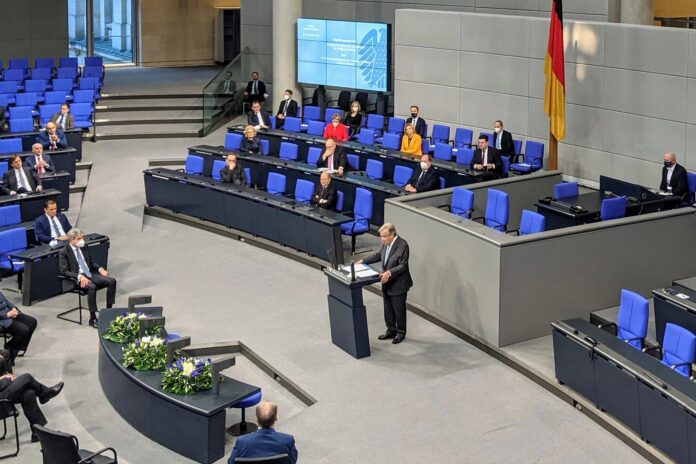
BERLIN / THE HAGUE / GAZA — In a dramatic geopolitical shift that could reshape the legal trajectory of the Gaza genocide, Germany has withdrawn its planned support for Israel at the International Court of Justice (ICJ), even as Israeli attacks continue to kill Palestinians and deepen the humanitarian catastrophe.
The announcement marks a sharp reversal from Berlin’s earlier stance. In 2024, Germany had firmly backed Israel and rejected allegations tied to the genocide case against Israel. Now, facing mounting legal pressure and its own exposure at the ICJ, Germany has stepped back, signaling fractures within Western alignment over Gaza.
Reports confirm that Germany will not intervene at the ICJ, a decision widely interpreted as a strategic retreat amid intensifying scrutiny. The move comes as Berlin faces a parallel case filed by Nicaragua, which accuses it of complicity in genocide through arms exports and political backing.
A Legal Earthquake at The Hague
The ICJ case, initiated by South Africa, has evolved into one of the most consequential legal battles in modern history. It accuses Israel of violating the Genocide Convention through its military campaign in Gaza, allegations that continue to reverberate across international institutions.
Germany’s withdrawal is not merely symbolic. It reflects mounting legal risk, as Nicaragua’s case seeks to hold Berlin accountable for enabling what it describes as genocidal actions.
The ICJ has already issued provisional measures ordering Israel to prevent acts that could fall under genocide and ensure aid access, measures that remain central to the ICJ provisional measures framework shaping the conflict.
Mounting Death Toll and Intensifying Strikes
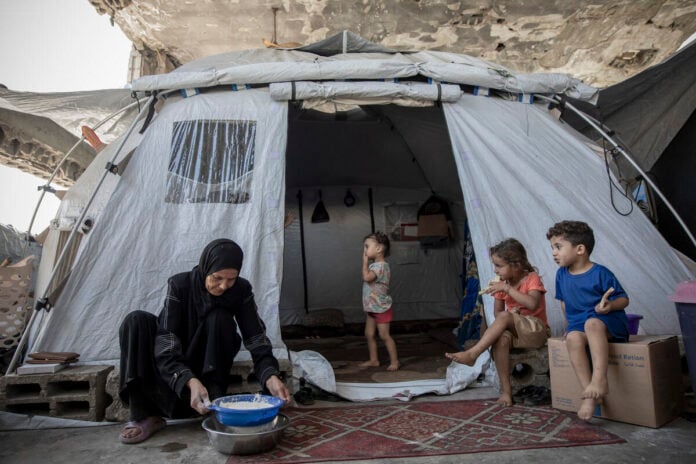
On the ground, the humanitarian crisis in Gaza continues to worsen. Civilian casualties are mounting amid sustained bombardment, with women and children accounting for a significant proportion of those killed.
The scale of destruction has prompted growing recognition among legal experts and global actors that the conflict may meet the threshold of genocide. This shift in language is increasingly reflected in international discourse, including coverage of the Germany shifts stance on Gaza genocide case.
As the death toll rises, the gap between legal proceedings in The Hague and realities on the ground in Gaza continues to narrow, creating unprecedented pressure on international institutions to act.
Germany’s Strategic Retreat
Germany’s decision underscores a growing dilemma within Western capitals: balancing longstanding alliances with Israel against intensifying legal and moral scrutiny.
For decades, Berlin has framed its support for Israel as a historical obligation. But that stance is increasingly challenged by legal actions and public pressure tied to the global response to Gaza genocide.
At the same time, Germany’s role as a major arms supplier has come under scrutiny. Legal filings at the ICJ argue that continued support may violate obligations under international law, further complicating Berlin’s position.
Global Divisions Deepen
Germany’s shift reflects a broader realignment in global politics. Countries across the Global South have rallied behind South Africa’s case, framing it as a test of international law and accountability.
Meanwhile, Western nations remain divided, with some continuing to support Israel while others face growing internal dissent. Germany’s withdrawal from direct intervention may signal the beginning of a wider policy recalibration.
The legal and political stakes extend far beyond Gaza, raising fundamental questions about the enforcement of the Genocide Convention and the responsibilities of states that provide military or diplomatic backing.
The ICJ Case: A Long Road Ahead
Despite its significance, the ICJ case is expected to take years to reach a final judgment. In the interim, provisional measures remain one of the few legal mechanisms attempting to constrain the conflict.
Legal experts note that the outcome could redefine how international law addresses modern warfare, particularly in cases involving third-party states accused of complicity.
Germany’s recalibration appears closely tied to these risks, as it seeks to avoid further exposure while defending itself in ongoing proceedings.
A Turning Point in Global Accountability?
Germany’s decision to step back from Israel’s defense may mark a turning point in the Gaza war — and in the broader evolution of international law.
As the legal battle unfolds, the humanitarian reality in Gaza continues to deteriorate, with ongoing strikes, displacement, and widespread destruction.
The question now confronting the international community is whether institutions like the ICJ can translate mounting evidence and global outrage into meaningful accountability, or whether the crisis will deepen further without decisive intervention.
For Palestinians in Gaza, however, the stakes remain immediate and existential, as survival itself becomes the defining challenge amid what many increasingly describe as a genocide unfolding in real time.