
Brasília —Brazil is poised to formally support South Africa’s genocide lawsuit against Israel at the International Court of Justice, a landmark legal move that deepens a widening global divide over the Genocide in Gaza. In a declaration released Tuesday, Brazil’s Ministry of Foreign Affairs confirmed the country is in the “final phase” of submitting its intervention to the ICJ, citing a pattern of grave human rights violations by Israeli forces since October 2023.
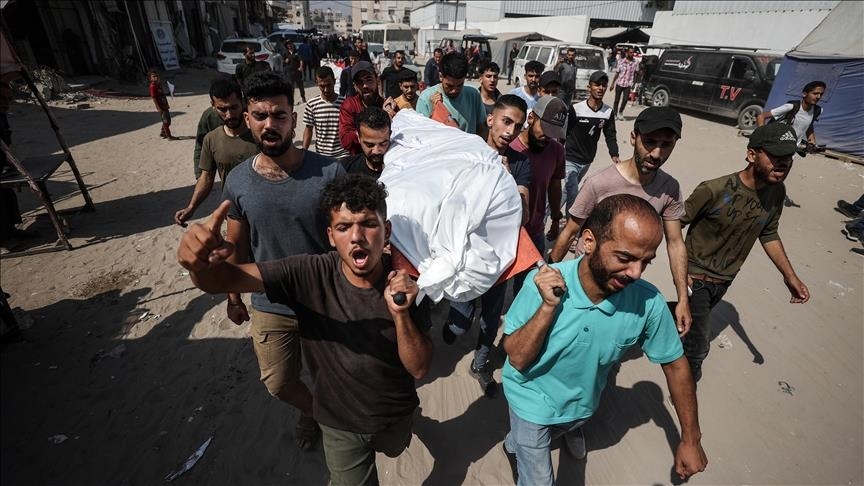
This step signals Brazil’s growing disillusionment with the conduct of Western-backed military campaigns, especially those carried out with impunity under the guise of anti-terrorism. Officials in Brasília expressed “deep indignation” over what they described as the systematic targeting of civilian infrastructure in Gaza — including schools, hospitals, churches, mosques, and UN facilities — and accused Israel of weaponizing starvation in violation of international law.
President Luiz Inácio Lula da Silva, who has repeatedly condemned Israel’s military attacks in Gaza, had previously drawn fierce backlash from Israeli and US officials for comparing the bombardment of Palestinians to the Holocaust. Lula’s government has since doubled down on its position, aligning Brazil with a rising bloc of Global South nations seeking to hold Tel Aviv accountable on the international stage.
South Africa filed its case at The Hague in December 2023, accusing Israel of violating the 1948 Genocide Convention during its Israeli genocide in Gaza. In January 2024, the ICJ ruled that some of the claims were plausible and imposed provisional measures on Israel, demanding it prevent genocidal acts and allow humanitarian aid into the besieged strip. Israel has denied all allegations and has until July 2025 to file its full response.
Brazil now joins a growing list of nations that have sought to intervene in the proceedings, including Colombia, Nicaragua, Turkey, and Spain. Their support comes amid a broader shift in international sentiment as public outrage swells over the humanitarian toll of Israel’s operations. Meanwhile, a number of Western governments — including the United States, France, Germany, and the United Kingdom — have rejected the genocide charge outright and continue to support Israel’s military campaign with arms, intelligence, and diplomatic cover.
Legal scholars note that while ICJ cases often take years to reach a verdict, the cumulative pressure of dozens of interventions from sovereign states could create new legal precedents and increase scrutiny on Israel’s conduct. The case may also force deeper conversations within international bodies about the role of Western powers in shielding their allies from accountability.
Brazil’s move is unlikely to go unnoticed in Washington. It comes just weeks after the Biden administration announced 50% tariffs on Brazilian steel and aluminum exports, a move many in Brasília view as economic retaliation masked as trade policy. Still, the Lula government insists it will not back down. “Brazil will not remain silent in the face of genocide,” a senior foreign ministry official said.
According to Reuters, Brazil’s decision underscores a deepening fracture in the post-World War II international order — one where the Global South is increasingly asserting its voice against Western dominance and legal double standards.