The passage of a sweeping new Israeli law mandating the death penalty for Palestinians convicted of deadly attacks has ignited a storm of international backlash, laying bare deep fractures in global diplomacy and exposing what critics describe as blatant Western double standards in the enforcement of international law.
At a moment when regional tensions are already surging under the shadow of Israel attacks Iran, the legislation has intensified accusations that Israel is expanding a system of legal discrimination while its Western allies respond with little more than carefully worded concern.
According to eight Muslim-majority countries issued a rare joint condemnation, including Pakistan, Saudi Arabia, Turkey, Egypt, Indonesia, Jordan, Qatar, and the United Arab Emirates, warning that the law represents a “dangerous escalation” that risks igniting further instability across the Middle East.
A Law Critics Say Institutionalizes Inequality
The new law, passed by Israel’s parliament, makes death by hanging the default punishment for Palestinians convicted in military courts of carrying out fatal attacks, a move confirmed in multiple reports.
While Israeli officials frame the measure as a deterrent, critics argue it effectively codifies a two-tier legal system that disproportionately targets Palestinians while sparing Jewish Israelis in similar cases.
Legal experts warn that Palestinians tried in military courts face significantly higher conviction rates and fewer procedural protections, raising serious concerns about fairness and due process.
Muslim World Pushes Back
The reaction from Muslim-majority nations has been swift and unusually unified, with leaders warning that the law constitutes a dangerous escalation that risks inflaming tensions across the region.
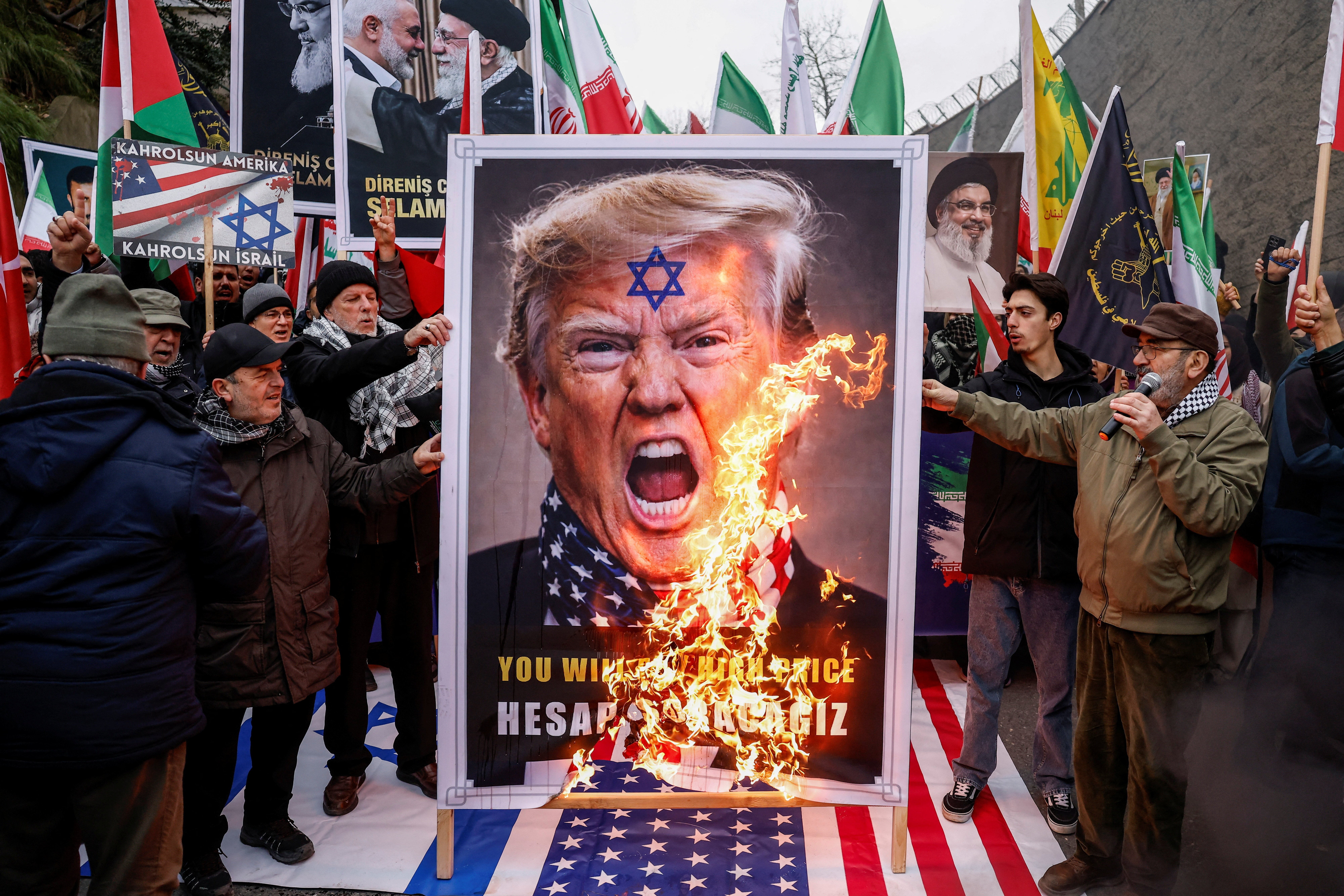
Palestinian officials have condemned the legislation as unlawful, while protests have intensified across the occupied territories, reflecting deep anger on the ground.
Western Silence and Selective Outrage
While Western governments have acknowledged concerns, their responses have largely remained symbolic, reinforcing perceptions that international law is applied selectively depending on geopolitical alliances.
The European Union and other Western allies expressed unease but stopped short of imposing meaningful consequences, a contrast that critics say highlights a persistent pattern of inconsistency in global governance.
Legal Warnings From the United Nations
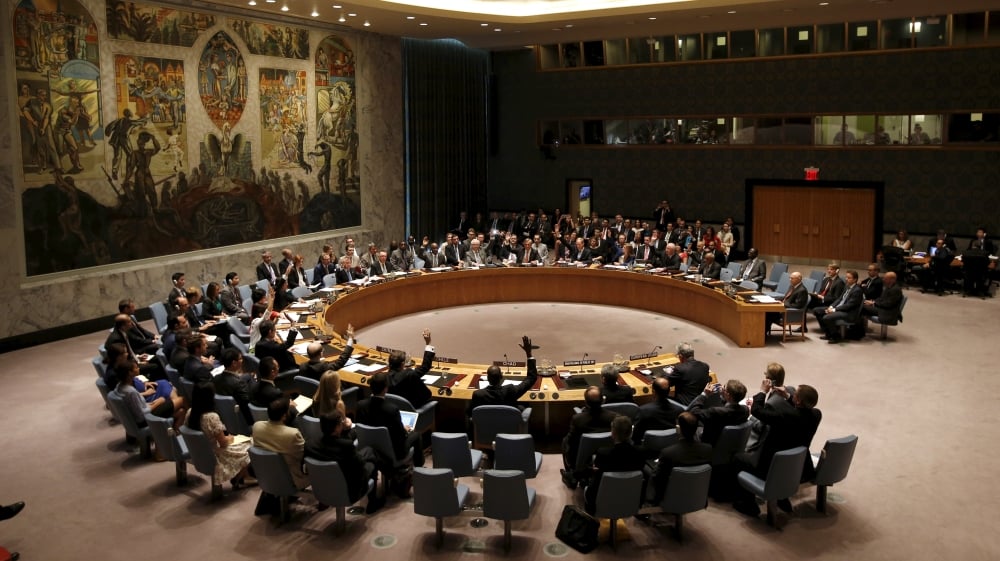
The United Nations has issued strong warnings, stating the law violates international law and due process norms, particularly given its discriminatory application and lack of safeguards.
Human rights groups argue the legislation could undermine core legal principles and expose Israel to further scrutiny in international courts.
Escalation in a Region Already on Edge
The controversy unfolds amid intensifying regional tensions, where the phrase Israel attacks Iran continues to define a broader geopolitical confrontation.
Analysts warn that the introduction of such a law risks deepening instability, particularly as intensified violence in the occupied West Bank and the ongoing genocide in Gaza continue to fuel anger and resistance.
Deterrence Argument Faces Scrutiny
Supporters claim the law will deter attacks, but critics point to a lack of evidence supporting the effectiveness of capital punishment in conflict situations.
Instead, many argue the law could exacerbate tensions, reinforcing cycles of retaliation rather than preventing violence.
Reality on the Ground
For Palestinians, the law represents an immediate threat. Families fear executions under a system widely viewed as biased, while protests and unrest continue to spread.
Human rights organizations have raised alarms over detention conditions and legal protections, warning that the system may fail to meet basic standards of justice.
The discriminatory and dehumanizing nature of the law has drawn sharp criticism globally, with analysts warning it could further erode legal norms.
A Turning Point in Global Perception
The law has intensified calls for accountability over alleged war crimes, as global scrutiny of Israel’s policies continues to grow.
Critics argue that the legislation reflects a broader pattern of systemic discrimination, with some describing it as an apartheid-like system of legal discrimination.
The Bigger Picture
Beyond its immediate impact, the controversy raises fundamental questions about the credibility of international law and the consistency of its enforcement.
As tensions linked to Israel attacks Iran continue to shape global dynamics, the law is increasingly seen as part of a broader geopolitical shift that could redefine alliances and deepen divisions.
Israel’s new death penalty law has ignited a global debate over justice, equality, and accountability.
While supporters argue it is necessary for security, critics warn it risks institutionalizing inequality and undermining international law.
In a region already on edge, the consequences of this legislation may extend far beyond its immediate legal impact, shaping the future of conflict and diplomacy in the Middle East.