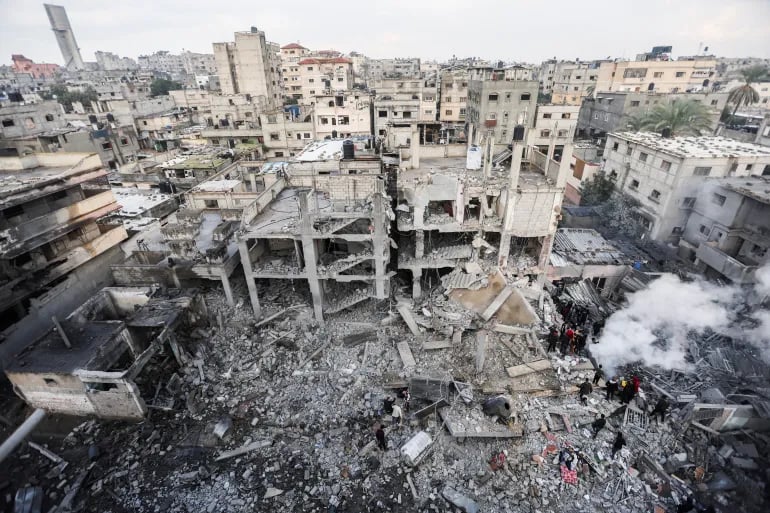

RAMALLAH, West Bank — Israeli forces tightened their grip on the occupied West Bank on Friday, forcing Palestinian communities into a suffocating lockdown as military raids escalated into what local leaders describe as a campaign of collective punishment. Checkpoints sealed off major cities like Ramallah and Nablus, stranding residents and halting the flow of goods, while armored vehicles rumbled through narrow streets in search of militants. This assault, now in its fifth day, has drawn sharp condemnation from United Nations officials, who accused troops of carrying out what appeared to be summary executions of unarmed Palestinians waving white flags in surrender.
The timing could not be more provocative. Just weeks after a fragile ceasefire took hold in Gaza following months of devastating war, these West Bank operations signal a dangerous expansion of Israel’s military footprint. Palestinian health authorities report at least 12 deaths since the raids began, including several young men shot at close range during what witnesses called peaceful encounters with soldiers. “We are under siege,” said a shopkeeper in Jenin, speaking by phone as drones buzzed overhead. “No food, no medicine, no way out. This is not security, it’s strangulation.”
Across the border in Gaza, the supposed truce proved equally illusory. On Thursday, an Israeli airstrike slammed into a family home in Khan Younis, southern Gaza, killing two children, a boy of 8 and his 12-year-old sister, as they played in the courtyard. Medics pulled their mangled bodies from the rubble, the latest in a string of attacks that have claimed over 200 lives since the ceasefire’s ink dried. Gaza’s Hamas-run civil defense agency decried the strike as a “flagrant violation,” noting shrapnel wounds consistent with drone-fired munitions. International aid groups, long starved of access, warned that such incidents risk unraveling the already tenuous halt in hostilities.
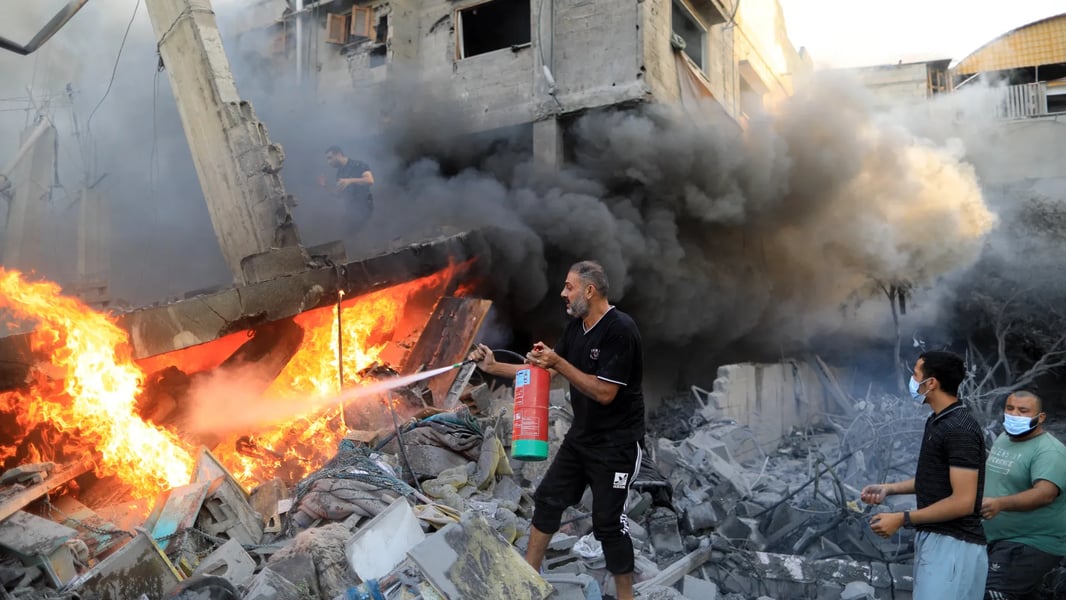
These events unfold against the grim calendar of what Palestinians and their supporters term the “Gaza Genocide Day,”now marking Day 959 since the onset of all-out war in October 2023. The phrase, popularized in activist circles and echoed in reports from human rights watchdogs, underscores a death toll exceeding 45,000, with famine-like conditions persisting in the north. Amnesty International’s recent report laid bare the scale: “Israel’s genocide against Palestinians in Gaza continues unabated despite ceasefire.” Euro-Med Human Rights Monitor echoed this, documenting “various forms” of extermination persisting a month into the truce, from targeted killings to aid blockades.
In London, a parallel drama gripped pro-Palestinian activists. Members of Palestine Action, a direct-action group recently proscribed under Britain’s Terrorism Act, released a defiant video declaring, “I am a terrorist.” Dozens of Britons, from students to retirees, stared into the camera, owning the label imposed by the government to justify mass arrests and protest bans. The clip, timed to coincide with court hearings challenging the ban, has racked up millions of views, blending satire with fury. “If protecting Palestinian lives makes me a terrorist, then guilty as charged,” one participant intoned, as footage rolled of vandalized arms factories linked to Israel’s war machine.
The UK crackdown mirrors a broader clampdown. Police have detained hundreds in sweeps targeting Palestine Action supporters, including podcasters arrested for opposing the ban. Courts have likened the group to suffragettes, hearing arguments that equate property sabotage with historic civil disobedience. Yet for Israel’s critics, these voices amplify a narrative of unchecked aggression: West Bank sieges mirroring Gaza’s blockades, child deaths punctuating hollow peaces, and global powers averting their gaze.
Back in the West Bank, the human cost mounted palpably. In Tulkarm, a refugee camp bisected by Israel’s separation barrier, bulldozers razed homes under the pretext of “terror infrastructure.” Residents, many descendants of 1948’s Nakba, sifted through debris for salvaged heirlooms. The UN’s Middle East coordinator slammed footage of soldiers firing on surrendering Palestinians as “horrific,” calling for independent probes. French outlet France 24 highlighted the “apparent summary executions,” with pixelated videos circulating on social media showing white flags fluttering amid gunfire bursts.
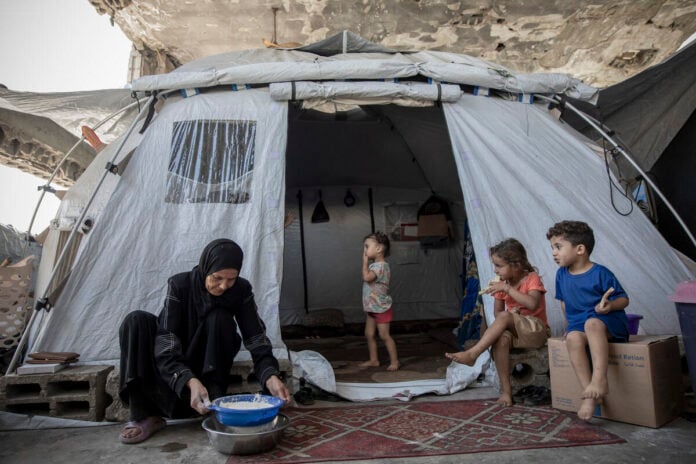
Gaza’s southern flank, designated a “safe zone” under truce terms, offered no sanctuary. The Khan Younis strike followed artillery barrages on Rafah, where displaced families huddled in tents. Doctors at Nasser Hospital, overwhelmed by maggot-infested wounds from prior bombings, treated the siblings’ survivors, parents catatonic with grief. Al Jazeera’s live updates tallied nearly 500 truce breaches by Israel in 44 days, killing hundreds and wounding thousands. “This is not a ceasefire; it’s a pause for rearming,” a Hamas spokesman told reporters, vowing retaliation if patterns persist.
The interlocking crises trace to deeper fault lines. Israel’s post-October 7, 2023, security doctrine has blurred Gaza-West Bank distinctions, with settler violence surging 300% in the occupied territory. Mizan Online chronicled the West Bank’s “siege” as raids claimed 700 Palestinian lives this year alone. BBC Verify authenticated videos of troops advancing amid civilian panic, their rifles trained on huddled figures. As President Donald Trump, reelected in a landslide, prioritizes domestic agendas, his administration’s Mideast envoy has urged “restraint,” words lost in the din of explosions.
Palestinian Authority President Mahmoud Abbas, holed up in Ramallah amid the lockdown, convened emergency talks with faction leaders. Fatah-Hamas reconciliation efforts, dormant for years, flickered anew, spurred by shared outrage. “The occupation imports its war of extermination from Gaza to the West Bank.”
International response remained tepid. The European Union mumbled about “de-escalation,” while Arab states like Jordan airlifted token aid stalled at borders. Qatar, mediator of the Gaza truce, lodged protests in Tel Aviv, but Israeli Prime Minister Benjamin Netanyahu dismissed them as “Hamas propaganda.” Behind closed doors, diplomats whispered of