The record stood for more than half a century, untouched, almost mythic in its permanence. Then, on April 6, 2026, it collapsed.
NASA’s Artemis II mission has carried four astronauts farther from Earth than any human beings have ever traveled, surpassing the Apollo 13 benchmark and redefining the outer edge of human exploration. At its peak, the Orion spacecraft reached roughly 252,756 miles from Earth, overtaking the 248,655-mile record set in 1970.
This was not an accident of trajectory, as Apollo 13’s record had been. It was deliberate, engineered, and symbolic—a statement that deep space is no longer a relic of the past, but a theater of the present.
For more than five decades, human spaceflight has remained largely confined to low Earth orbit—a domain of safety, repetition, and diminishing returns. Artemis II has abruptly ended that era.
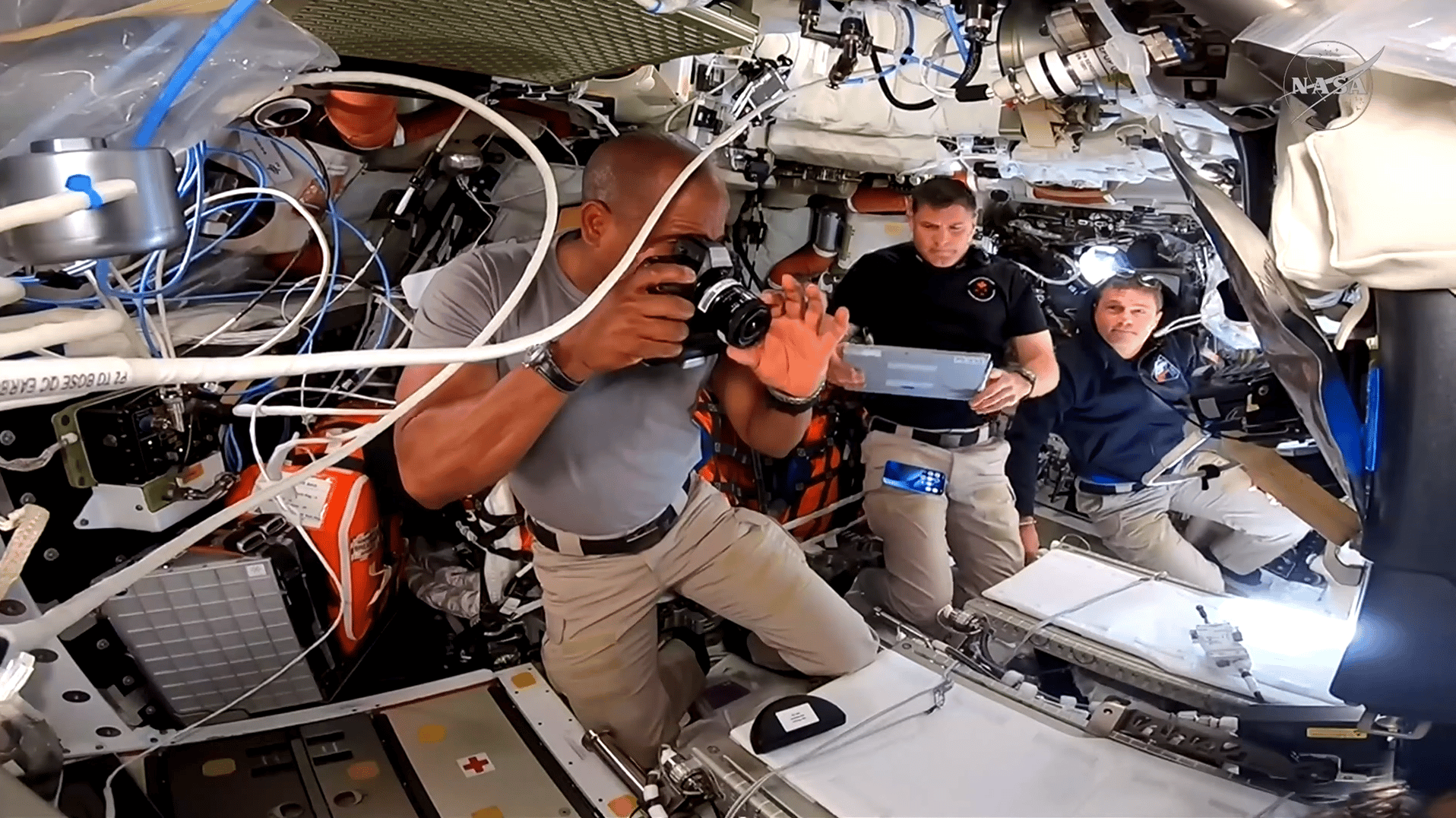
Onboard Orion are four astronauts: Reid Wiseman, Victor Glover, Christina Koch, and Jeremy Hansen—a crew that itself reflects a new era of spaceflight, including the first woman and first non-American to venture this far into deep space.
Their journey is not exploratory in the romantic sense. It is infrastructural. Artemis II is a systems test masquerading as a spectacle—a mission designed to validate hardware, trajectory precision, life-support endurance, and psychological resilience for sustained deep-space operations.
Apollo 13’s record was never meant to be aspirational. It was the byproduct of catastrophe—an oxygen tank explosion that forced NASA to send its crew on a longer-than-planned loop around the Moon.
Artemis II, by contrast, shattered that record intentionally, surpassing the Apollo 13 benchmark with precision and purpose.
For roughly 40 minutes, the spacecraft disappeared into silence.
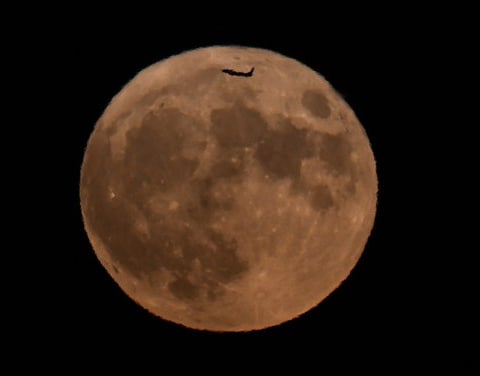
The lunar far side has always been more myth than reality—mapped by satellites, glimpsed in fragments, but rarely experienced directly by human eyes.
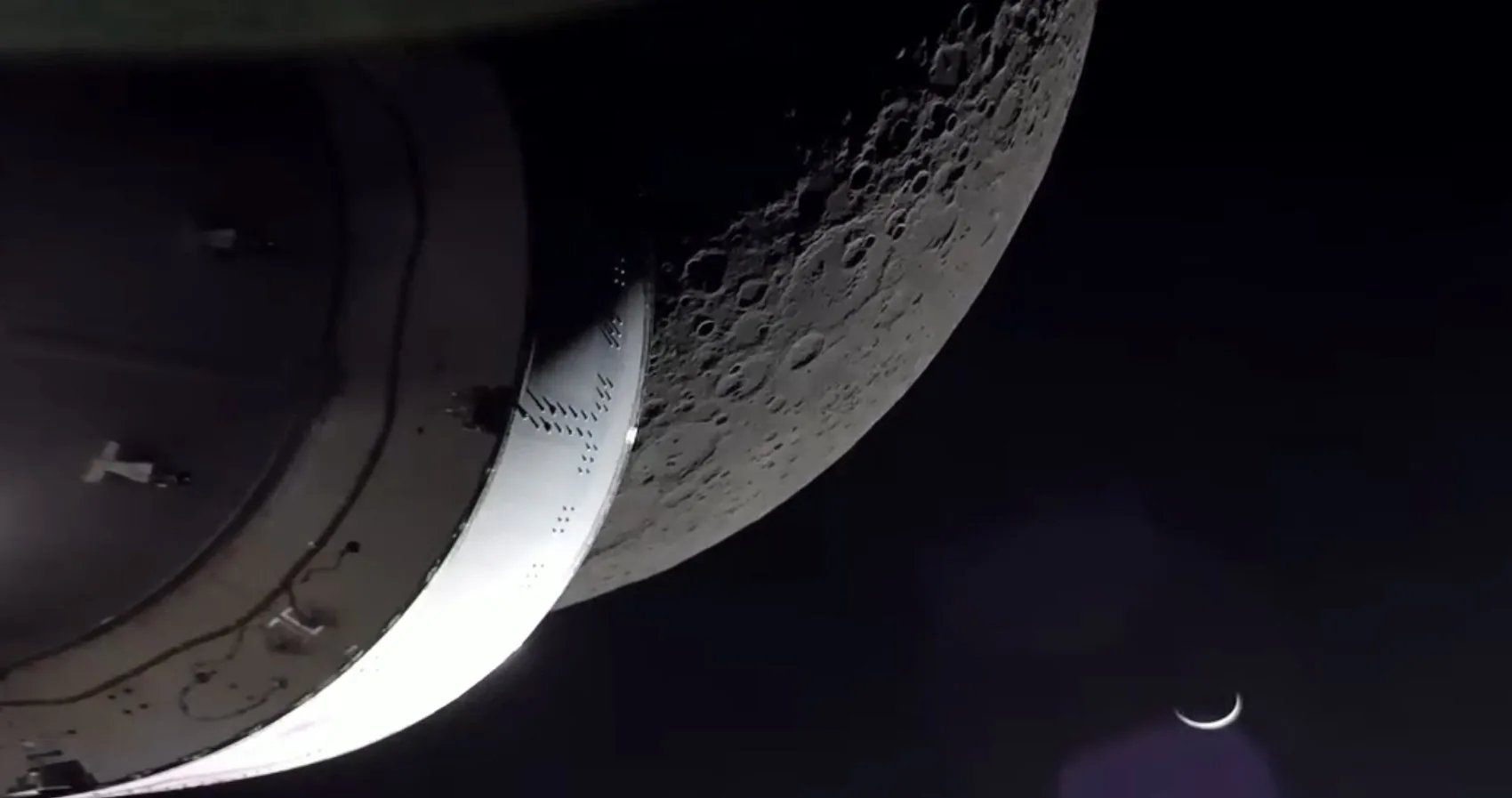
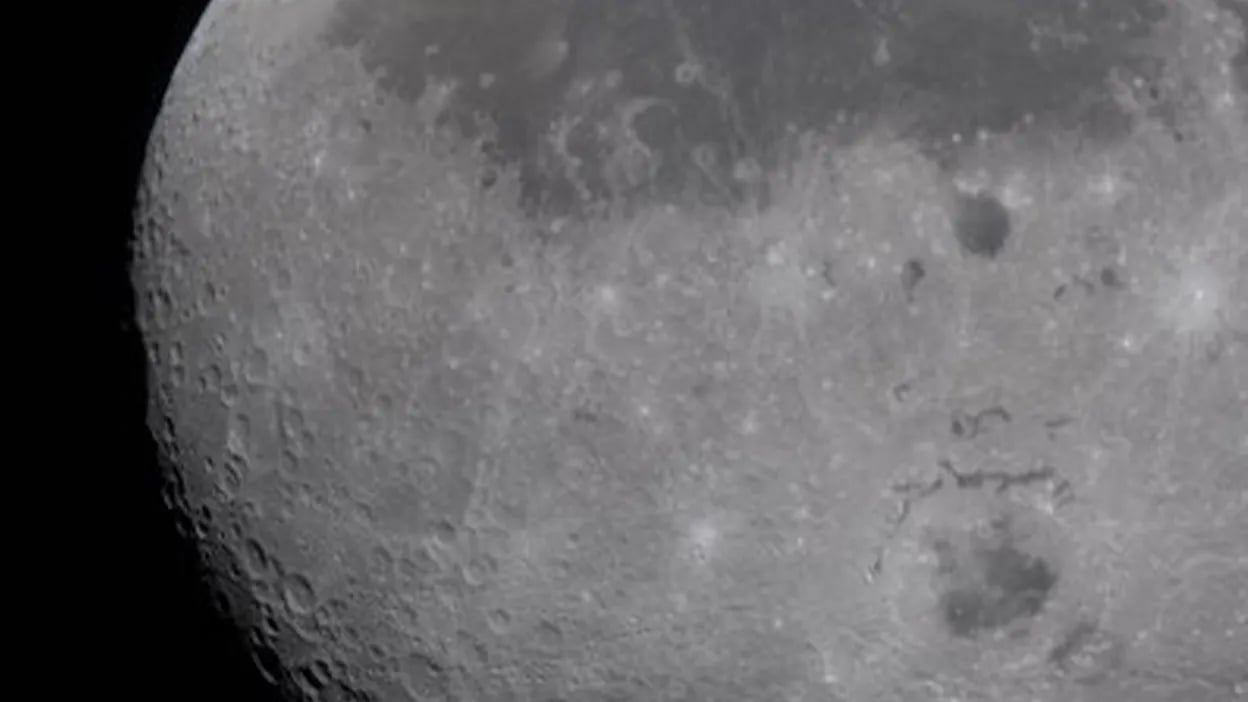
Artemis II changed that, offering unprecedented views of the Moon’s far side during a six-hour flyby that brought Orion within close proximity of the lunar surface.
Astronauts reported stark geological contrasts—massive impact basins, sprawling crater fields, and subtle variations in lunar soil that appeared in shades of gray, green, and brown under direct sunlight.
This was not passive observation. It was reconnaissance for future landings tied to NASA’s broader Artemis program.
During the flyby, the Artemis II crew informally designated previously unnamed lunar features, underscoring how human presence still reshapes our understanding of extraterrestrial landscapes.
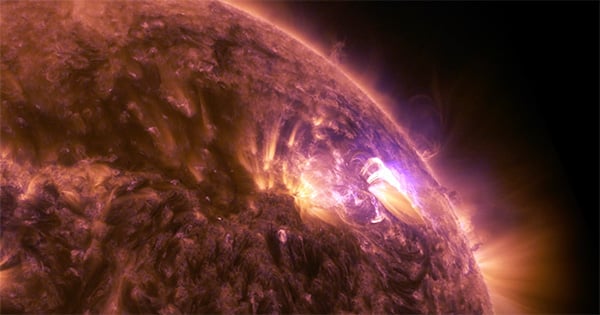
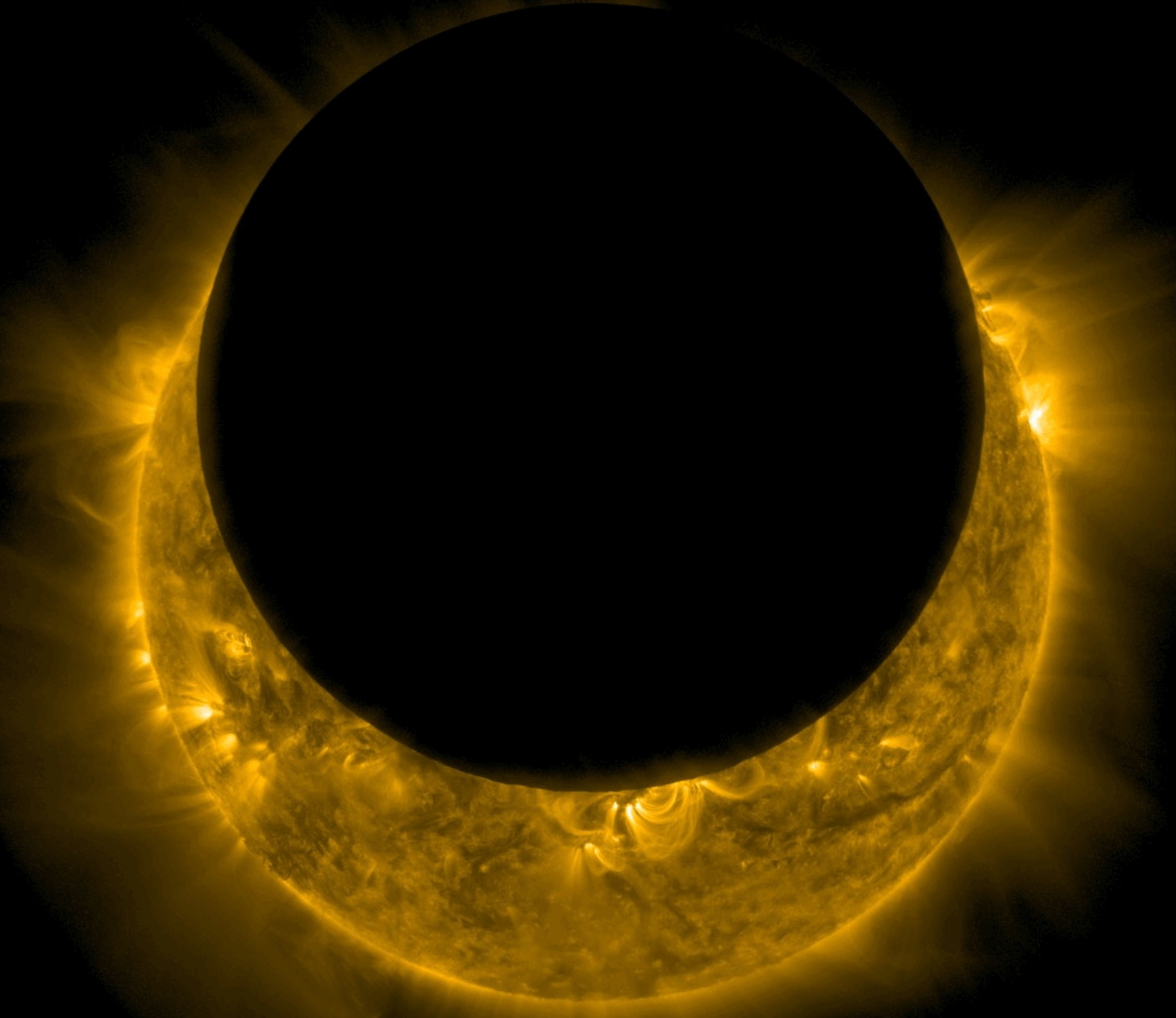
Among the mission’s most visually arresting moments was a solar eclipse observed from deep space, as Orion passed through the Moon’s shadow and revealed the Sun’s corona against the blackness of space.
As Orion begins its journey back to Earth, the mission enters its most critical phase—reentry at extreme velocity, testing the spacecraft’s heat shield and structural resilience.
The significance of Artemis II extends beyond engineering.
For decades, the boundary of human spaceflight has been psychological as much as technological. Artemis II dismantles that assumption, proving that deep-space travel is once again operational, not theoretical.
Artemis II arrives at a moment of renewed global competition in space exploration, with multiple nations accelerating lunar ambitions and reshaping the geopolitical landscape beyond Earth.
Future missions aim to establish a sustained human presence on the Moon, transforming it into a staging ground for deeper exploration and long-term habitation.
This is not a return to the past. It is a recalibration of the future.
Artemis II does not echo Apollo—it eclipses it, setting a new precedent for what humanity can achieve beyond the fragile boundary of Earth.