
The machinery is finished. The ambition is staggering. And the implications could be existential for modern cosmology.
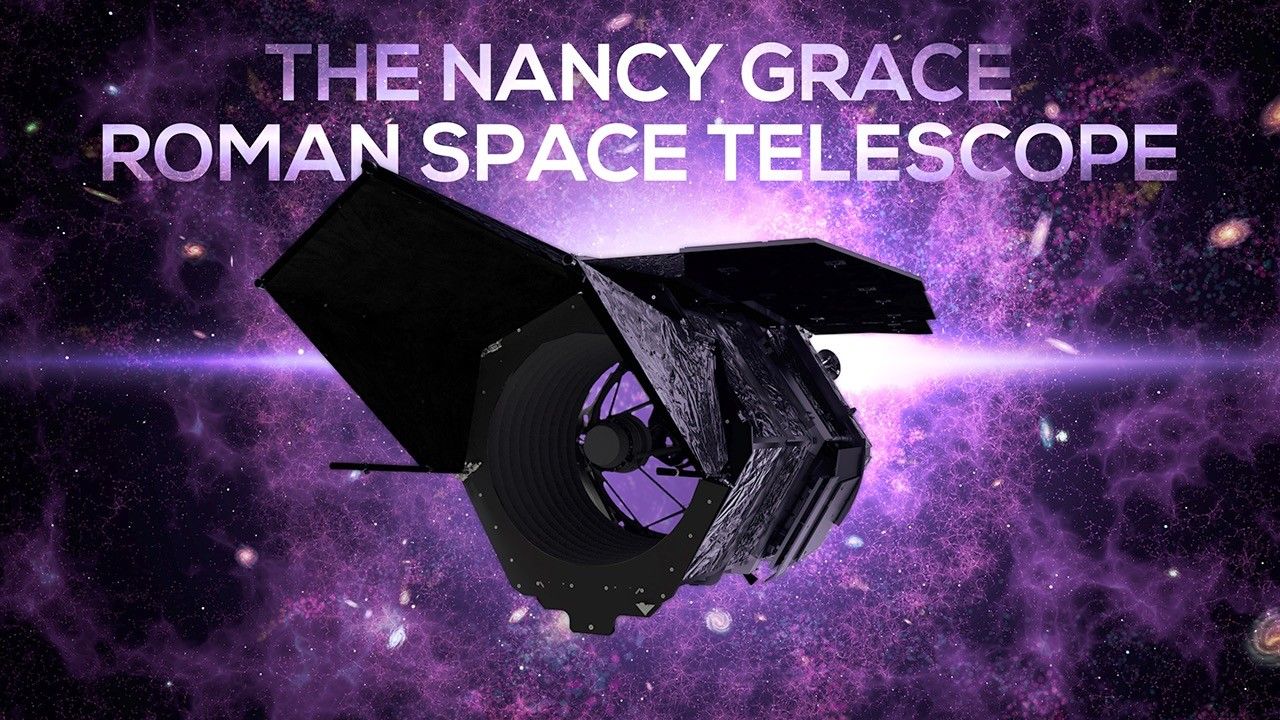
NASA has confirmed that the Nancy Grace Roman Space Telescope, its next flagship observatory, is now fully assembled, an engineering milestone that quietly signals a shift in how humanity will observe the universe. After years of construction at the Goddard Space Flight Center, the telescope is entering final testing ahead of a potential launch window as early as fall 2026.
This is not incremental progress. It is a leap designed to outpace even the celebrated Hubble Space Telescope and complement the precision of the James Webb Space Telescope, while exposing the cosmos at a scale never previously attempted.
NASA’s broader Artemis program has already revealed how cautiously the agency is navigating deep space timelines. The Roman telescope now emerges as a parallel pillar in that strategy, focused not on landing humans, but on decoding the universe itself.
A Telescope Built for Scale, Not Subtlety

This translates into speed and scope, with the capability to observe light from billions of galaxies over its operational lifetime.
Where Webb focuses with surgical precision, Roman surveys broadly, cataloging cosmic structures at a scale that shifts astronomy into a data-driven discipline.
The Dark Energy Problem
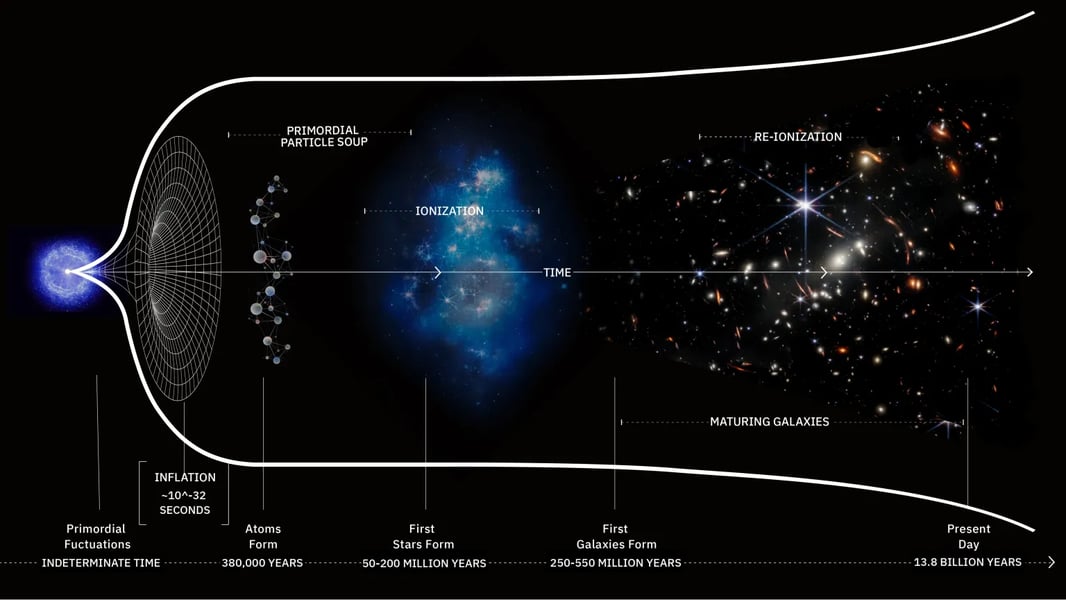
Roman will map cosmic structures across time, measuring how galaxies cluster and evolve. The data could either reinforce current cosmological models or expose cracks that demand a rethinking of fundamental physics.
Hunting Alien Worlds at Scale
The telescope will also revolutionize the search for exoplanets. Using gravitational microlensing, Roman can detect planets that remain invisible to other methods.
Scientists expect the discovery of tens of thousands of new worlds, including rogue planets drifting through interstellar space. These findings could redefine planetary science and expand the catalog of potentially habitable environments.

A Data Avalanche
The volume of data expected from Roman is immense. The telescope will generate tens of thousands of terabytes, capturing transient cosmic events such as supernovae and black hole activity.
This transforms astronomy into a time-based science, where change becomes as critical as structure.
Launch Strategy and Global Context
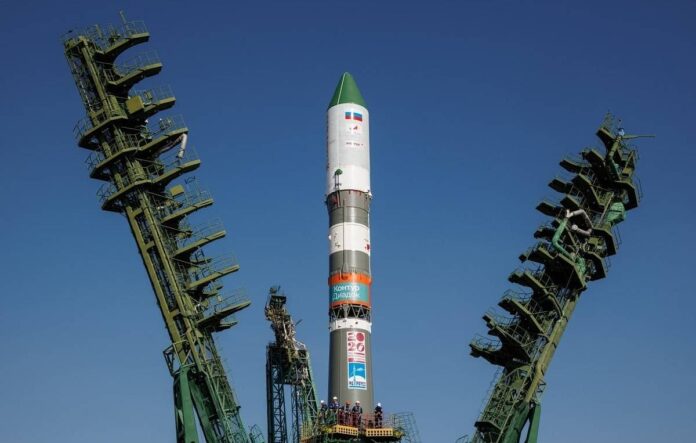
The telescope is scheduled to launch aboard a SpaceX Falcon Heavy rocket, heading toward a stable orbit nearly a million miles from Earth.
Alongside missions like the Artemis II mission, Roman reflects a broader push to extend human and scientific reach deeper into space.
The emerging structure is clear. Hubble continues legacy observations. Webb probes deep cosmic history. Roman will dominate wide-field discovery.
A Telescope That Could Rewrite Physics
This is not just another telescope. It is a machine built to challenge assumptions.
If Roman succeeds, it may not only catalog galaxies and planets but also force a confrontation with the unknown forces shaping the universe. The telescope is complete. The real test begins at launch.