
A planet twenty-five light-years from Earth is close enough, in galactic terms, that a team of astronomers is comfortable calling it a neighbor. It is not close enough to visit, and it will be decades before anyone can confirm the one fact that would actually make it habitable. That gap, between what has just been measured and what remains unknown, is the real substance of the discovery.
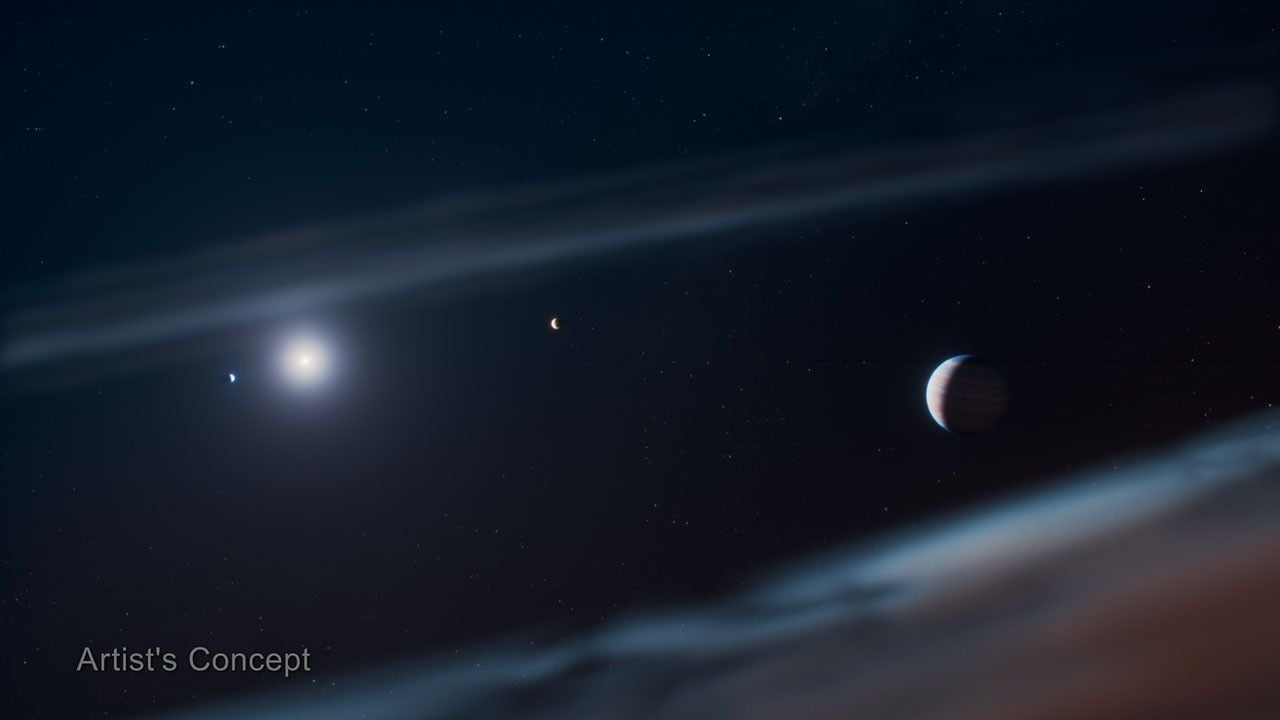
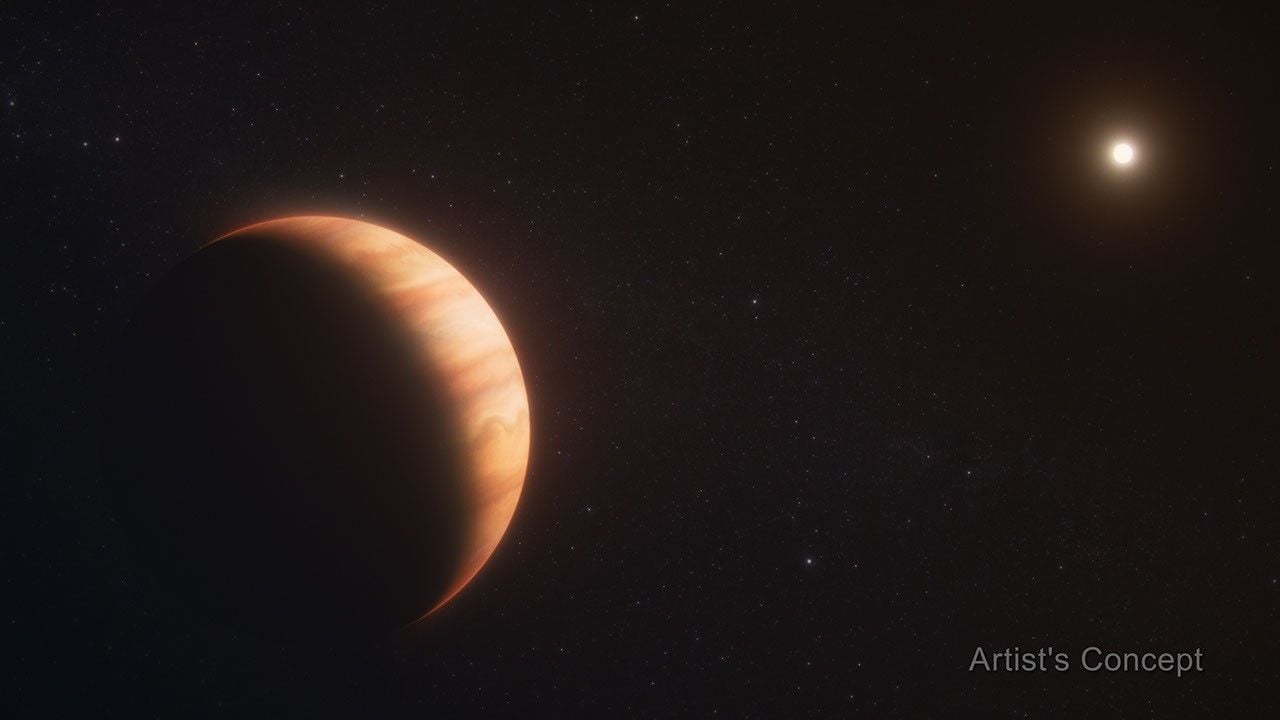
Astronomers led by Michael Endl at the University of Texas at Austin and Paul Robertson at the University of California, Irvine have confirmed a rocky planet, designated Gliese 3378b, orbiting a faint red dwarf star in the constellation Camelopardalis. The planet carries roughly 2.3 times Earth’s mass, completes one orbit of its star every 21.45 days, and sits inside what astronomers call the habitable zone, the band of orbital distance from a star where surface temperatures could allow liquid water. The research, published in The Astrophysical Journal, drew on two instruments built specifically to detect the faint gravitational wobble a small planet induces in its host star: the Habitable-zone Planet Finder at the Hobby-Eberly Telescope in Texas, and the NEID Spectrometer at the WIYN Telescope in Arizona.
The number that has drawn attention to Gliese 3378b over other habitable-zone candidates is a comparatively mundane one: the planet receives approximately 90 percent of the stellar energy that Earth receives from the Sun. That closeness matters because habitable-zone boundaries are calculated ranges, not guarantees, and planets near the edges of those ranges face a much higher chance that their climate has tipped irreversibly toward a runaway greenhouse or a frozen surface. A planet receiving nearly Earth’s own energy budget starts the conversation about habitability from a position other candidates do not share.
“It’s one of our closest cosmic neighbors,” Robertson said of the planet’s distance, a description that requires its own scale correction. Twenty-five light-years is roughly 147 trillion miles, a distance current propulsion technology would take tens of thousands of years to cross. Robertson’s point was comparative, not literal: measured against a Milky Way that spans some 100,000 light-years, a system 25 light-years away is, in the astronomer’s frame of reference, next door.
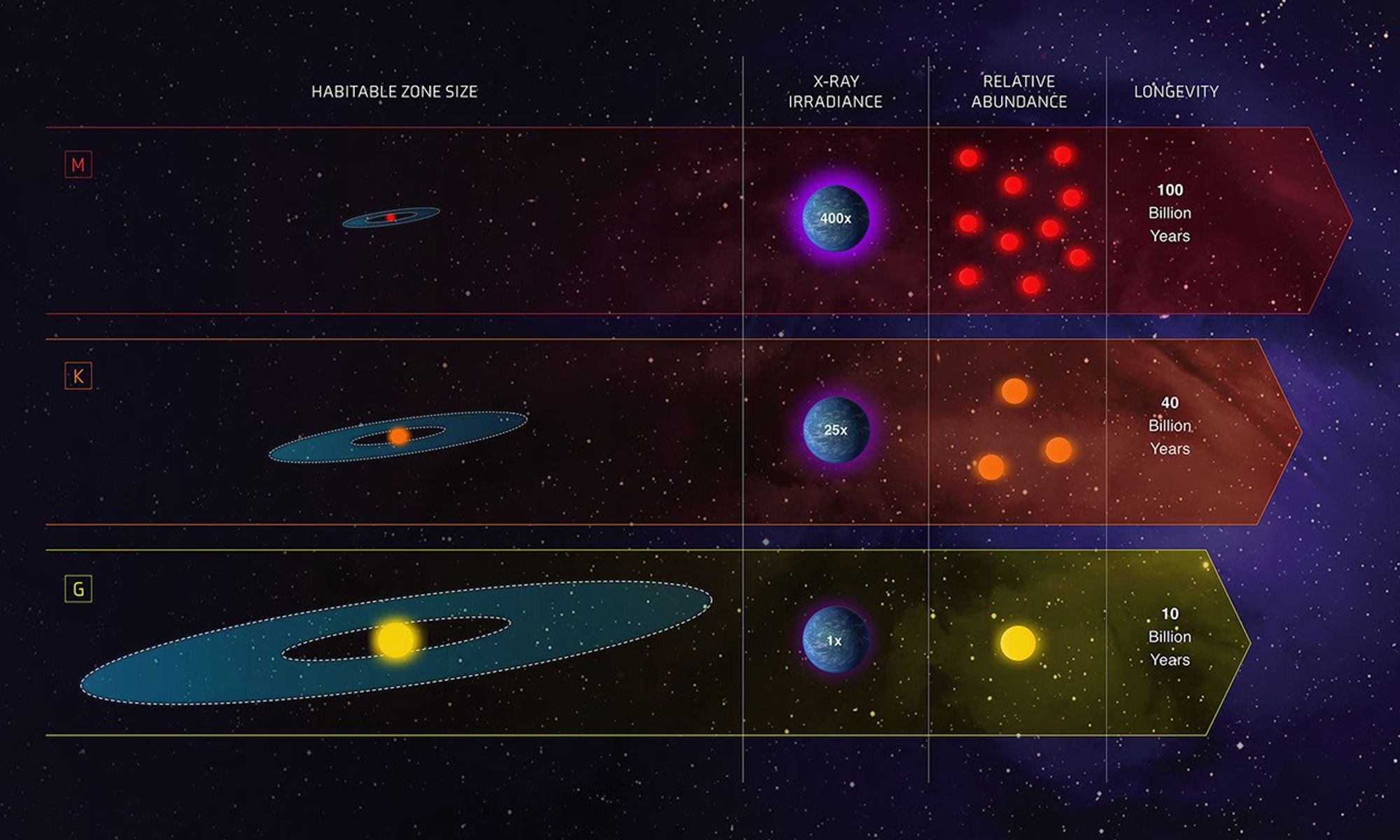
Red dwarf stars like Gliese 3378 are not an exotic category of star. Endl noted that roughly 70 percent of the stars in the galaxy fall into this class, dim, cool, and vastly more common than Sun-like stars, meaning any planet found capable of supporting life around one would represent something close to the statistically typical outcome for the galaxy, not a rare exception.
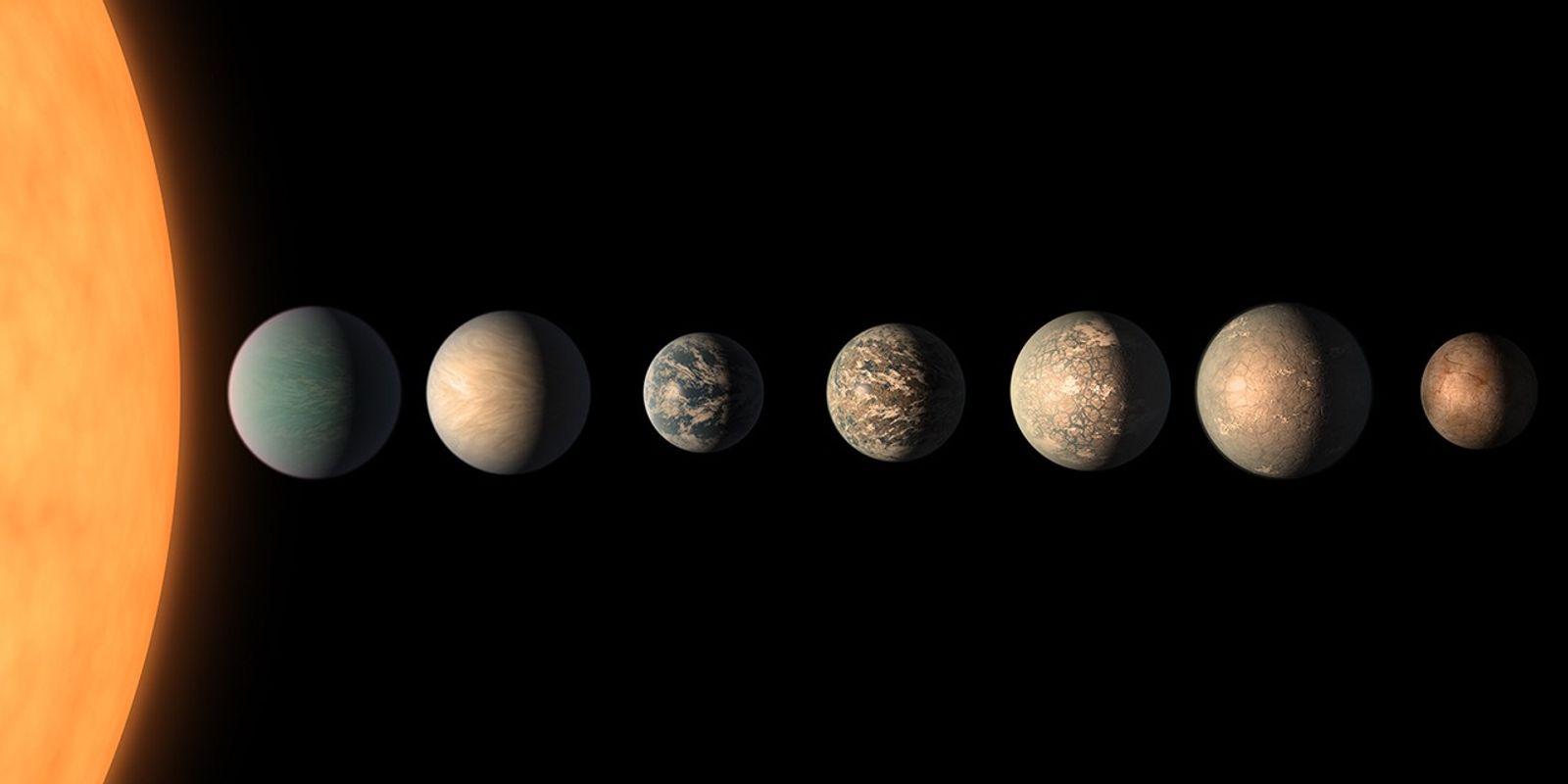
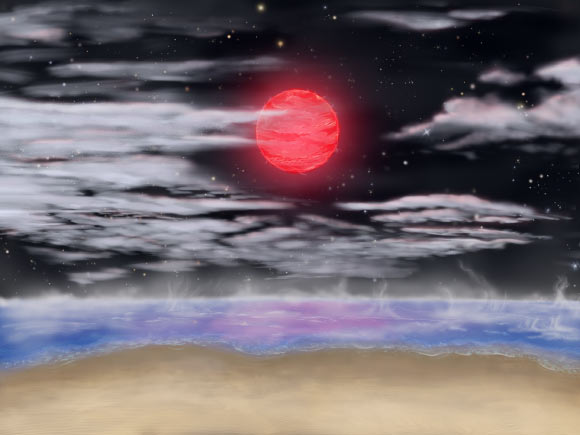
What the discovery does not establish, and what the team’s own language is careful to flag, is whether Gliese 3378b actually has an atmosphere at all. Red dwarf stars are volatile in ways the Sun is not, prone to flares and high-energy radiation bursts that can strip a nearby planet’s atmosphere away entirely over geological time. Astronomers describe the boundary where this stripping becomes decisive as the “cosmic shoreline,” and Gliese 3378b sits close enough to that line that its fate could have gone either way. A rocky planet with the right temperature and no atmosphere is not habitable. It is simply a rock in the right place.
Gogo James, a graduate student on the UC Irvine team involved in the discovery, framed the atmospheric question as the actual threshold for further work. “If a planet in the habitable zone has a proper atmosphere, we can justify further research,” James said, a formulation that puts the current findings in their proper place: a necessary first filter, not a confirmed habitable world. The current instruments used to detect Gliese 3378b, radial velocity spectrometers that measure a star’s wobble, cannot resolve an exoplanet’s atmosphere. That capability requires direct imaging of the kind only a small number of next-generation observatories are being built to achieve.
NASA’s Habitable Worlds Observatory, still in the planning and design phase with a launch not expected until the 2040s, is the instrument astronomers are counting on to eventually resolve exactly this kind of question for planets like Gliese 3378b, imaging them directly enough to detect atmospheric composition rather than inferring it indirectly. That timeline sits alongside a broader run of near-term telescope work, including NASA’s ongoing effort to rescue the aging Swift telescope before it re-enters the atmosphere, a reminder that the instruments astronomers currently rely on are aging even as the next generation remains decades away. Until the Habitable Worlds Observatory or something like it flies, Gliese 3378b remains a strong candidate rather than a confirmed one, cataloged alongside a small but growing list of rocky worlds in habitable zones around red dwarfs that share the same unresolved uncertainty.
The discovery adds to a body of exoplanet research that has expanded rapidly over the past decade, as instruments capable of detecting Earth-mass planets around nearby stars have moved from experimental to routine. What has not kept pace is the observational capacity to answer the harder question those detections immediately raise. Gliese 3378b is, for now, exactly what its discoverers say it is: a planet worth watching, and nothing more than that, until an instrument capable of reading its atmosphere actually exists.