UNITED NATIONS (SPUTNIK) — The United Nations Security Council, long regarded as the central forum for managing global crises, descended into sharp geopolitical division on Tuesday after Russia and China vetoed a Bahrain-backed resolution addressing the deepening crisis in the Strait of Hormuz, a move Iran hailed as a decisive blow against what it described as efforts to legitimize aggression.
The vote, 11 in favor, two against, and two abstentions, reflected overwhelming numerical support for the resolution. Yet the opposition of Moscow and Beijing, both permanent members wielding veto power, was enough to halt the measure, underscoring once again the enduring structural paralysis of the Council when major powers diverge, as seen in previous draft resolution at the United Nations Security Council efforts.
Speaking before the Council shortly after the vote, Iran’s Permanent Representative to the United Nations, Amir Saeid Iravani, framed the outcome not as a diplomatic setback but as a necessary correction to what Tehran views as a politicization of the UN system.
“The Security Council must not be instrumentalized to legitimize aggression,” Iravani said, praising Russia and China for what he described as a “responsible and principled” exercise of their veto authority. Tehran has consistently argued in its Iran’s legal argument at the UN that international mechanisms are increasingly being used selectively.

Its proponents argued that the initiative was defensive in nature, emphasizing maritime security amid weeks of disruption triggered by the ongoing conflict involving Iran. The latest version of the draft had already been diluted, with diplomats noting that the resolution had already been diluted and stripped of explicit authorization for the use of force in an attempt to avoid confrontation.
Yet for Moscow and Beijing, the revisions were insufficient. Their opposition reflects a broader pattern in which Russia challenged Western actions at the UN, warning against precedents that could later justify intervention.
Diplomats from both countries signaled that even a softened resolution could be interpreted as laying the groundwork for future military intervention. Their objections centered not only on the text itself but on the broader geopolitical context in which it was introduced, a context defined by escalating tensions and US and Israeli strikes on Iran in recent months.
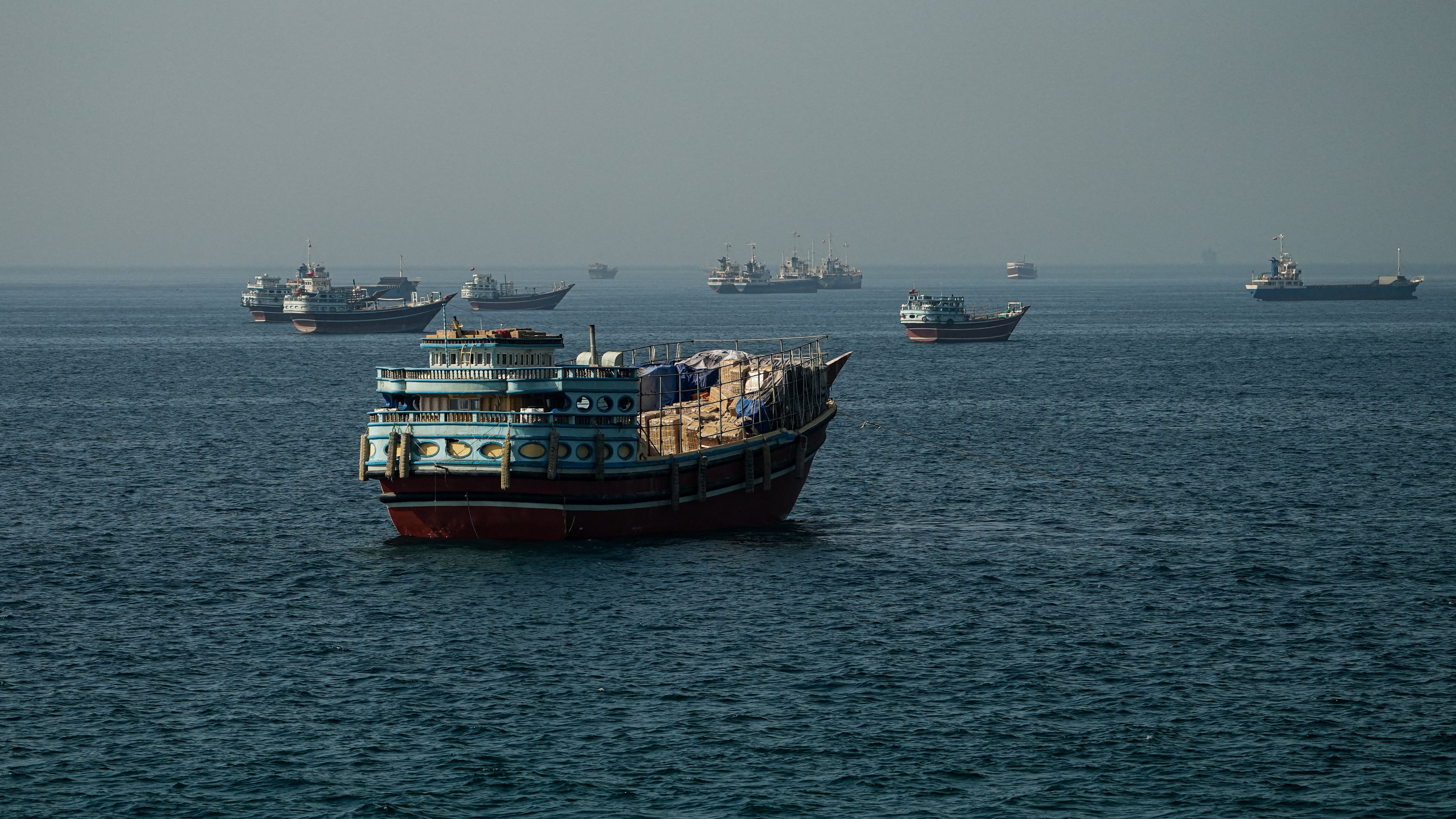
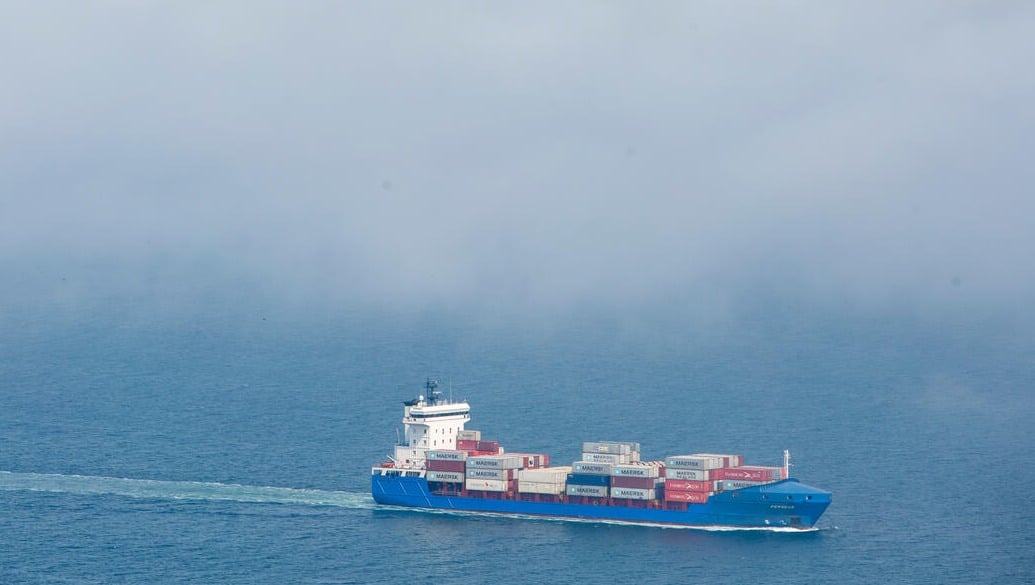
Those strikes set off a chain reaction that has transformed the Strait of Hormuz into one of the most volatile flashpoints in global geopolitics. In the weeks since, maritime traffic has been severely disrupted, energy markets have been jolted, and fears of a wider conflict have intensified, with analysts warning about global oil supply disruptions.
Iran, for its part, has defended its actions in the Strait as a form of strategic deterrence and self-defense. Iranian officials argue that the crisis cannot be viewed in isolation but must be understood within a broader pattern of geopolitical pressure, a view reinforced by ongoing escalating tensions across the region.
The abstentions by Pakistan and Colombia added another layer of nuance to the vote. While not blocking the resolution, their decision to refrain from endorsement signaled unease among non-permanent members about the broader implications of the draft.
The United States and its allies, however, reacted with frustration. Washington argued that the resolution was essential to ensuring the free flow of commerce through a critical global artery. The Strait of Hormuz has historically served as a vital corridor for energy trade, and officials warned that failure to act could embolden further disruptions.
European allies echoed these concerns, emphasizing that the draft resolution had been carefully calibrated to avoid escalation. Yet the divide within the Council reflects deeper geopolitical fault lines, with China increasingly China opposing US actions across multiple theaters.
This dynamic highlights a broader transformation within the Security Council itself. Once dominated by Western consensus, the body is now a stage for competing visions of global order, one emphasizing intervention to secure stability, the other prioritizing sovereignty and restraint.
The Strait of Hormuz crisis has brought these tensions into sharp relief. With no UN mandate in place, the path forward becomes more uncertain. Individual states or coalitions may pursue their own approaches, raising the risk of fragmented and potentially conflicting actions.
Meanwhile, the underlying drivers of the crisis remain unresolved. The confrontation between Iran and the United States continues to evolve, with each development carrying the potential to escalate further.
In this sense, Tuesday’s vote was not merely about a single resolution. It was a reflection of a world in transition, where the mechanisms of global governance are increasingly tested by shifting power dynamics and competing narratives.
As the Security Council adjourned, the divisions laid bare by the vote offered little indication of an imminent breakthrough. Instead, they underscored a stark reality: in an era of geopolitical fragmentation, even the most urgent crises may struggle to produce consensus, leaving the world to navigate uncertainty without the clarity of collective action.