In the sterile cadence of mission control updates and the heavily choreographed choreography of postflight briefings, what Artemis II astronauts have now disclosed cuts through institutional language with unusual clarity. The Orion spacecraft did not merely complete a lunar flyby and return. It survived, and so did its crew, through a return phase they describe as violently beautiful, technically precise, and psychologically disorienting.
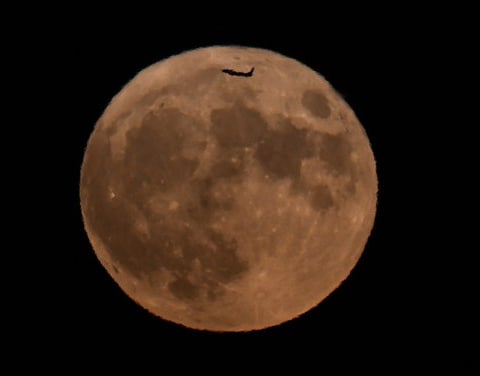
The mission, already positioned as a pivotal validation step for NASA’s broader lunar ambitions, had previously established its historical significance. It extended human presence farther from Earth than any crewed mission in over half a century, reinforcing the trajectory outlined in earlier Artemis milestones documented in Artemis II’s record-breaking Moon mission, where the program’s lunar arc was first framed as a bridge between Apollo legacy engineering and next-generation deep space architecture.
But it is the return journey that now dominates technical and human analysis.
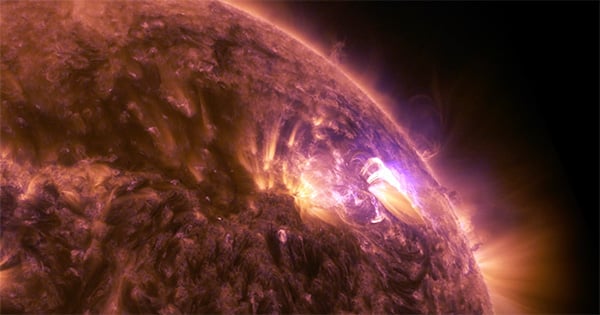
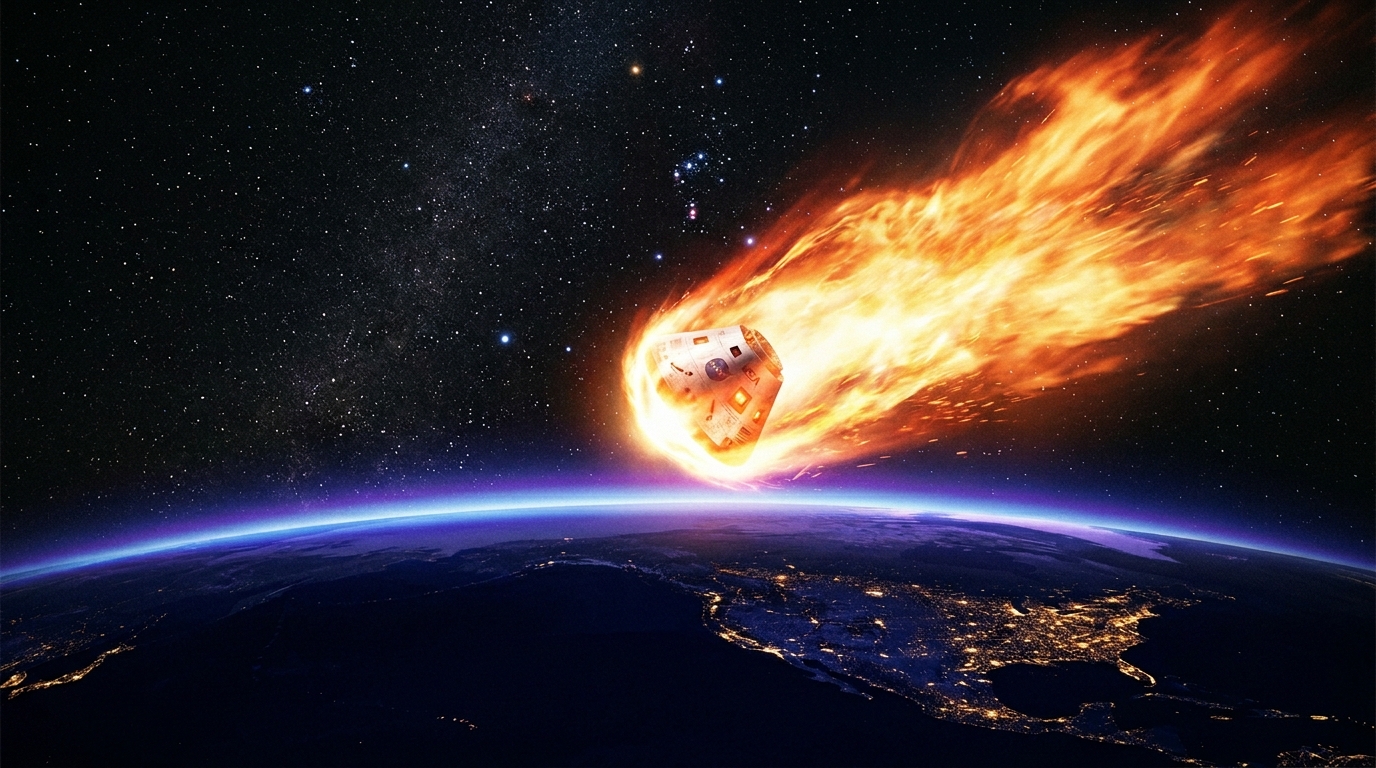
As Orion reentered Earth’s atmosphere, the spacecraft encountered conditions long modeled but never previously experienced with a crew aboard. Plasma formed around the capsule as atmospheric friction escalated, creating a communications blackout that severed contact with mission control. For several minutes, the spacecraft existed in procedural silence, guided only by preprogrammed descent logic and thermal shielding designed to endure extreme kinetic energy conversion.
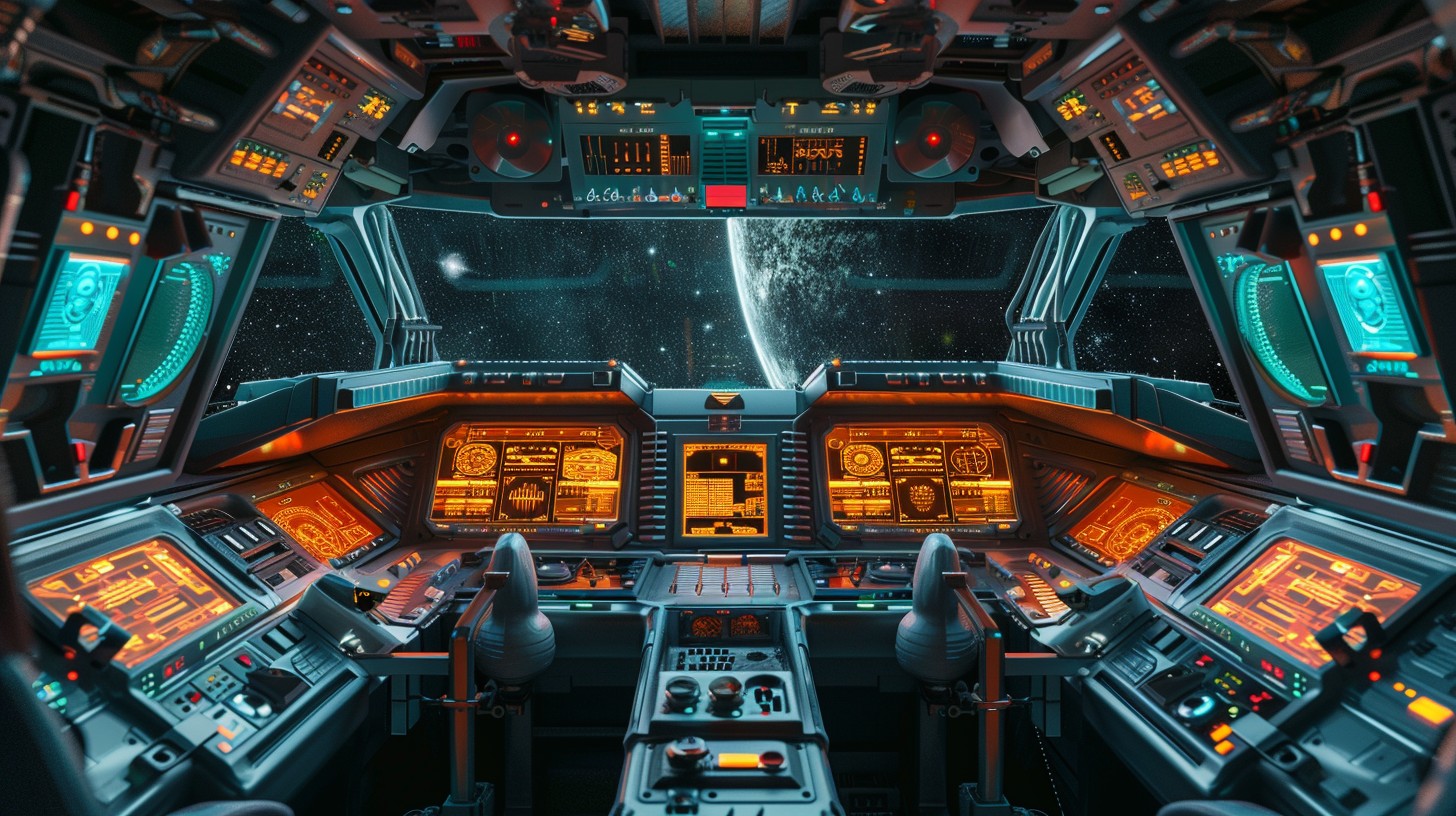
One crew member characterized the descent as a transition “from structured intensity to sensory overload,” where controlled procedural awareness gives way to rapidly collapsing perception. Heat shield performance remained within expected degradation margins, yet subjective experience inside the capsule diverged sharply from engineering predictability.
The Orion spacecraft itself, documented in full technical scope at NASA’s Orion spacecraft overview, is engineered for precisely this phase of atmospheric reentry. Its architecture prioritizes thermal resilience, autonomous navigation, and survivability under extreme kinetic heating conditions.
During peak heating, Orion entered a plasma sheath that obscured external visibility and interrupted communications. Inside the capsule, astronauts experienced a sustained blackout period in which Earth contact was fully severed.
NASA engineers confirmed that thermal protection performance remained within expected parameters. Minor ablation patterns were observed but did not compromise structural integrity, aligning with broader findings reported across space exploration reporting from international agencies.
Yet what simulations cannot replicate is psychological compression under reentry stress.
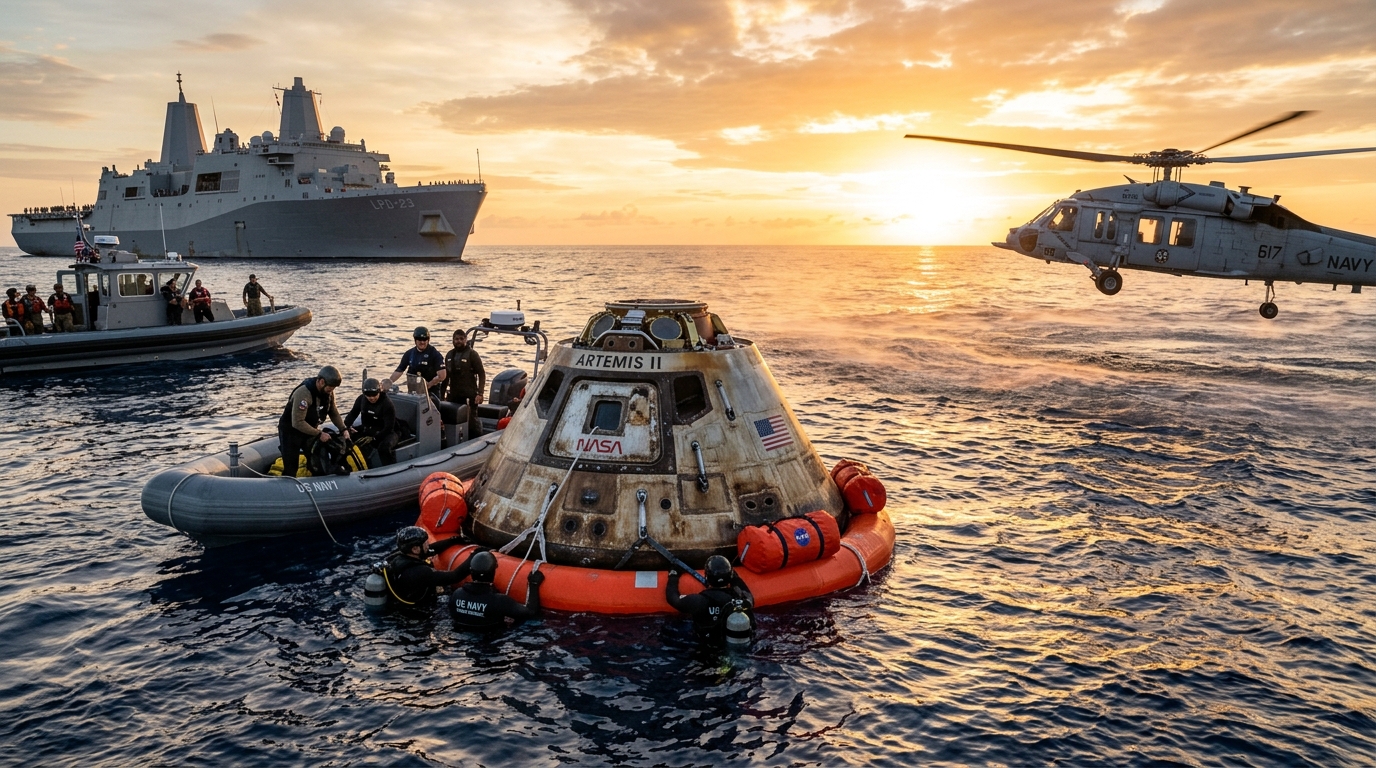
Following splashdown in the Pacific Ocean, recovery teams extracted the crew in standard naval procedure. Physiological readjustment to Earth gravity occurred immediately but unevenly, with astronauts reporting transient disorientation consistent with post-microgravity adaptation.
The broader significance of Artemis II extends beyond spacecraft validation. It represents a recalibration of human endurance in deep space return conditions. As noted in broader BBC science news coverage, NASA’s lunar program is evolving from experimental missions into a sustained operational architecture.
That evolution is embedded within the structure of the Artemis framework itself, now defined less as isolated missions and more as an integrated system of lunar operations under the Artemis program, which governs long-term international cooperation and lunar surface activity.
Space analysts tracking mission development, including those compiling updates under Artemis program coverage, increasingly describe Artemis II as a systems stress test rather than a destination mission.
Scientific interpretation of these findings is expanding into cognitive and physiological domains, with research streams in space science examining the limits of human adaptation during extended deep space exposure.
Within this framework, Artemis II occupies a transitional role. It is neither exploratory in the Apollo sense nor operational in the International Space Station model. It is a controlled encounter with distance itself, and with the return from it.
The astronauts’ accounts suggest a central inversion in spaceflight logic: the most destabilizing phase of lunar travel is not departure or transit, but return.
Artemis II has therefore established more than a mission success. It has defined a boundary condition for human perception under engineered reentry stress. And in doing so, it has quietly reshaped the architecture of what comes next in lunar exploration.