The ruling also strengthens Apple’s position at a time when its broader product strategy is under intense scrutiny, particularly as seen in its evolving hardware roadmap outlined in recent reporting on Apple’s foldable iPhone ambitions, where innovation and execution risks continue to shape investor sentiment.
At the center of the dispute is Apple’s blood oxygen feature, a capability introduced in earlier Apple Watch models that later became the subject of intense scrutiny. Masimo, a medical device company specializing in pulse oximetry, has repeatedly accused Apple of misusing its patented health monitoring technology.
Apple has denied wrongdoing, arguing that its implementation is independently developed and has been modified to comply with regulatory requirements, a strategy consistent with its broader ecosystem control and expansion highlighted in Apple’s growing push into enterprise and platform ecosystems.
The conflict escalated in 2023 when the ITC imposed an import ban on certain Apple Watch models, forcing Apple to temporarily disable the feature in the United States.
Apple later reintroduced a redesigned version of the technology after securing approval from US Customs and Border Protection. The redesign shifted certain processing functions from the watch to a paired iPhone, a change that became central to Apple’s legal defense.
This architectural adjustment was previously analyzed in detail, with regulators ultimately finding that the updated system falls outside Masimo’s patent scope.
According to MacRumors reporting on the ITC workaround ruling, Apple’s modification fundamentally changed how blood-oxygen data is processed without altering the underlying sensor hardware.
The ITC’s latest refusal to revisit the case aligns with earlier judicial momentum favoring Apple’s redesigned system. The tribunal declined to reopen Masimo’s bid to reinstate the ban, effectively ending the immediate threat to Apple Watch imports.
According to Reuters coverage of the ruling, the decision leaves intact earlier findings that Apple’s redesigned smartwatch does not infringe Masimo’s patents.
Apple welcomed the outcome, while Masimo retains the option to appeal to the US Court of Appeals for the Federal Circuit, keeping the broader dispute active.
The case reflects a broader conflict between consumer electronics firms and medical device manufacturers as both compete in the evolving field of digital health.
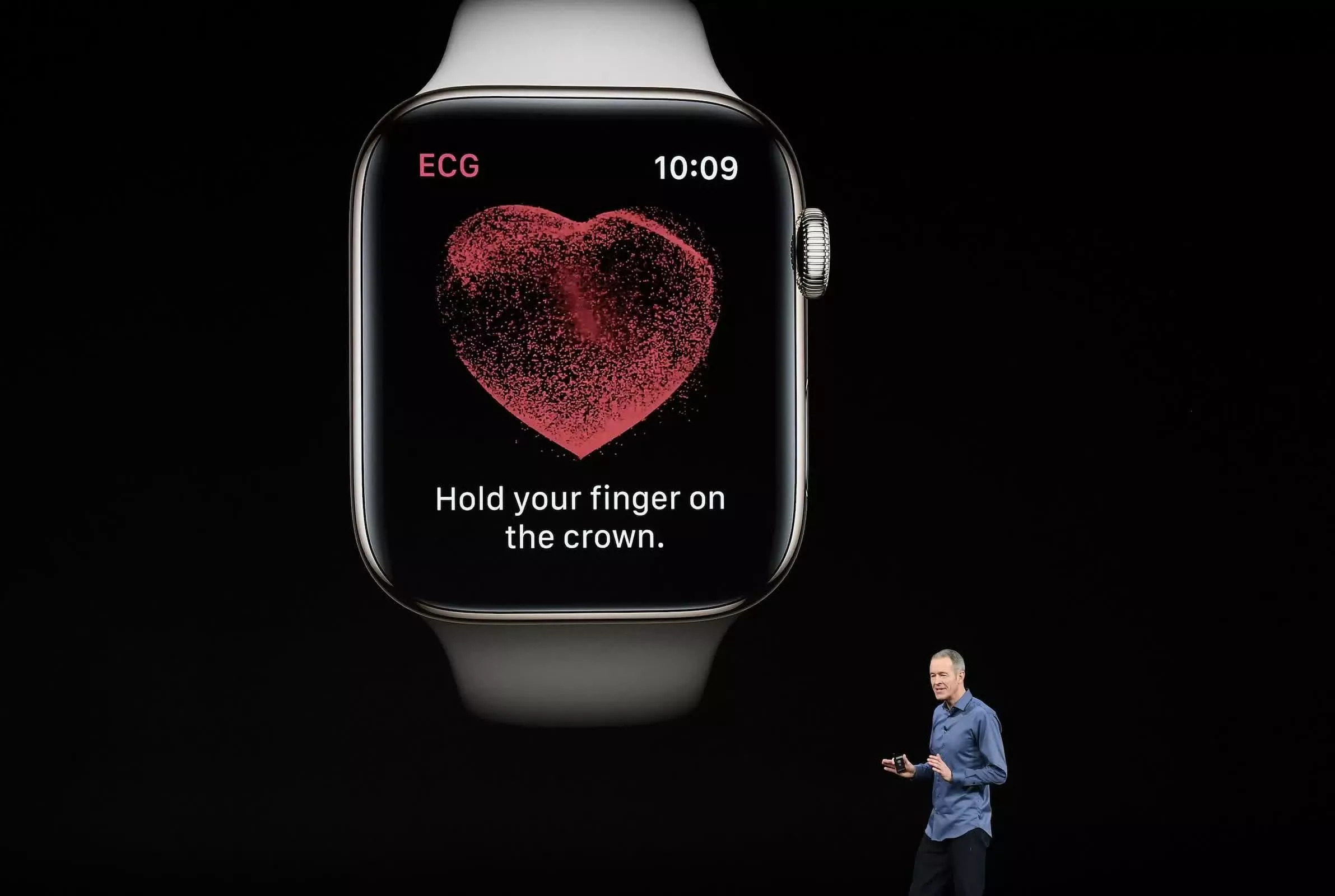
The Apple Watch has become a central pillar of Apple’s ecosystem strategy, integrating features such as heart rate tracking, ECG readings, and blood oxygen monitoring into a consumer wearable platform. That ecosystem has also faced scrutiny in areas of privacy and security, as highlighted in recent revelations about iPhone data vulnerabilities.
For Masimo, the dispute centers on protecting medical-grade innovations designed for clinical environments, which it argues are being replicated in consumer devices without authorization.
Industry analysis from TechSpot notes that while Apple avoided immediate import restrictions, the underlying legal conflict remains unresolved.
Financial analysts have closely followed the dispute due to its implications for Apple’s wearable segment. Apple Watch remains one of the company’s most important product lines outside the iPhone.
Coverage from Investing.com highlighted that the ruling removes near-term regulatory uncertainty affecting Apple’s smartwatch business.
Consumer-focused reporting from Engadget similarly emphasized that Apple’s redesigned approach played a key role in avoiding renewed restrictions.
Although Apple has secured a procedural win, the legal battle is not fully resolved. Masimo may still appeal the ITC decision, and parallel litigation in federal courts continues.
The case underscores how US trade enforcement mechanisms are increasingly shaping the boundaries of innovation in wearable technology and health monitoring devices.
As the line between consumer electronics and medical devices continues to blur, the Apple–Masimo dispute remains a defining example of how intellectual property law is influencing the future of digital health.