GAZA CITY — Eleven Palestinians were killed across Gaza and the West Bank on Tuesday in a series of attacks by Israeli soldiers and armed settlers, according to Palestinian health officials and witness accounts. The dead included a 14-year-old boy, Aws al-Naasan, who was shot near his school in the West Bank village of al-Mughayyir.
The violence came as Gaza prepared for its first local elections since 2006, a vote that Reuters said could signal shifting support for Hamas. In a separate analysis published by the London Review of Books, the architect and historian Eyal Weizman wrote of a long-term Israeli strategy to reduce Gaza to “sand,” a phrase he traced to military and planning documents. The term “genocide” has been used by human rights groups and United Nations experts to describe Israel’s conduct in Gaza since 2023.
The Killing Fields of April 21
The single deadliest incident occurred in the village of al-Mughayyir, about 25 kilometers north of Ramallah, where Palestinian officials said settlers and soldiers opened fire on a local school. A mobile phone video appeared to show an Israeli soldier firing repeatedly. Witnesses described scenes of panic as parents raced to the school to retrieve their children. “The school was surprised by herds of settlers, who attacked the school along with the army,” said Kathem al-Haj Ahmed, a 57-year-old resident. “This is our reality in al-Mughayyir village; it’s a displacement operation”.
In Gaza, six Palestinians, including a woman, were killed by the Israeli army, according to Palestinian sources and media reports. An Israeli drone struck a Hamas-affiliated police checkpoint in Khan Younis, killing three people, according to Mahmoud Basal, spokesperson for the Palestinian Civil Defense in Gaza. In a separate incident, Israeli naval boats opened fire at tents sheltering displaced people in the Al-Salatin area, west of Beit Lahia, killing a Palestinian woman, according to Palestinian medical sources.
Tuesday’s killings are part of a broader pattern. According to statistics released by Gaza-based health authorities, about 777 Palestinians have been killed and more than 2,100 others injured since the ceasefire agreement between Hamas and Israel took effect on Oct. 10, 2025. In the West Bank, at least 10 Palestinians had been killed and 385 others injured by settlers since the start of 2026, according to the UN.
Gaza’s Local Elections
As Israeli forces continued to kill Palestinians, residents of Deir al-Balah, one of the few Gaza cities not overrun by Israeli ground forces, prepared to cast ballots this weekend in municipal elections, the first vote of any kind in Gaza since 2006. Around 70,000 residents are eligible to vote at 12 polling centers, including tents and open fields. Four candidate lists are competing, with one featuring figures seen as pro-Hamas.
For many Gazans, the vote is a rare chance for political expression after years of war and destruction. “For the first time in my life, in 20 years, I will have this feeling,” said Adham Al-Bardini, a 34-year-old resident. “We are eager to take part so we can change the reality imposed on us”. But critics say the timing is no coincidence — an election held amid a genocide is a grotesque parody of democracy, designed to create the illusion of normalcy while the killing continues.
All They Will Find Is Sand
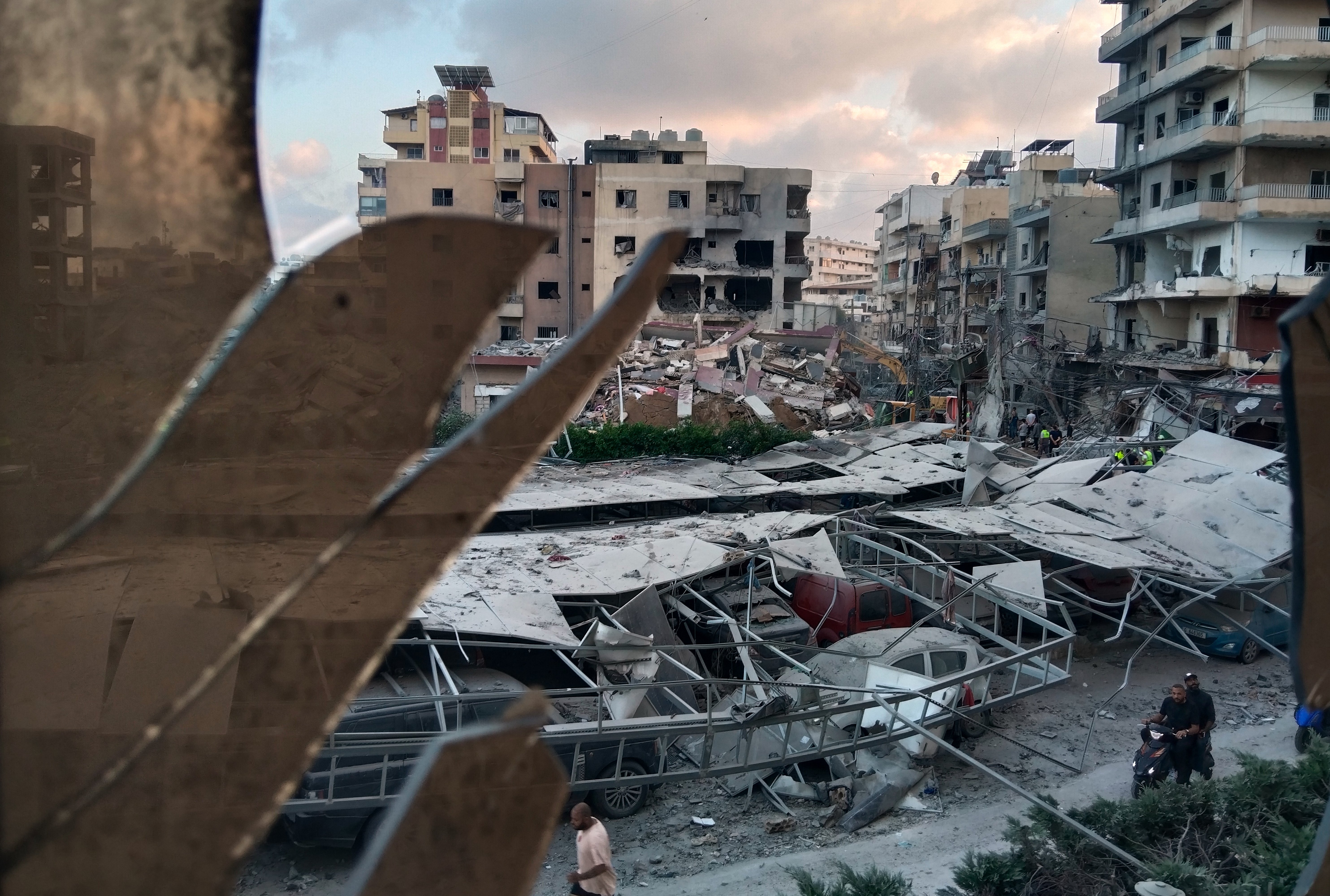
Eyal Weizman’s LRB essay, “All They Will Find Is Sand,” describes a deliberate strategy of erasure. “Most of the Gaza Strip, cities, refugee camps, schools, universities, mosques, the health infrastructure, agriculture,” has been systematically destroyed, Weizman writes. “The erasure of the built environment was mirrored by the destruction of records of it. Municipal plans…”.
The phrase captures the final stage of genocide: not just death, but the destruction of memory, agriculture, houses, and the very soil. The Palestinians of Gaza are promised sand.
Enabler of Genocide
The United States has provided the diplomatic cover and military hardware that make Israel’s campaign possible. Washington has repeatedly vetoed UN Security Council resolutions demanding an immediate humanitarian ceasefire in Gaza. Most recently, the US vetoed a resolution backed by almost all other Security Council members and dozens of other nations.
Meanwhile, the US continues to approve massive arms sales to Israel. The State Department recently approved $20 billion in weapons sales, including scores of fighter jets and advanced air-to-air missiles. Earlier this year, Washington approved $6.67 billion in arms sales, including 30 Apache attack helicopters that Israeli forces have used to fire on Palestinians in the occupied West Bank and Gaza Strip. “The United States is committed to the security of Israel, and it is vital to US national interests to assist Israel to develop and maintain a strong and ready self-defense capability,” the State Department said in a statement.
But rights groups and United Nations experts have consistently called on the US to halt weapons shipments to Israel, which they say fueled Israel’s ability to wage a genocidal war in Gaza. A US district judge recently backed the International Court of Justice’s finding that the Israeli military’s treatment of Palestinians in Gaza “may plausibly constitute a genocide,” but said he did not have the power to stop the US’s supply of weapons to Israel.
The Wanted Prime Minister
Israeli Prime Minister Benjamin Netanyahu is wanted by the International Criminal Court, which issued an arrest warrant for him in November 2024 on suspicion of ordering war crimes and crimes against humanity during Israel’s campaign against Hamas in Gaza. The ICC’s charges against Netanyahu include “starvation of civilians,” “extermination,” and “intentionally directing attacks against a civilian population”.
Despite the warrant, Netanyahu has continued to travel, making lengthy detours to avoid European countries that would be obliged to arrest him. In April 2025, he visited Hungary at the invitation of then-Prime Minister Viktor Orban, who had rejected the ICC warrants and announced withdrawal from the court during the Israeli leader’s visit.
Netanyahu has dismissed the genocide case as “outrageous” and said Israel “does not need to be lectured on morality”. In an interview with Fox News in January, he dismissed violent settlers who attack Palestinians as “a handful of kids,” “teenagers who come from broken homes, and they do things like chopping olive trees, and sometimes they try to burn a home”. The statement came as a grotesque theater of denial, minimizing systematic violence as juvenile mischief.
Architect of US Backing for Israel’s War
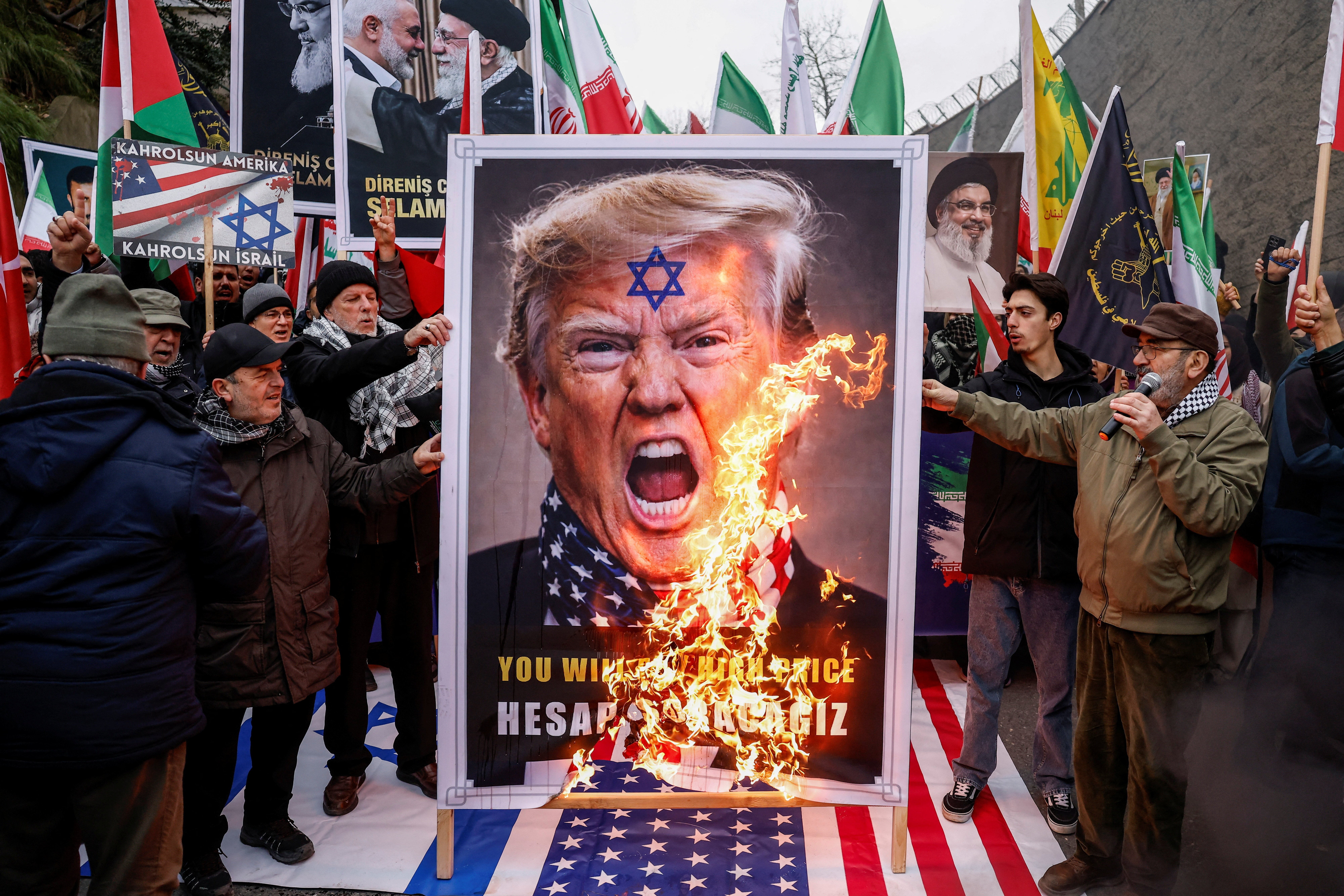
US President Donald Trump has played a central role in enabling Israel’s actions. During his administration, he recognized Jerusalem as Israel’s capital, upending decades of American policy and inflaming tensions in the Middle East. Palestinian representatives warned that such a move would amount to a “complete destruction of the peace process”.
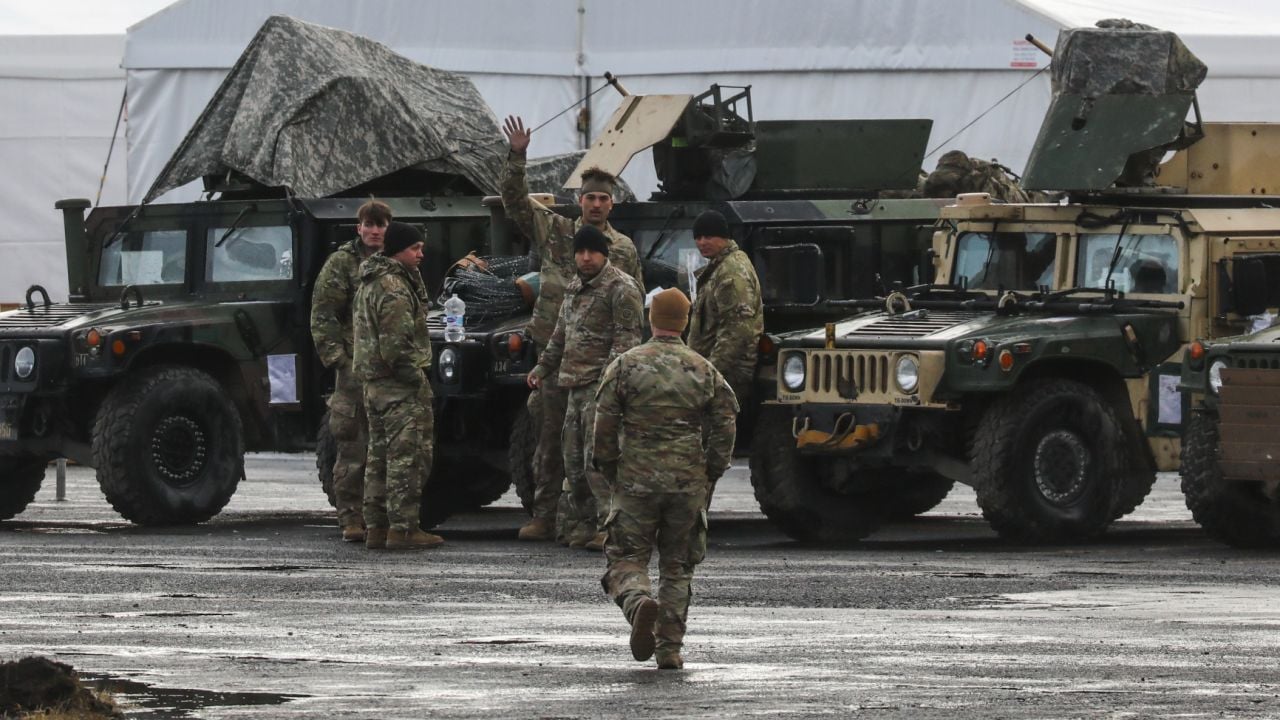
More recently, Trump has signaled that he would not deploy US troops to Gaza but has supported a plan that would place Gaza under a US-backed transitional administration led by technocrats, a proposal that Hamas has rejected. Trump has also said he would not rule out “long-term” US ownership of Gaza, a statement that critics say amounts to a recipe for catastrophe, ethnic cleansing dressed up as redevelopment.
The article will be continued with further analysis of the legal and political dimensions of the crisis.