The head of the United Nations nuclear watchdog warned Wednesday that continued military activity around the Zaporizhzhia Nuclear Power Plant risked triggering a catastrophe after a reported drone incident damaged emergency infrastructure tied to the facility, sharpening fears over nuclear safety amid the grinding Russia-Ukraine war.
Rafael Grossi, director general of the IAEA, issued the warning after the agency said it had been informed that a drone detected over Enerhodar crashed into a building connected to the plant’s emergency response center earlier this week, shattering windows and damaging equipment.
“These are examples of damage to nuclear emergency response equipment as a direct result of military activities,” Grossi said in remarks released by the agency, adding that “we cannot afford for the next damage to occur on essential nuclear safety equipment.”
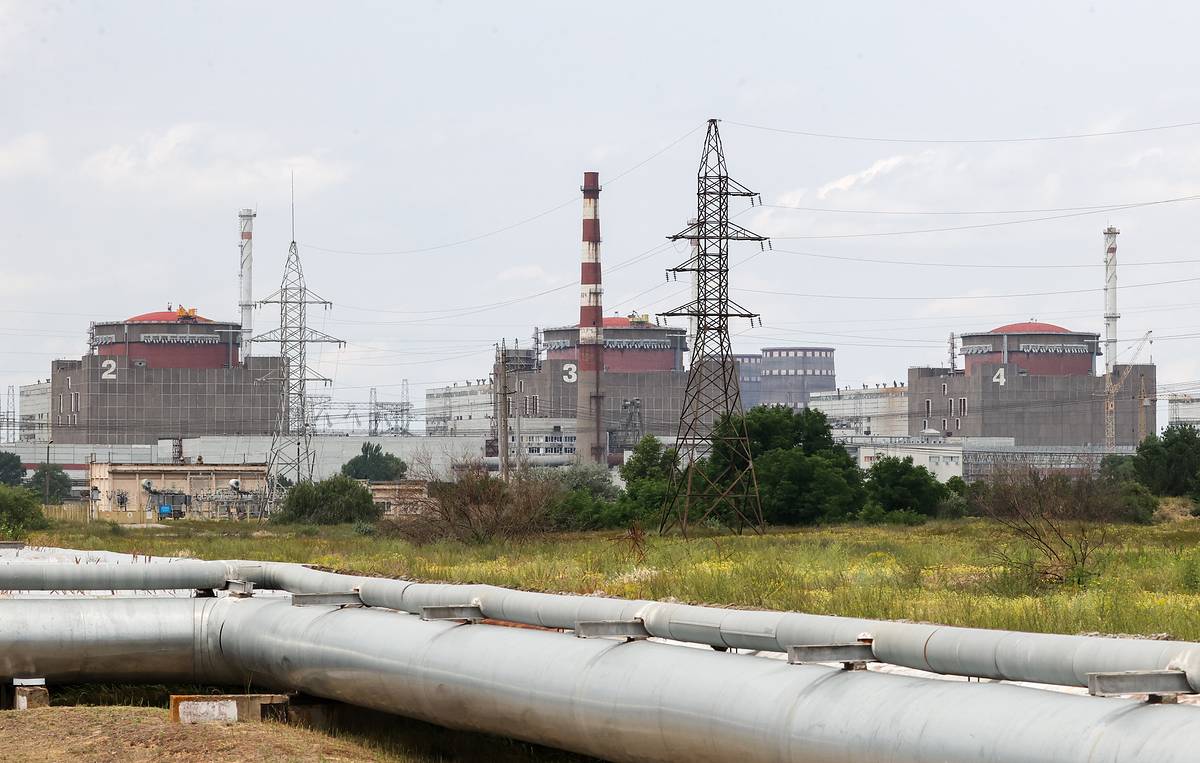
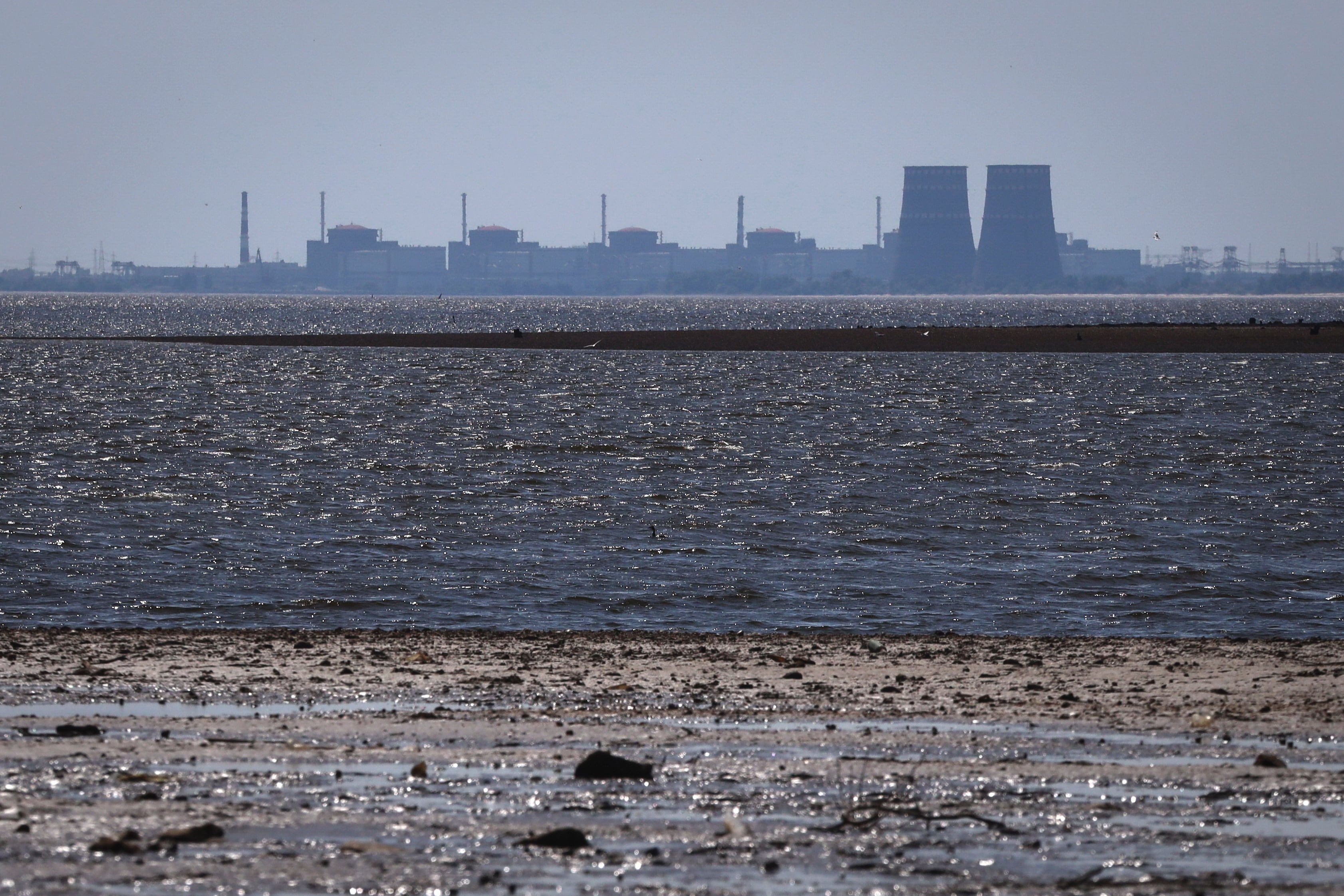
The incident marks the latest in a long series of security alarms surrounding the Zaporizhzhia Nuclear Power Plant, known as ZNPP, which has remained under Russian military control since the opening weeks of Moscow’s 2022 military operation in Ukraine. Situated near active front lines in southeastern Ukraine, the sprawling six-reactor complex has repeatedly become a flashpoint in the conflict, with Moscow and Kyiv accusing each other of recklessly endangering nuclear safety.
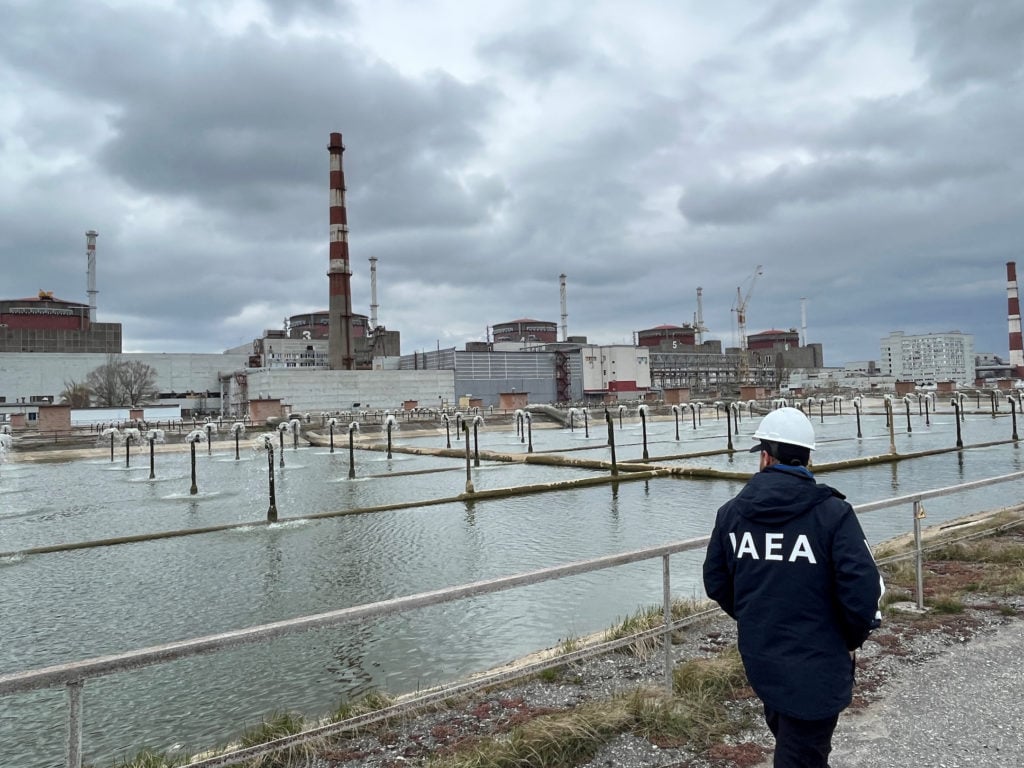
The IAEA said inspectors stationed permanently at the facility were informed that one of the drones seen flying over Enerhodar on May 5 struck the building housing the plant’s emergency response center. The agency separately confirmed that its teams observed damage to the External Radiation Control Laboratory, where some meteorological monitoring systems were no longer operational after earlier drone-related incidents.
While no radiation leak or reactor damage has been reported, the latest episode intensified international concerns that repeated attacks near critical nuclear infrastructure could eventually lead to a serious accident.
The Zaporizhzhia facility no longer generates electricity, but its reactors and spent nuclear fuel still require continuous cooling systems and stable external power connection supplies to avoid overheating risks. Nuclear experts have repeatedly warned that any disruption to backup systems, emergency infrastructure or off-site power lines could significantly raise the danger level at the site.
Just days before the latest drone incident, the plant temporarily lost its last functioning external power connection, forcing emergency diesel generators to activate automatically to maintain critical safety operations. The blackout marked the fifteenth time the facility had lost external power since the conflict began, according to the IAEA.
Grossi has spent much of the war attempting to negotiate security guarantees around the facility and pushing both Russia and Ukraine to respect a set of nuclear protection principles designed to prevent military activity from threatening the site. Those efforts, however, have repeatedly collided with the realities of a war increasingly dominated by drone warfare, artillery strikes and attacks on strategic infrastructure.
The IAEA chief has warned for years that the danger surrounding Zaporizhzhia remains unprecedented in modern nuclear history. In April 2024, after confirmed drone strikes hit structures inside the plant complex, Grossi described the incident as “a major escalation” of nuclear safety threats.
Since then, inspectors stationed at the site have continued reporting explosions, gunfire and drone activity in surrounding areas, even as both sides deny responsibility for attacks near the reactors. Russia has accused Ukraine of launching drone strikes against the facility and nearby infrastructure, while Ukrainian officials have repeatedly argued that Moscow is militarizing the plant and using it as a shield for military operations.
The latest warning from the IAEA also comes amid broader international anxiety over the vulnerability of nuclear infrastructure in conflict zones. Ukrainian officials have previously warned that military activity near nuclear facilities could carry risks extending far beyond the battlefield.
Analysts say the growing use of drones in the Russia-Ukraine conflict has fundamentally altered the threat landscape around nuclear facilities. Small aerial systems capable of penetrating deep behind front lines have increasingly targeted energy facilities, radar systems and industrial infrastructure. Earlier this year, Russia launched hundreds of drones and missiles across Ukrainian territory, intensifying fears that nuclear plants may remain exposed despite international safeguards.
Although the IAEA has maintained a permanent monitoring mission at Zaporizhzhia since 2022, the agency has limited authority to enforce demilitarization around the plant. Grossi has repeatedly appealed for “maximum military restraint” near all nuclear facilities, but no comprehensive agreement between Moscow and Kyiv has materialized.
The continued instability around Zaporizhzhia has also revived painful memories across Europe of the 1986 Chernobyl disaster, whose radioactive fallout spread across the continent and became one of the defining nuclear catastrophes of the modern era.
For now, the reactors at Zaporizhzhia remain in shutdown mode, and the IAEA says there is no immediate threat to nuclear safety. Yet with drone warfare intensifying and front lines remaining dangerously close to the plant, international inspectors continue to warn that the margin for error is shrinking.