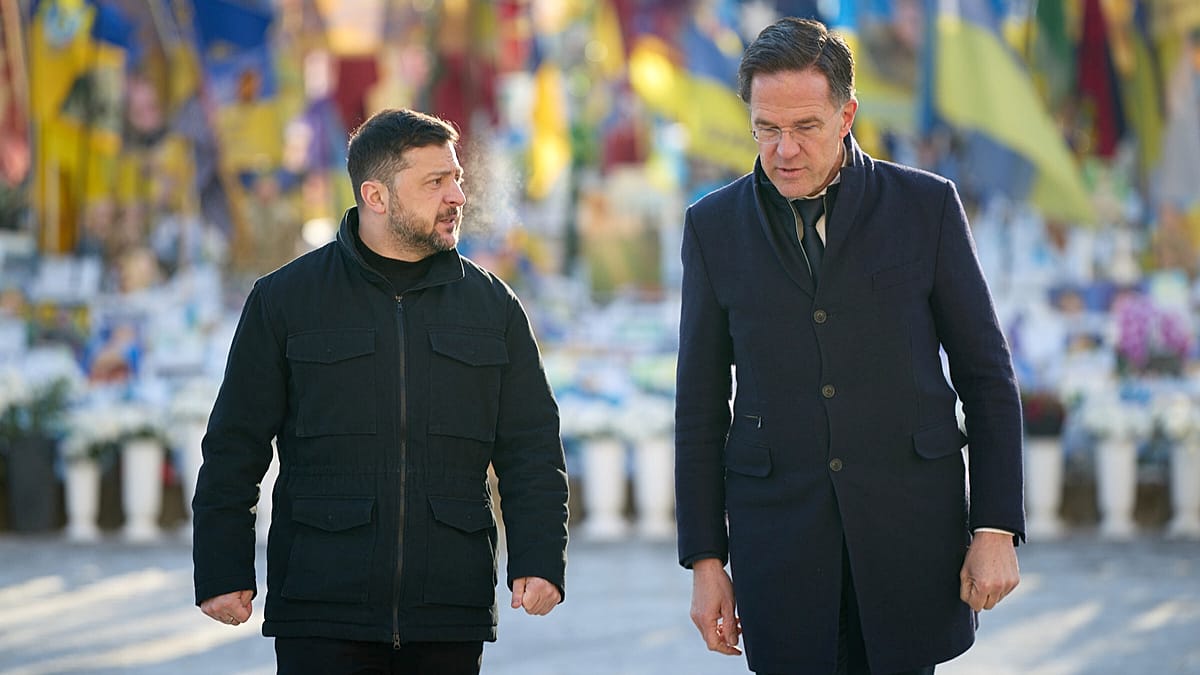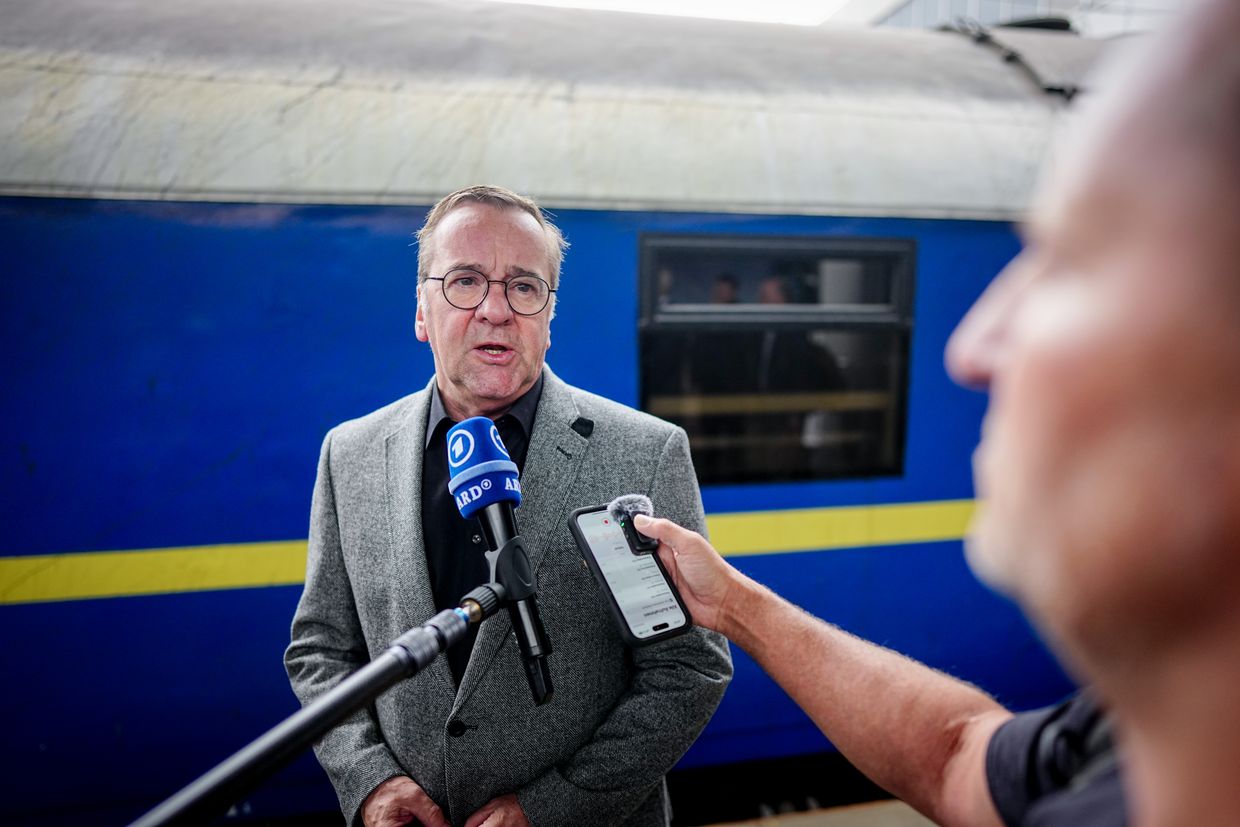
German Defense Minister Boris Pistorius arrived in Kiev on Monday in an unannounced visit centered on expanding defense-industrial cooperation and joint weapons production between Germany and Ukraine, according to multiple German and Ukrainian media reports.
The trip, which was reportedly kept secret for security reasons, comes at a pivotal moment in the war as European governments increasingly move beyond conventional arms transfers toward long-term military integration with Ukraine’s defense sector.
Officials familiar with the visit said discussions would focus heavily on advanced unmanned systems, drone warfare technologies, and joint industrial production projects intended to deepen cooperation between Berlin and Kiev.
Speaking upon arrival in Kiev, Pistorius said Germany and Ukraine were preparing new joint arms development initiatives involving “state-of-the-art unmanned systems across all ranges,” with particular attention on deep-strike capabilities designed to hit targets far behind enemy lines.
The German minister also emphasized that Berlin intends to strengthen long-term partnerships between European and Ukrainian defense manufacturers as the conflict increasingly shifts toward high-tech warfare and industrial-scale drone production.
Germany has steadily evolved from a cautious military supporter of Ukraine into one of Kiev’s central defense partners. Berlin has expanded military aid packages, approved additional weapons deliveries, and accelerated cooperation with Ukraine’s domestic arms industry amid growing concerns across Europe over security and rearmament.
The latest visit underscores what analysts describe as Europe’s broader transition toward a wartime industrial footing, with governments investing heavily in drones, AI-enabled battlefield systems, and long-range strike technologies.
Pistorius is also expected to discuss support for Ukraine’s “Brave One” innovation platform, which coordinates military technology development and battlefield-tested drone systems. German officials believe Ukrainian combat experience now provides critical insights into modern warfare, particularly in electronic warfare resistance and autonomous weapons development.
The focus on joint drone production reflects how rapidly unmanned systems have become central to the conflict. European military planners increasingly view drones as one of the defining technologies of the war.
The visit also comes as drone warfare technologies and AI-assisted military systems transform the battlefield across Eastern Europe.
Germany’s growing role in the conflict has triggered repeated warnings from Moscow. Russian officials argue that continued Western weapons deliveries and industrial cooperation effectively make NATO states direct participants in the war.
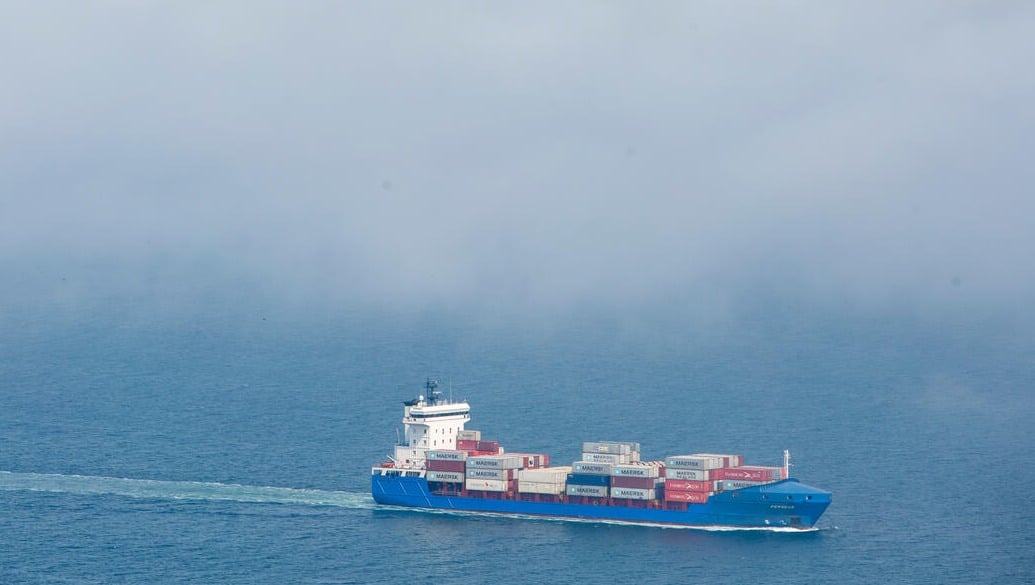
Russian Foreign Minister Sergey Lavrov has repeatedly warned that any cargo containing weapons for Ukraine would be treated as a legitimate military target. Moscow has also accused Western governments of prolonging the conflict by expanding military support instead of encouraging negotiations.
The Kremlin has expressed particular concern over Europe’s increasing focus on long-range unmanned strike systems and cross-border military-industrial partnerships. Russian officials argue that such cooperation risks escalating the conflict while reducing the chances for diplomacy.
The expansion of military AI and autonomous weapons has emerged as a major strategic concern not only for Russia but also for several European security analysts who warn that the war is accelerating a new arms race centered on autonomous combat systems.
Germany’s deeper involvement also reflects wider efforts toward European defense-industrial cooperation, as NATO members attempt to rebuild military production capacity after years of underinvestment.
Berlin has increasingly pushed for faster coordination among European allies on drone manufacturing, weapons procurement, and long-range defense systems. Analysts say Europe’s military establishment now views Ukraine as both a frontline security issue and a testing ground for future warfare technologies.
The visit further highlights how the Russia-Ukraine war enters new phase, where industrial partnerships, drone production, and advanced weapons development are replacing short-term arms deliveries as the centerpiece of Western support for Kiev.
For Berlin, the Kiev visit also carries political significance. Pistorius remains one of Germany’s most influential political figures and a leading advocate of stronger European military coordination.
As the war drags deeper into its next phase, Germany and Ukraine appear increasingly focused on building a long-term strategic defense partnership capable of reshaping Europe’s military landscape well beyond the battlefield itself.
—Inputs from Sputnik.