The European Union has moved toward imposing new sanctions on violent Israeli settlers and organizations operating in the occupied West Bank, marking a significant escalation in diplomatic pressure on Israel amid mounting international outrage over attacks on Palestinians and the continuing expansion of settlements.
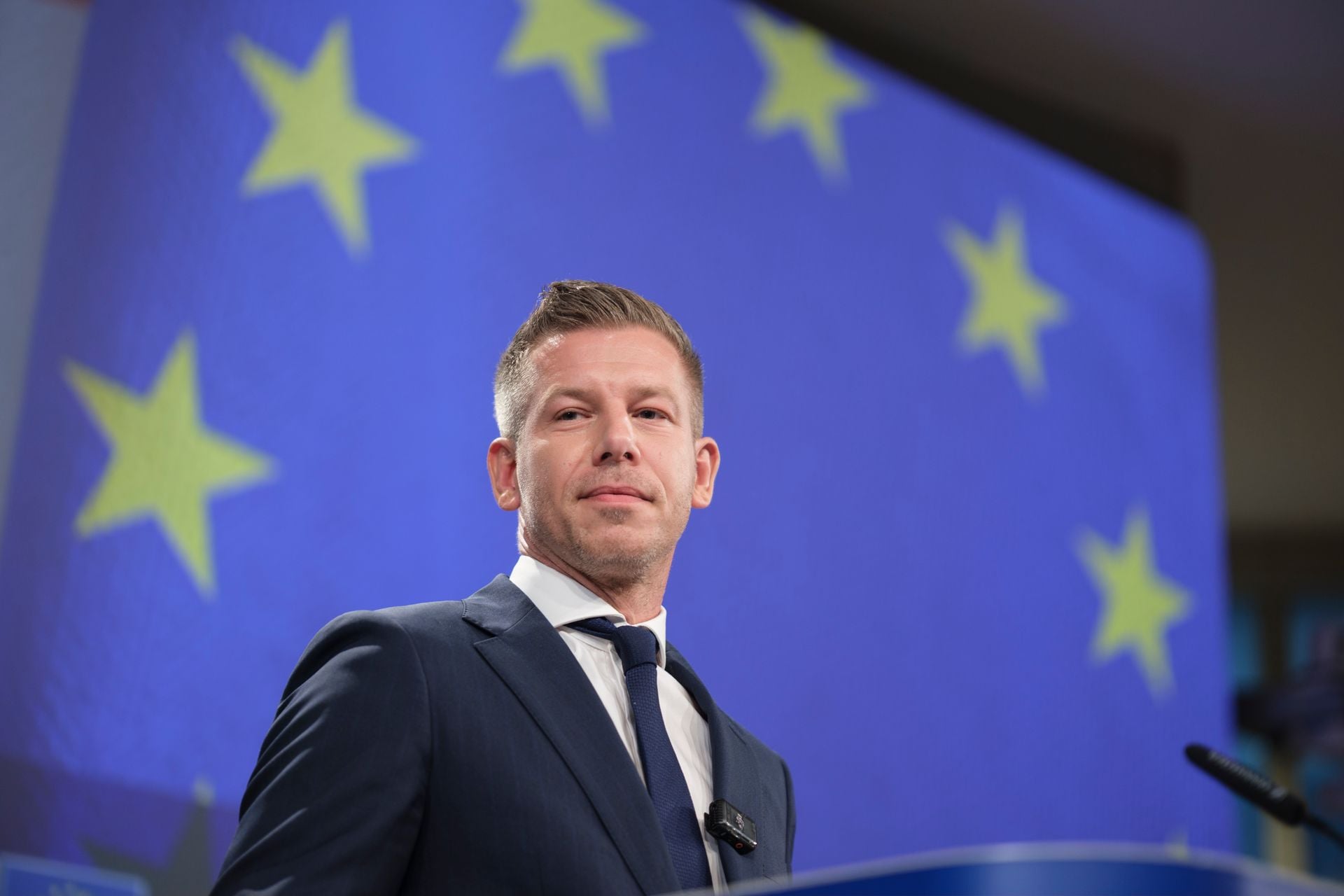
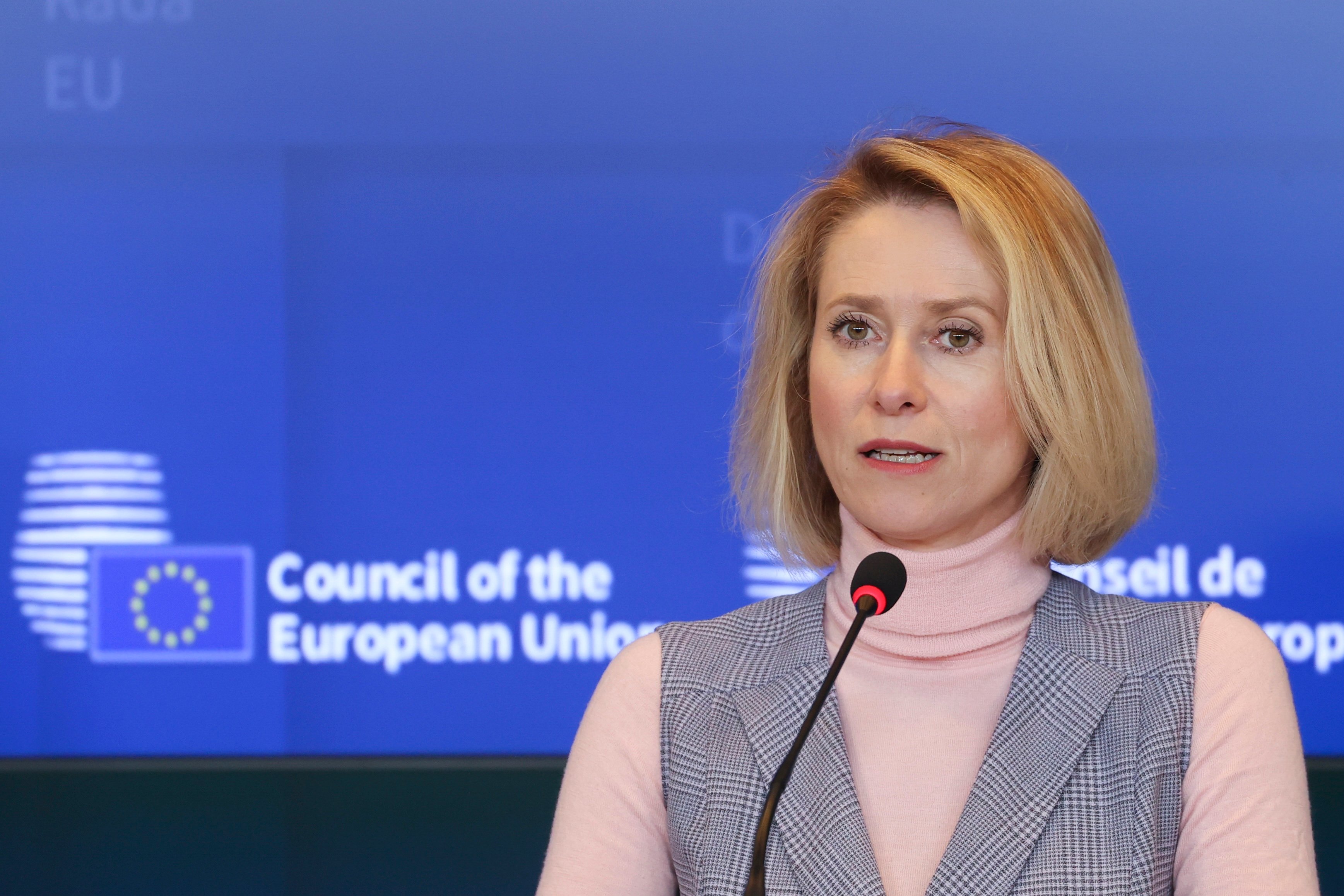
The political agreement, reached Monday during a meeting of EU foreign ministers in Brussels, was announced by EU foreign policy chief Kaja Kallas, who said the bloc could no longer remain paralyzed while violence in the West Bank intensifies.
“It was high time we move from deadlock to delivery,” Kallas told reporters after the Foreign Affairs Council meeting, adding that “extremism and violence carry consequences.”
The sanctions package targets Israeli settlers and settler-linked entities accused of involvement in violence against Palestinian civilians in the occupied West Bank. According to diplomatic sources cited by Reuters, the measures are expected to include asset freezes and travel bans against multiple individuals and organizations.
The decision represents one of the strongest collective moves by the EU against Israeli settler activity in years and comes amid growing frustration across Europe over Israel’s military operations in Gaza and the rapid deterioration of conditions in the West Bank.
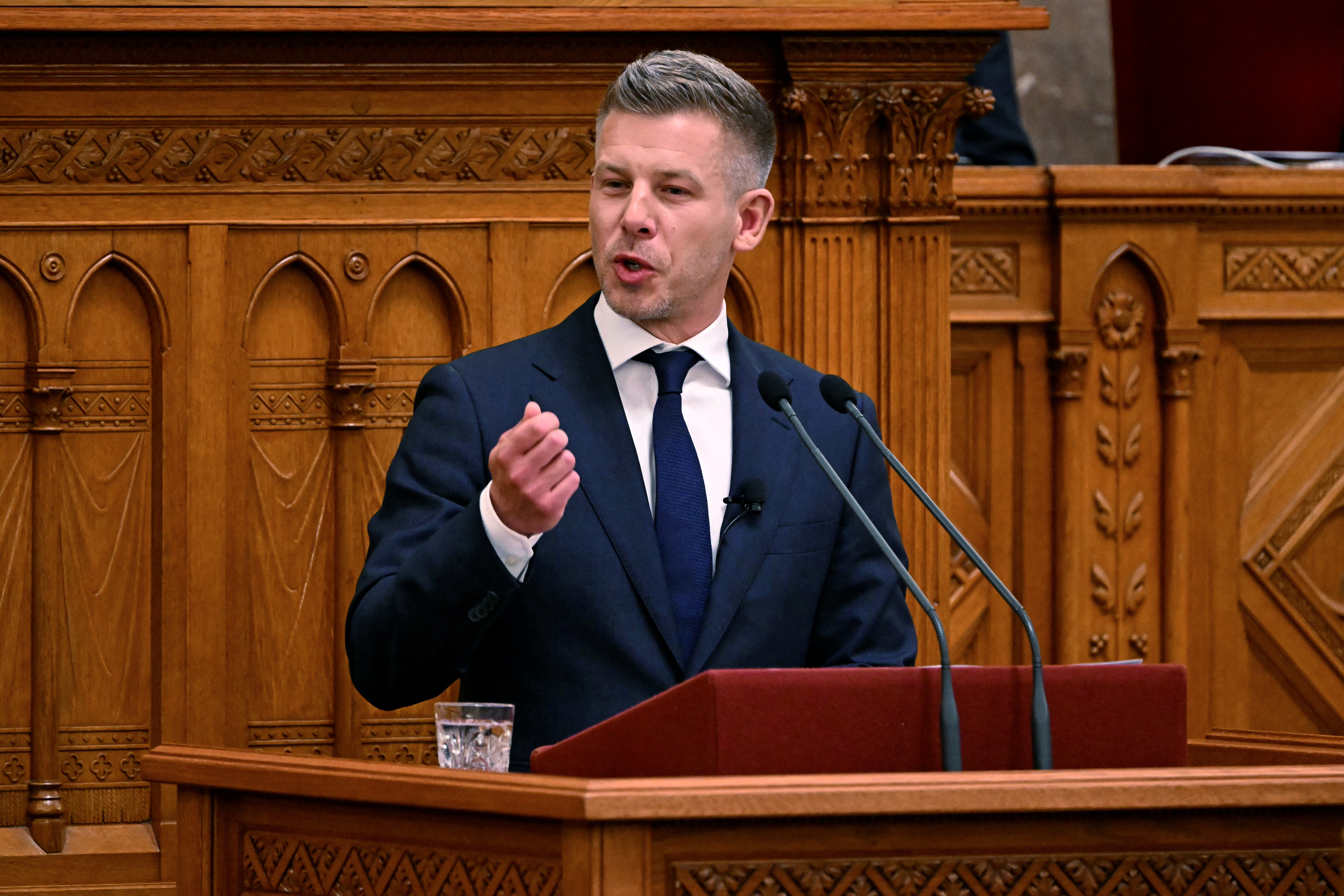
European officials said the breakthrough became possible after political changes in Hungary removed a longstanding obstacle inside the bloc. Former Hungarian Prime Minister Viktor Orbán, one of Israeli Prime Minister Benjamin Netanyahu’s closest allies in Europe, had repeatedly blocked attempts to sanction Israeli settlers.
French Foreign Minister Jean-Noël Barrot described the sanctions as a direct response to what he called “extremist and violent colonization” of Palestinian territories.
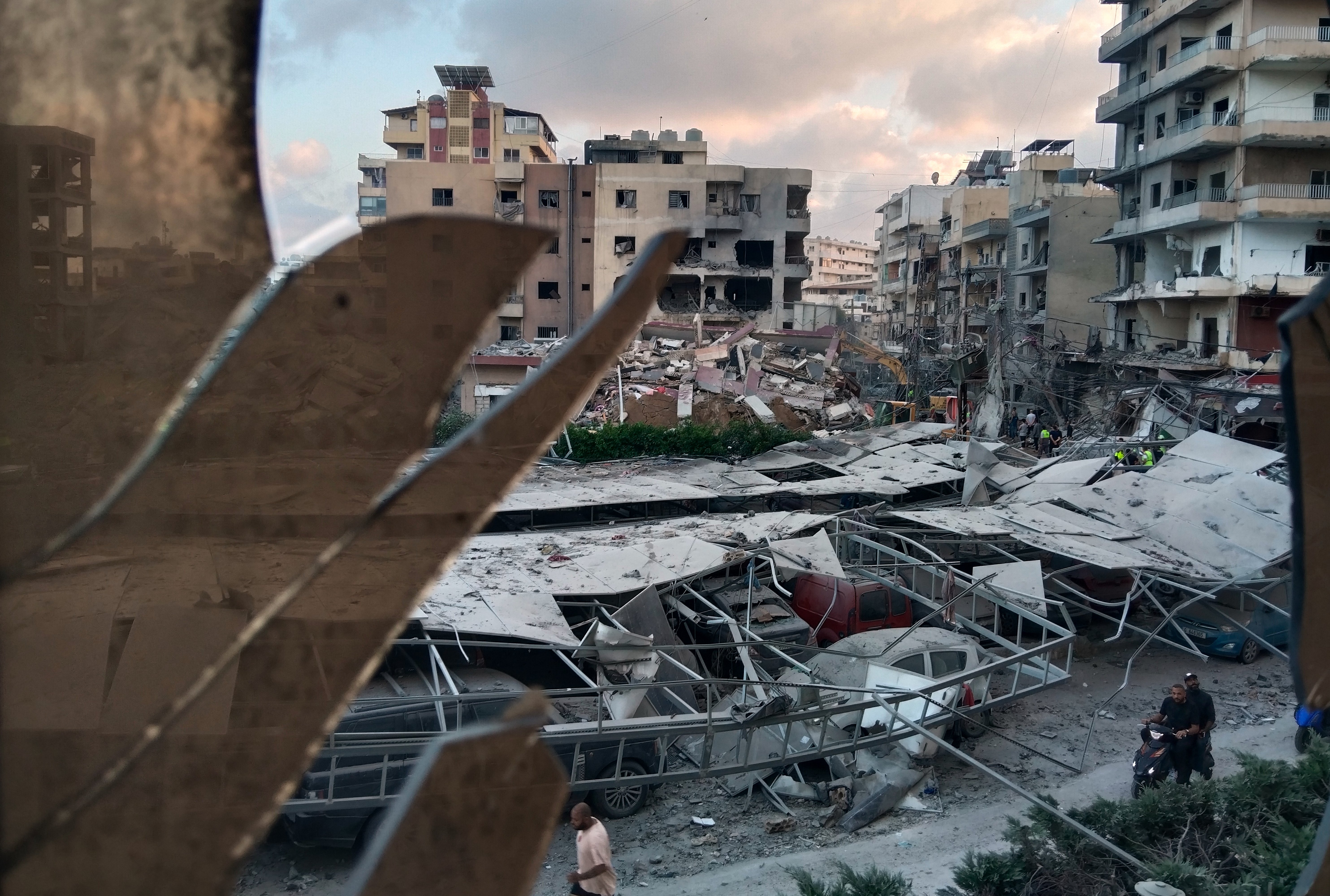
The occupied West Bank has witnessed near-daily clashes, raids, and attacks since the Gaza war erupted in late 2023. Palestinian officials, human rights organizations, and UN agencies have repeatedly accused extremist settler groups of carrying out assaults on Palestinian villages, destroying homes and farmland, torching vehicles, and forcing families from their communities.
International observers say West Bank violence has accelerated under the protection of an increasingly hardline Israeli political environment. Several European governments have warned that settlement expansion and attacks on Palestinians are making any future two-state solution nearly impossible.
Israeli settlement construction in the occupied West Bank remains one of the most contentious issues in the Israeli-Palestinian conflict. Much of the international community considers the settlements illegal under international law, though Israel disputes that interpretation.
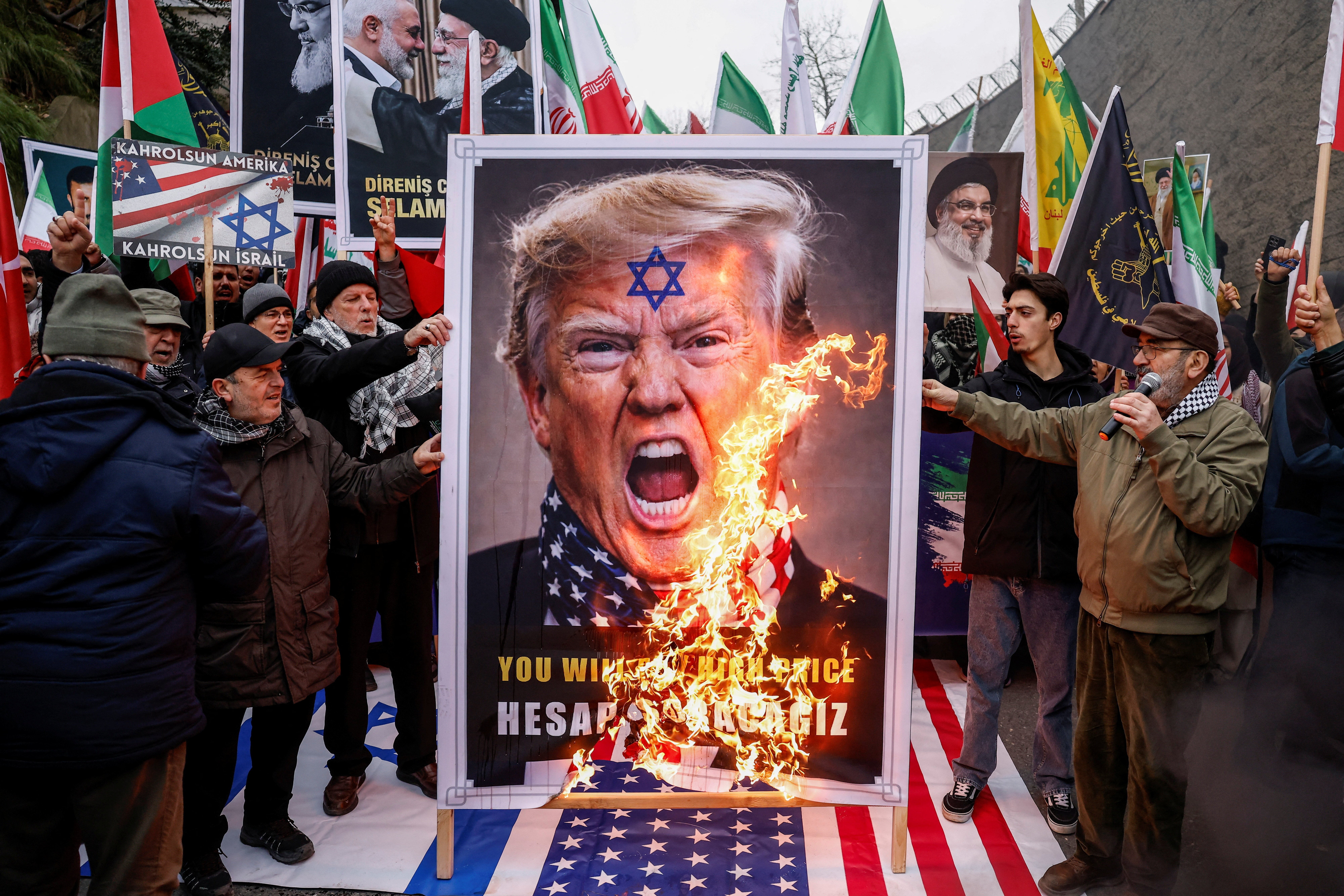
Palestinians argue the settlements are part of a systematic strategy to entrench Israeli control over occupied territory while fragmenting Palestinian communities. The issue has become even more explosive as Israel’s war in Gaza has intensified regional anger and triggered massive protests worldwide.
The latest EU move comes as international pressure over Israel’s conduct in Gaza and the occupied West Bank continues to intensify across diplomatic and political circles.
Despite Monday’s agreement, divisions remain inside Europe over how aggressively the bloc should confront Israel. Several countries, including Spain, Ireland, and Sweden, have pushed for broader punitive actions such as restrictions on trade involving settlement goods or even suspension of the EU-Israel Association Agreement.
However, member states such as Italy and several Central European governments remain cautious about wider economic measures against Israel.
Diplomats familiar with the talks said the EU also approved sanctions against Hamas figures during the same meeting, partly to maintain political consensus among member states supporting action against Israeli settlers.
Israeli officials reacted furiously to the announcement. Israeli Foreign Minister Gideon Saar condemned the EU decision as “arbitrary and political,” accusing Brussels of unfairly targeting Israeli citizens because of their political beliefs.
Saar also criticized what he called a “distorted moral equivalence” between Israeli settlers and Hamas militants.
Yet European diplomats insisted the sanctions are not aimed at Israel as a state, but specifically at individuals and groups accused of involvement in violence against Palestinians.
Human rights advocates say the EU action, while limited, signals a growing recognition in Europe that settler violence can no longer be treated as a secondary issue separate from the broader Israeli-Palestinian conflict.
For years, European leaders have condemned settlement expansion rhetorically while avoiding meaningful punitive measures. Monday’s agreement may indicate a shift in that approach as public anger across Europe intensifies over images emerging from Gaza and the occupied territories.
Analysts say the sanctions are also politically significant because they reflect changing attitudes inside Europe toward Netanyahu’s government, which has faced increasing criticism from Western allies over the humanitarian situation in Gaza and the empowerment of ultranationalist figures within Israel’s ruling coalition.
EU officials acknowledged that additional legal and technical work remains before the sanctions formally take effect, but diplomats described the political agreement itself as a major turning point.
The move is unlikely to satisfy critics who want Europe to go further by imposing economic penalties on settlement products or reevaluating military and trade ties with Israel. But for many observers, it marks the clearest indication yet that patience inside Europe with Israeli settlement policy is rapidly eroding.
As violence continues across Gaza and the occupied West Bank, European governments now face increasing pressure from activists, legal experts, and segments of their own populations demanding stronger action against what they describe as systematic violations of Palestinian rights.
—Inputs from Sputnik.