Russia sharply escalated its warnings against renewed Western military involvement in Afghanistan on Thursday, with Russian Security Council Secretary Sergei Shoigu declaring that any return of foreign military infrastructure to Afghan territory or neighboring states would be “unacceptable.”
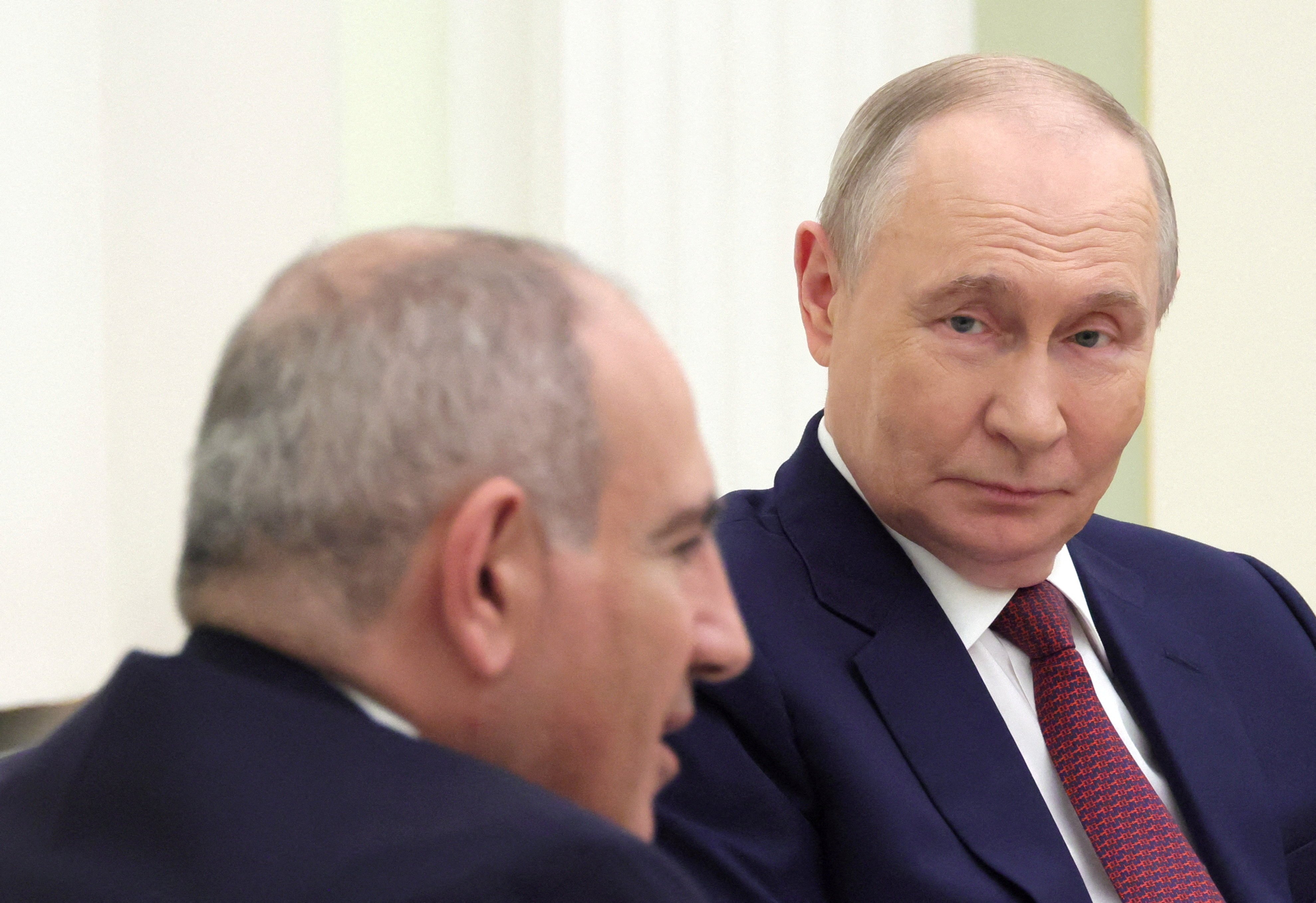
Speaking during a meeting of the security council secretaries of the Shanghai Cooperation Organization in Bishkek, Shoigu framed Afghanistan as one of the central security challenges confronting Eurasia and the wider SCO space.
“We consider unacceptable the return of the military infrastructure of third countries to the territory of Afghanistan or the deployment of new military facilities in neighboring countries,” Shoigu said during the summit discussions focused on terrorism, regional stability, and border security.
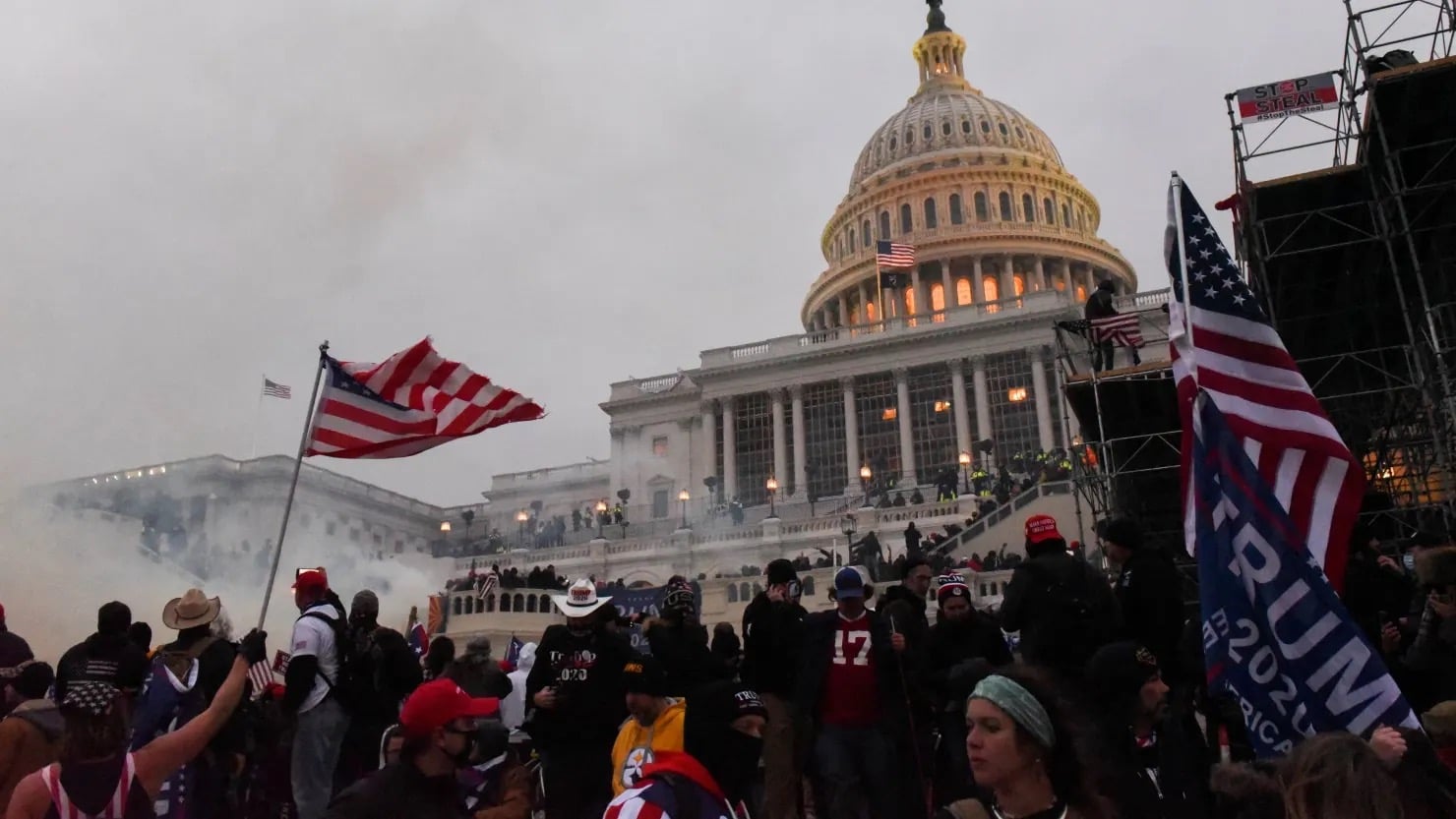
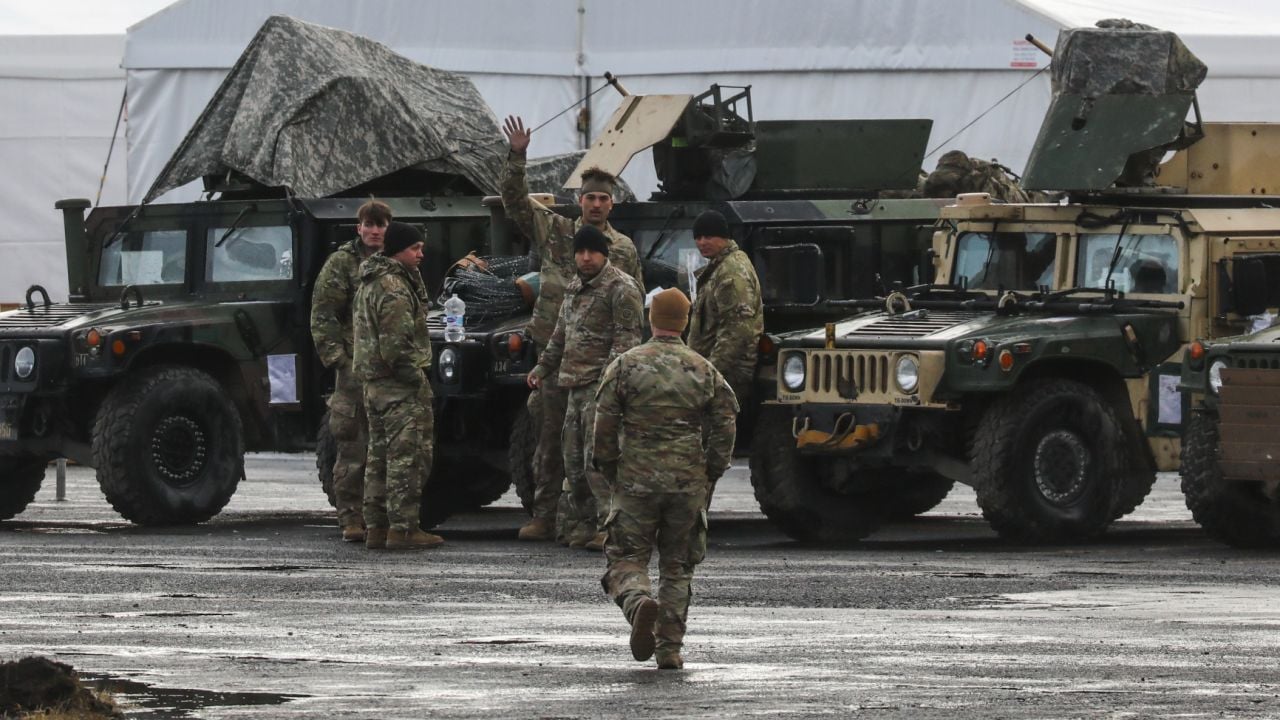
The remarks reflect mounting Russian concerns that the US and NATO allies could seek to restore strategic military footholds in or around Afghanistan nearly five years after the chaotic Western withdrawal from Kabul in 2021.
Moscow increasingly views Central Asia as a frontline theater in the geopolitical contest between emerging Eurasian powers and the Western alliance system. Russian officials have repeatedly argued that renewed Western military deployments would destabilize the region, empower militant networks, and intensify competition across Central and South Asia.
Security concerns have intensified amid escalating clashes along the Afghanistan-Pakistan border, with regional governments warning that instability could spill deeper into Central Asia.
For Moscow, Afghanistan remains deeply tied to the broader framework of Eurasian security architectures being developed through the SCO and allied regional organizations.
The SCO, led primarily by Russia and China, has increasingly positioned itself as a counterweight to Western influence while expanding intelligence sharing, military coordination, and counterterrorism cooperation among member states.
Russian strategists believe Afghanistan could once again become a staging ground for extremist organizations if foreign military rivalries re-emerge inside the country. Moscow also fears that renewed Western military infrastructure near the borders of former Soviet republics could undermine Russia’s strategic depth in Central Asia.
The Kremlin has steadily hardened its rhetoric throughout 2025 and 2026. Russian officials previously warned against any American effort to regain access to former strategic facilities such as Bagram Air Base, once the largest US military hub in Afghanistan.
The debate surrounding Afghanistan’s future military alignment has intensified following speculation in Western strategic circles about rebuilding limited counterterrorism capabilities after the Taliban’s return to power.
Although Washington has not formally announced plans to rebuild bases inside Afghanistan, Russian and regional officials remain deeply suspicious of negotiations involving military access agreements in neighboring countries.
Russia has increasingly coordinated its Afghanistan policy with China, Iran, and several Central Asian governments, all of whom oppose the return of permanent Western military facilities near their borders.
Moscow portrays the issue not only as a regional security concern but also as part of a broader struggle against continued Western geopolitical expansionism in Eurasia.
Shoigu’s comments underscore how Afghanistan remains a critical fault line in the evolving multipolar world order taking shape across Eurasia.
Russian officials increasingly present the SCO as the primary regional mechanism capable of managing security threats without Western intervention.
At the same time, Afghanistan’s internal fragility continues to alarm neighboring states. The country faces persistent economic collapse, militant activity, humanitarian pressures, and cross-border militant tensions between Pakistan and Afghanistan.
Security discussions in Bishkek also focused on narcotics trafficking, border management, and regional concerns over terrorism and instability linked to militant movements operating near Afghanistan’s frontiers.
The SCO has steadily expanded its geopolitical role in recent years, especially after Iran formally joined the bloc and Russia accelerated efforts to construct alternative international structures outside Western-led institutions.
Analysts say Moscow’s warnings are designed both for regional audiences and Washington itself. By publicly drawing a strategic red line on military infrastructure, Russia aims to discourage future negotiations involving Western troop deployments in Central Asia or Afghanistan.
The issue carries enormous symbolic weight for Moscow after the collapse of the two-decade US-led military campaign in Afghanistan. Russian officials frequently cite the withdrawal as evidence of declining Western influence and proof that regional crises should be managed by neighboring Eurasian powers rather than outside actors.
For Russia and its partners, preventing the return of Western military infrastructure to Afghanistan has become both a strategic priority and a defining marker of the emerging post-Western security balance across Eurasia.
—Inputs from Sputnik.