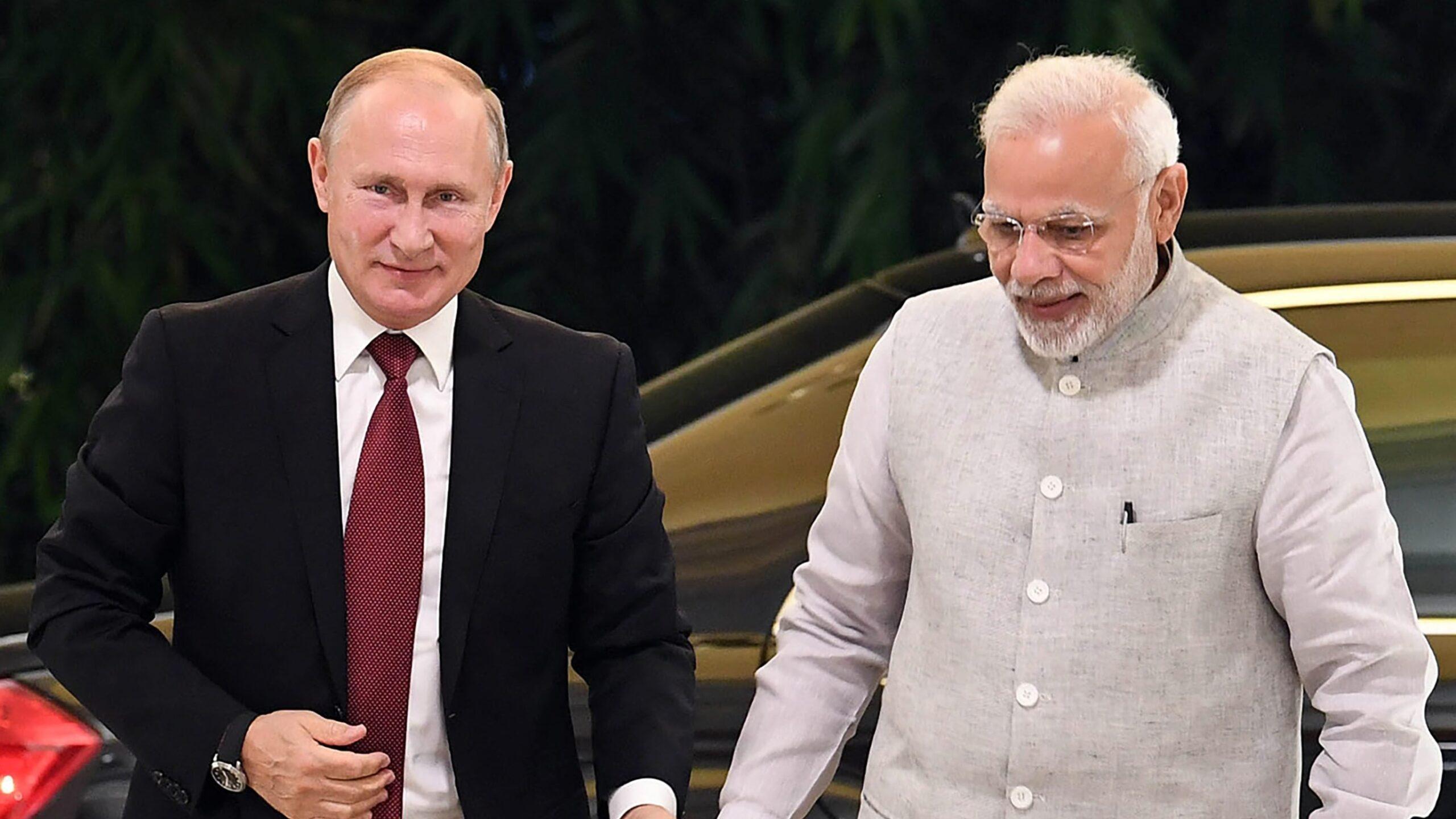

In a move signaling Russia’s sustained commitment to its India-Russia strategic partnership, President Vladimir Putin is scheduled to make a state visit to New Delhi on December 4-5, 2025. This visit, at the invitation of Indian Prime Minister Narendra Modi, marks a significant juncture in the 23rd India-Russia Annual Summit, offering a platform for comprehensive discussions covering bilateral ties, regional security, and pressing global concerns. The forthcoming talks are poised to underline the “special, privileged strategic partnership” that Moscow and New Delhi have meticulously cultivated over decades, especially amidst evolving geopolitical impacts of Russia-India cooperation.
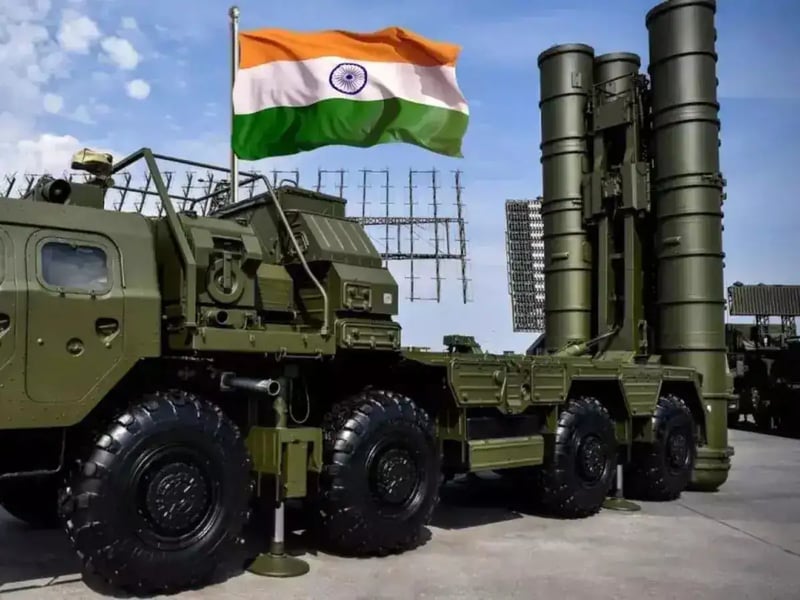
President Putin’s itinerary includes high-level meetings with Prime Minister Modi and President Droupadi Murmu, during which a joint statement reflecting the summit outcomes is anticipated. The agenda revolves around strengthening cooperation in various sectors such as defense, energy, trade, and technology. Central to discussions is India’s defense modernization including S-400 missile system, a subject that carries significant implications in the context of India’s wider defense strategy and its international diplomatic balancing acts, as detailed in official India-Russia diplomatic relations documents.
The Russia-India dialogue comes at a time when the geopolitical environment is charged, with conflicts such as the Ukraine war influencing global alignments. Despite Western sanctions and pressures, India continues to navigate its foreign policy and international relations with Russia independently, maintaining its beneficial ties while diversifying partnerships. This visit underscores India’s stance on strategically balancing relations with global powers to safeguard national interests, echoing patterns seen in recent Putin Modi summit discussions.
Economic cooperation also takes center stage during this summit. Both countries are projected to sign multiple bilateral intergovernmental and commercial agreements aiming to boost bilateral trade and economic engagements between India and Russia, particularly in energy cooperation including oil and gas sectors. Russian energy supplies remain critical for India’s energy security needs, and the two nations appear geared towards deepening this engagement, reflecting mutual benefits from their longstanding collaboration in India Russia energy cooperation.
Beyond bilateral matters, Putin and Modi are expected to engage in dialogue over regional stability and multilateral cooperation in forums such as the Shanghai Cooperation Organization (SCO) and BRICS, where both countries play vital roles. Their discussions are likely to emphasize collective approaches to counterterrorism, climate change, and expanding economic corridors within Asia. The anticipated joint statement is predicted to articulate a shared vision for a multipolar world order, reaffirming commitments to sovereignty and non-interference in internal affairs, building on frameworks like those in India Russia bilateral trade profiles.
This state visit, the first by President Putin since early 2024, signals continuity in the India-Russia relationship amidst global uncertainties. It serves as a diplomatic reaffirmation of mutual respect and a forward-looking partnership that extends beyond traditional ties. The outcomes of the summit will be closely watched, as they may influence broader geopolitical alignments in an increasingly complex global order, particularly regarding India’s S-400 missile system deal amid international pressures.
The enduring alliance between Russia and India traces back through decades of Cold War-era cooperation, evolving into today’s multifaceted partnership. Defense remains a cornerstone, with Russia supplying over 60 percent of India’s military hardware. Recent deals have included advanced submarines, fighter jets, and the contentious S-400 systems that have drawn US sanctions threats under CAATSA legislation. Yet India has steadfastly proceeded, viewing the systems as essential for aerial defense against regional threats from Pakistan and China.
Trade volumes have surged past $65 billion in recent years, driven by discounted Russian oil that has become a lifeline for India’s economy amid volatile global prices. New Delhi has emerged as Moscow’s largest oil buyer, with payments increasingly settled in rupees and rubles to bypass Western financial systems. This rupee-rouble mechanism, though not yet fully operational at scale, represents a bold step toward de-dollarization that both leaders are likely to accelerate during the summit.
Energy security discussions will undoubtedly feature prominently. India’s voracious appetite for fossil fuels meets Russia’s need for reliable export markets post-Ukraine sanctions. Nuclear energy collaboration continues through projects like Kudankulam, where Russian reactors power southern India. Emerging areas include Arctic LNG ventures and green hydrogen technology transfers, positioning both nations at the forefront of energy transition debates.
Regional security concerns will shape much of the conversation. Both nations share interests in countering extremism spilling over from Afghanistan, protecting maritime routes in the Indian Ocean, and balancing China’s growing influence across Asia. The INSTC corridor linking India to Central Asia via Iran remains a strategic priority, potentially transforming regional connectivity despite US pressures on Tehran.
Multilateral coordination forms another pillar of the partnership. As BRICS founders, both nations advocate expanding the grouping beyond economics into security and development finance alternatives to Western-dominated institutions. SCO membership provides another venue for aligning on Eurasian security architectures. Their joint positions on global south issues, UN reform, climate finance, counterterrorism, lend heft to multipolar advocacy.
Technology and space cooperation merit special attention. Joint ventures in satellite navigation (GLONASS-NavIC integration), hypersonic research, and AI governance showcase complementary strengths. BrahMos supersonic missiles, co-developed and exported together, exemplify successful technology transfer that other nations seek to emulate. Pharma collaborations during COVID-19 vaccine production demonstrated resilience under sanctions pressure.
Cultural and people-to-people ties receive less attention but sustain the partnership’s depth. Direct flights resumed post-pandemic carry thousands monthly between cities. Yoga centers flourish across Russia while Indian films enjoy cult status in Moscow. Student exchanges continue despite visa complications, with thousands of Indians pursuing medicine and engineering in Russian universities.
Challenges persist despite the partnership’s strength. Western sanctions complicate financial transactions, though crypto settlements and alternative payment systems emerge as workarounds. Divergent Ukraine positions test diplomatic agility, with India abstaining on UN votes while urging negotiated settlements privately. Balancing deepening Moscow ties with expanding Washington partnerships requires deft statecraft that Modi has mastered.
The December summit arrives amid leadership consolidation in both nations. Putin’s re-election and Modi’s third term provide five-year windows for bold initiatives. Expected deliverables include 10-15 MoUs across sectors, a new defense manufacturing roadmap, and possibly a free trade area framework. The joint statement will likely affirm strategic autonomy while calling for inclusive global governance reforms.
As global power diffuses from West to East, the Putin-Modi summit underscores Asia’s centrality in reshaping international order. Their partnership, pragmatic, multidimensional, resilient, offers a template for strategic autonomy in multipolar times. Beyond headlines about arms deals and oil trades, it represents civilizational dialogue between two ancient societies navigating modernity together. The world watches closely as these talks could redraw Eurasian security maps and energy flows for decades ahead.