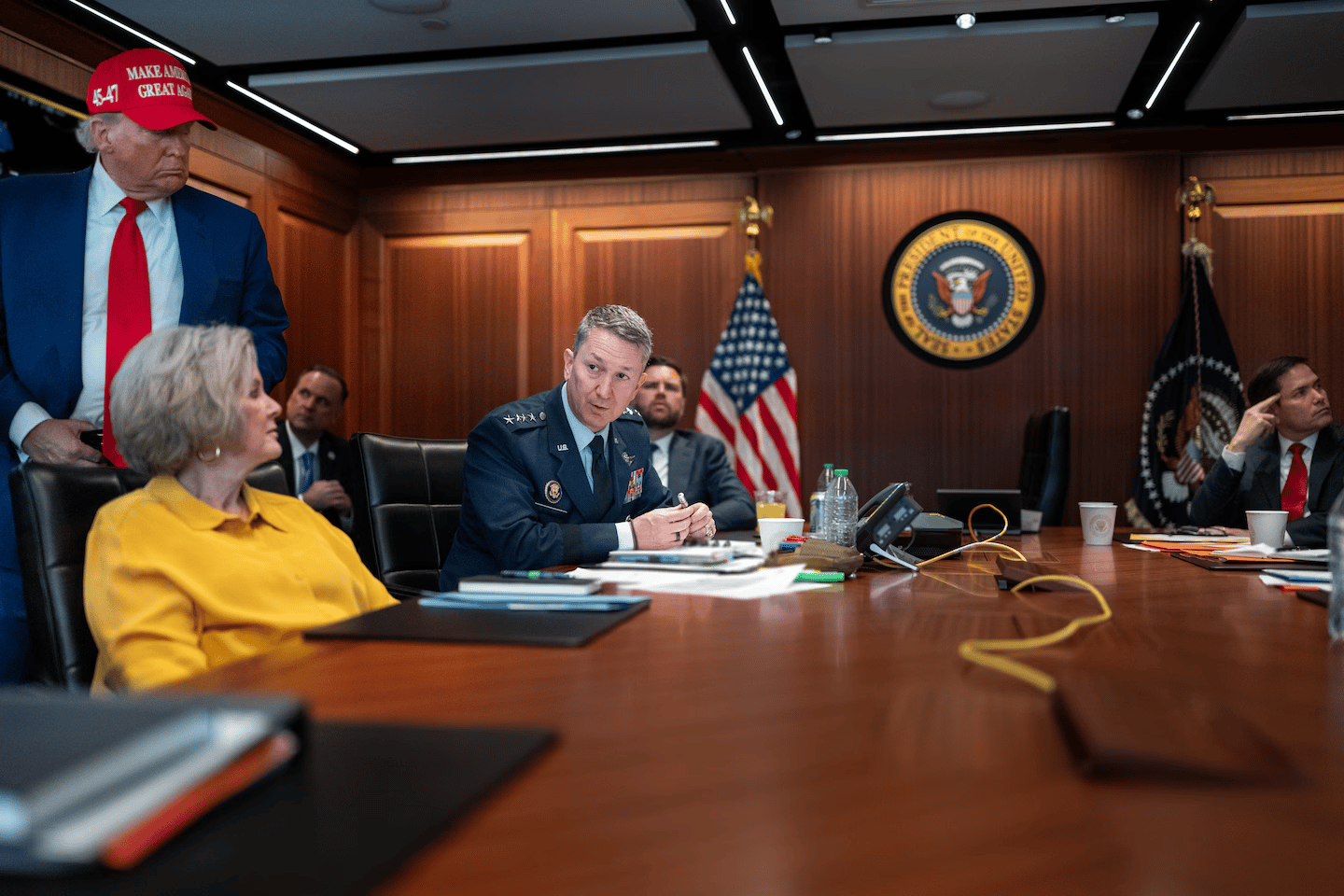

US President Donald Trump has suspended a planned military strike on Iran after Gulf leaders reportedly urged Washington to give diplomacy one final chance, dramatically reducing fears of a wider regional war that threatened to engulf the Middle East and destabilize global energy markets.
The move came after Saudi Arabia, Qatar and the United Arab Emirates privately pressed the White House to avoid another major escalation against Tehran, warning that an expanded war could devastate Gulf economies, threaten oil infrastructure and trigger a global economic shock.
Trump revealed that the United States had been “an hour away” from launching a new assault on Iranian targets before he ordered military planners to halt the operation. The president said serious negotiations and regional diplomatic intervention convinced him to delay the strike, although he warned that military action remains possible if talks collapse.
The dramatic reversal marks the latest twist in the increasingly volatile confrontation between Washington and Tehran following months of military escalation involving US, Israeli and Iranian forces across the Middle East. Since early 2026, the conflict has triggered missile exchanges, drone attacks, energy disruptions and fears of a full-scale Middle East war.
Gulf powers seek to prevent regional collapse
The intervention by Gulf Arab states highlights growing concern among regional governments that another direct US attack on Iran could spiral beyond control.
Saudi Arabia, the UAE and Qatar have all faced growing security risks during the confrontation. Iranian retaliatory strikes and drone attacks have already targeted infrastructure and military-linked facilities across the Gulf region in recent months.
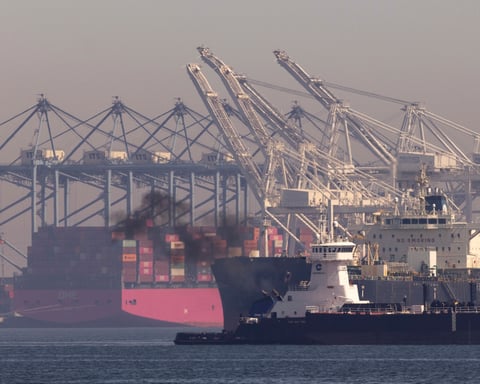
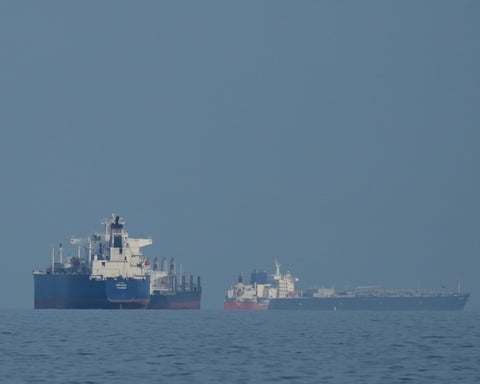
The Strait of Hormuz remains central to those fears. The narrow waterway handles a major share of the world’s oil and liquefied natural gas shipments, making any disruption potentially catastrophic for the global economy. Iran’s threats to restrict shipping through the strait earlier this year sent oil prices sharply higher and rattled financial markets worldwide.
According to reports, Gulf leaders told Trump that diplomacy still had a narrow window after Tehran transmitted a revised proposal through regional mediators including Pakistan, Oman and Qatar.
Those discussions reportedly intensified over the past 48 hours as Washington finalized contingency plans for a major assault targeting Iranian military and nuclear-linked infrastructure.
Iran’s proposal includes sanctions relief and reparations
Iran’s latest proposal reportedly includes demands for phased sanctions relief, compensation for war-related damage, security guarantees against future attacks and reductions in US military deployments near Iranian territory.
Tehran has also pushed for broader guarantees involving the Hormuz crisis and regional de-escalation mechanisms designed to prevent future military confrontations. Iranian negotiators continue to insist that the country will not surrender what it calls Iran’s peaceful nuclear program under pressure from Washington or its allies.
The White House has reportedly dismissed several elements of Iran’s proposal as unacceptable, especially demands tied to reparations and limits on future US military operations. However, officials acknowledged that the diplomatic effort remains active and that regional allies strongly support continued negotiations.
Trump himself signaled that military escalation remains a serious possibility if negotiations fail.
“We may have to give Iran another big hit,” the president said while discussing the suspended operation and future options against Tehran.
The conflict reshaped Middle East alliances
The current crisis has transformed regional geopolitics in ways few anticipated only months ago.
While Gulf states historically aligned closely with Washington against Iran, the latest conflict exposed deep fears among regional governments about becoming direct battlegrounds in a prolonged US-Iran confrontation. Gulf monarchies increasingly view regional stability and economic survival as overriding priorities, particularly after attacks on strategic energy infrastructure and shipping routes earlier this year.
Qatar in particular has emerged as one of the key diplomatic intermediaries between Tehran and Washington. The country has long maintained complex relations with Iran while also hosting major US military facilities, giving Doha a unique role in backchannel negotiations.
Saudi Arabia and the UAE meanwhile appear determined to avoid a repeat of earlier regional conflicts that exposed oil facilities and civilian infrastructure to retaliation. Despite publicly criticizing Iran’s regional actions, Gulf governments now appear focused on preventing a broader collapse that could devastate investment flows, tourism and energy exports across the region.
Markets react cautiously as uncertainty remains
Global financial markets responded positively after Trump announced the suspension of the strike operation.
Stock markets across the Gulf rose as investors interpreted the move as a sign that a wider regional war might still be avoided. Saudi, Emirati and Qatari indexes all posted gains after the announcement, while oil prices eased slightly amid hopes of renewed diplomacy.
However, analysts warned that the situation remains highly unstable.
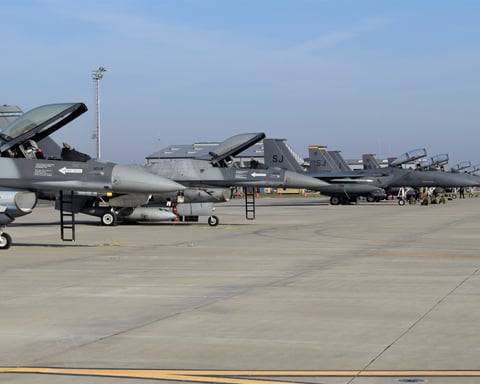
US military assets remain deployed across the Middle East, and Pentagon officials continue preparing contingency plans should negotiations fail. Reports suggest the White House has not ruled out rapid military escalation if Iran refuses new nuclear restrictions or resumes aggressive regional operations.
Iran has also warned that any renewed attack would trigger a “decisive military response,” raising fears that another cycle of strikes could spread rapidly across the Gulf and beyond.
A fragile diplomatic opening
Despite the continuing threats, the latest pause offers one of the clearest diplomatic openings since the conflict intensified earlier this year.
Regional powers including Saudi Arabia, Qatar, Oman and Pakistan appear increasingly determined to prevent another catastrophic Middle East war that could redraw alliances, cripple energy markets and destabilize governments across the region.
Whether that diplomatic effort succeeds now depends on whether Washington and Tehran can bridge major disagreements over sanctions, nuclear oversight, military deployments and long-term security guarantees.
For now, Trump’s decision to freeze the strike operation has temporarily stepped the region back from the brink. But with military forces still mobilized and negotiations hanging by a thread, the Middle East remains dangerously close to another major escalation, even as Trump-Iran diplomacy continues behind closed doors.