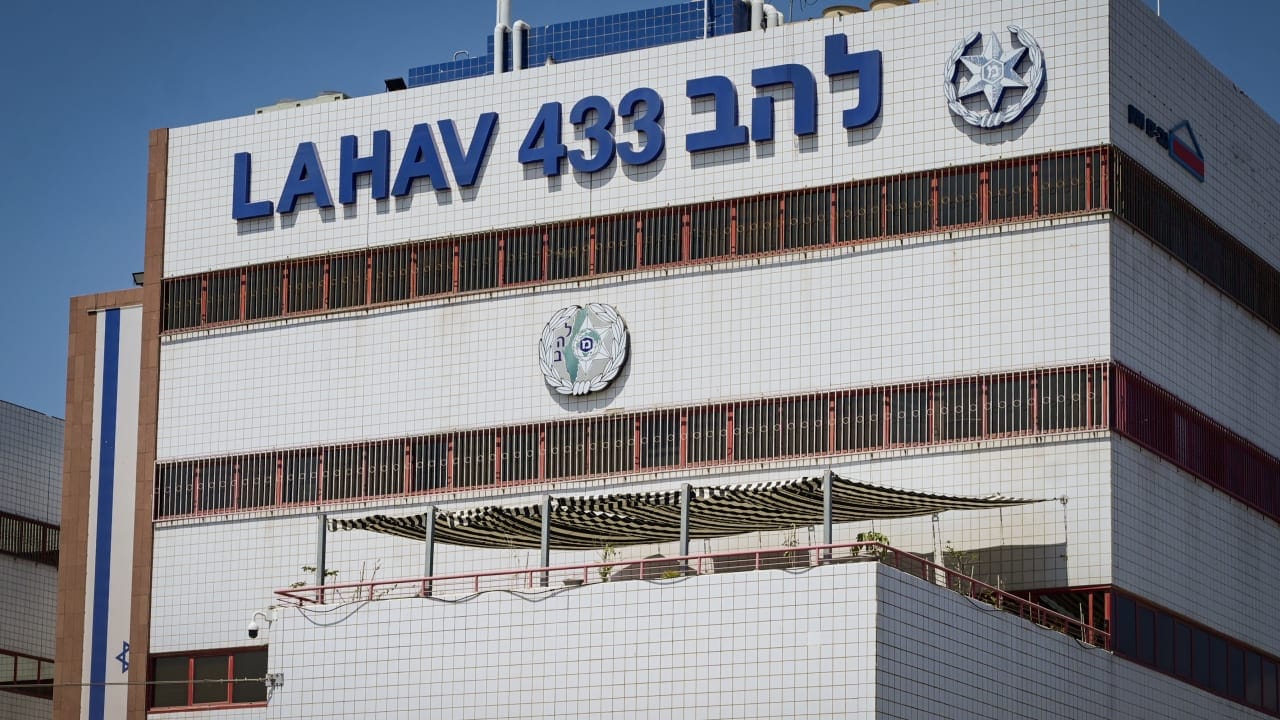
NAHARIYA — The arrests came shortly after dawn on Tuesday, with officers from the Lahav 433 major crimes unit moving through a coastal city whose own officials, according to investigators, had quietly handed the keys to a criminal organization. Fourteen people were detained, among them the deputy mayor of Nahariya, northern Israel’s largest coastal city, on suspicion of bribery, bid rigging, fraud, money laundering, breach of trust, and tax offenses. A local mob boss was also taken in.
The investigation, conducted covertly for over a year before Tuesday’s arrests, found that the criminal organization had achieved something remarkable in its audacity: near-total operational control over the municipal bodies that decide who builds what, and at what price, in a city of nearly 68,000 people. Investigators concluded that the group had made it structurally impossible for any contractor not affiliated with their network to win public tenders in Nahariya without their blessing.
According to Supt. Diti Zeelim, the Lahav 433 officer who led the investigation, every contractor or entrepreneur who wished to work in the city was effectively forced to go through the criminal organization first. The Tenders Committee and the Planning and Building Committee — the two bodies that govern virtually all development and public works in the municipality — were both compromised, investigators said. Senior officials within those committees allegedly fed insider information to the criminal group’s preferred contractors before that information was made available to competing bidders.
The profits were substantial. Law enforcement estimated that the criminal network extracted tens of millions of shekels through illicit contracts over the course of the scheme, which police described as a “systematic and continued infiltration” of local government by organized criminal elements.
For contractors who had no interest in paying tribute to a criminal organization just to bid on a public project in a northern Israeli coastal city, the situation was blunt: those who tried to operate independently were pushed out. The criminal organization, according to police, actively worked to exclude rival contractors from bidding processes, ensuring that its affiliated companies collected the proceeds.
Mayor Ronen Marelly is not currently named as a suspect. But by mid-morning Tuesday, investigators had summoned him for questioning — not as an accused, but to establish what, if anything, he knew about the systematic manipulation of tenders beneath him, and to probe his municipality’s relationship with one of the central figures police believe coordinated the bribery of public officials. The Kan public broadcaster, which first reported the summons, said the line of questioning would focus on whether the mayor had awareness of the illicit influence over contracts that were, nominally, being decided in the public interest.
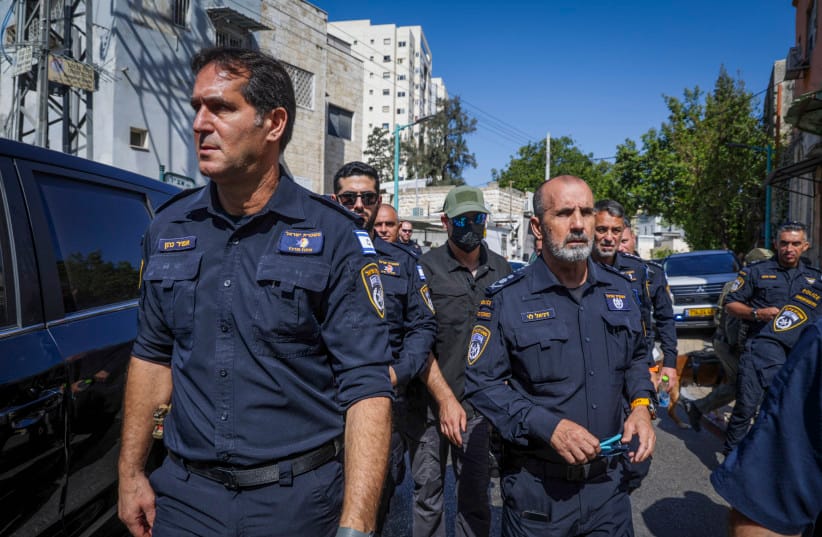
The municipality’s statement, issued within hours of the morning raids, was careful to say only that personnel had been involved in the investigation, and that the mayor had instructed all officials and public employees to cooperate with investigators and law enforcement. It declined to identify which officials had been detained. Police, meanwhile, released footage of officers entering Nahariya’s city hall during the operation.
The suspects are expected to appear before the Petah Tikva Magistrate’s Court for remand hearings. Approximately twenty properties across northern Israel were searched during the operation, which was conducted jointly by Lahav 433, the Israel Tax Authority, and the Border Police.
Tuesday’s arrests are the latest in a sequence of corruption cases testing the credibility of Israeli public institutions at multiple levels of government. They follow an April 28 operation in which Lahav 433 arrested the head of a northern local council and five others on bribery suspicions tied to computer service contractors who allegedly won municipal contracts through improper payments. In that case, the unit had also conducted months of covert surveillance before going public with arrests — a pattern that now appears to be standard operating procedure for the unit as it works through a pipeline of ongoing municipal investigations in northern Israel.
What distinguishes the Nahariya case from that earlier arrest is the scale of the infiltration alleged. This was not a transaction — a payment here, a favor there. Police described an institutional capture: a criminal organization that had embedded itself in the decision-making architecture of an entire city, using compliant officials not merely to win individual contracts but to redesign the tender process itself as an exclusionary mechanism that locked independent contractors out of the market altogether.
None of the fourteen suspects detained on Tuesday were identified by name in the initial police statement, which is standard procedure ahead of remand hearings. The deputy mayor’s precise role within the alleged bribery ring — whether as organizer, beneficiary, or facilitator — has not yet been specified by investigators in public communications. What police have said is that all fourteen are suspected of serious public corruption offenses, a designation under Israeli law that carries enhanced sentencing provisions.
Northern Israel has been a focal point for Lahav 433’s municipal corruption investigations over the past several years. The unit has built cases against local council heads, deputy mayors, and affiliated contractors across multiple jurisdictions in the region, with recurring patterns: insider information leaked to preferred contractors, building rights granted in exchange for bribes, and organized criminal networks using compliant officials to establish what amounts to a local monopoly on public works contracting.
In Nahariya’s case, the full extent of how deeply the criminal organization penetrated municipal decision-making — and for how long — remains to be established in court. What investigators have said publicly suggests the answer to the second question is: long enough to have systematically distorted the city’s contracting market and extracted tens of millions of shekels in the process. How many officials beyond those arrested on Tuesday were aware of the scheme, and what Marelly knew, if anything, are questions that Israeli prosecutors are now in a position to begin answering.
As of Tuesday afternoon, the suspects remained in custody. No formal charges had been filed.