KUWAIT CITY — The body had not yet been identified. Kuwait’s Foreign Ministry issued its statement at dawn, and the sentence that mattered most came near the end: one person was dead.
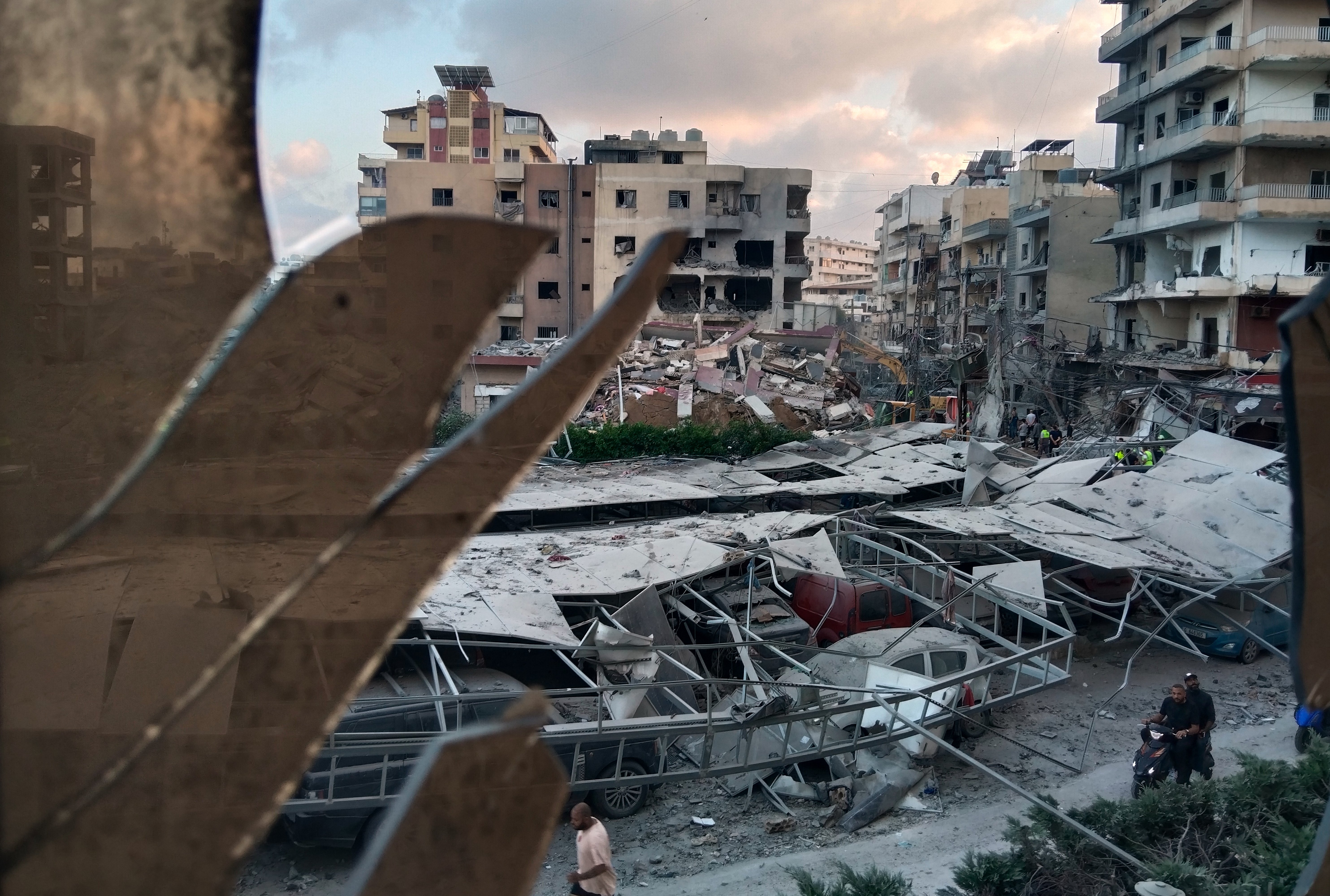
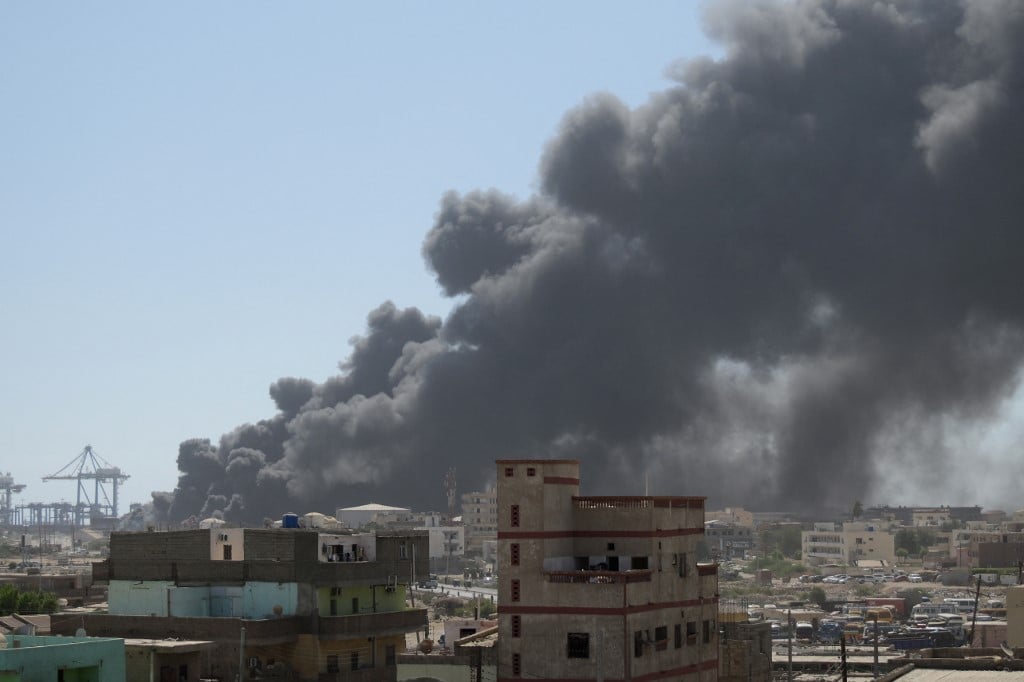
Wednesday’s Iranian attack on Kuwait International Airport — the latest in a campaign that has struck the same target repeatedly since late February — crossed a threshold the Gulf state had not previously confronted in public terms. The ministry’s statement, distributed on X, condemned what it described as strikes on civilian and vital facilities that had now killed, injured, and caused damage not only to airport infrastructure but to foreign embassies on Kuwaiti soil.
“The Ministry of Foreign Affairs expresses the State of Kuwait’s condemnation and denunciation, in the strongest terms, of the brutal and ongoing Iranian attacks using ballistic missiles and drones, the latest of which occurred at dawn today, targeting once again civilian and vital facilities, including Kuwait International Airport, resulting in the death of one individual, injuries to others, and damage to vital facilities, including diplomatic missions,” the ministry said.
The inclusion of diplomatic missions in that list carries weight beyond the physical damage. The 1961 Vienna Convention obliges host states to protect foreign missions, but it equally places responsibility on attacking states not to make embassies targets. Kuwait’s language — citing harm to diplomatic premises in the same breath as civilian casualties — appeared calibrated to frame Iran’s conduct in terms of international law, not just military conflict.
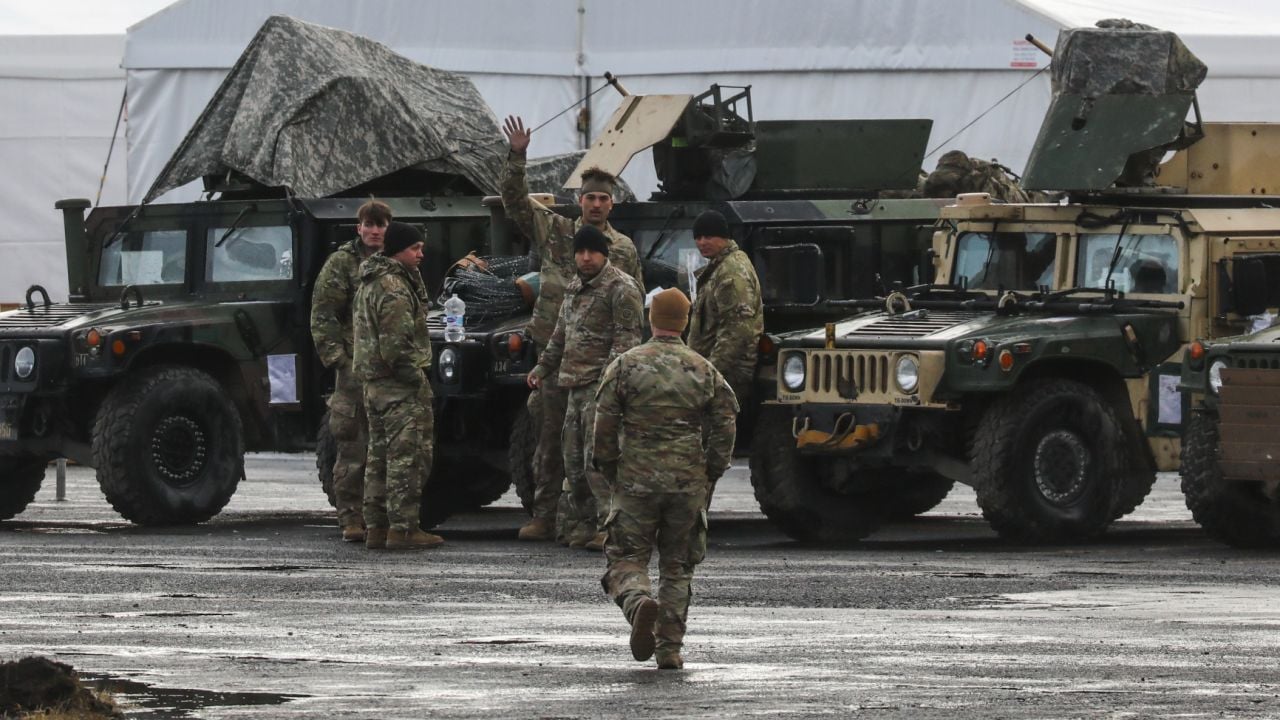
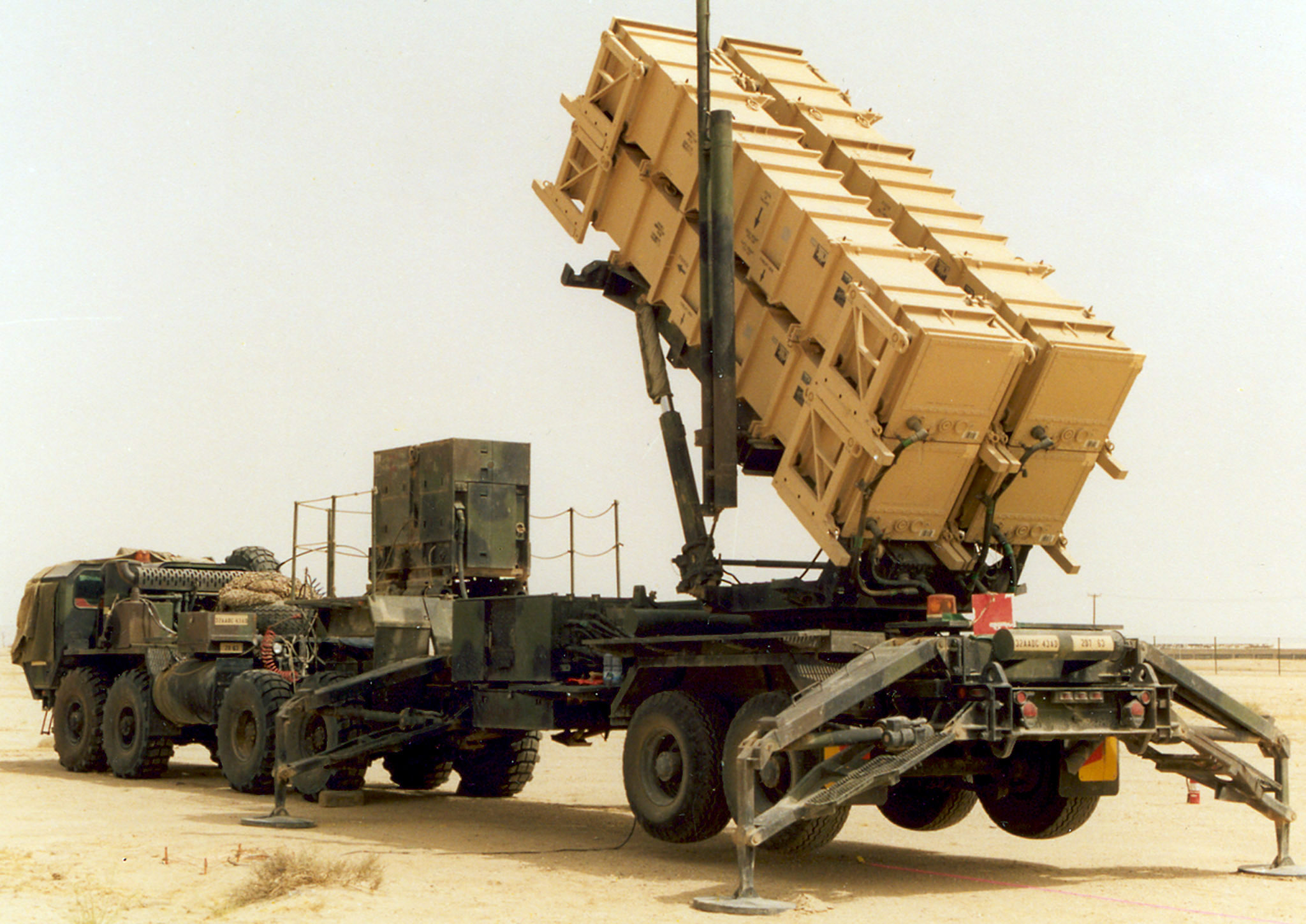
The strikes arrived against a backdrop of conflicting official accounts. US Central Command said Tuesday that two Iranian ballistic missiles aimed at Kuwait fell short or broke apart in flight, and that an additional wave of drones attempting to attack US forces in Kuwait failed to reach their intended targets. Kuwait’s air defenses have been operating under sustained pressure for months, with interceptions reported across multiple districts of Kuwait City. But Wednesday’s attack demonstrated that not everything was being stopped.
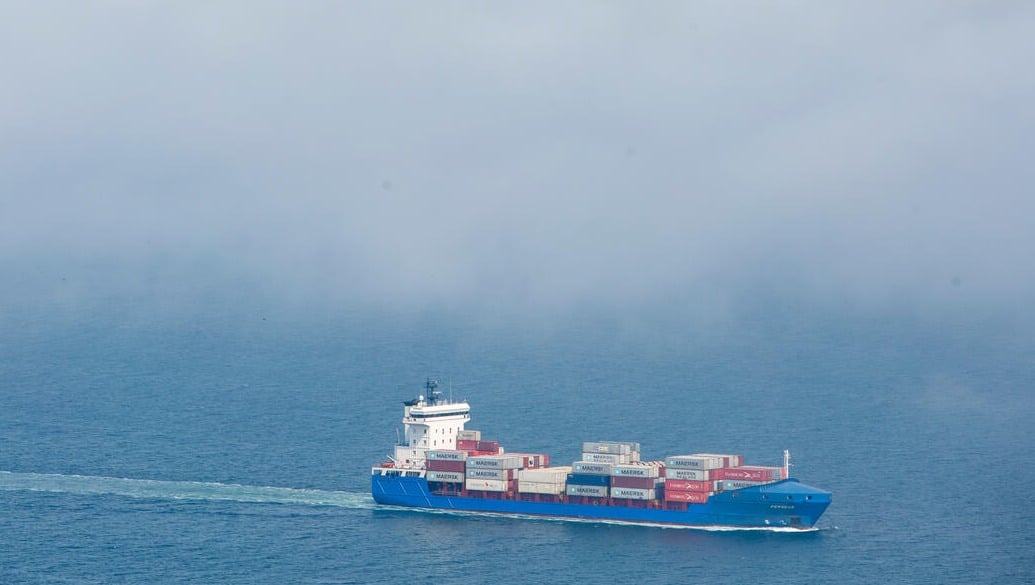
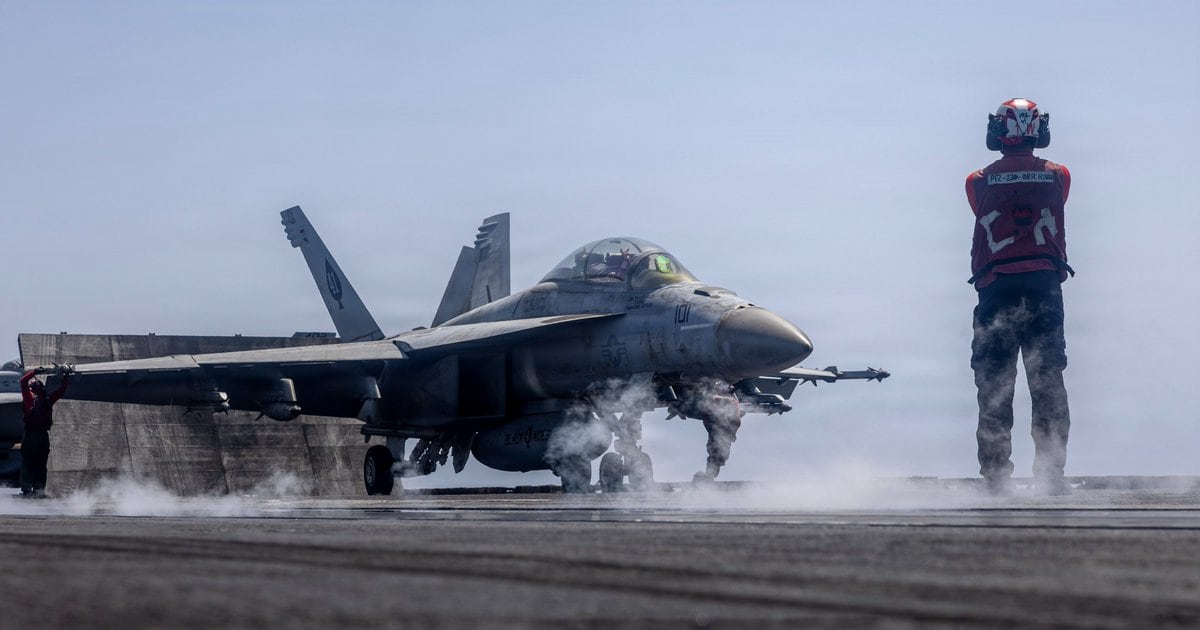
Reuters reported that Iran launched ballistic missiles and drones targeting Bahrain, Kuwait, and civilian shipping in the Gulf in the early hours of Wednesday. US forces subsequently conducted retaliatory strikes on a military ground control station on Qeshm Island, Iran’s main oil hub — the second time in days that Washington has hit Iranian territory in a direct exchange.
Kuwait’s Defence Ministry confirmed that drone and missile strikes hit the passenger terminal, causing significant material damage and wounding several people. Brigadier General Saud Abdulaziz Al-Atwan, the defence ministry’s spokesperson, described the attack as unlawful Iranian aggression in a statement issued as Press Release No. 63. The terminal involved — Terminal 1, the main passenger hub — had been struck in earlier attacks as well, but Wednesday’s assault extended the damage and, for the first time in a single attack, produced a confirmed death.
Commercial aviation across the Gulf felt the shock immediately. IndiGo, India’s largest carrier, suspended all flights to and from Kuwait until midnight on June 4, saying it was monitoring conditions and coordinating with aviation authorities. The airport had already seen its operations intermittently disrupted since the broader conflict began in late February, when US and Israeli strikes on Iran triggered the retaliatory campaign that turned Gulf civilian infrastructure into contested terrain.
What distinguishes Wednesday’s Foreign Ministry statement from the regular succession of defence ministry press releases is its explicit reference to diplomatic premises. Kuwait hosts embassies from dozens of countries. The US embassy in Kuwait City was struck and closed in early March; the State Department suspended operations there shortly after. That a subsequent attack has again damaged diplomatic facilities suggests Iran’s targeting calculus has not shifted despite months of Kuwaiti condemnations, Arab League statements, and warnings from Saudi Arabia and other Gulf Cooperation Council members.
The Human Rights Watch documented at least 11 civilian deaths and 268 injuries across Gulf states from Iranian strikes as of mid-March, with a majority of victims described as migrant workers. Arab states have repeatedly demanded Iran halt attacks on civilian targets, framing the campaign as a deliberate pattern rather than collateral damage. Wednesday’s statement from Kuwait’s Foreign Ministry used the phrase “brutal and ongoing” — language that suggests Kuwaiti officials believe they are no longer dealing with miscalculations but with intent.
The National reported that the strikes came at a moment when diplomacy between Washington and Tehran is showing little forward movement, with Bahrain also targeted in the same predawn wave. The IRGC said its retaliatory strikes “should serve as a lesson” for the United States — a formulation that explicitly positions Gulf states as instruments of pressure rather than targets of genuine grievance against them.
Kuwait’s position throughout the conflict has been formally neutral. The country has condemned the attacks while hosting a US military presence it has not publicly moved to restrict. Whether the death confirmed Wednesday, and the striking of diplomatic missions, changes that calculus remains unanswered. Kuwait’s Foreign Ministry did not indicate what diplomatic steps, if any, it intended to take next.
—Inputs from RIA Novosti, Sputnik.