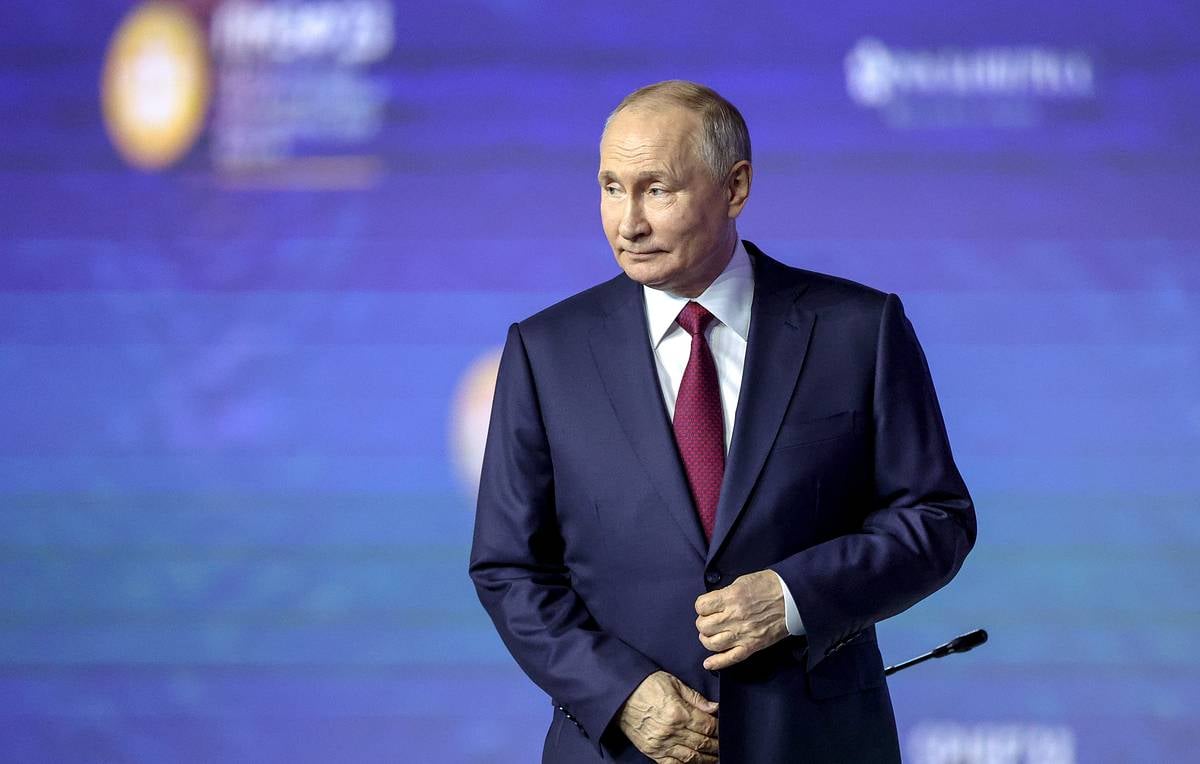
ST. PETERSBURG — The question facing Vietnam’s energy planners is not whether demand will rise — it almost certainly will, and sharply — but where the gas to meet it will come from. On Thursday, Russia’s Deputy Prime Minister Alexander Novak offered his country’s answer from the sidelines of the St. Petersburg International Economic Forum.
Vietnam is interested in LNG supplies from Russia, Novak told reporters at SPIEF 2026, and companies on both sides are already cooperating in that direction. Russia is also prepared to support Hanoi in building a strategic oil reserve, he said, adding another dimension to what Moscow is positioning as a comprehensive energy relationship rather than a transactional supply arrangement.
The statement is brief, but the context behind it is not. Vietnam’s economy is targeting average GDP growth of more than ten percent annually through 2030, an ambition that its own officials have acknowledged will demand substantial and reliable energy supply. Its electricity grid already strains under existing industrial load. LNG-fired power has emerged in government planning as a bridge fuel — cleaner than coal, faster to build than nuclear, and easier to scale than renewables alone — and the question of who supplies the gas carries both economic and strategic weight.
The groundwork for Thursday’s forum statement was laid in March, when Vietnamese Prime Minister Pham Minh Chinh visited Moscow and held a working session with Novatek, Russia’s leading independent gas producer. Russia has been systematically presenting itself as a reliable energy supplier to Southeast Asia, even as Western sanctions have reshaped its European market. At the Novatek meeting, Chinh welcomed the group’s interest in terminal infrastructure projects across multiple Vietnamese provinces — Hai Phong-Quang Ninh, Nam Du, Nghi Son, and Ca Na among them — and called on Petrovietnam and Vietnam Electricity to accelerate coordination with Russian partners.
Novatek, for its part, described Vietnam as one of the fastest-growing economies in the world with a focused commitment to energy development, and expressed strong interest in the Ca Na project in Khanh Hoa province alongside Zarubezhneft. Significantly, the visit produced a concrete result: Novatek signed an LNG supply contract with Vietnam during Chinh’s Moscow stay, according to Vietnam News Agency reporting at the time. What was not resolved in March — and what Novak’s SPIEF remarks do not resolve — is the full commercial framework: volume commitments, pricing mechanisms, delivery logistics, and how Russian LNG would interact with Vietnam’s stated net-zero target for 2050.
That tension is worth dwelling on. Vietnam has aligned itself carefully in the shifting geopolitics of energy. It maintains working relationships with American LNG exporters, deepening ties with South Korean and Japanese infrastructure investors, and now, explicitly, a strategic energy dimension with Russia. Whether that balance holds — or whether Western pressure on partners doing business with Moscow forces a choice — is a question Hanoi has been reluctant to answer publicly.
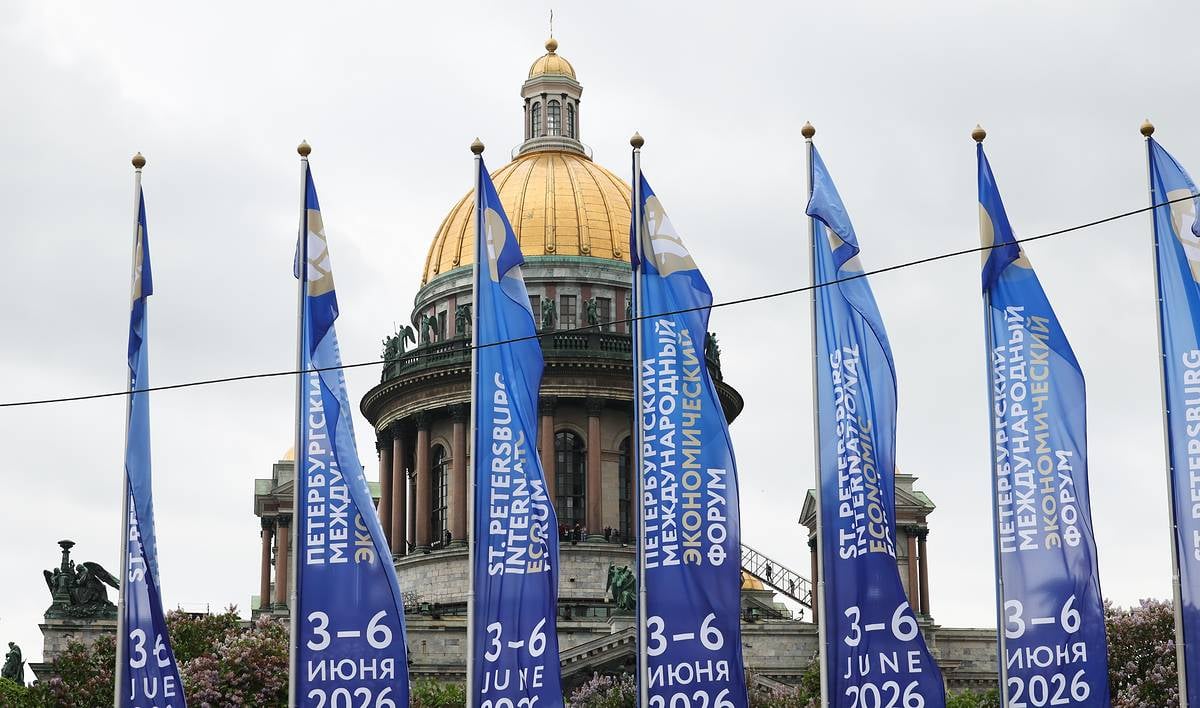
SPIEF 2026 has drawn a wide range of Asian heads of state and officials — a fact Moscow has promoted as evidence that its economic isolation is far from complete. For energy exporters, the forum has become a venue for demonstrating alternative market depth: every bilateral energy conversation held in St. Petersburg this week is, in part, a message to European buyers who departed after 2022 that Russia found willing partners elsewhere.
Vietnam’s situation is not unique. Across Southeast Asia, energy-hungry economies are navigating the same set of pressures: rising domestic demand, aging coal infrastructure, pressure to decarbonize, and a limited set of suppliers capable of delivering LNG at the scale and price required. Indonesia has been exploring nuclear cooperation with Russia’s Rosatom, while Thailand and Malaysia have drawn attention for their positioning relative to both Washington and Moscow in energy markets.
What Russia is offering Vietnam goes beyond spot LNG cargoes. The strategic oil reserve proposal Novak mentioned — an offer to help Vietnam build the kind of buffer stockpile that insulates an economy from price shocks and supply disruptions — suggests Moscow is angling for infrastructure-level dependency, the sort of relationship that takes years to unwind once established. It is a model Russia has used before in other markets, and one that Hanoi’s planners will weigh carefully against the geopolitical exposure it carries.
The Vietnam-Russia Economic Forum held in Hanoi in April described energy cooperation as one of the key pillars of the bilateral relationship, with long-term strategic significance for both sides. Vietnam’s energy needs and Russia’s resource advantages were framed as inherently complementary. That framing reflects an economic reality. What it does not address is whether the political conditions for acting on that complementarity will hold in the years it would take to build the infrastructure the relationship now envisions. SPIEF 2026 runs through June 6.
—Inputs from RIA Novosti, Sputnik.